Written by: Luis Teran, Co-founder, CEO, TenantEvaluation
Key Takeaways
- Lease records management software centralizes lease documents, automates status tracking, and provides real-time visibility into active, pending, expired, and missing leases for Florida community associations.
- Purpose-built platforms replace spreadsheets and email chains with centralized, audit-ready records and less manual work by connecting lease tracking directly to resident onboarding.
- Florida’s 2025-2026 regulatory mandates for HOA and condominium websites and portals create direct demand for accessible, centralized lease and association records.
- Key operational benefits include automated document collection during onboarding, continuous expiration monitoring, board-ready dashboards, and FCRA-aligned audit trails.
- For Florida associations seeking purpose-built lease tracking, TenantEvaluation delivers specialized workflows and real-time visibility tailored to community associations.
How Lease Records Management Software Works
Lease records management software is an operational platform that stores, organizes, and tracks lease agreements across a property portfolio. Core functions include document collection, lease lifecycle monitoring from application through occupancy, expiration alerts, unit-level status confirmation, and searchable digital history. Lease tracking refers specifically to real-time monitoring of each lease’s status, such as active, pending, expired, or missing, tied to individual units and residents. Lifecycle visibility means every stage of the lease relationship, from initial application submission through renewal or termination, is recorded and accessible in one place without manual intervention.
Florida Community Associations and the 2026 PropTech Landscape
Housing associations represent a major end-use segment in the global PropTech market, driven by operational challenges such as tracking tenants, collecting payments, and meeting expectations for transparent reporting. Cloud-based deployment now dominates this market segment. Associations favor cloud platforms for scalability, automated processes, and seamless data integration that reduces the risk of data loss.
Florida’s regulatory environment has intensified these pressures through a series of website and portal mandates. Condominium associations with 25 or more units must operate a password-protected website or secure member portal under amended Florida Statute 718.111(12)(g), with the expanded website requirement taking effect January 1, 2026. Florida HOAs with 100 or more parcels were required to maintain a compliant website providing access to governing documents, meeting minutes, budgets, and financial reports by January 1, 2025, under reforms from House Bill 1203. Together, these mandates create direct demand for centralized, accessible lease and association records, not folders and inboxes.
Identity fraud concerns have also accelerated adoption of integrated onboarding workflows. Generic CRE tools built for commercial landlords or multifamily operators lack Florida association-specific workflows, board dashboards, and FCRA-aligned audit trails that CAMs and boards require.
See how TenantEvaluation Lease Tracking delivers Florida-specific workflows in action and schedule your walkthrough now.
How Lease Tracking Software Fits Daily HOA Operations
Lease tracking software for HOAs appears at several points in the daily management workflow. During the application stage, the platform automatically collects executed lease copies as part of document submission, which removes manual follow-up with owners and realtors. Once an application is approved, the unit’s lease status updates in real time and confirms occupancy while connecting the approval record to the active lease.

Expiration monitoring then runs continuously in the background. Managers receive alerts before leases lapse instead of discovering gaps during audits. Board reporting draws directly from the same centralized records and gives directors a current picture of occupancy across the portfolio. Staff no longer need to compile spreadsheet summaries. FM teams increasingly rely on real-time updates, data visibility, and all-in-one dashboards, and they now favor centralized systems over manual methods.
Compliance, Risk, and Governance for Florida Lease Records
Florida requires five years of retention for certain real estate records, which creates a compliance burden for property managers and CAMs maintaining lease and association documents. Audit trails, meaning timestamped records of every document upload, status change, and approval action, provide the primary mechanism for demonstrating compliance during regulatory review or legal dispute.
FCRA alignment matters when lease records intersect with screening data. Platforms that separate decision-making authority, held by the association, from data provision, handled by the software, reduce liability exposure. The same HB 1203 reforms that established website requirements also mandate that Florida HOAs with 1,000 or more parcels prepare audited financial statements regardless of revenue. This expansion of financial oversight strengthens the governance case for centralized, searchable digital records. Board oversight depends on records that stay current and retrievable on demand, not reconstructed from email threads.
Where Lease Records Management Commonly Breaks Down
High-risk pain points in lease management include missed critical dates and data gaps, which centralized systems are designed to reduce through automated extraction and traceability back to source documents. The most common failure points in community association lease management follow a predictable pattern.
Missing lease copies. Leases collected via email or paper are frequently misfiled, outdated, or simply absent from the record. Confirming occupancy status then requires manual searches across folders and inboxes.
Manual expiration tracking. Spreadsheet-based expiration calendars rarely stay updated consistently. Renewals are missed. Unauthorized occupancy goes undetected.
Disconnected systems. Property management teams should begin AI adoption by auditing current data locations across spreadsheets, PDFs, inboxes, and software tools, since fragmented manual processes remain common and create operational inefficiency. When screening, approvals, and lease storage live in separate systems, no single record reflects the full occupancy picture.
No connection between applications and active leases. An approved application does not automatically generate or link to a lease record. The gap between onboarding and occupancy tracking creates blind spots that compound over time across large portfolios.
Operational Best Practices for Centralized Lease Visibility
Effective lease records management in 2026 rests on four operational practices. First, all lease documents sit in a single digital repository, not distributed across email accounts, shared drives, or physical files. Second, lease document collection is automated during the onboarding process so that executed copies are captured at the point of application rather than chased afterward.
Third, real-time status visibility, including active, pending, expired, or missing, is maintained at the unit level and updated without manual input. Fourth, the full history of lease records, resident activity, and document trails remains searchable and audit-ready, which supports both board reporting and regulatory review.
Integrated software supports compliance with automated reporting, clear audit trails, and real-time compliance dashboards, enabling teams to manage documentation in one place and reduce the risk of gaps or delays during audits.
How to Compare Lease Records Management Platforms
Six criteria determine fit when evaluating lease records management software for a Florida community association. These criteria include integration with screening and approvals, board-ready dashboards, Florida-specific workflows, time savings, scalability, and risk reduction. Generic CRE platforms such as Visual Lease, Accruent, and similar tools address commercial or multifamily use cases and lack direct onboarding-to-lease connectivity, association board dashboards, and FCRA-aligned audit trails purpose-built for HOA and condominium governance.
| Visibility Feature | TenantEvaluation Lease Tracking | Generic CRE/Enterprise Tools (e.g., Visual Lease, Accruent) | Broad Property Management Platforms (e.g., AppFolio, Buildium) |
|---|---|---|---|
| Real-time lease status (active, pending, expired, missing) | Yes, unit-level, updated automatically | Partial, focused on commercial lease abstraction, not HOA unit status | Partial, lease storage available but not connected to onboarding workflow |
| Connected to resident onboarding and approvals | Yes, application, approval, and lease record in one platform | No, separate systems required for screening and lease storage | Limited, screening and lease management are loosely integrated |
| Board-ready dashboard for lease and occupancy oversight | Yes, dedicated board panel with real-time visibility | No, designed for commercial asset managers, not association boards | Limited, board access not a primary design feature |
| Florida HOA/condo-specific workflows and FCRA-aligned audit trails | Yes, built specifically for Florida community associations | No, generic commercial or enterprise focus | Partial, broad compliance features not tailored to Florida association law |
Note: Feature assessments for generic CRE and broad property management platforms are based on publicly available product documentation and competitive positioning. Direct feature parity comparisons on metrics that differ in scope or scale are described in prose above rather than forced into a shared unit.
Walk through these capabilities against your association’s specific requirements and request your personalized demo.
Frequently Asked Questions
How do property managers track lease expirations across multiple Florida associations?
Property managers overseeing multiple Florida associations typically need a centralized platform that maintains unit-level lease records across every community in one dashboard. TenantEvaluation Lease Tracking provides real-time lease status, including active, pending, expired, or missing, at the unit level with automated alerts before expirations occur. This approach removes the need to maintain separate spreadsheets per community and helps ensure that no renewal deadline is missed due to manual tracking gaps. Because lease records connect directly to the onboarding workflow, every executed lease collected during the application process is already stored and searchable without additional data entry.
What are the benefits of centralized lease records for condominium associations?
Centralized lease records give condominium associations a single, authoritative source of truth for occupancy status, lease history, and document compliance. For boards, this structure means governance decisions and owner communications rely on current data rather than reconstructed email threads. For CAMs, it reduces the administrative burden of locating, verifying, and reporting on lease status across units.
For compliance purposes, centralized digital records with full audit trails support the record retention and accessibility requirements that Florida statute imposes on condominium associations, including the portal and website disclosure mandates that took effect in 2025 and 2026. TenantEvaluation’s Lease Tracking connects these records directly to the resident onboarding lifecycle, so documentation is captured at the point of application instead of collected retroactively.
How can HOAs gain real-time lease visibility without spreadsheets?
HOAs gain real-time lease visibility without spreadsheets by adopting a platform that automates document collection during onboarding and maintains unit-level status continuously. TenantEvaluation Lease Tracking connects resident applications, approvals, unit data, and lease documentation into one workflow. When an application is submitted, the executed lease is collected automatically. When an approval is issued, the unit’s status updates in real time.
As a lease approaches expiration, the system flags it without requiring manual calendar management. The result is a searchable, audit-ready digital history that replaces the fragmented combination of folders, inboxes, and spreadsheets that most HOAs currently rely on.
Which lease tracking features reduce manual work for CAMs in 2026?
Several lease tracking features deliver the greatest reduction in manual work for CAMs. These features include automated lease document collection during onboarding, real-time unit-level status tracking, searchable digital lease history, and direct integration between the screening and approval workflow and the lease record. TenantEvaluation Lease Tracking includes all of these within one platform alongside resident screening, identity verification through IDVerify, and accelerated approvals through QuickApprove.
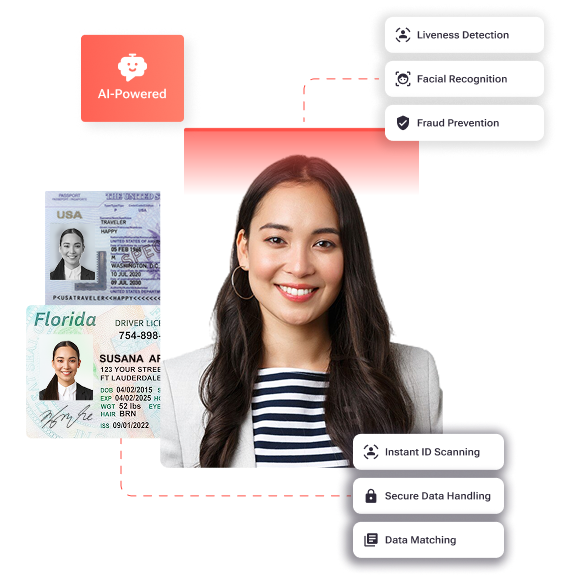
CAMs managing large portfolios benefit from the removal of manual follow-ups with owners and realtors for lease copies, the elimination of spreadsheet-based expiration calendars, and the ability to confirm occupancy status instantly without searching across disconnected systems.
Conclusion: Selecting Lease Records Software for Florida Associations
Florida community associations in 2026 face a clear operational choice. Teams can continue managing lease records through fragmented spreadsheets, email chains, and disconnected systems, or they can adopt a centralized platform that connects every stage of the lease lifecycle to the onboarding workflow. The compliance environment, driven by Florida’s expanding HOA and condominium portal requirements, now makes audit-ready digital records a governance necessity rather than an operational preference.
Generic CRE tools and broad property management platforms address different use cases and lack Florida association-specific workflows, board dashboards, and direct onboarding-to-lease connectivity that CAMs and boards require. TenantEvaluation Lease Tracking is built specifically for community associations and management companies. The platform connects resident onboarding, unit data, approvals, and lease documentation into one centralized, real-time, audit-ready workflow and replaces spreadsheets and scattered email chains from application through occupancy.
With 5,000+ communities served, 100,000+ applications processed annually, and FCRA compliance as the foundation rather than an afterthought, TenantEvaluation offers a purpose-built option for Florida CAMs and boards evaluating lease records management software. See how TenantEvaluation Lease Tracking replaces operational guesswork with centralized visibility, real-time status, and audit-ready records across every community you manage by requesting a demo today.
