Written by: Luis Teran, Co-founder, CEO, TenantEvaluation | Last updated: August 28, 2026
Key Takeaways for Association Managers
- Lease documentation software replaces fragmented spreadsheets and email chains with centralized, searchable digital records and automated workflows.
- Automated critical-date alerts and audit trails remove missed deadlines and version conflicts that plague manual tracking systems.
- Integrated platforms connect lease documentation directly to screening, approvals, and payments, which removes data silos and manual handoffs.
- Portfolio size drives the need. Spreadsheets become unreliable at 20–30 leases, while integrated systems scale without added headcount.
- TenantEvaluation’s Lease Tracking delivers centralized, real-time lease visibility and lifecycle control for Florida community associations at TenantEvaluation.
How Lease Documentation Software Replaces Spreadsheets
Modern lease documentation software replaces manual spreadsheets through a clear, step-by-step operational shift.
- Centralize all lease records. Every agreement, amendment, and addendum moves into one searchable digital repository. This eliminates scattered folders, inboxes, and personal drives that leave lease information disconnected across desktops, spreadsheets, and emails.
- Automate critical-date alerts. The platform monitors expiration dates, renewal windows, and escalation triggers, then pushes alerts automatically. This replaces the passive spreadsheet model where deadlines are missed unless someone actively monitors the file.
- Connect lease data to the onboarding workflow. Lease documentation links directly to applications, approvals, and unit records. Countersigned leases automatically trigger move-in checklists, deposit requests, and occupancy updates, so staff no longer manage manual handoffs.
- Establish a complete audit trail. Every document action, including who uploaded, signed, or modified a file, is timestamped and recorded. This closes the core gap where spreadsheet lease tracking lacks any audit trail recording who changed what data and when.
- Scale without adding headcount. Automated document collection cuts staff hours on follow-up from roughly 20 minutes per document manually to about 4 minutes per document on exceptions only, an 80% reduction. Teams can handle higher onboarding volume without proportional staffing increases.
Essential Lease Documentation Features for 2026
A 2026 comparison of real-estate contract lifecycle management tools highlights several baseline expectations for lease documentation platforms.
- Built-in lease template libraries with conditional logic for jurisdiction-specific clauses
- E-signature with full audit trails and compliance with ESIGN and UETA standards
- Automated milestone and deadline alerts for expirations, renewal options, and rent escalations
- Centralized, searchable document storage with role-based access controls
- Real-time lease status visibility across the entire portfolio
- Integration with screening, approvals, and payment workflows
Generic property management platforms such as Buildium, Yardi, and TenantCloud address some of these features in isolation. They do not connect lease documentation to a resident screening workflow with an FCRA-compliant foundation or biometric identity verification designed specifically for Florida community associations.
Lease Lifecycle Tracking Without Spreadsheets
Once a portfolio exceeds 20–30 leases, spreadsheet tracking breaks down because adding properties multiplies critical dates faster than a shared file can be managed reliably. For mid-size Florida Community Association Managers overseeing 20–200+ units, this threshold arrives quickly.
The operational impact shows up in staff time and lost revenue. Many organizations with a lease portfolio of 20 leases dedicate 15–20 hours monthly to manual lease administration tasks that modern systems automate. Revenue leakage from lease administration errors includes forgotten pet fees, incorrect rent amounts after renewals, and missed utility reimbursements.
TenantEvaluation’s Lease Tracking gives association managers centralized, real-time lease visibility and lifecycle control from application to occupancy. Real-time lease status, automated lease document collection during onboarding, unit-level tracking tied to occupancy records, and a searchable digital history replace the passive spreadsheet model. Every lease stays connected, searchable, trackable, and audit-ready inside one platform.
Connecting Lease Documentation, Screening, and Payments
Tenant screening works best when it is integrated into the full leasing lifecycle rather than treated as a standalone step. Most generic platforms still separate documentation, screening, and payments into disconnected modules with no shared data layer.
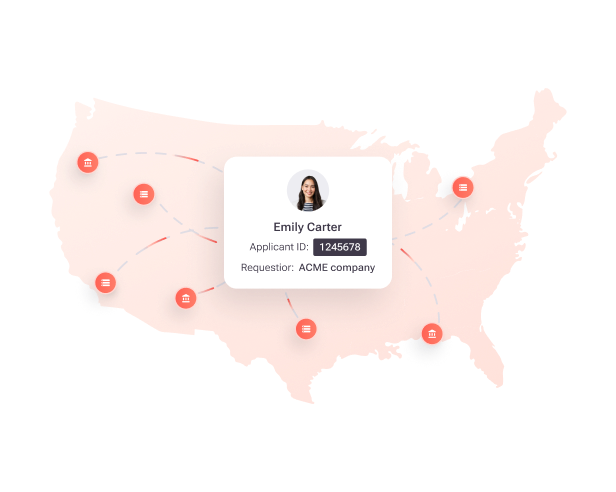
TenantEvaluation connects all three inside one FCRA-compliant platform. Resident onboarding, background checks through SafeCheck+, identity verification through IDVerify, board approvals through QuickApprove, and lease documentation through Lease Tracking operate as a single workflow. TEpayments collects application fees, deposits, and other required resident payments within that same onboarding process. Payments go directly from the applicant to the association’s designated account, and TenantEvaluation never holds the funds.

Around 58% of medium-sized real estate firms continue to operate legacy systems incompatible with modern integrations, which contributes to data silos and manual reconciliation. TenantEvaluation removes that fragmentation for Florida associations by design.
Choosing Lease Documentation Tools by Portfolio Size
The right lease documentation approach depends on portfolio scale and operational complexity.
- Under 10 units: Basic digital storage and e-signature tools may work, although audit trail gaps remain.
- 10–30 units: Real estate and finance teams begin working from different spreadsheet files, which creates version conflicts and mismatched data. Centralized lease tracking becomes operationally necessary as the 20–30 lease threshold described above approaches.
- 30–200+ units: Spreadsheet-based lease tracking for multi-unit portfolios lacks automated alerts, audit trails, and escalation logic, making it unreliable once portfolios exceed 30–50 leases. An integrated platform that connects screening, approvals, lease documentation, and payments becomes the only practical option.
For Florida CAMs managing associations in this range, TenantEvaluation’s Lease Tracking matches this operational profile and is not adapted from a generic rental tool.
Security, Audit Trails, and FCRA Compliance
Florida property managers handling residential rentals must safeguard personally identifiable information such as tenant names, Social Security numbers, payment details, and lease terms. Regulations require prompt breach notification and reasonable security safeguards.
Audit readiness for lease systems depends on a complete audit trail, strong internal controls, and traceable data from source document to journal entry. TenantEvaluation supports this through PCI Level 1 compliance, end-to-end encryption, automatic redaction of sensitive PII, role-based access controls, and built-in audit trails for every application and lease record. As a direct reseller of TransUnion and Equifax data, not a third-party scraper, TenantEvaluation operates under strict bureau rules with regular compliance reviews. This keeps community associations protected from unnecessary liability exposure.
FCRA compliance sits at the core of TenantEvaluation’s platform. Automated adverse action workflows, clear separation between decision-making by the association and data provision by TenantEvaluation, and built-in audit trails for every application create a defensible compliance record that scattered email chains and spreadsheets cannot match.
Experience audit-ready lease documentation firsthand, and request your TenantEvaluation demo.
Pricing Signals and Total Cost of Ownership
Pricing structure reveals how different platforms impact long-term costs. Generic platforms such as AppFolio and RealPage charge monthly subscription fees regardless of application volume. TenantEvaluation uses a pay-per-application model with no upfront fees, and its revenue-sharing structure means application processing can generate income for the association instead of acting as a fixed overhead cost.
Automated document workflows can substantially reduce annual labor costs for document chasing, and that reduction compounds across larger portfolios. One Florida-based management company that switched to TenantEvaluation freed up 50 hours per day for its team, cut processing time by 50%, and achieved $240,000 in annual savings.
| Feature | TenantEvaluation Lease Tracking | Buildium / Generic PMS | Spreadsheets + Email |
|---|---|---|---|
| Lease templates & e-sign | Integrated with onboarding workflow | Available as standalone module | Not available |
| Automated expiration alerts | Real-time, platform-native | Available in some tiers | Not available, manual monitoring required |
| Centralized cloud storage | Searchable, audit-ready, unit-level | Document storage available | Scattered across folders, inboxes, and files |
| Real-time lease status | Active, pending, expired, or missing | Limited, varies by plan | Not available |
| Audit-ready records | Full trail, every action timestamped | Partial, varies by configuration | No audit trail (see step 4 above) |
| Connected to screening & payments | Native integration, FCRA-compliant | Separate modules, limited connection | No connection |
Biometric Identity Verification Tied to Lease Execution in 2026
Identity fraud exposure in 2026 for condo and HOA communities has made document-only screening insufficient. TenantEvaluation’s IDVerify embeds biometric identity verification directly into the screening workflow before lease execution. The system combines government ID validation, AI-powered liveness detection, and biometric facial matching inside the same platform where lease documentation is collected and tracked.

This shift moves Florida associations from document-based review to biometric-confirmed identity verification. It strengthens approval confidence and reduces liability exposure before a lease is executed. IDVerify also strengthens permissible-purpose validation by ensuring identity confirmation occurs prior to screening authorization, which reinforces FCRA-aligned workflows and audit defensibility.
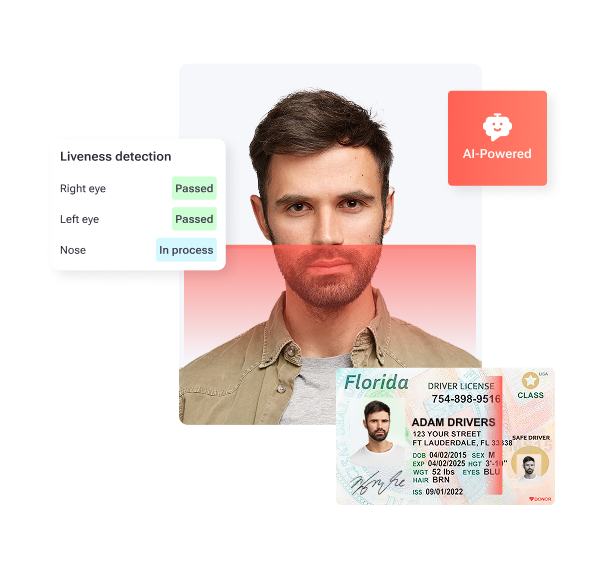
No external portals or extra tools are required. Biometric verification and lease tracking operate together inside one connected ecosystem.
Frequently Asked Questions
What software do property managers use for lease management?
Property managers use a range of tools based on portfolio size and complexity. Generic property management platforms such as Buildium, AppFolio, and Yardi include lease storage and some tracking features but treat lease documentation as a standalone module disconnected from screening and payments. Spreadsheets and email chains remain common in smaller portfolios despite well-documented operational risks at scale.
For Florida Community Association Managers handling 20–200+ units, TenantEvaluation’s Lease Tracking provides centralized, real-time lease visibility and lifecycle control from application to occupancy. It connects resident screening, board approvals, and payment collection inside one FCRA-compliant platform built specifically for community associations.
What is the best lease tracking software for property managers?
Effective lease tracking software connects lease documentation to the full resident onboarding lifecycle rather than treating it as isolated storage. Key capabilities include real-time lease status visibility, automated expiration alerts, audit-ready digital records, e-signature, and direct integration with screening and payment workflows.
For Florida CAMs and community associations, TenantEvaluation’s Lease Tracking is the only solution that delivers all of these capabilities inside an FCRA-compliant platform that also includes biometric identity verification through IDVerify, accelerated board approvals through QuickApprove, and connected payment collection through TEpayments. The platform is purpose-built for community associations, not adapted from generic rental tools.
Why do spreadsheets fail for lease documentation at scale?
Spreadsheets fail for lease documentation at scale because they act as passive systems. They generate no automated alerts, maintain no audit trail, and create version conflicts when multiple team members update the same file. At portfolios of 20 or more leases, manual tracking requires dedicated staff time to monitor files, and a single data entry error can silently affect all downstream critical dates.
Spreadsheets also have no connection to screening records, approval workflows, or payment systems. Lease data lives in a separate silo from the rest of the resident onboarding process. These gaps produce missed renewal windows, incomplete records, compliance risk, and operational blind spots that integrated lease documentation software removes.
How does lease documentation software support compliance readiness for Florida property managers?
Florida residential leases carry specific statutory requirements, including security deposit disclosures under Florida Statute 83.49, flood disclosure requirements for leases of one year or longer, radon gas disclosures, and electronic notice addendum requirements under Florida Statute 83.505. Lease documentation software supports compliance readiness by maintaining organized digital records, timestamped audit trails, and structured document collection workflows. These capabilities make it possible to demonstrate adherence to requirements during audits or disputes.
TenantEvaluation’s platform adds FCRA-compliant screening, automated adverse action workflows, PCI Level 1 security, and end-to-end encryption. This creates a compliance-ready operational foundation. It does not guarantee compliance, but it provides a structured system that keeps documentation organized, traceable, and audit-ready.
What is the difference between lease tracking software and a full property management system?
A full property management system covers accounting, maintenance, owner reporting, and tenant communication alongside lease functions. These systems often carry higher subscription costs and treat lease documentation as one module among many. Lease tracking software focuses specifically on the lifecycle of lease agreements, including creation, execution, storage, status monitoring, and renewal management.
The most effective approach for community associations combines lease lifecycle tracking with the workflows it directly touches: resident screening, board approvals, and payment collection. TenantEvaluation’s Lease Tracking is built into an all-in-one resident onboarding platform, so lease documentation is not an isolated feature. It connects every step from application submission through occupancy inside one system.
Conclusion: Moving Beyond Spreadsheet-Based Lease Management
Spreadsheets and email chains for lease documentation create operational blind spots that grow with every additional unit, every staff change, and every missed renewal window. For mid-size Florida Community Association Managers, the cost of fragmented lease management appears in staff hours, missed deadlines, incomplete records, and compliance exposure that organized digital systems prevent.
TenantEvaluation’s Lease Tracking replaces that fragmentation with centralized, real-time lease visibility and lifecycle control from application to occupancy. It connects resident screening, board approvals through QuickApprove, biometric identity verification through IDVerify, and payment collection through TEpayments. No spreadsheets, no missing leases, and no operational guesswork.
