Written by: Luis Teran, Co-founder, CEO, TenantEvaluation
Key Takeaways: Faster Florida Condo Approvals in Peak Season
- Florida condo peak season approval delays often stem from monthly board meeting schedules, incomplete application packages, and management teams handling many communities at once.
- These bottlenecks stretch approval timelines from days into weeks, frustrating managers, boards, and applicants while reducing revenue and operational efficiency.
- New 2026 Florida regulations, including password-protected website requirements for associations with 25 or more units, increase administrative work during the busiest processing periods.
- TenantEvaluation’s digital workflow with QuickApprove, IDVerify, and smart form logic can cut approval times by up to 70% while keeping board oversight and compliance intact.
- See how digital workflows remove seasonal bottlenecks and speed decisions by requesting a personalized demo.
Why Florida Condo Approvals Slow Down in Peak Season
Clear root causes make condo approval delays predictable and solvable. Three recurring factors drive most bottlenecks during Florida’s peak rental and sales seasons.
Monthly Board Meeting Schedules: Florida Statutes Chapter 720 and Chapter 718 require board meetings to be open to all members with advance notice and formal minutes, which keeps associations on fixed meeting cycles instead of flexible, ad-hoc decisions. Previous meeting minutes are usually approved at the next official board meeting before the secretary signs them, so applications that arrive between meetings sit in a queue until the next scheduled session.
Even when applications arrive at the right point in the meeting cycle, another issue often slows them down.
Incomplete Application Packages: Incomplete or inaccurate information creates major bottlenecks in Florida closings, including wrong property addresses, outdated assessment amounts, missing special assessments, or conflicting account status details that require rework and delay approvals. Manual document review rarely catches every issue early, so errors often surface only when the package reaches board review.
These timing and accuracy problems hit management teams hardest when application volume spikes.
Overwhelmed Management Teams: Property management companies that oversee 20 or 50 communities spend dozens of hours each month drafting HOA board meeting minutes from notes or memory, which adds heavy administrative workload and slows governance processes. This burden multiplies during peak seasons as staff juggle board support, applicant questions, and follow-ups on missing documents.
| Cause | Typical Impact | Digital Workflow Solution |
|---|---|---|
| Monthly board meeting schedules | Delays while applications wait for the next scheduled meeting | Real-time board dashboards with clear voting panels |
| Incomplete application packages | Multiple rounds of back-and-forth communication | Smart form logic with automatic document validation |
| Overwhelmed management teams | Significant time spent on manual follow-ups each week | Automated communication and tracking workflows |
How TenantEvaluation Replaces Manual Bottlenecks with a Digital Workflow
TenantEvaluation offers an FCRA-first platform built specifically for Florida condos and HOAs, so it targets the exact causes of peak season approval delays with end-to-end workflow automation. Unlike generic tenant screening tools, TenantEvaluation’s specialized platform processes 100,000 or more applications each year across over 5,000 communities, with proven time savings of up to 70%.
The platform’s QuickApprove accelerated approval workflow moves applications from submission to decision faster by replacing email chains and spreadsheets with a connected, board-ready process. IDVerify biometric identity verification confirms applicant identity before decisions, and 55+ Communities Verification standardizes age-restricted application handling for qualifying communities.

Manual approval processes often take several weeks during peak seasons. TenantEvaluation’s automated workflow shortens that timeline significantly, even when application volume is at its highest.
Step 1: Speed Board Decisions with Real-Time Dashboards
TenantEvaluation’s QuickApprove gives boards dedicated review and voting dashboards that remove dependence on monthly meetings and email threads.

- Access summarized applicant reports: Board members receive AI-generated summaries that highlight key screening results, financial qualifications, and compliance status, so they do not need to sift through raw documents.
- Vote through integrated panels: Digital voting panels let board members approve, request more information, or deny applications individually, and the system tallies votes and records decisions automatically.
- Track application status in real time: Dashboard views show which applications need attention, current vote status, and any pending items that require board action, which keeps reviews moving.
- Maintain audit trails: Every board action is timestamped and recorded, creating complete compliance documentation for association records.
Step 2: Stop Incomplete Submissions with Smart Forms
Automated document validation removes much of the back-and-forth communication that stretches approval timelines.
- Validate required documents automatically: The platform checks for executed leases, valid government-issued IDs, and community-specific requirements before it accepts a submission.
- Reject incomplete packages immediately: Applications that lack required elements are returned to applicants with clear instructions, so incomplete files never reach board review.
- Provide multilingual support: Around-the-clock AI chat assistance in 11 languages helps applicants complete requirements correctly the first time.
- Apply community-specific criteria: Custom form logic reflects each association’s screening rules, credit score thresholds, and documentation standards, which keeps reviews consistent.
Step 3: Keep Boards in Control During High-Volume Periods
TenantEvaluation keeps boards informed and compliant while still accelerating processing during peak seasons.
- Generate automated communications: System-triggered status updates keep applicants, realtors, and property managers informed, so staff spend less time on manual follow-ups.
- Create customized approval letters: Approved applications automatically produce personalized welcome packages and approval documents that match association branding.
- Maintain complete audit trails: Every action, document, and decision is recorded with timestamps and user identification, which supports regulatory compliance and legal protection.
- Scale without extra headcount: Digital workflows handle higher application volume during peak seasons without temporary staff or overtime.
Ready to manage peak season volume without adding staff or sacrificing visibility? See these automated workflows in action.
Manual vs. Automated Approval Timelines in Florida Communities
| Processing Stage | Manual Process | TenantEvaluation Automated | Time Saved |
|---|---|---|---|
| Application submission and document review | Several business days | Same day | 2 to 4 days |
| Board review and decision | typically takes 20 to 30 days after submission of a completed package | 1 to 2 days | 5 to 28 days |
| Approval communication and documentation | A few business days | Same day | 1 to 2 days |
| Total timeline | Multiple weeks | up to 14 business days for Standard Service or 1 business day for Platinum | Up to 70% reduction |
These time savings grow even more valuable during peak seasons, when workflow automation can save over 800 hours of labor time within just a few months and workflow automation can significantly reduce processing time.
Conclusion: Centralize Approvals and Keep Boards Fully Informed
Condo peak season approval delays represent an operational challenge that modern workflows can fix. TenantEvaluation’s specialized platform turns fragmented manual steps into a single digital workflow that delivers the time savings demonstrated in the comparison table while preserving oversight, compliance, and visibility for association leaders.
The platform’s combination of QuickApprove accelerated workflows, IDVerify biometric verification, and comprehensive automation tools gives Community Association Managers and boards the infrastructure they need to handle peak season volume consistently and professionally.
Book your TenantEvaluation demo to see how your community can remove peak season delays and keep every stakeholder informed at each step.
Frequently Asked Questions
How long does condo approval take during peak season?
Traditional manual approval processes often take several weeks during peak seasons because of monthly board meeting schedules, incomplete application packages, and heavy management workload. TenantEvaluation’s automated workflow shortens this timeline significantly, even during high-volume periods. Real-time board dashboards remove meeting-dependent approval cycles, and smart form logic blocks incomplete submissions before they reach board review.
What are red flags on a rental application?
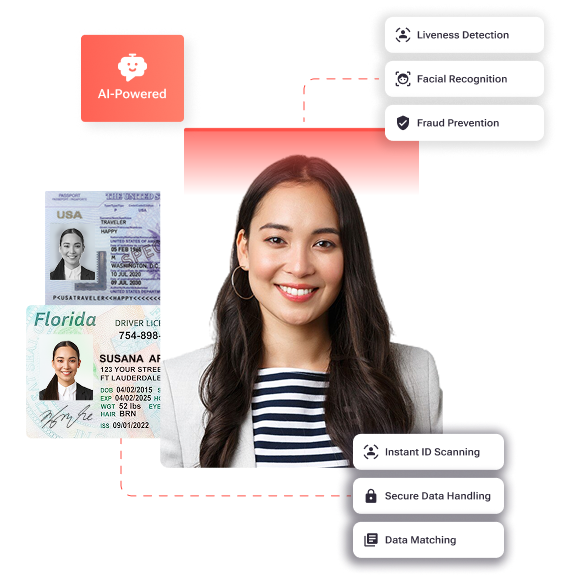
Common red flags include incomplete financial documentation, inconsistent employment history, poor credit scores below community thresholds, previous evictions or lease violations, and identity verification issues. TenantEvaluation’s screening process automatically flags these concerns through FCRA-compliant background checks, employment verification, and biometric identity confirmation. The platform’s IDVerify feature addresses identity fraud risks by validating government-issued IDs and confirming physical presence through AI-powered liveness detection.
How can boards stay involved without slowing approvals?
TenantEvaluation’s QuickApprove gives boards review dashboards that keep them involved while still moving decisions quickly. Board members see summarized applicant reports, vote through integrated panels, and track application status in real time instead of waiting for scheduled meetings. This structure keeps control and compliance visibility in place while removing delays tied to traditional meeting cycles. All board actions are recorded automatically with complete audit trails for regulatory compliance.
What 2026 Florida regulations affect approval workflows?
Florida condominium associations with 25 or more units must operate password-protected websites under amended Florida Statute 718.111(12)(g) effective January 1, 2026, which adds administrative work during peak processing periods. New director education requirements mandate four-hour curricula within 90 days of appointment plus annual continuing education. Enhanced structural inspection requirements and reserve funding obligations create additional documentation and tracking needs. TenantEvaluation’s platform supports these regulatory changes with automated compliance tracking, secure document management, and audit-ready record retention that helps associations meet evolving Florida requirements.
How does digital workflow automation handle Florida-specific compliance requirements?
TenantEvaluation is built specifically for Florida community associations with FCRA compliance at its core. The platform incorporates Florida Statutes Chapter 720 and Chapter 718 requirements, maintains direct credit bureau reseller relationships with TransUnion and Equifax, and provides automated adverse action workflows. Custom setup options match each community’s governing documents and screening criteria, and built-in audit trails support regulatory compliance. The platform’s 55+ Communities Verification feature addresses age-restricted community requirements that are common in Florida, standardizing documentation and reducing compliance risk for qualifying associations.
