Written by: Luis Teran, Co-founder, CEO, TenantEvaluation
Key Takeaways for Florida CAM Compliance Automation
- Manual email and spreadsheet workflows create bottlenecks, compliance gaps, and FCRA exposure for Florida CAMs handling high-volume resident applications.
- CAM compliance workflow automation replaces fragmented processes with a single connected system that standardizes document collection, identity verification, board review, and record retention.
- Real-time dashboards, automated task routing, and smart form logic reduce administrative burden while ensuring every FCRA-required step is documented and auditable.
- Platforms purpose-built for Florida HOAs and condos address state-specific rules, fee structures, 55+ community requirements, and board oversight without relying on generic tools.
- Start automating your TenantEvaluation resident approval workflow to reduce compliance risk and manual work.
CAM Compliance Workflow Automation for Florida HOAs and Condos
CAM compliance workflow automation uses digital platforms to replace manual, paper-based, and email-driven processes in resident application intake, identity verification, background screening, board review, adverse action documentation, and record retention. For Florida HOAs and condominiums, every required step, from document collection to written approval, follows a standardized, auditable path that satisfies FCRA requirements and Florida statutory obligations without relying on staff memory or inbox management.
Why Manual Processes Fail CAMs and Florida HOA Boards
Florida HOA boards that rely on spreadsheets, email chains, and shared drives create operational chaos and lose institutional knowledge when a board member or manager departs. The compliance risk compounds quickly. Manual compliance processes, including application review, violation notices, and fine tracking, are time-consuming and difficult to manage at scale through disconnected email threads and fragmented records.
Today’s regulatory environment demands reliable records, standardized financial controls, and clear documentation to keep pace with evolving requirements. Florida boards face heightened expectations around building safety, reserve funding, and homeowner protections, which increases the cost of manual errors. Standard resident approval timelines of 10–30 days after receipt of a complete application stretch further when documents are incomplete and follow-up is manual. This delay stems directly from repetitive work: workers spend 219 hours per year on tasks that could be automated, and property management carries a disproportionately large share. Beyond the time cost, these manual processes create legal exposure, because missing adverse action documentation or improper permissible-purpose controls expose associations to direct FCRA liability.
See how TenantEvaluation replaces fragmented workflows in a live demo with a connected, FCRA-first platform built for Florida CAMs and boards.
7 Steps to Automate Resident Approval Workflows in Florida Communities
This implementation framework applies to Florida HOAs and condominiums moving from manual processes to automated compliance workflows. Steps 1–5 focus on process design, and Steps 6–7 address compliance controls and platform selection.
- Audit your current intake process. Map every touchpoint from application receipt to board decision. Identify where documents go missing, where follow-up calls occur, and where FCRA-required steps, such as permissible purpose and adverse action, lack documentation. Before automation, applications arrive by email PDF or in person, fees arrive by check, and status is tracked in a spreadsheet. After automation, a single digital intake portal collects all required documents, fees, and authorizations before the application enters the review queue.
- Standardize document requirements by community profile. Each HOA or condominium has distinct governing documents, screening criteria, and fee structures. Florida condominium associations may charge transfer or approval fees of up to $150 per applicant, subject to periodic CPI-based adjustments published by DBPR, under Section 718.112(2)(k), Florida Statutes, while HOA fees are subject to a reasonableness standard. Configuring these rules into the platform prevents inconsistent fee collection and incomplete submissions.
- Implement real-time application tracking. Replace inbox-based status checks with a live dashboard visible to CAMs, board members, and applicants. Automated workflows reduce human error in tasks like tenant screening and support accuracy and consistency. Real-time tracking removes the most common source of applicant inquiries, because applicants can see exactly where their application stands.
- Automate evidence collection and document validation. Smart form logic rejects incomplete submissions before they enter the review queue. AI can automatically generate, classify, store, and flag documents requiring action, which reduces administrative effort and improves compliance efficiency. Before automation, managers manually check each upload for executed signatures, valid IDs, and required attachments. After automation, the platform rejects incomplete submissions and notifies applicants of missing items without staff intervention.
- Route tasks to the correct decision-maker. The Board of Directors or an appointed committee makes the final approval or denial decision, and the management company processes paperwork. Automated task routing enforces this separation by sending complete applications directly to the board review panel while keeping CAMs in a processing role. This structure preserves the legal distinction required under Florida law.
- Embed FCRA-compliant adverse action documentation. Every denial must generate a compliant adverse action notice with the required disclosures, credit bureau contact information, and applicant rights language. Automated adverse action workflows remove the manual drafting step and create a timestamped audit record for every decision, which strengthens FCRA defensibility.
- Select a platform built for Florida community associations. Generic compliance tools do not address HOA and condo resident approval workflows, board oversight requirements, or FCRA-first automation. AI adoption among property managers rose from 21% in late 2023 to 45% by mid-2025 (over 18 months), with no data reported on full workflow automation rates. Purpose-built platforms close this gap by translating AI capabilities into complete, Florida-specific approval workflows.
Board-Ready Dashboards and Structured Voting Workflows
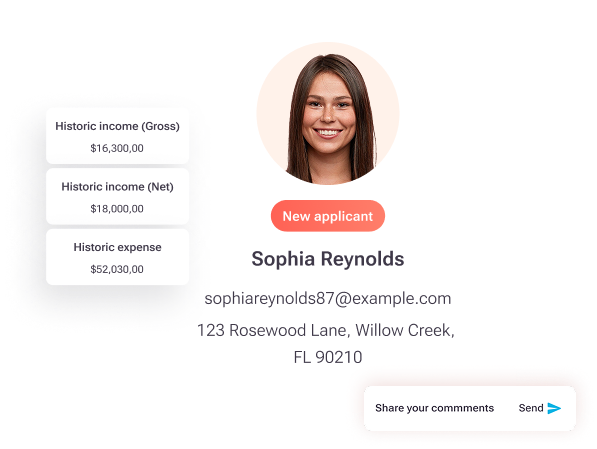
Board members require direct visibility into application status without depending on CAM-forwarded emails. Integrated systems deliver this visibility while also reducing manual work and improving consistency across portfolios through audit-ready records, financial reporting, and role-based approvals. TenantEvaluation’s QuickApprove accelerated approval workflow gives board members a dedicated review and voting panel with AI-generated applicant summaries, real-time application tracking, automated communication support, customized approval letters, and a personalized welcome package, all inside one connected platform. Before QuickApprove, approval workflows lived across email chains and spreadsheets, with applications stuck waiting for board review and limited visibility. After QuickApprove, a single connected workflow replaces manual follow-ups, reduces bottlenecks, and delivers faster, clearer, more consistent approvals for high-volume seasons and communities with complex onboarding requirements.
FCRA Audit Trails and Automated Adverse Action Controls
FCRA compliance requires documented permissible purpose for every background check, correct and prompt adverse action notices, and records that demonstrate compliance. Manual processes create gaps at each of these points. TenantEvaluation is built specifically for community associations and management companies, with FCRA compliance as the foundation rather than an add-on feature. As a direct reseller of TransUnion and Equifax data accessed under strict bureau rules, TenantEvaluation maintains a clear separation between decision-making by the association and data provision by TenantEvaluation. Built-in audit trails for every application and automated adverse action workflows remove manual drafting and reduce documentation gaps.
Review TenantEvaluation’s FCRA audit trail in a personalized walkthrough and see how adverse action automation protects your association.
Biometric Identity Verification Inside the Screening Workflow
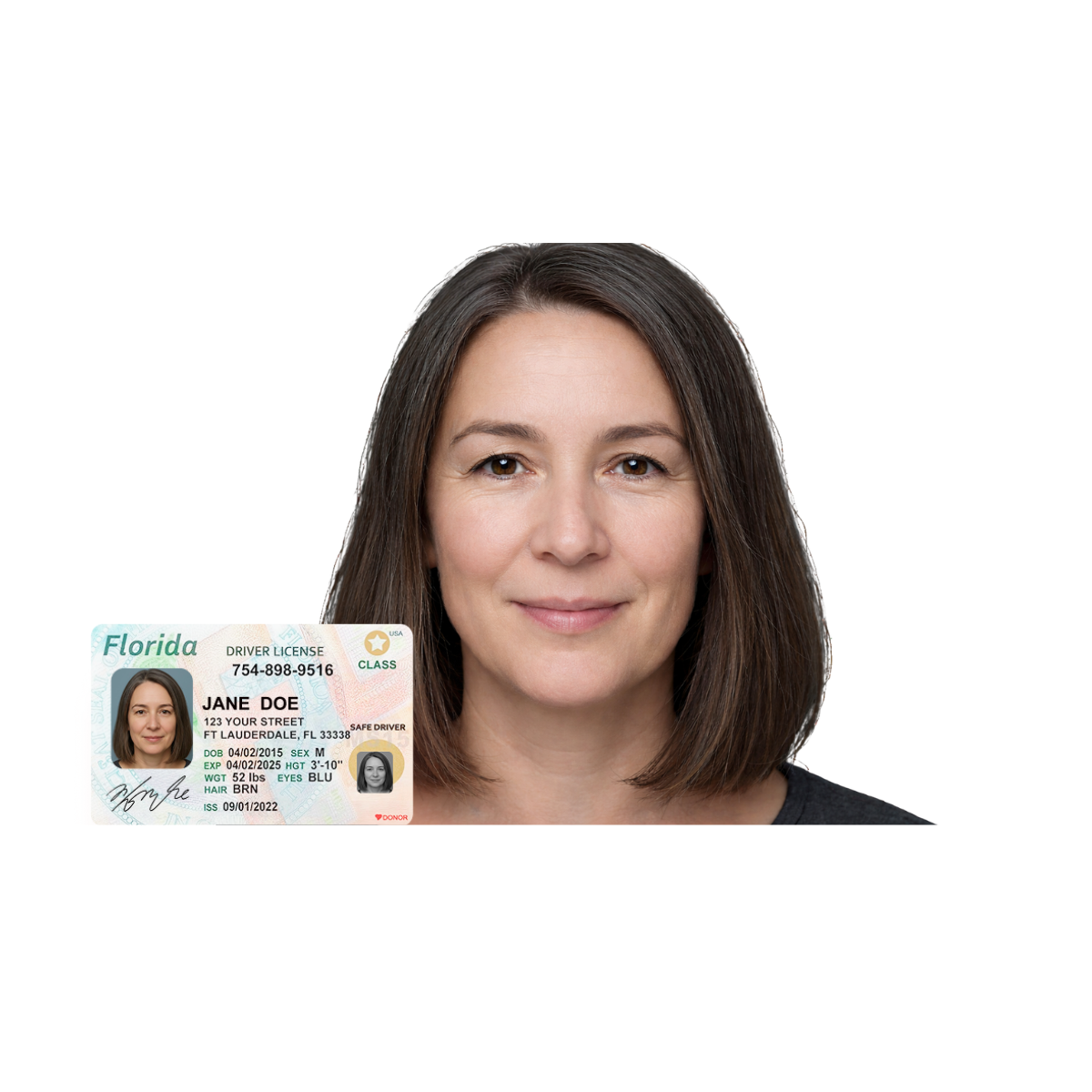
Modern identity verification strengthens screening accuracy beyond document uploads alone. Deep-learning algorithms have improved facial recognition accuracy to over 99%, and TransUnion’s ResidentID already incorporates AI to detect application fraud in tenant screening. TenantEvaluation’s IDVerify embeds automated KYC verification directly into the screening workflow using government ID validation, AI-powered liveness detection, and biometric selfie-to-ID facial matching, all natively inside TenantEvaluation, with no external portals or workflow disruption. CAMs see verification results, including ID authenticity confirmation, liveness status, and biometric match result, embedded directly within the screening report. IDVerify also strengthens permissible-purpose validation by confirming identity before screening authorization, which reinforces FCRA-aligned workflows and audit defensibility. Many jurisdictions require explicit consent for biometric data collection, so IDVerify is configurable per community and adapted to each association’s risk profile.

Standardizing 55+ Community Application Requirements
Age-restricted communities in Florida face a distinct documentation challenge. Fragmented manual processes that rely heavily on emails, PDFs, and follow-ups result in inconsistent communication, incomplete records, and unnecessary administrative burden for CAMs and boards. TenantEvaluation’s 55+ Communities Verification is a built-in capability that standardizes how age-restricted requirements are handled across applications for Florida condos and HOAs. It reduces manual work, supports documentation consistency, improves operational efficiency, and strengthens internal processes, which creates a more structured and scalable workflow for CAMs, property management companies, and boards managing 55+ community requirements. This capability is designed for Community Association Managers and supports documentation and consistency while leaving legal guidance to association counsel.
Frequently Asked Questions
What is CAM compliance workflow automation?
CAM compliance workflow automation uses digital platforms to replace manual, paper-based, and email-driven steps in the resident application, screening, board review, and approval process for Florida community associations. It covers document collection, identity verification, background screening, task routing to the board, adverse action documentation, and audit trail creation within a single connected system designed to meet FCRA requirements and Florida statutory obligations.
How long does it take to implement an automated compliance workflow for a Florida HOA or condo?
Implementation timelines vary by community size and portfolio complexity. Platforms built specifically for Florida community associations, with pre-configured Florida-specific rules, fee structures, and FCRA workflows, reduce setup time compared to generic compliance tools that require extensive customization. TenantEvaluation configures each community’s governing documents, screening criteria, and association workflows into the platform as part of onboarding, which allows CAMs to begin processing applications through the automated system without building workflows from scratch.
What are the board’s responsibilities in an automated approval workflow?
Under Florida law, the Board of Directors or an appointed committee retains final decision-making authority on resident approval applications, and the management company processes paperwork but does not render decisions. Automation does not change this responsibility, because it structures and documents it. Board members access a dedicated review and voting panel, receive AI-generated applicant summaries, and cast votes within the platform. Every action is timestamped and auditable. QuickApprove is designed to accelerate board decisions while preserving board oversight, compliance, and visibility.
How does FCRA compliance factor into automated resident screening for Florida community associations?
The Fair Credit Reporting Act governs how background and credit check data is collected, used, and disclosed in resident screening. Florida community associations must document permissible purpose before ordering a report, issue compliant adverse action notices when denying an application based on screening results, and retain records that demonstrate compliance. Manual processes create gaps at each of these points. TenantEvaluation addresses these requirements with automated adverse action workflows, built-in audit trails, and direct credit bureau reseller relationships with TransUnion and Equifax that help keep associations protected from liability exposure.
Can a single platform handle compliance workflows across multiple Florida communities with different rules?
Yes. Platforms purpose-built for community associations support configurable community profiles, which allow each HOA or condominium to maintain its own screening criteria, fee structures, document requirements, and approval workflows within the same system. TenantEvaluation serves 5,000+ communities and processes approximately 100,000 applications per year, with custom setups for each community’s governing documents and Florida-specific compliance requirements, including 55+ Communities Verification for age-restricted associations.
Conclusion: Moving Florida CAMs From Manual Risk to Automated Control
Manual email chains and spreadsheet-based approval workflows cost Florida CAMs and boards measurable time, create compliance gaps, and expose associations to FCRA liability that grows with every undocumented decision. CAM compliance workflow automation replaces those fragmented processes with a connected, board-ready system that covers every step from application intake to final approval and record retention. TenantEvaluation delivers that system with QuickApprove accelerated approvals, IDVerify+ biometric verification, and 55+ Communities Verification inside one FCRA-first platform built exclusively for Florida community associations. With $150M generated for communities, up to 50 hours of staff time saved per day, and a proven track record across thousands of associations, the operational case is clear. Start your TenantEvaluation automation rollout today and modernize your resident approval workflow without losing control, compliance, or visibility.
