Written by: Luis Teran, Co-founder, CEO, TenantEvaluation | Last updated: August 21, 2026
Key Takeaways for Florida Condo Denials
- Condo denials in Florida fall into two categories: board-level rejections from incomplete paperwork, financial issues, or governing document restrictions, and lender-level blocks triggered by Fannie Mae thresholds for reserves, delinquency, and litigation.
- Board-level denials most often stem from missing documents, credit shortfalls, criminal history, prior evictions, rental cap violations, and unpaid transfer fees.
- Project-level lender denials block financing for entire buildings when reserve funding falls below 10–15%, delinquency exceeds 15%, or critical repairs remain unfunded.
- Associations reduce denials by standardizing intake checklists, automating document review, monitoring delinquency monthly, and maintaining audit-ready records of every transaction.
- TenantEvaluation helps Florida associations prevent board-level denials through automated screening, biometric ID verification, lease tracking, and payment collection — see how it works for Florida associations.
Board Application Denials: What Disqualifies a Condo Applicant
Florida condo boards rely on the recorded declaration of condominium and bylaws under Florida Statute Chapter 718 to screen and reject applicants. Where the declaration does not grant approval rights, the board cannot create them by policy. Seven operational factors account for most board-level denials in Florida, and each one can be reduced with clear procedures.
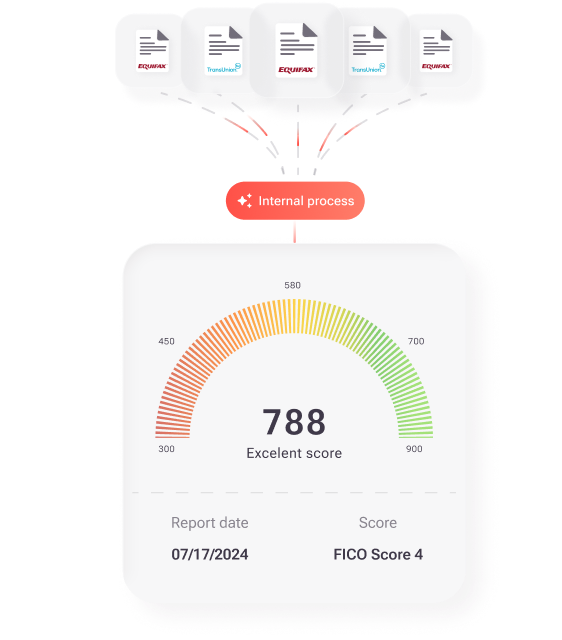
- Incomplete application packages. Missing required items, unsigned documents, expired materials, or inconsistent information are the single most common cause of delays and denials. Typical packages require the association form, executed purchase or lease contract, government-issued ID for every adult occupant, authorization for credit and background checks, and personal or professional references.
- Credit and financial shortfalls. Boards review credit, income or assets, and prior association judgments to confirm the applicant can meet financial obligations such as paying dues.
- Criminal history. Where governing documents permit it, criminal background checks are a standard screening component. Boards must apply criteria uniformly to avoid Fair Housing Act exposure.
- Prior evictions or disruptive behavior. History of disruptive behavior in a community is an accepted good-cause ground for denial when cited in the declaration or bylaws.
- Rental cap or waiting list position exceeded. Boards may reject lease applications when the unit exceeds a rental cap or waiting list position authorized by the declaration. Owners should obtain written confirmation of unit eligibility before submitting tenant paperwork.
- Unauthorized fees or missing deposits. Under Florida Statutes section 718.112(2)(k), failure to pay authorized transfer fees can block approval.
- Occupant count or pet policy violations. The number of occupants and pets relative to governing document limits is a standard screening criterion.
How boards reduce board-level denials: Start by publishing a clear, itemized checklist of required documents before the application opens. Then use smart application logic that rejects incomplete submissions automatically, so deficient files never reach manual review. Once complete applications enter the queue, apply screening criteria uniformly across all applicants to maintain Fair Housing compliance. Before evaluating occupant qualifications, confirm unit eligibility for rental caps and waiting lists as a separate gate to avoid wasted review time. Finally, collect authorized fees within the onboarding workflow to prevent payment gaps that stall approvals after the board vote.
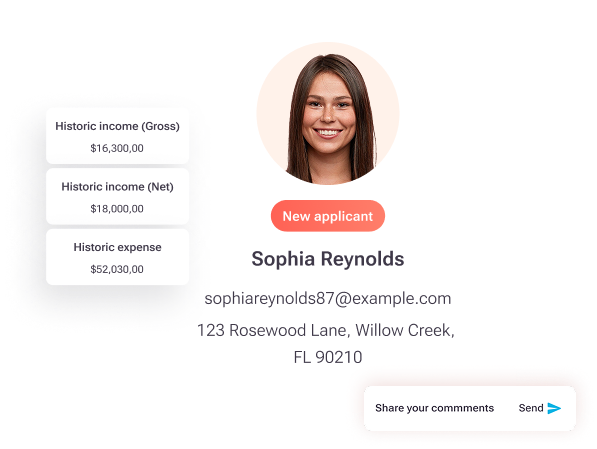
While the factors above apply to most condo applications nationwide, Florida’s regulatory environment and foreign buyer concentration create additional denial triggers that boards and buyers must manage carefully.
Florida-Specific Red Flags When Buying a Condominium
Several Florida-specific conditions signal elevated denial risk for buyers and their realtors and often slow or derail otherwise qualified applications.
- Foreign buyer without a U.S. credit file. Foreign buyers in Miami often experience multi-week delays because they lack a U.S. credit file and domestic references. Boards then require substitution with bank letters and international reports.
- Leasing restrictions post-purchase. Declarations commonly impose minimum lease terms, annual caps on the number of times a unit may be leased, and waiting periods after purchase before an owner may lease. Buyers who miss these rules can face denials when they later try to rent.
- Inconsistent or mismatched documentation. Discrepancies between the executed contract, ID, and application form trigger manual review and frequently result in denial or extended processing.
- Identity fraud exposure. Traditional document-upload screening cannot reliably detect stolen IDs, synthetic identities, or impersonation attempts, which now pose a growing risk in Florida condo communities.
Many of these red flags, including inconsistent documentation, identity fraud exposure, and processing delays, originate in the board’s approval workflow rather than with the applicant. When denial rates climb, the underlying issue often reflects a weak process instead of an unqualified applicant pool.

Signs of a Dysfunctional HOA Board and How That Drives Denials
Denial patterns often reflect board process failures rather than applicant deficiencies. Boards without structured workflows produce inconsistent decisions, create Fair Housing liability, and generate operational bottlenecks that cost associations revenue.
Common indicators of a dysfunctional approval process include:
- Approval decisions communicated through email chains with no audit trail.
- Board members reviewing applications without a standardized scoring framework.
- No centralized visibility into application status, causing repeated follow-up calls from applicants and realtors.
- Approval letters and welcome packages prepared manually after the board vote, adding days to the timeline.
- Lease records stored in disconnected spreadsheets with no connection to the onboarding workflow.
These failures increase denial risk because missing records, inconsistent criteria, and slow responses create more incomplete files and more opportunities for Fair Housing disputes. Structured prevention tactics include adopting a board-ready review dashboard, documenting every vote with a timestamp, issuing written denial letters that cite the specific governing document provision, and connecting lease documentation directly to the approval record so every decision remains traceable.
Right of First Refusal in Florida: Timelines and Denial Risk
Under Section 718.104(5), Florida Statutes, a condominium declaration may include a right of first refusal (ROFR) that gives the association the right to purchase a unit on the same terms as a third-party contract. While ROFR is distinct from the right to approve purchasers, it creates a separate procedural timeline that can delay closings by one to three weeks and often exposes incomplete documentation or financial issues that would otherwise trigger denials later.
Key operational facts for Florida boards fit into a single workflow. The ROFR process begins when the seller notifies the association of the third-party offer, which starts a matching period, a waiting period, and then closing, and Florida law requires strict adherence to these timelines. The review window in governing documents typically ranges from 15–60 days, yet practical delays from notice delivery, waiver drafting, lender updates, and rescheduling can extend the process by one to three weeks. Because Florida law limits an association’s ability to withhold consent to a transfer, boards must respond within the governing document deadline or risk losing the right to exercise ROFR. Section 718.116(8), Florida Statutes, governs estoppel letter requirements, which run in parallel with the ROFR timeline and must also stay on schedule.
Boards reduce ROFR-related delays by maintaining a centralized log of active applications with date-stamped receipt records, calendaring response deadlines immediately upon submission, and ensuring lease and purchase documentation is stored in an audit-ready format.
The board-level denial factors covered so far, including incomplete applications, financial shortfalls, and ROFR delays, affect individual transactions. A second category of denial operates at the building level and blocks financing for every unit regardless of the individual buyer’s qualifications.
Lender and Project-Level Denials for Florida Condos
Project-level denials block financing for every unit in a building, regardless of individual borrower creditworthiness. As of March 2025, Fannie Mae listed 1,438 ineligible condo buildings across Florida, with 696 concentrated in Miami-Dade, Broward, and Palm Beach counties, and the South Florida condo blacklist more than doubled over the prior two years. Seven Fannie Mae thresholds drive most of these project-level denials, each one measuring whether the building can sustain its financial and structural obligations.
- Insufficient reserve funding. Fannie Mae requires that the annual budgeted replacement reserve allocation equal at least 10% of the association’s annual budgeted assessment income under Full Review. Effective January 4, 2027, this threshold rises to 15%.
- Assessment delinquency exceeding 15%. Fannie Mae requires that no more than 15% of total units are 60 days or more past due on common expense assessments. When a Florida condo building crosses this threshold, conventional and FHA financing disappears.
- Active litigation involving safety, structure, or habitability. Pending litigation involving safety, structure, or habitability, even if the HOA expects to win, renders a Florida condo project non-warrantable under Fannie Mae and Freddie Mac guidelines.
- Single-entity investor concentration. Fannie Mae deems a project ineligible if a single entity owns more than 20% of units in projects with 21 or more units, or more than 2 units in projects with 5–20 units.
- Critical repair deficiencies. Fannie Mae deems projects ineligible when they require unfunded repairs costing more than $10,000 per unit that should be undertaken within the next 12 months. Projects that failed a state, county, or jurisdictional mandatory inspection for structural safety, such as a failed milestone inspection under Florida Statute 553.899, are also ineligible.
- Elimination of limited or streamlined review. Effective August 3, 2026, Fannie Mae and Freddie Mac eliminated the limited or streamlined review for many condo transactions, requiring lenders to perform a full review of the association’s finances, reserves, insurance coverage, and building condition. Roughly 40% of condominium purchases involving a mortgage had previously used limited reviews.
- Master insurance deductible above $50,000 per unit. For mortgage applications on or after July 1, 2026, a master insurance policy with a per-unit deductible above $50,000 can render an entire Florida condo building non-warrantable.
How boards reduce lender-level denials: Each of these seven triggers has a matching prevention tactic. Boards commission or update a Structural Integrity Reserve Study (SIRS) annually and align reserve contributions with its findings to stay within the 10–15% reserve funding requirement. They monitor assessment delinquency rates monthly and begin collection efforts before the 15% threshold approaches. They resolve or disclose litigation proactively and consult legal counsel on warrantability impact before filing new cases. They track investor ownership concentration at the unit level and flag transactions that approach the 20% single-entity limit. They fund critical repairs through the reserve account rather than relying on special assessments, which do not satisfy Fannie Mae’s reserve funding test. They prepare for full project review on all transactions now that limited review has been eliminated. Finally, they review master insurance deductibles annually and negotiate coverage adjustments to stay below the $50,000 per-unit threshold.
The prevention tactics above require operational discipline that most boards struggle to maintain with manual workflows. TenantEvaluation automates the board-level denial prevention strategies outlined in this article, from application intake through lease tracking and payment collection, inside one connected platform.
How Associations Reduce Denials with TenantEvaluation
TenantEvaluation is an all-in-one FCRA-compliant resident screening and onboarding platform built for Florida community associations and management companies. The platform addresses both categories of denial through connected, automated workflows, and each feature targets specific denial triggers described in the board-level and project-level sections.
- Explore QuickApprove for faster board decisions to accelerate resident approvals with real-time application tracking, a board-ready approval process, automated communication support, customized approval letters, and a personalized welcome package for CAMs, boards, and property management teams inside one connected platform, without losing control, compliance, or visibility.
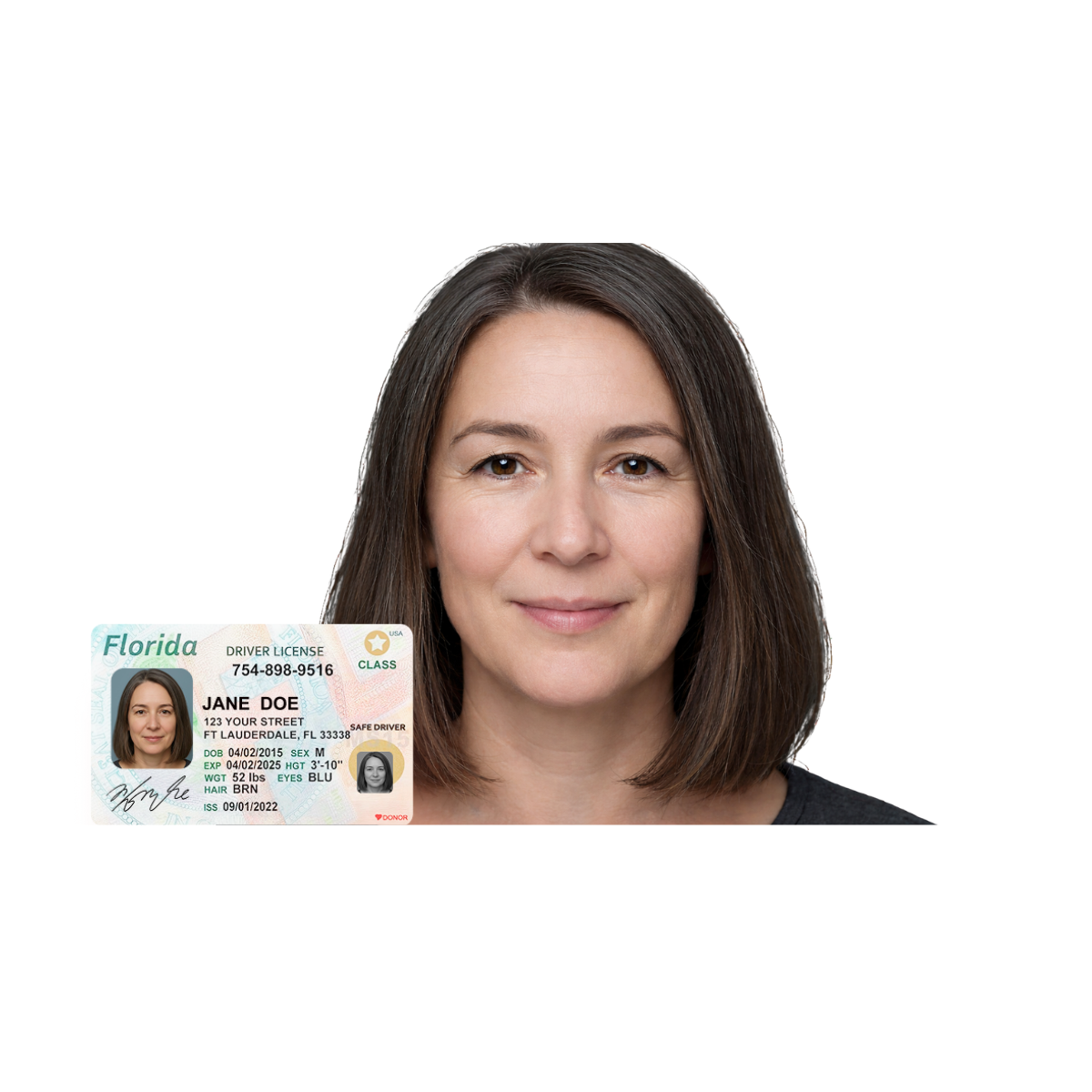
- See how IDVerify confirms applicant identity by embedding biometric identity verification directly into the screening workflow using government ID validation, AI-powered liveness detection, and biometric facial matching, which moves communities from document-based review to verified physical identity confirmation before approval.
- Standardize 55+ Communities Verification to handle age-restricted application requirements consistently across applications, reduce manual work, improve documentation consistency, and strengthen operational efficiency for Florida condos and HOAs.
- Lease Tracking connects resident onboarding, unit data, approvals, and lease documentation into one centralized, real-time, audit-ready workflow, replacing spreadsheets and scattered email chains with real-time lease status visibility, including active, pending, expired, or missing, from application to occupancy.
- Use TEpayments by Zinc for compliant collections, a connected payment workflow inside TenantEvaluation that collects application fees, deposits, and other required resident payments within the onboarding process. Payments go directly from the applicant to the association’s designated account, and TenantEvaluation never holds the funds.
TenantEvaluation has processed more than 100,000 applications annually across over 5,000 communities and has generated $150 million for associations. It operates as a direct reseller of TransUnion and Equifax data with built-in adverse action workflows and full audit trails on every application.
See how TenantEvaluation reduces denials in your portfolio — Florida associations are using automated workflows to prevent both board and lender-level blocks.
Frequently Asked Questions
What are the most common reasons a Florida condo board denies a buyer or tenant application?
The most common reasons for board-level denial in Florida are incomplete application packages, credit or income shortfalls, criminal history where the governing documents permit screening, prior evictions or association judgments, and violations of rental cap or waiting list provisions in the declaration. Boards derive their screening authority from the recorded declaration and bylaws under Florida Statute Chapter 718. Where the declaration does not grant approval rights, the board cannot create them by policy. Associations that standardize their intake process with itemized checklists and automated document review significantly reduce denial rates caused by incomplete submissions.
What financial thresholds trigger a project-level lender denial for Florida condos?
Fannie Mae and Freddie Mac apply several project-level thresholds that, when exceeded, render a building non-warrantable and block conventional financing for every unit. The primary triggers are assessment delinquency exceeding 15% of units that are 60 or more days past due, reserve funding below the thresholds described in item 1 above, single-entity ownership exceeding 20% of units in projects with 21 or more units, active litigation involving safety, structure, or habitability, and unfunded critical repairs exceeding $10,000 per unit needed within 12 months. As of August 3, 2026, Fannie Mae eliminated the limited or streamlined review process, requiring full project review on most transactions. Florida boards should monitor delinquency rates monthly and align reserve contributions with a current Structural Integrity Reserve Study to maintain financing eligibility.
How does Florida’s right of first refusal affect condo transaction timelines?
When a Florida condo declaration includes a right of first refusal, the seller must notify the association of the executed contract, and the association has a defined period, typically 15–60 days per governing document, to exercise or waive the right. The association must respond within the deadline specified in the governing documents. ROFR processes can extend closing timelines by one to three weeks once notice delivery, waiver drafting, and lender updates are factored in. Boards reduce ROFR-related delays by date-stamping submissions immediately, calendaring response deadlines, and maintaining audit-ready records of every transaction.
What distinguishes a board denial from a lender or project denial, and why does it matter?
A board denial is a decision made by the association based on the applicant’s individual qualifications, including credit, income, criminal history, documentation completeness, or governing document restrictions. A lender or project denial is triggered by the financial or physical condition of the building itself, not the individual borrower. Project denials affect every unit in the building simultaneously and cannot be resolved by the individual buyer or seller. The distinction matters because the prevention strategies differ: board denials are addressed through better screening workflows and documentation standards, while project denials require reserve funding discipline, delinquency management, insurance adequacy, and structural compliance at the association level.
How does TenantEvaluation help Florida associations prevent both types of condo denials?
TenantEvaluation addresses board-level denials by automating the application intake process with smart form logic that rejects incomplete submissions, biometric identity verification through IDVerify that confirms applicant identity before the application proceeds to review, and QuickApprove’s board-ready dashboard that gives board members real-time visibility and a structured voting workflow. For operational continuity, Lease Tracking connects onboarding, approvals, unit data, and lease documentation into one centralized, audit-ready workflow, eliminating the spreadsheets and scattered email chains that create compliance gaps. TEpayments by Zinc collects authorized fees and deposits within the onboarding process, with payments going directly to the association’s designated account. TenantEvaluation does not address project-level lender denials directly, which require reserve funding and structural compliance decisions at the board level, but its audit-ready records and centralized lease visibility support the operational discipline that keeps associations financially organized.
Conclusion: Turning Denial Risks into Repeatable Approvals
Florida condo application denials fall into two categories: board-level rejections tied to documentation, financial strength, and governing document restrictions, and project-level lender blocks tied to reserves, delinquency, litigation, and investor concentration thresholds. Both categories become manageable when boards adopt structured, documented processes. Boards that standardize intake workflows, apply screening criteria uniformly, and maintain audit-ready records reduce board-level denials. Associations that monitor reserve funding against Fannie Mae’s rising thresholds, track delinquency rates monthly, and resolve structural deficiencies proactively protect financing eligibility for every unit owner.
TenantEvaluation provides the operational infrastructure Florida CAMs and boards need to manage the board-level category with FCRA-compliant, automated workflows from application intake through lease tracking and payment collection inside one connected platform.
See how to accelerate approvals across your entire portfolio — TenantEvaluation helps Florida associations reduce denials, improve compliance readiness, and automate workflows from application to occupancy.
