Written by: Luis Teran, Co-founder, CEO, TenantEvaluation
Key Takeaways
- Florida condo approval processes often take 2-4 weeks because manual board review, document collection, and verification slow every step for buyers and realtors.
- Digital platforms shorten these timelines to roughly 5-10 days while keeping full compliance and board oversight through automated workflows and real-time tracking.
- Common delays come from incomplete applications, identity verification issues, financial red flags, and new 2026 regulatory requirements that increase documentation.
- Automated tools such as biometric identity verification and board-ready dashboards remove manual coordination and speed decisions across each approval phase.
- Community Association Managers can streamline condo approvals with TenantEvaluation’s all-in-one platform, and get started today.
Florida Condo Approval Timeline: Manual vs Digital
The condo approval process in Florida moves through several phases, and each one takes longer with manual workflows than with digital systems. Understanding these phases helps buyers, realtors, and Community Association Managers set realistic expectations and spot clear opportunities to move faster. The table below shows how digital platforms can cut total approval time by as much as 70 percent across each step.
| Approval Phase | Traditional Manual Process | Automated Digital Platform | Time Savings |
|---|---|---|---|
| Application Submission | 3-5 days | Same day | Up to 5 days |
| Document Review & Verification | 5-10 days | 1-2 days | Up to 8 days |
| Board Review & Voting | 7-14 days | 2-5 days | Up to 9 days |
| Final Notification & Processing | 2-3 days | 1 day | Up to 2 days |
| Total Timeline | 17-32 days | 5-10 days | Up to 70% reduction |
Application Submission Phase
The submission phase covers personal information, financial documentation, and required association forms. Manual processes rely on paper packets, physical delivery, and repeated follow-up when details are missing. Digital platforms use smart forms that block incomplete submissions and automated checks that confirm required documents before the application moves forward.
Identity Verification and Document Review
Traditional document review requires staff to manually verify identification, lease agreements, and financial records. Missing or incomplete documents in a condo or HOA approval application can reset the entire review process and extend the timeline. Modern platforms add biometric identity verification and automated document analysis, which speeds this phase and improves accuracy at the same time.
Board Review and Voting
Board review often becomes the slowest and least predictable phase in condo approvals. Condo and HOA associations in Florida vary widely in review speed, with some completing approvals in a few days while others require two to four weeks. Digital platforms give boards organized dashboards, concise applicant summaries, and simple voting tools that support faster, more consistent decisions.
How 2026 Florida Rules Affect Approval Timelines
Recent Florida legislation adds new steps that directly affect how long approvals take. According to Associa, increased documentation and reserve compliance requirements stemming from 2025-2026 Florida legislation can lengthen board review times unless condominium associations implement organized digital systems to centralize records and approvals. Under House Bill 913, community association manager licensees must create and maintain an online licensure account with the Florida DBPR, which adds administrative work to an already complex process. These regulatory changes layer on top of existing delay factors and make efficient systems even more critical.
Common Delays and Red Flags in the Condo Approval Process
Delay triggers usually follow clear patterns, and recognizing them early helps Community Association Managers and buyers prevent avoidable bottlenecks. The most frequent causes of extended timelines involve incomplete applications, communication gaps, and association-level risk factors that boards cannot ignore.
Incomplete Application Documentation
Many Florida condo and HOA applications require background checks, credit or financial information, lender approval letters, and sometimes a scheduled interview, all of which can add time to the approval process. Missing items send applications back to the start of the review cycle, which creates cascading delays for buyers and closing timelines.
Identity Fraud and Verification Challenges
Traditional document-based verification cannot reliably stop impersonation or synthetic identity fraud. Community Association Managers now face more stolen IDs and fraudulent applications, which demand time-consuming manual investigation, extend approval timelines, and increase liability exposure for the association.
Financial and Structural Red Flags
Several association-level conditions slow approvals and may lead to rejections. Common red flags that slow or block condo approval in Florida include insufficient reserves (as discussed in the regulatory requirements above), high delinquency rates, pending litigation, and significant single-entity ownership concentration.
2026 Reserve Study and Structural Requirements
New compliance rules add more documentation and review work for boards. Condominium and cooperative associations must complete a Structural Integrity Reserve Study and fully fund the SIRS-designated reserves, which owners generally cannot waive by vote. Associations without organized digital systems often struggle to assemble and present this information, which extends review timelines.
Red Flag Checklist for Condo Documents
Community Association Managers should watch for these warning signs during document review:
- Insufficient reserve funding
- High delinquency rates
- Pending litigation or unresolved legal disputes
- Insurance coverage gaps or claim history
- Significant single-entity ownership concentration
- Incomplete or outdated governing documents
Manually tracking these red flags across many applications creates heavy administrative work and raises the risk of missed issues. TenantEvaluation’s comprehensive screening automatically flags these warning signs during review, so managers and boards see problems early. See how automated red flag detection works in your approval workflow.
How Digital Platforms Accelerate Condo Approvals
Modern digital platforms reshape condo approvals through automated workflows, real-time tracking, and board-ready dashboards that keep everyone aligned. Companies implementing automated approval workflows with Digital Purchase Order have reduced approval cycles by as much as 70% compared to manual processes involving spreadsheets, email chains, and physical signatures.
Automated Workflow Benefits
Automated procurement approval systems accelerate processes through instant mobile push notifications, predefined approval routing based on purchase amount thresholds (such as over $5,000 requiring CFO sign-off), and real-time dashboards that eliminate status inquiry emails and surface bottlenecks early. The same approach applies to condo approvals, where automated routing, instant alerts, and centralized dashboards replace manual coordination and status chasing.
TenantEvaluation’s End-to-End Approval Platform
TenantEvaluation gives Community Association Managers a single platform that covers every approval step from submission through decision. The platform’s QuickApprove feature creates an accelerated workflow that moves applications from submission to decision faster, and replaces email chains and spreadsheets with a connected, board-ready process inside TenantEvaluation.

Biometric Identity Verification
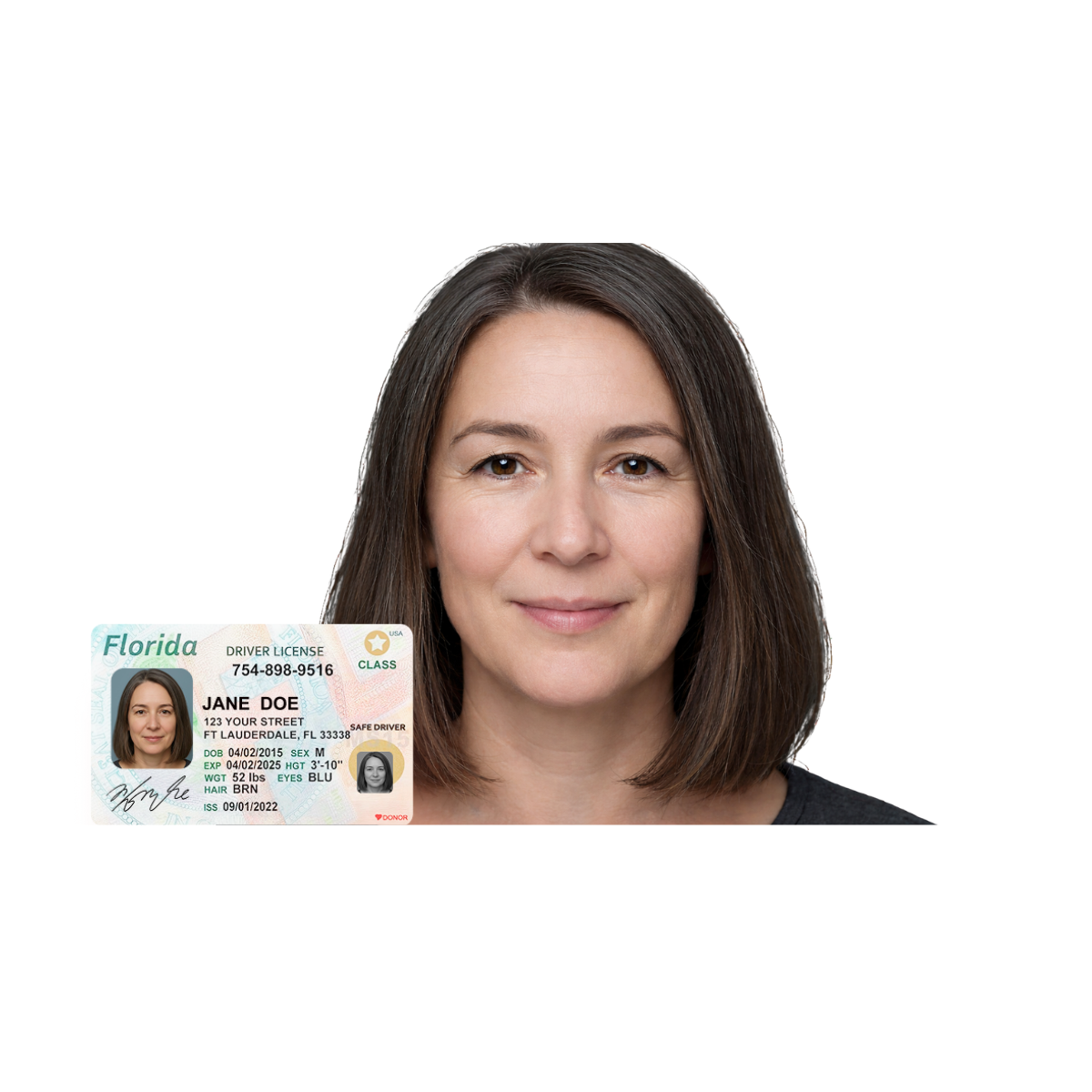
TenantEvaluation’s IDVerify feature brings biometric identity verification directly into the approval flow. This capability confirms physical presence and identity authenticity through AI-powered liveness detection, government ID authentication, and facial biometric comparison. Communities shift from document-only review to verified physical identity confirmation, which reduces fraud risk and speeds approvals.

Specialized 55+ Community Support
Age-restricted communities gain a standardized way to manage their unique requirements with TenantEvaluation’s 55+ Communities Verification. This feature reduces manual work, improves documentation consistency, and creates structured records that support internal controls and regulatory expectations.
Before and After: Results with TenantEvaluation
Community Association Managers using TenantEvaluation report meaningful time savings across all approval phases. Manual follow-ups drop by as much as 50 hours per day, which frees teams to focus on higher-value tasks such as owner communication and strategic planning. Board members gain real-time visibility into application status through dedicated dashboards, which removes long email threads and supports faster, more confident decisions.
Experience these time-saving features in action with a personalized walkthrough.
Frequently Asked Questions
How long does condo board approval take in Florida?
Condo board approval timelines in Florida vary based on whether associations use manual or digital processes, as shown in the comparison above. Factors such as application completeness, board meeting schedules, and internal procedures also affect timing. Associations that adopt automated workflows and board-ready dashboards move through review and voting much faster while still evaluating each applicant thoroughly.
What are the red flags in condo documents?
Key red flags in condo documents include insufficient reserve funding, high delinquency rates, pending litigation, inadequate insurance coverage, and significant single-entity ownership concentration. Financial instability, incomplete governing documents, and failure to meet new 2026 structural integrity requirements also signal potential approval delays or rejections. These issues can affect both individual buyer approvals and overall project financing eligibility.
How can associations reduce approval delays in 2026?
Associations reduce approval delays by using digital platforms that automate document collection, provide real-time application tracking, and offer board-ready dashboards for quicker decisions. Effective strategies include setting clear application requirements, maintaining organized digital records that align with 2026 website mandates, ensuring adequate reserve funding, and using biometric identity verification to prevent fraud-related delays. Automated workflows remove many manual follow-ups and send instant notifications that keep applications moving.
What is the difference between board approval and FHA project approval?
Board approval focuses on individual buyer qualifications such as credit, income, background checks, and community fit, and often takes several weeks with manual processes. FHA project approval evaluates the entire condominium project and generally takes up to 30 calendar days through the HUD Review and Approval Process. Board approval is required for each buyer, while FHA project approval covers the building as a whole and remains valid for two years. Both approvals may be required for FHA-financed purchases, and delays in either step can postpone closing.
Speed Up Your Next Condo Approval
Manual condo approval processes create avoidable delays, heavy administrative work, and missed opportunities for Florida buyers, realtors, and Community Association Managers. The traditional multiweek timeline drops significantly when associations adopt automated workflows, real-time tracking, and board-ready approval systems.
TenantEvaluation delivers faster, more transparent, and compliant onboarding through its comprehensive platform. With QuickApprove for accelerated workflows, IDVerify for biometric identity confirmation, and 55+ Communities Verification for age-restricted communities, the platform supports every part of the approval process while preserving full board control and regulatory compliance.
Practical Checklist for Faster Approvals
For buyers and realtors:
- Ensure all required documents are complete before submission
- Verify association approval requirements early in the process
- Check for association red flags that could delay approval
- Confirm FHA project approval status if using FHA financing
For Community Association Managers:
- Implement digital platforms to automate document collection
- Establish clear application requirements and timelines
- Provide boards with organized dashboards for faster decisions
- Use biometric verification to prevent identity fraud delays
- Maintain compliance with 2026 digital record requirements
Transform your condo approval process from a weeks-long bottleneck into a streamlined, efficient system. See how to achieve the time savings detailed above while maintaining full compliance and board oversight.
