Written by: Luis Teran, Co-founder, CEO, TenantEvaluation
Key Takeaways
- Automated background checks streamline resident screening for Florida CAMs by replacing manual processes with digital workflows that cut processing time from days to minutes.
- These systems strengthen FCRA compliance through built-in disclosures, adverse action workflows, and direct credit bureau relationships that reduce association liability.
- Biometric identity verification and AI-powered fraud detection help block identity fraud and synthetic identities that often bypass traditional screening methods.
- Board-ready dashboards and automated communication tools replace email chains and spreadsheet tracking, speeding approval decisions while preserving transparency and audit trails.
- Schedule a demo today to see how TenantEvaluation can deliver faster approvals and stronger compliance for your community’s screening process.
How Automated Background Checks Support Resident Screening
Automated background checks combine digital workflows, real-time data verification, and compliance controls in a single platform. Manual processes rely on paper applications and phone calls, while automated systems collect documents electronically, verify identities through biometric matching, and generate comprehensive reports within minutes instead of days.
For community associations, automated screening covers criminal background verification, credit analysis, income validation, and reference checks. TenantEvaluation’s SafeCheck+ solution delivers nationwide and global background checks, including criminal records, offenses registry, and FBI Most Wanted lists, while maintaining direct credit bureau reseller relationships with TransUnion and Equifax.
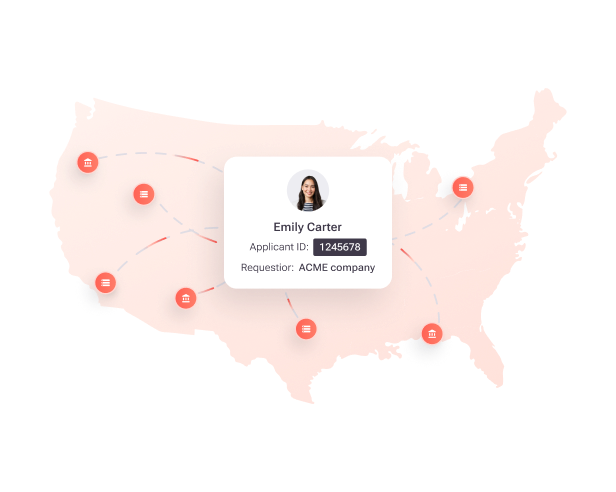
The platform’s QuickApprove workflow moves applications from submission to board decision faster by replacing email chains and spreadsheets with real-time tracking, automated communication, and board-ready approval dashboards. This structure removes common bottlenecks during peak application seasons or in communities with complex onboarding requirements.

Industry Landscape: Technology Trends Reshaping CAM Screening
The property management industry is adopting technology rapidly to cut costs and improve efficiency. MRI Software’s 2026 Multifamily Real Estate Pulse Check survey of over 700 professionals found that automation can reduce processing times by up to 70 percent while enabling 65 percent of multifamily companies to make more data-backed decisions by eliminating manual workflows.
Identity fraud now presents a growing threat to community associations. Security Magazine reports that one of the biggest weak spots in rushed or automated screening is identity verification, especially when applicants can upload their own documents with little oversight. This gap allows expired identification cards, improper paperwork, or forged documents to pass through.
Artificial intelligence adoption is accelerating across professional services. Thomson Reuters’ 2026 AI in Professional Services Report found organizational GenAI usage nearly doubled to 40 percent, and 87 percent of professionals expect GenAI to become central to their workflow within five years.
The shift toward automation reflects measurable returns on investment. Landlords using comprehensive tenant screening services report fewer serious lease violations compared to those using basic screening methods. Automated screening typically costs $40 to $50 per applicant, while a single eviction can cost $10,000.
How CAM Teams Use Automated Screening Day to Day
Automated background checks reshape daily operations by removing manual document collection, reducing follow-up communications, and speeding board review. CAMs can configure community-specific screening criteria, including credit score requirements, income thresholds, and document specifications, directly in the platform.
TenantEvaluation’s intelligent form logic adapts applications based on applicant responses and community requirements. The platform differentiates workflows for tenants, purchasers, and additional residents. The system automatically redacts sensitive personal information from uploaded documents and maintains PCI Level 1 compliance and end-to-end encryption.
The platform’s board voting panel gives directors AI-generated application summaries, timestamped audit trails, and streamlined approval workflows. This structure replaces email chains while preserving transparency and control over approval decisions. Real-time notifications keep all stakeholders informed throughout the process and reduce administrative burden on CAM teams.
For age-restricted communities, TenantEvaluation’s 55+ Communities Verification standardizes how Florida condos and HOAs handle age-restricted application requirements. This standardization reduces manual work and improves documentation consistency across applications.

Compliance, Risk, and Governance for Florida Associations
The Fair Credit Reporting Act (FCRA) governs the use of consumer reports, including background checks used for housing decisions. The law requires specific disclosures, authorization procedures, and adverse action notices when applications are denied based on screening results.
TenantEvaluation maintains direct credit bureau reseller relationships instead of relying on third-party data scraping. This approach helps protect associations from liability exposure. The platform includes automated adverse action workflows, strict permissible purpose controls, and built-in audit trails for every application.
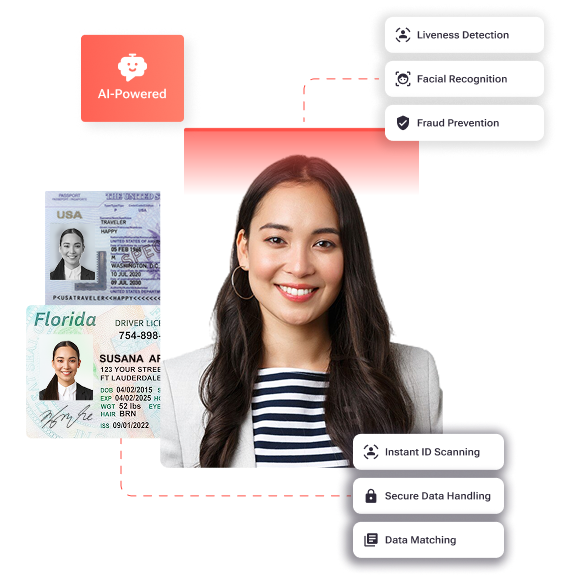
Biometric identity verification through IDVerify strengthens FCRA compliance by confirming applicant identity before screening authorization. AI verification platforms analyze government-issued IDs and match them against user biometrics to authenticate identities in real time. This process stops fraud before it enters the approval workflow.
The platform keeps decision-making responsibilities with the association and data provision with TenantEvaluation. This separation supports FCRA compliance while still giving boards comprehensive screening information for informed decisions.
Why Traditional Screening Creates Risk and Delays
Manual background check processes create multiple operational bottlenecks for CAM teams. Paper applications require physical document collection, manual data entry, and phone-based verification calls that consume significant staff time. Incomplete applications trigger repeated follow-up communications with applicants, realtors, and property owners.
Data security also becomes a major vulnerability in manual processes. Handling sensitive applicant information through email, fax, or physical storage creates potential breach exposure and compliance gaps. Traditional document review cannot reliably prevent identity fraud or synthetic identity schemes.
Board approval workflows often stall in email chains and spreadsheet tracking systems. These delays affect move-in timelines and revenue generation. Manual approval letter generation and welcome package preparation add more administrative work during peak application seasons.
Inconsistent documentation standards across applications create audit trail gaps and potential compliance issues. Without standardized workflows, communities struggle to maintain uniform screening criteria and defensible approval decisions.
Best Practices and New Standards for Automated Screening
Effective automated screening relies on standardized workflows that preserve board oversight while reducing processing times. Within these workflows, identity verification serves as the first checkpoint, so communities should implement biometric identity verification as a foundational fraud prevention layer instead of relying only on document uploads.
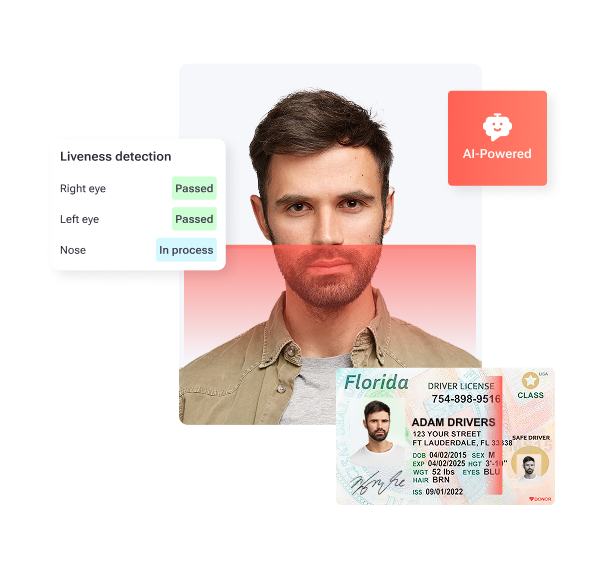
Fraud prevention experts recommend layering verified identity signals such as document verification, biometric matching, and device intelligence into existing detection frameworks. These layered controls provide stronger protection than static personal information checks alone.
Secure data handling protocols must include end-to-end encryption, automatic redaction of sensitive information, and role-based access controls. These security measures become even more critical when platforms maintain direct relationships with credit bureaus and background check providers instead of using third-party aggregators, because direct integrations handle more sensitive data but also provide better compliance protection.
Beyond security and data sourcing, board integration requires dedicated dashboards that provide real-time application visibility, summarized screening reports, and streamlined voting capabilities. Automated communication systems should keep all stakeholders informed while reducing manual follow-up work.
Schedule a demo today to explore how TenantEvaluation’s automated workflows can streamline your community’s screening process.
How to Evaluate Automated Background Check Solutions
Community associations should evaluate automated screening platforms based on compliance readiness, operational efficiency, and scalability. FCRA compliance must be foundational rather than an add-on feature, with direct credit bureau relationships and built-in adverse action workflows.
Operational efficiency metrics include processing time reduction, staff hour savings, and board workflow integration. Platforms should demonstrate measurable improvements in application cycle times while maintaining screening quality and compliance standards.
Fraud prevention capabilities should include biometric identity verification, document authentication, and real-time verification against authoritative records. Generic tenant screening tools often lack the specialized features required for community association workflows and board oversight requirements.
The following comparison shows how specialized platforms like TenantEvaluation deliver different outcomes than generic screening tools or manual processes across four critical dimensions.
| Feature | TenantEvaluation | Generic Screening Tools | Manual Processes |
|---|---|---|---|
| Processing Time | The 70 percent reduction noted earlier | Limited automation | 5 to 10 days typical |
| Board Dashboard | Dedicated voting panel | Not available | Email and spreadsheet tracking |
| FCRA Compliance | Built-in foundation | Basic compliance | Manual documentation |
| Revenue Model | Revenue sharing | Fixed subscription fees | Internal cost center |
Scalability considerations include the platform’s ability to handle peak application volumes, support multiple community profiles, and integrate with existing property management systems. Revenue generation potential through application fee collection and processing efficiency should help offset platform costs.
Frequently Asked Questions
Key red flags CAMs should watch for in Florida resident screenings
CAMs should monitor for identity verification inconsistencies, including mismatched personal information, expired or suspicious identification documents, and unusual application patterns. Financial red flags include insufficient income documentation, recent bankruptcies, or excessive debt-to-income ratios that exceed community guidelines. Criminal background concerns vary by community standards but often include recent felony convictions, violent offenses, or patterns of property-related violations. Previous rental history issues such as evictions, lease violations, or poor landlord references require careful evaluation. Employment verification discrepancies or gaps in employment history may also signal financial instability.
How AI improves background check accuracy for community associations
AI improves screening accuracy through automated document verification, biometric identity matching, and pattern recognition that highlights potential fraud indicators. Machine learning algorithms compare application data against historical patterns and flag anomalies that manual review might miss. Natural language processing extracts relevant information from court records, employment verification, and reference checks more consistently than human reviewers. AI-powered liveness detection prevents identity spoofing through uploaded photos, and facial recognition technology matches applicant selfies to government-issued identification. Automated cross-referencing validates information across multiple databases at once and reduces the risk of incomplete or inaccurate screening results.
Time savings CAM teams can expect from automated screening
Automated screening platforms can save CAM teams up to 50 hours daily by removing manual document collection, data entry, and follow-up communications. Processing times typically drop from 5 to 10 days to 5 to 10 minutes for complete applications. Administrative tasks such as application fee collection, document review, and board notification become automated workflows instead of manual processes. Staff can redirect time from routine screening tasks to higher-value work such as community management, resident relations, and strategic planning. These efficiency gains compound during peak application seasons when manual processes usually create the greatest bottlenecks.
Florida-specific requirements that affect automated background checks
Florida community associations must follow state condominium and HOA statutes that govern screening criteria and approval processes. The Florida Fair Housing Act provides additional protections beyond federal requirements and affects how associations can evaluate applications. Age-restricted communities must meet specific documentation requirements for 55+ verification that automated systems can standardize and track. Florida’s public records laws influence how screening information is stored and accessed by board members and management companies. Local ordinances in some municipalities may add screening requirements or restrictions that automated platforms must support through customizable workflows.
How automated systems support FCRA compliance for community associations
Automated platforms support FCRA compliance through built-in disclosure management, authorization tracking, and adverse action workflows. Direct credit bureau relationships help ensure data accuracy and proper permissible purpose documentation. Automated systems generate required notices, track consent timelines, and maintain audit trails for regulatory review. Role-based access controls limit screening information to authorized personnel while preserving applicant privacy rights. Platforms should include automated dispute resolution workflows and maintain clear separation between screening data provision and approval decision-making to protect associations from liability exposure.
Choosing the Right Platform for Your Community
Automated background checks mark a shift from manual processes toward efficient, compliant, and fraud-resistant screening workflows. This technology delivers measurable benefits such as shorter processing times, stronger compliance posture, and improved fraud prevention capabilities.
TenantEvaluation stands apart as the only platform built specifically for community associations with the compliance-first approach described above. The platform’s combination of automated workflows, biometric verification, board-ready dashboards, and revenue-sharing model addresses the specific needs of Florida CAMs and community associations.
With more than 5,000 communities served, over 100,000 applications processed annually, and $150 million generated for associations, TenantEvaluation has demonstrated the operational and financial benefits of specialized automated screening. The platform’s 4.8 out of 5 Google rating reflects consistent satisfaction among CAMs, boards, and applicants.
Schedule a demo today to discover how TenantEvaluation can transform your community’s resident screening process while reducing administrative burden and generating revenue for your association.
