Written by: Luis Teran, Co-founder, CEO, TenantEvaluation
Key Takeaways for Florida Community Associations
- Florida HOAs and condominiums face delays and compliance risk when resident applications arrive incomplete. Standardized documentation and FCRA-compliant screening reduce these issues.
- Clear application requirements for formal applications, background checks, financial documentation, and insurance verification help boards avoid selective enforcement claims and keep decisions consistent.
- Age-restricted 55+ communities must follow specific HUD guidelines for verification, including age documentation and consistent policy application for every applicant.
- Digital platforms such as TenantEvaluation streamline board approval workflows, cut processing timelines by up to 70%, and provide real-time lease tracking with full audit trails.
- Modernize your Florida association’s application process with TenantEvaluation and use automated, compliant workflows instead of manual tracking.
The Problem: Manual Resident Screening Slows Florida Communities
Manual, paper-based application processes create significant costs for Florida HOAs and condominiums. Incomplete applications or mismatched information are common causes of delay or rejection in Florida community association approvals. These delays directly affect closing timelines and create extra work for CAMs who must follow up repeatedly with applicants, realtors, and owners.
Florida’s governing documents, age-restricted community rules, and FCRA requirements add more complexity to every approval. Uneven application of background, credit, or identity standards during resident screening can expose boards to selective-enforcement claims, because Florida courts review whether rules are applied neutrally when similar situations receive different treatment.
The costs of incomplete submissions extend beyond administrative time. Lengthy approval cycles can cause lost revenue opportunities, increase compliance exposure, and frustrate applicants who may withdraw from the process entirely.
The Solution: TenantEvaluation for Florida HOAs and Condos
Florida community associations need a systematic approach that standardizes documentation requirements and automates compliance checks. TenantEvaluation provides a purpose-built solution for Florida community associations that removes manual processes and standardizes resident onboarding. The platform features QuickApprove for accelerated board-ready approvals, IDVerify for biometric identity verification, 55+ Communities Verification for age-restricted properties, and Lease Tracking for real-time occupancy visibility.

TenantEvaluation is built specifically for Community Association Managers with FCRA compliance as the foundation. The system automates document collection, background screening, and board approval workflows while maintaining full audit trails. The platform processes over 100,000 applications annually across 5,000+ Florida communities, generating $150M in revenue for associations.
Schedule a demo today to see how TenantEvaluation replaces spreadsheets and email chains with a connected, compliant approval workflow.
Florida HOA and Condo Resident Application Checklist for 2026
Florida community associations must collect specific documentation and follow statutory guidelines when processing resident applications. This checklist outlines core requirements for both HOAs and condominium associations:
- Formal Application: Complete resident application form with personal information, contact details, and emergency contacts.
- Background Check Authorization: Signed consent forms for criminal background screening and credit checks.
- Financial Documentation: Income verification, employment letters, bank statements, or financial references.
- Government-Issued Identification: Valid driver’s license, passport, or state ID for identity verification.
- Application Fees: Payment of required screening and processing fees as authorized by governing documents.
- Lease Documentation: Executed lease agreement for rental applications or purchase contract for ownership transfers.
- Insurance Verification: Proof of required liability or property insurance coverage.
- Pet Documentation: Pet registration, vaccination records, and liability insurance when applicable.
- Vehicle Registration: Documentation for parking assignments and community access.
- Emergency Contact Information: Local emergency contacts and next-of-kin details.
Core Documents and FCRA-Compliant Background Screening
Florida community associations require comprehensive documentation to evaluate resident applications effectively. Florida condo and HOA buyer approval packages commonly require a formal application, background checks, credit or financial information, application fees, lender approval letters, and in some cases a brief interview with the association.
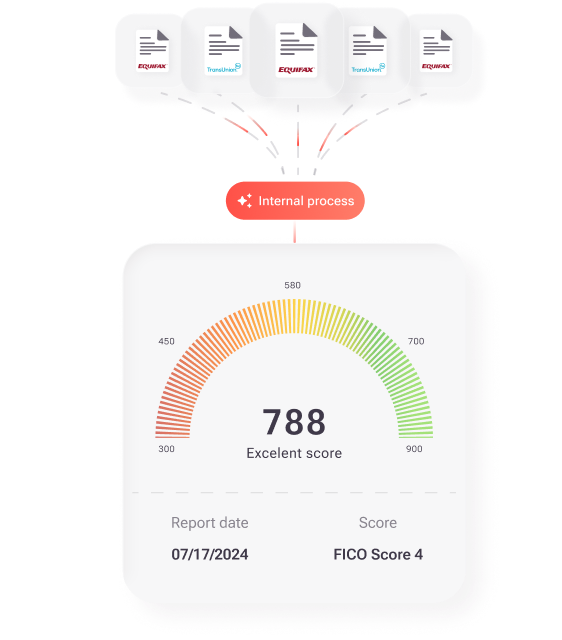
FCRA-compliant background screening must include proper authorization forms and adverse action procedures. To support these compliance requirements, TenantEvaluation maintains direct credit bureau reseller relationships with TransUnion and Equifax, so data is accessed under strict bureau rules rather than third-party scraping methods.
Self-Managed vs. Professionally Managed Communities:
- Self-Managed: Board members typically review applications directly, which requires clear documentation and standardized approval criteria.
- Professionally Managed: CAMs handle initial screening and present board-ready recommendations with supporting documentation.
- Both Types: Must maintain consistent application standards to avoid selective enforcement claims under Florida law.
55+ Community Age Verification and HUD Compliance
Age-restricted communities in Florida must demonstrate intent to operate as housing for persons 55 years of age or older. HUD evaluates intent based on factors including the manner in which the community is described to prospective residents, advertising, lease provisions, written rules and covenants, consistent application of procedures, actual practices, and public postings.
TenantEvaluation’s 55+ Communities Verification helps Florida condos and HOAs standardize how age-restricted requirements are handled across applications. By automating the collection and verification of age documentation, this built-in capability reduces manual work and improves documentation consistency. These standardized records strengthen operational efficiency and create audit-ready documentation for internal control, while still preserving the need for legal guidance on complex cases.
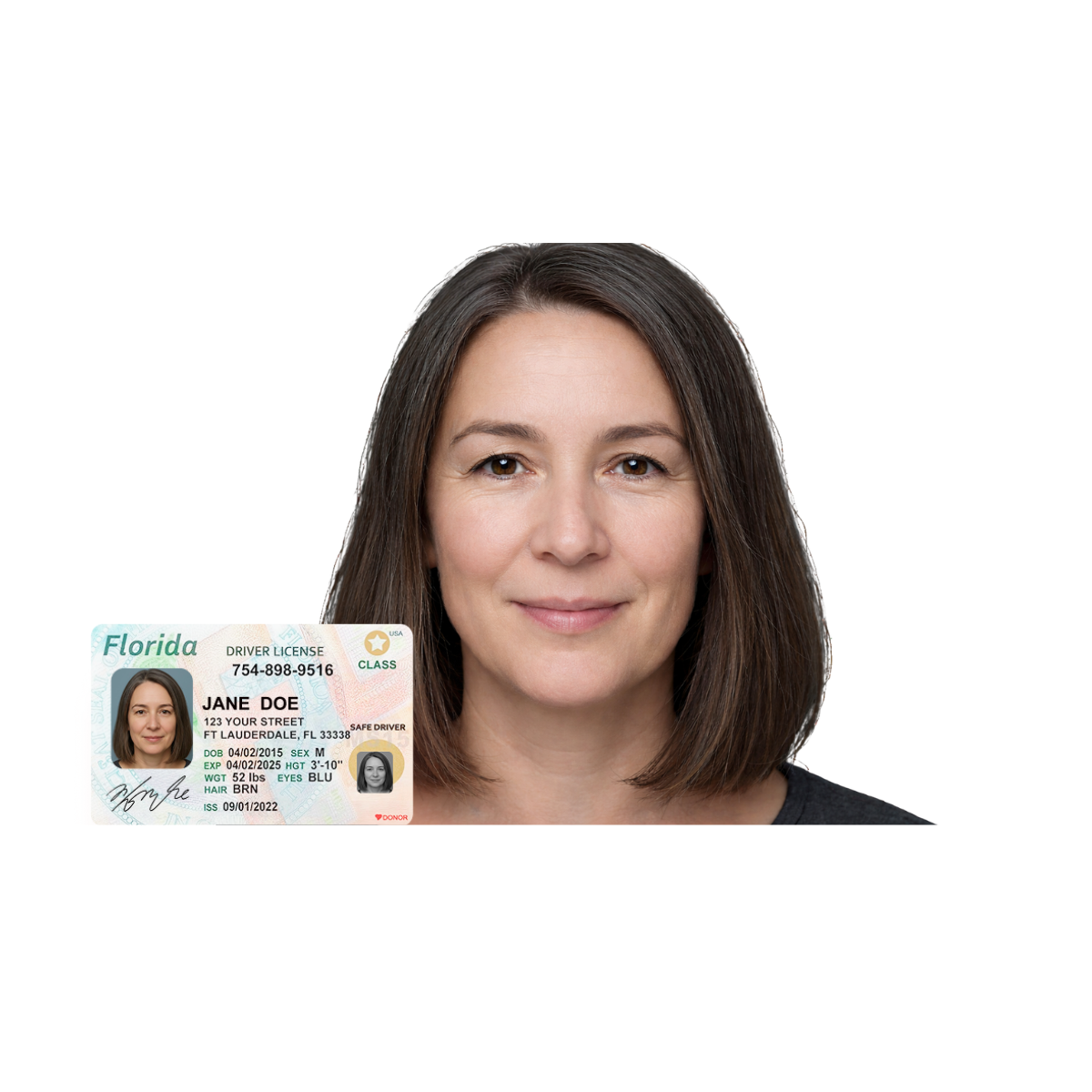
Key verification elements include age documentation for all residents, spouse or caregiver exception tracking, and consistent application of community policies across every applicant.
Lease Tracking and Occupancy Visibility for Florida Communities
Effective lease management requires real-time visibility from application submission through occupancy. Many Florida community associations struggle with missing lease copies, manual expiration tracking, and disconnected spreadsheets that create operational blind spots.
TenantEvaluation’s Lease Tracking connects resident onboarding, unit data, approvals, and lease documentation into one streamlined, audit-ready workflow. The system provides real-time lease status visibility, automated lease document collection, and searchable digital records that replace scattered email chains.
This centralized approach eliminates the common problem of tracking lease terms, lease frequency, and rule adoption dates accurately for Florida HOAs that manage rental restrictions and grandfather protections.
Board Approval Workflow and Decision Transparency with QuickApprove
Once lease documentation is collected and tracked, the next critical step is moving applications through board review efficiently. QuickApprove provides TenantEvaluation’s accelerated approval workflow that moves resident applications from submission to decision faster without losing control, compliance, or visibility. The system features a board-ready dashboard with real-time application tracking, summarized applicant reports, and a dedicated voting panel for approvals.

Board members gain direct access to application status, automated communication support, and customized approval letters within a single connected platform. This structure removes email chains and spreadsheets while preserving full oversight of the approval process.
The workflow includes automated notifications, personalized welcome packages, and fewer manual follow-ups. These tools keep applications moving during peak seasons or in communities with complex onboarding requirements.
Common Reasons Florida Associations Reject Applications
Issues discovered during background checks, failure to meet community credit or income requirements, and incomplete submissions are frequent reasons Florida associations reject resident or buyer applications. As noted earlier, incomplete submissions remain a primary rejection trigger, and they compound delays for boards and managers.
Top rejection triggers include:
- Incomplete Paperwork: Missing documents, unsigned forms, or incomplete application sections.
- Background Issues: Criminal history, credit score below community standards, or negative rental history.
- Financial Qualification: Insufficient income, employment verification problems, or debt-to-income ratio concerns.
- Mismatched Information: Inconsistencies between application data and supporting documentation.
- Insurance Deficiencies: Inadequate liability coverage or failure to name the association as additional insured.
- Pet Policy Violations: Unauthorized pets, missing vaccination records, or breed restrictions.
Associations can avoid many delays when applicants submit complete packages, provide accurate information, and respond quickly to requests for additional documentation.
Application Fees and Typical Approval Timelines
Florida condominium associations may charge a transfer or screening approval fee of up to $100 per applicant when the authority to approve the transfer and collect the fee appears in the declaration, articles, or bylaws. Homeowners associations in Florida may charge a tenant screening fee if authorized in the governing documents, with no statutory cap, as long as the amount remains reasonable.
Florida associations typically take anywhere from a few days to two to four weeks to issue approvals. Digital workflows through TenantEvaluation can reduce these timelines by up to 70% while maintaining compliance and board oversight.
Additional fees may include security deposits capped at one month’s rent for condominiums, move-in fees, and transfer fees as authorized by governing documents.
Conclusion: Modernizing Resident Onboarding in Florida
Manual resident application processes create unnecessary delays, compliance risks, and administrative burden for Florida community associations. TenantEvaluation’s purpose-built platform addresses these challenges through automated workflows, FCRA-compliant screening, and integrated board approval processes.
With a proven track record across thousands of Florida communities, TenantEvaluation provides a definitive solution for HOAs and condominiums that want to modernize resident onboarding. The platform’s specialized features, including QuickApprove, IDVerify, 55+ Communities Verification, and Lease Tracking, address the unique needs of community associations while maintaining full compliance and control.
Start modernizing your approval process today and schedule a demo to see TenantEvaluation in action for your community.
Frequently Asked Questions
What is the difference between a CAM license and resident application requirements?
CAM licensing requirements apply to Community Association Managers seeking professional licensure in Florida, including background checks, education, and continuing education requirements. Resident application requirements are the documents, fees, and screening criteria that community associations use to evaluate prospective residents or buyers. These are completely separate processes. CAM licensing governs the qualifications of property managers, while resident applications govern who can live in or purchase property within a community association.
What documents are required for a Florida HOA or condo resident application in 2026?
Florida community associations typically require a formal application, government-issued identification, background check authorization, financial documentation such as income verification and bank statements, an executed lease or purchase contract, insurance verification, and payment of application fees. Additional requirements may include pet documentation, vehicle registration, and emergency contact information. Specific requirements vary by community based on governing documents, but these core elements appear in most Florida HOA and condominium applications.
How does the 5-year rule affect rental restrictions in Florida HOAs?
Florida Statute 720.306(1)(h), effective July 2021, generally provides grandfathering protection for existing HOA owners from new rental restrictions, except for amendments limiting rentals to terms of less than six months or more than three times per calendar year, which apply to all owners. Owners who purchased before a rental restriction amendment and did not consent to it are generally protected from the new rules. This framework creates complexity in lease tracking because associations must track amendment timing, ownership dates, and grandfather status for each property.
How do self-managed and professionally managed communities differ in the approval process?
Self-managed communities typically have board members review applications directly, which requires clear documentation and standardized approval criteria to support consistent decision-making. Professionally managed communities have CAMs handle initial screening and present board-ready recommendations with supporting documentation, which streamlines the board’s review process. Both types must maintain consistent application standards to avoid selective enforcement claims under Florida law, but professionally managed communities often use more structured workflows and dedicated staff to handle the administrative aspects of resident screening.
What are the statutory fee limits for Florida community association applications?
Florida condominium associations may charge a transfer or screening approval fee of up to $100 per applicant, with husband and wife or parent and dependent child treated as one applicant, when the authority to approve the transfer and collect the fee is provided in the declaration, articles, or bylaws. Homeowners associations have no statutory cap on tenant screening fees but must keep fees reasonable and have authorization in their governing documents. Additional fees may include security deposits capped at one month’s rent for condominiums, move-in fees, and transfer fees as specified in the community’s governing documents.
