Written by: Luis Teran, Co-founder, CEO, TenantEvaluation
Key Takeaways
- Florida 55+ communities must follow the HOPA 80/20 rule, with at least 80% of occupied units having one resident aged 55 or older.
- Core age verification documents include driver’s licenses, birth certificates, passports, and affidavits that support audit-ready records.
- Standardizing applications uses a 7-step process: define criteria, create uniform forms, automate collection, add checkpoints, deploy dashboards, build audit trails, and track analytics.
- Automation, biometric verification, and centralized portals resolve common issues such as incomplete applications, manual bottlenecks, and fraud risk.
- TenantEvaluation’s 55+ Verification platform streamlines Florida HOA processes, and you can see it in a live demo to improve compliance and efficiency.
Florida 55+ Rules Community Managers Need To Know
Under the Housing for Older Persons Act (HOPA), Florida 55+ communities qualify if at least 80% of the occupied units have at least one person 55 years of age or older. This federal framework creates an exemption from Fair Housing Act familial status protections and allows age-restricted housing operations.
How the 80/20 Rule Works in Practice
Florida Statutes §760.29(4)(b)3.a states that, for housing intended and operated for occupancy by persons 55 years of age or older, at least 80 percent of the occupied units must be occupied by at least one person 55 years of age or older. Up to 20% of units may house residents younger than 55 or families with children. Some communities choose stricter 100% rules, but the 80/20 standard gives boards and CAMs more flexibility.
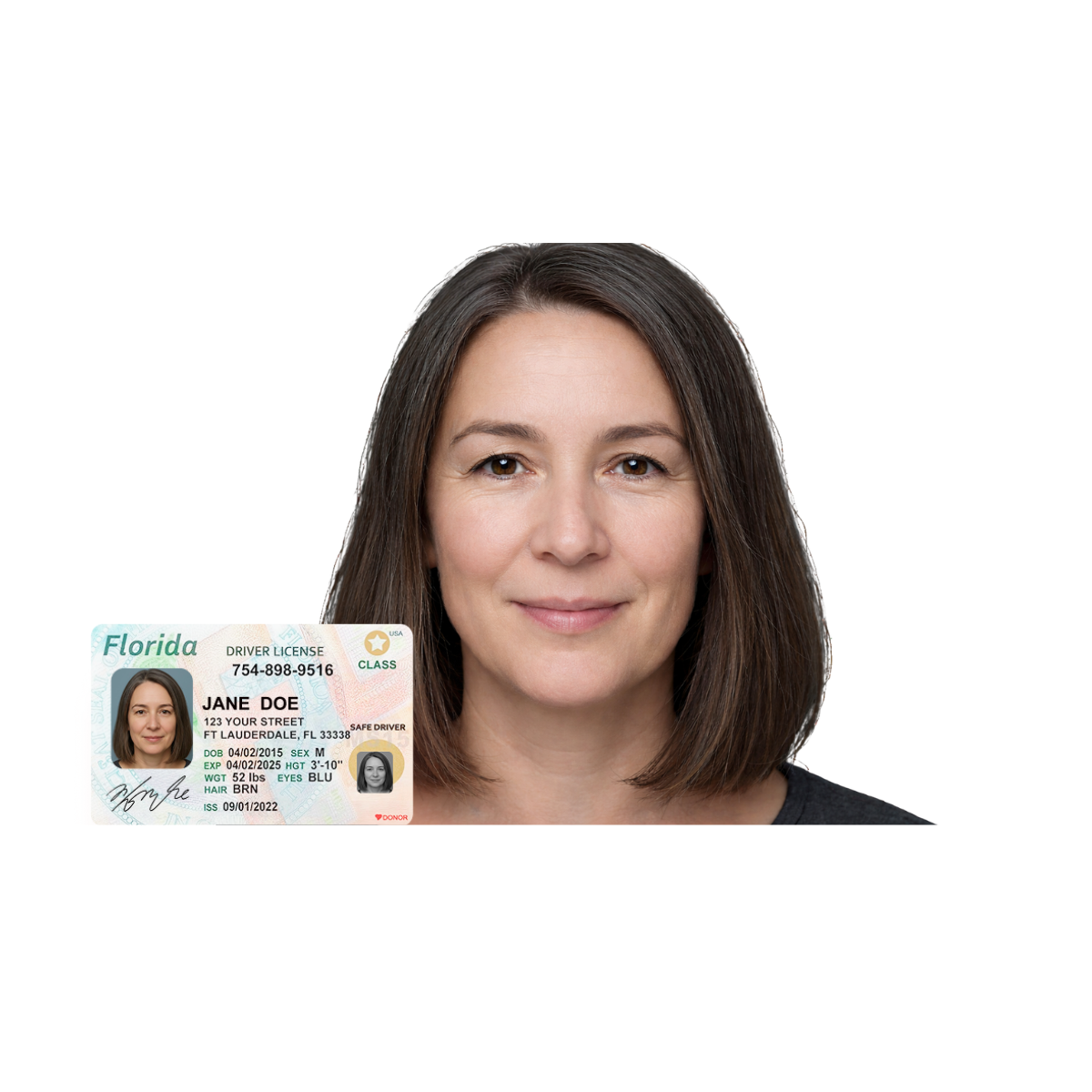
Required Age Verification Documents for Florida 55+ Housing
Age verification for 55+ communities relies on accurate surveys and affidavits and may include government-issued documents such as a driver’s license, birth certificate, passport, or other official documents with a date of birth. Communities must keep audit-ready documentation so they can prove HOPA exemption status during reviews or complaints.

The comparison below shows how a standardized digital process improves speed, accuracy, and recordkeeping compared with manual handling.
| Aspect | Manual Process | Standardized Process |
|---|---|---|
| Processing Time | 5-10 days | 5-10 minutes |
| Error Risk | High (incomplete docs) | Low (automated validation) |
| Audit Trail | Fragmented emails/PDFs | Centralized digital records |
See how TenantEvaluation’s custom setups work in a guided demo and remove manual document handling while staying aligned with Florida requirements.
How to Standardize Your 55+ Process in Florida (2026 Guide)
Meeting these compliance requirements efficiently means moving away from scattered email workflows and paper files. Follow this 7-step framework to turn fragmented processes into a single, consistent system.
- Define Clear Criteria: Set your 80/20 occupancy rules and list which age verification documents your community accepts.
- Create Uniform Forms: Build standardized application templates that collect the same data for every applicant.
- Automate Document Collection: Use a secure digital platform for document upload, storage, and basic validation.
- Implement Verification Checkpoints: Add automated age verification steps that confirm government IDs and dates of birth.
- Deploy Board Review Dashboard: Give board members real-time visibility into application status and supporting documents.
- Establish Audit Trails: Keep complete records that support bi-annual surveys and ongoing compliance checks.
- Monitor Ongoing Analytics: Track occupancy ratios, processing times, and demographic trends to guide planning.
Manual processes that depend on emails and PDFs slow approvals, create inconsistent decisions, and increase compliance risk. TenantEvaluation’s 55+ Communities Verification reduces manual work, standardizes application handling, and supports documentation consistency across 5,000+ communities. The platform is built for Florida condos and HOAs and strengthens internal controls while improving day-to-day efficiency.
Explore QuickApprove to streamline board review workflows and cut approval delays.

Common Challenges & Solutions in 55+ Applications
Before rolling out a new framework, CAMs benefit from seeing which problems it solves first. Florida CAMs face recurring operational pain points that standardized workflows address directly.
- Incomplete Applications: Missing age verification documents delay approvals and create constant follow-up work.
- Manual Review Bottlenecks: Paper files and email attachments consume staff time and slow decisions.
- Identity Fraud Exposure: Simple document uploads without biometric checks increase the chance of misrepresentation.
- Inconsistent Communication: Long email threads and phone calls scatter information across multiple channels.
Implementation checklist for addressing these challenges:
- Deploy automated notification systems for missing documentation, which removes the manual follow-up burden from staff.
- Integrate biometric identity verification for fraud prevention, adding a security layer to the document collection process.
- Establish centralized communication portals to replace fragmented email chains and keep all parties aligned.
- Create standardized approval workflows that connect these components into one consistent review system.
TenantEvaluation addresses these pain points through comprehensive automation. The platform’s IDVerify feature provides FCRA-compliant biometric verification and supports high-volume processing, with 100,000+ applications handled annually and $150M generated for communities.
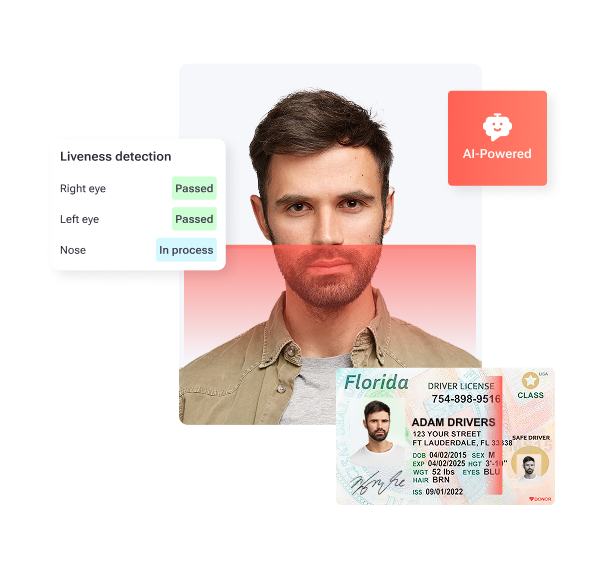
The comparison below shows how TenantEvaluation’s specialized features differ from general-purpose screening and property management tools.
| Feature | TenantEvaluation | ApplyCheck | Verify Screening | AppFolio |
|---|---|---|---|---|
| End-to-End Automation | Yes | Limited | Limited | Partial |
| Board Dashboard | Yes | No | No | Basic |
| FL 55+ Specialization | Yes | No | No | No |
| Revenue Sharing | Yes | No | No | No |
One Florida management company achieved $240,000 in annual savings by switching to TenantEvaluation, freeing 50 hours each day for higher-value work. Request a demo to see how your communities can reach similar efficiency gains.
Implementation Best Practices & 2026 Updates
Effective 55+ standardization depends on coordinated rollout across every stakeholder group, starting with the teams that use the system daily.
- Train Property Management Teams: Ensure CAMs understand new workflows and compliance rules, since they manage day-to-day application processing.
- Educate Board Members: Provide dashboard training so board members can review applications quickly with clear, consistent data.
- Integrate Biometric Verification: Add fraud prevention tools to strengthen identity confirmation once human workflows are in place.
- Monitor Performance Analytics: Track processing times, approval rates, and occupancy compliance to measure the impact of these changes.
The regulatory landscape remains stable for 2026. Current HOPA compliance standards apply without new state-level mandates.
TenantEvaluation differentiates through specialized Florida focus and comprehensive automation, with the proven scale mentioned earlier. The platform’s specialized features reduce administrative burden for CAMs and boards while maintaining the documentation standards required for compliance.
Transform your 55+ application process with a personalized platform walkthrough and see how a Florida-focused system supports your team.
Standardized 55+ community applications replace operational chaos with predictable, compliant workflows. Manual processes create avoidable risk and heavy administrative workloads that modern platforms can remove. Switch to TenantEvaluation for standardized 55+ processes that eliminate administrative bottlenecks and strengthen operational control.
Begin your transformation with a tailored consultation and align your communities with Florida’s 55+ requirements.
Frequently Asked Questions
What is the 80/20 rule for Florida 55+ communities?
The 80/20 rule requires at least 80% of occupied units to have at least one resident aged 55 or older, while up to 20% of units may house younger residents or families with children. This federal standard under HOPA gives communities operational flexibility while preserving age-restricted status. Communities must keep documentation that proves compliance through resident surveys and age verification records.
What documents are required for 55+ community verification in Florida?
Essential verification documents include government-issued driver’s licenses, birth certificates, passports, or third-party affidavits that confirm age. Communities should set clear age verification procedures and maintain audit-ready documentation to protect their HOPA exemption status. Additional documents may include lease agreements, financial qualification records, and community rule acknowledgments, depending on association policies.
Are there new 55+ community rules in Florida for 2026?
The regulatory environment for 55+ communities in Florida remains stable for 2026. Current HOPA compliance standards stay in effect, and communities continue to follow federal guidelines for age verification, occupancy ratios, and documentation requirements.
How can Florida CAMs standardize their 55+ application workflows?
Standardization uses seven key steps: define clear criteria, create uniform forms, automate document collection, implement verification checkpoints, deploy board review dashboards, establish audit trails, and monitor ongoing analytics. Digital platforms replace manual email and PDF processes while keeping documentation consistent and compliant. Automated workflows cut processing time from days to minutes and improve accuracy while reducing administrative burden.
What is the best platform for 55+ community verification in Florida?
TenantEvaluation’s 55+ Communities Verification provides comprehensive standardization designed for Florida condos and HOAs. The platform reduces manual work, standardizes application handling, supports documentation consistency, and improves operational efficiency across thousands of communities. Built-in features include automated age verification, board dashboards, audit trails, and FCRA-compliant background screening, giving Community Association Managers a focused solution for streamlined 55+ processes.
