Written by: Luis Teran, Co-founder, CEO, TenantEvaluation
Key Takeaways
- Manual age verification in Florida 55+ condos creates administrative chaos and compliance risks under HOPA’s 80/20 rule.
- Following a 7-step standardized process can cut administrative work by up to 70% and keep records audit ready.
- Core steps include reviewing governing documents, defining document standards, digitizing collection, and automating verification.
- TenantEvaluation’s 55+ Communities Verification offers Florida HOAs tools such as IDVerify and the QuickApprove dashboard.
- Put these strategies into practice with TenantEvaluation by scheduling a demo to streamline your age verification process.
How HOPA and the 80/20 Rule Shape Florida 55+ Condo Compliance
The Housing for Older Persons Act sets the framework for age-restricted communities in Florida. HOPA-compliant 55+ communities maintain published policies, verify occupancy, and meet the 80 percent occupancy test to lawfully operate as age-restricted housing. The 80/20 rule requires that 80% of occupied residences include at least one person aged 55 or older, while the remaining 20% may house younger residents under specific circumstances.
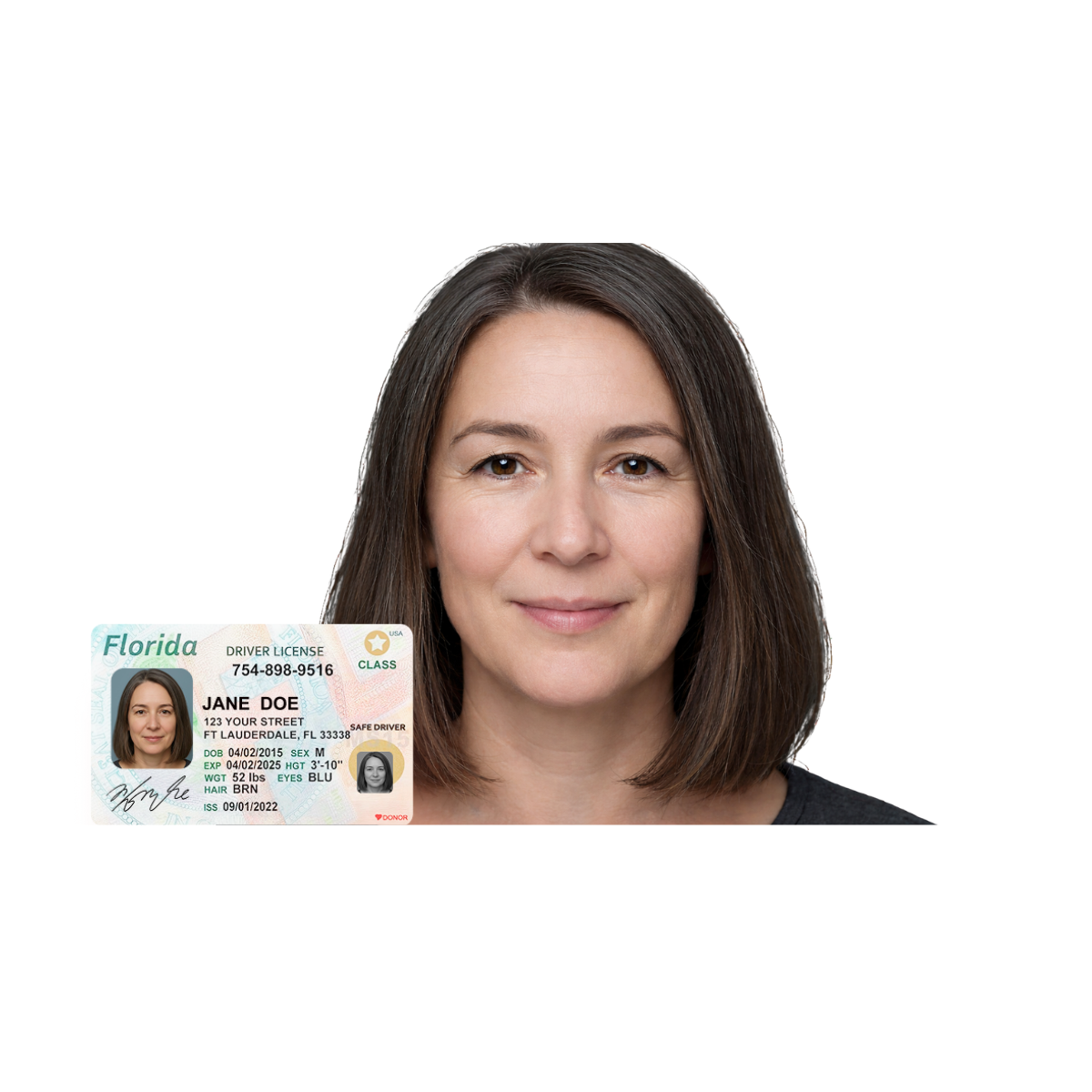
55+ community status under HOPA is not automatic and must be maintained through documentation, verification processes, and organization of age verification records. Recent legislative updates show stability in requirements, and Doug Jenkins notes in Condominium Associates’ 2026 Legislative Update that the 2026 session did not introduce major new requirements, reflecting a pause after several years of significant legislative change.
The contrast between manual and standardized processes becomes clear when you compare how common document types are collected and verified.
| Document Type | Manual Process | Standardized Process |
|---|---|---|
| Government IDs/Driver’s Licenses | Email attachments, inconsistent formats | Automated collection via TenantEvaluation platform |
| Birth Certificates/Affidavits | Physical copies, manual verification | Digital upload with automated validation |
| Proof of Residency | Scattered documentation methods | Structured collection with compliance tracking |
See how TenantEvaluation eliminates documentation inconsistencies in your age verification process.
Operational Pitfalls of Manual Age Verification in Florida Condos
Manual age verification creates operational challenges that weaken both efficiency and compliance. Email-based document collection often results in incomplete submissions, missing required forms, and inconsistent formatting that slows approvals. CAMs then spend excessive time following up with applicants, realtors, and owners to gather the correct documentation.
Audit risks also increase with manual processes. Scattered documentation across email threads, physical files, and different storage systems makes it difficult to show consistent compliance during reviews. The absence of standardized procedures leaves communities exposed to fair housing complaints and regulatory scrutiny.
| Challenge | Impact | Standardized Fix | Benefit |
|---|---|---|---|
| Email Documentation Chaos | 50+ hours daily lost to follow-ups | Automated digital collection | 70% time savings |
| Incomplete Document Submissions | Processing delays, compliance gaps | Smart form validation | Consistent documentation |
| Audit Trail Gaps | Regulatory exposure, liability risks | Automated record keeping | Audit-ready compliance |
| Manual Verification Time | Administrative burden on CAMs | Streamlined workflows | Improved operational efficiency |
Transform these manual challenges into streamlined operations with a standardized system.
7 Practical Steps to Standardize Your Condo Age Verification Process
Step 1: Review Governing Documents and Community Rules
Start by reviewing your community’s governing documents, bylaws, and established policies regarding age restrictions. As you review, document the specific requirements for age verification, including acceptable identification, residency proof, and any community-specific procedures. This documented foundation keeps your standardized process aligned with legal frameworks and community standards.
Step 2: Define Required Documentation Standards
Set a clear checklist of required documents for age verification. Standard requirements often include government-issued photo identification, birth certificates or age affidavits, and proof of residency documentation. Create specific guidelines for document quality, format, and acceptable alternatives so every application follows the same expectations.
| Document Category | Primary Options | Alternative Acceptable Forms |
|---|---|---|
| Age Verification | Birth certificate, driver’s license | Passport, state ID, age affidavit |
| Identity Confirmation | Government-issued photo ID | Passport, military ID, state ID |
| Residency Proof | Lease agreement, deed | Utility bills, bank statements |
Step 3: Create Standardized Forms and Templates
Use standardized application forms that capture all required information in a consistent way. Include clear instructions for document submission, age verification requirements, and any community-specific policies. Build templates for common scenarios such as married couples with different ages, adult children, and temporary residents so staff handle each case consistently.
Step 4: Digitize Collection with TenantEvaluation’s All-in-One Platform
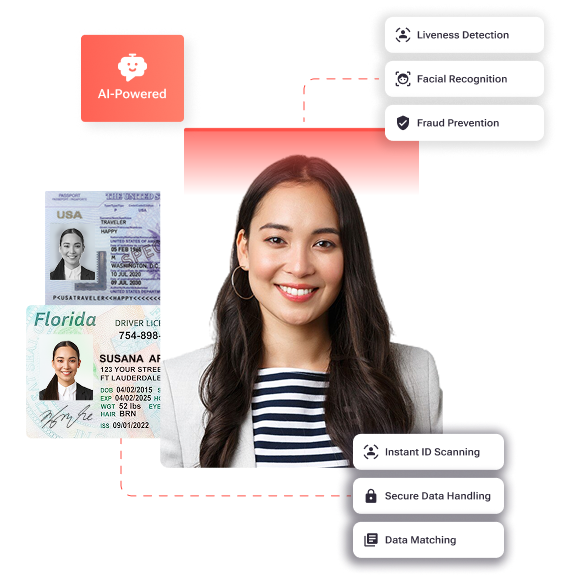
TenantEvaluation’s platform replaces manual document collection chaos with a centralized digital system designed for Florida condos and HOAs. The 55+ Communities Verification feature reduces manual work and standardizes application handling across all age-restricted requirements. Community Association Managers gain a structured workflow that improves efficiency and strengthens internal processes.
The platform supports documentation consistency by guiding all applicants through the same structured steps and removing the variability of email-based submissions. IDVerify adds an additional layer of identity verification that reinforces the age verification process.
Step 5: Automate Verification with 55+ Communities Verification
Once documents are collected digitally, the next step focuses on automating how those documents are verified. TenantEvaluation’s 55+ Communities Verification automates the verification workflow, which reduces the administrative burden on CAMs while maintaining compliance standards. The system has proven scalability for Florida associations and supports high application volumes.
This automation reduces manual work by up to 70%, which allows staff to shift attention to higher-value community management tasks. The verification system also standardizes application handling by enforcing consistent documentation requirements and processing procedures across all applicants.
Step 6: Implement Board Review via QuickApprove Dashboard
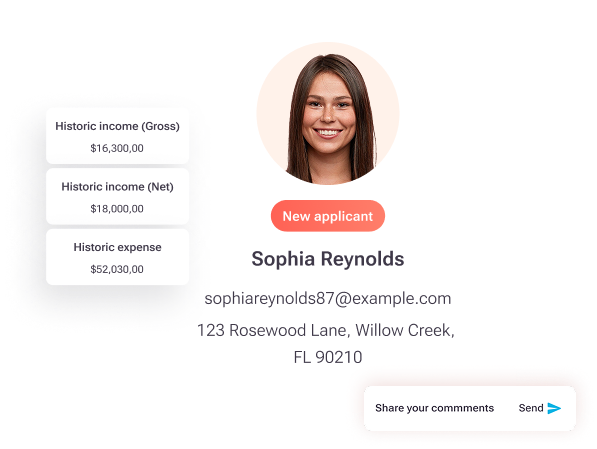
Board decision-making becomes faster and more transparent with QuickApprove, a dashboard that gives board members direct access to application reviews and voting tools. This system replaces long email chains and provides real-time visibility into the approval process while preserving proper governance.
The dashboard presents summarized application details, verification status, and documentation completeness in a clear format that supports informed decisions. Board members can review applications remotely and cast votes quickly, which shortens approval timelines.
Step 7: Maintain Audit-Ready Records with Analytics
Strong record-keeping procedures protect ongoing compliance and audit readiness. TenantEvaluation’s analytics provide insight into application processing times, documentation completeness rates, and compliance metrics that help demonstrate adherence to HOPA requirements.
The 70% time savings mentioned earlier translates into measurable annual cost reductions, as shown in the comparison below.
| Process Type | Time Investment | Annual Savings | Applications Processed |
|---|---|---|---|
| Manual Verification | 50+ hours daily | Baseline | Limited by staff capacity |
| TenantEvaluation System | 15 hours daily | $240,000 annually | High volume |
Get a personalized demo of TenantEvaluation’s comprehensive solution to modernize your age verification process.
2026 Compliance Focus and Best Practices for Florida 55+ HOAs
The 2026 legislative environment remains stable for age verification requirements, which allows communities to focus on operations instead of new rules. Under the Housing for Older Persons Act (HOPA), compliance for Florida 55+ communities requires proactive management including 80% occupancy verification, age certification procedures, resident surveys, and published policies to maintain the federal fair housing exemption.
Best practices for 2026 include proactive resident surveys, detailed occupancy records, and regularly updated published policies that stay accessible to residents. TenantEvaluation’s specialized platform supports these practices with built-in compliance tracking and automated documentation that sustain long-term HOPA adherence.
TenantEvaluation’s 55+ Communities Verification is designed for Florida associations and provides end-to-end support for age-restricted community management. CAMs and boards gain the operational control they need while keeping verification workflows consistent and defensible.
Conclusion: Turning Manual Age Checks into a Repeatable System
Standardizing your condo age verification process with these seven steps removes manual inefficiencies and supports consistent HOPA compliance. TenantEvaluation’s 55+ Communities Verification gives Florida condos and HOAs the tools they need to manage age-restricted applications effectively while significantly reducing administrative burden and strengthening operational control.
Partnerships with leading management companies such as RealManage show the platform’s impact for Florida associations. A 4.8/5 Google rating reflects the experience of CAMs and boards that have replaced manual verification with standardized, scalable workflows.
Schedule your demo to standardize age verification and eliminate documentation chaos in your community.
Frequently Asked Questions
What documents are required for Florida condo age verification?
Florida 55+ communities typically require government-issued photo identification, birth certificates or age affidavits, and proof of residency documentation. Acceptable forms include driver’s licenses, passports, state IDs, and official birth certificates. Communities may also accept notarized age affidavits when birth certificates are unavailable. Specific requirements vary by community based on governing documents and established policies.
How does 55+ Communities Verification standardize application processes?
TenantEvaluation’s 55+ Communities Verification creates consistent workflows for age-restricted applications by automating document collection, verification procedures, and record keeping. The system reduces manual work for CAMs while guiding all applicants through the same standardized process. Built specifically for Florida Condos and HOAs, it improves operational efficiency and strengthens internal processes through structured handling of age verification requirements.
What are the exceptions to the 80/20 rule for Florida 55+ communities?
The 80/20 rule allows up to 20% of occupied units to house residents under age 55, often including younger spouses, adult children in specific circumstances, and caregivers. Each community’s governing documents define specific exceptions and limits. Common exceptions include married couples where one spouse is under 55, adult children providing care to older parents, and temporary residents under defined circumstances. Communities must keep detailed records of all exceptions to show ongoing compliance.
How long should age verification records be maintained?
Florida 55+ communities should maintain age verification records for the duration of residency plus additional years as specified in governing documents, often 3 to 7 years after occupancy ends. Records should include initial age verification documentation, periodic compliance surveys, and any updates to resident status. Proper record retention supports audit requirements and shows ongoing HOPA compliance during regulatory reviews or fair housing investigations.
Can TenantEvaluation integrate with existing property management systems?
TenantEvaluation’s platform works alongside existing property management systems while providing specialized age verification capabilities. The system exports data in standard formats and offers API integration options for seamless workflow connections. Communities can keep their current management tools and add comprehensive age verification automation and compliance tracking designed for 55+ community requirements.
