Written by: Luis Teran, Co-founder, CEO, TenantEvaluation
Key Takeaways for Florida 55+ Communities
- Florida’s 80/20 rule under HOPA requires 80% of 55+ community units to have at least one resident 55+, which creates strict age verification needs.
- Manual PDF and email processes delay approvals, increase compliance audit risk, and expose communities to identity fraud.
- Digital tools like TenantEvaluation automate document collection, biometric ID verification, and 80/20 compliance workflows so applications move in hours instead of days.
- Features including QuickApprove board voting, FCRA-compliant screening, and automated fee collection can turn applications into a reliable revenue stream.
- Community managers save significant time and costs—see how much your community could save by streamlining your 55+ applications today.
Florida’s 80/20 Rule: Core Requirements for 55+ Communities
Florida’s 80/20 rule requires at least one resident in 80% of occupied units to be 55 years or older under Section 760.29(4)(b)3.a., Florida Statutes, while the remaining 20% allow flexibility for board approval. This structure creates three critical compliance requirements for Community Association Managers. The following comparison shows how digital tools address each requirement more efficiently than manual processes:
| Rule Element | Manual Process | Digital with TenantEvaluation |
|---|---|---|
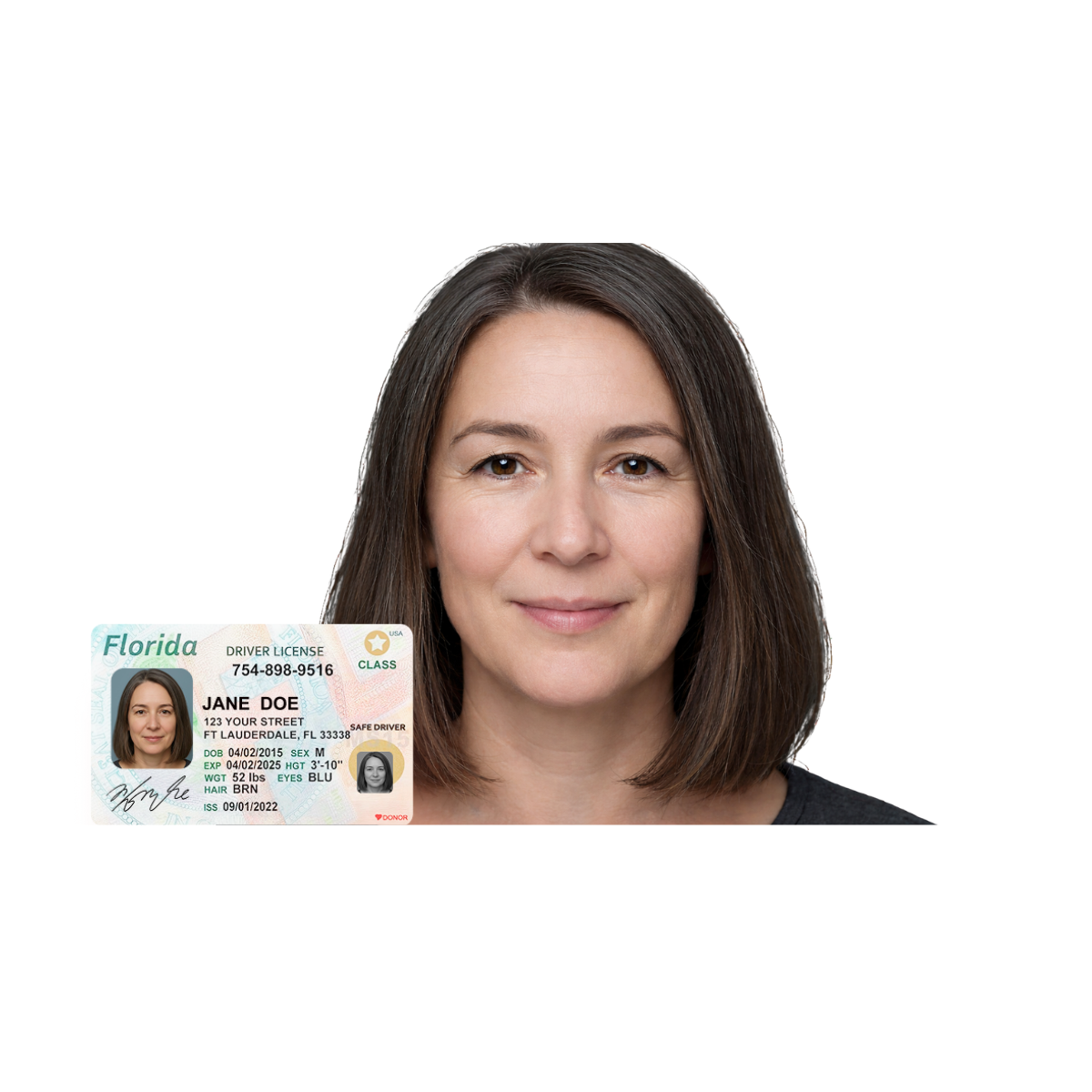
| Age Verification | Review birth certificates, driver’s licenses via email | Biometric ID validation with IDVerify |
| Household Composition | Manual document review, phone calls | Intelligent form logic, automated validation |
| Ongoing Compliance | Spreadsheet tracking, periodic audits | Real-time dashboard monitoring, audit trails |
55+ communities must publish policies and procedures demonstrating they are intended and operated for occupancy by persons 55 years of age or older, ensure at least 80% of occupied units have at least one resident 55 or older, and verify residents’ ages through reliable documentation at least every two years. Each of these requirements traditionally demands hours of manual document review, spreadsheet tracking, and periodic audits to maintain compliance. TenantEvaluation’s 55+ Communities Verification automates this verification cycle, reducing manual work and standardizing application handling across all three requirements.
Step-by-Step Workflow to Streamline Your 55+ Applications
These seven steps turn a manual 55+ application workflow into an automated system that processes applications in hours, not days. Watch a live walkthrough to see how TenantEvaluation’s platform handles each step seamlessly.
1. Customize Digital Forms with 55+ Logic
Digital forms replace paper applications and adapt automatically based on applicant responses. TenantEvaluation’s platform builds Florida 55+ community rules directly into the application flow so required age documentation is collected upfront. This approach reduces back-and-forth communications and prevents incomplete submissions from reaching your team.
2. Automate Document Collection and Validation
Automated checks remove the need for manual document review. The system rejects incomplete submissions and confirms executed leases, valid government-issued IDs, and required age verification documents before applications reach your desk. This automation saves hours of administrative work every day for busy CAM teams.
3. Embed Biometric Age Verification
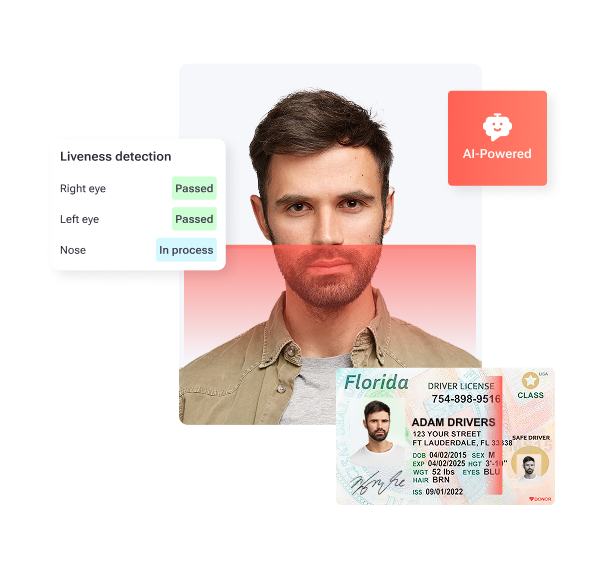
Static document uploads alone cannot prevent identity fraud or synthetic identities. IDVerify adds biometric identity verification directly into the screening workflow and confirms that applicants are real, present, and matched to their identification. The tool uses government ID authentication, AI-powered liveness detection, and facial matching to create reliable age and identity checks.
4. Implement 80/20 Compliance Workflows
TenantEvaluation’s 55+ Communities Verification standardizes how age-restricted requirements are handled across applications. By enforcing consistent data collection at the point of entry, the platform improves documentation consistency and reduces fragmentation that occurs when information is scattered across emails, PDFs, and follow-ups. This built-in capability is designed specifically for Florida condos and HOAs that manage age-restricted communities.
5. Enable Board Voting with QuickApprove
QuickApprove gives Board Members real-time access to application summaries, voting panels, and approval workflows. This feature replaces long email chains with a single, organized workspace and records a complete audit trail for every decision. Associations gain transparency, faster approvals, and clear documentation for future reviews.
6. Integrate FCRA-Compliant Background Screening
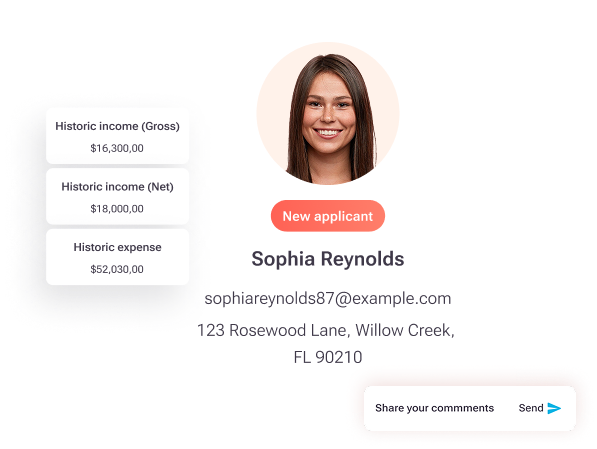
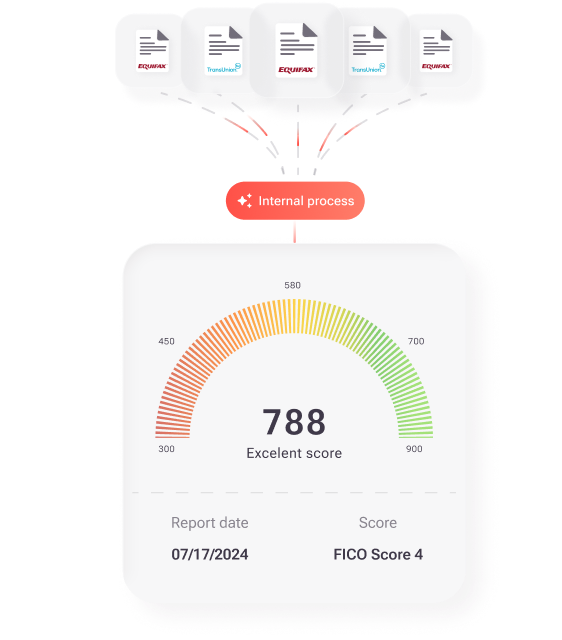
FCRA compliance sits at the core of TenantEvaluation’s background screening. As a direct credit bureau reseller with TransUnion and Equifax, the platform provides legitimate data access under strict bureau rules. Automated adverse action workflows and built-in audit trails protect associations from liability exposure and keep decisions aligned with federal requirements.
7. Automate Fee Collection and Revenue Sharing
Automated fee collection turns application processing from a cost center into a revenue stream. TenantEvaluation collects application fees and shares revenue with associations, which creates a cost-neutral or profit-generating onboarding process. Here is how automation compresses each stage of the application timeline:
| Process Step | Manual Processing Time | TenantEvaluation Processing Time |
|---|---|---|
| Age Verification | Several days | Instant biometric validation |
| Document Review | Several days | Automated validation |
| Board Approval | Several days to weeks | Real-time voting via QuickApprove |
| Complete Application Cycle | Up to 14 days | Up to 14 business days (standard service); 1 business day (platinum) |
By compressing age verification from several days to instant validation, document review from several days to automated processing, and board approval from weeks to real-time voting, TenantEvaluation reduces the complete application cycle from up to 14 days of manual processing to as little as 1 business day with platinum service.
Overcome Common CAM Challenges in 55+ Applications
Community Association Managers face specific challenges when they process 55+ applications manually. Inconsistent documentation increases compliance risk, traditional document uploads raise exposure to identity fraud, and slow board approvals create bottlenecks that frustrate applicants and realtors.
TenantEvaluation’s 55+ Communities Verification addresses these pain points by standardizing application handling across communities. The platform reduces manual work for CAMs, improves operational efficiency, and strengthens internal processes. Leading management companies like RealManage and FirstService Residential rely on TenantEvaluation’s 4.8/5 rated platform to manage complex 55+ community requirements.
Before TenantEvaluation: Manual email chains, inconsistent age verification, delayed board approvals, compliance audit risks
TenantEvaluation directly addresses each of these pain points:
After TenantEvaluation: Automated workflows replace email chains, biometric identity verification eliminates inconsistent age checks, real-time board voting removes approval delays, and complete audit trails mitigate compliance risks.
One Florida-based management company saved $240,000 annually by switching to TenantEvaluation, freeing up 50 hours per day for their team. Those reclaimed hours now support strategic operations instead of manual application processing.
Compliance and Risk Management for Florida HOAs
FCRA compliance forms the foundation of TenantEvaluation’s platform design, not an afterthought. As a direct credit bureau reseller with TransUnion and Equifax, TenantEvaluation provides legitimate data access under strict bureau rules and protects associations from liability exposure.
Florida 55+ communities must maintain ongoing documentation proving at least one resident in 80% of occupied units meets age requirements. TenantEvaluation’s built-in audit trails and automated adverse action workflows help associations stay compliant with both HOPA requirements and FCRA regulations.
The platform keeps a clear separation between decision-making by the association and data provision by TenantEvaluation. This structure maintains proper permissible purpose controls and delivers the documentation consistency needed for regulatory audits. See how our compliance-first approach protects your association in a personalized demo.
Frequently Asked Questions
What is the 80/20 rule for 55+ communities in Florida?
The 80/20 rule requires at least one resident in 80% of occupied units to be 55 years or older under Section 760.29(4)(b)3.a., Florida Statutes, with the remaining 20% offering flexibility for board approval. This structure allows communities to qualify for the Housing for Older Persons Act exemption from familial status discrimination protections. As explained above, this rule ensures 80% of units have at least one 55+ resident, with the remaining 20% subject to board discretion under Florida Statutes Section 760.29(4)(b)3.a.
How can Florida HOAs verify 55+ eligibility digitally?
Digital verification combines automated document collection with biometric identity confirmation. Modern platforms like TenantEvaluation use intelligent form logic to collect required age documentation and then apply biometric validation through IDVerify to confirm applicant identity using government ID authentication, AI-powered liveness detection, and facial matching. This approach prevents identity fraud and creates standardized audit trails for compliance purposes.
What’s the best tool to streamline HOA applications in Florida?
TenantEvaluation stands as the leading platform for Florida community associations. Unlike generic screening tools, TenantEvaluation is built specifically for community associations with FCRA compliance as the foundation. The platform includes specialized features like 55+ Communities Verification, QuickApprove board voting, and biometric identity verification tailored to Florida’s regulatory environment.
How much can communities reduce 55+ application processing time?
TenantEvaluation standard service processing time for applications typically extends up to 14 business days, while platinum service is 1 business day. Time savings vary by community size and current process efficiency, but automation typically compresses processing from weeks to days or hours. The Florida management company mentioned earlier achieved its savings by eliminating manual document review and email-based workflows.
What are the best practices for 55+ verification in HOAs?
Best practices include using standardized digital workflows, applying biometric identity verification to prevent fraud, and maintaining complete audit trails for compliance. Communities should give board members real-time access to application data and ensure FCRA compliance through legitimate credit bureau relationships and automated adverse action processes. The key practice is shifting from manual, email-based processes to integrated platforms that manage the entire application lifecycle while supporting Florida’s specific 55+ community requirements.
Transform Your 55+ Application Process Today
Florida 55 plus communities gain the most value when they move from manual workflows to automated, compliance-focused platforms. TenantEvaluation’s specialized 55+ Communities Verification reduces manual work, standardizes application handling, and improves operational efficiency for Community Association Managers across Florida.
Significant time savings, biometric fraud prevention through IDVerify+, and real-time board voting via QuickApprove allow associations to scale without adding headcount while generating revenue from the application process itself.
Transform your application chaos into controlled workflows, and schedule a demo to see the platform in action.
