Written by: Luis Teran, Co-founder, CEO, TenantEvaluation
Key Takeaways
- Florida 55+ condo HOAs must keep at least 80% of occupied units with one resident aged 55 or older under HOPA to avoid HUD enforcement and loss of age-restricted status.
- Core compliance steps include biennial age verification surveys, secure storage of IDs and birth certificates, and pre-move-in checks for every applicant.
- Manual verification creates heavy administrative work, higher fraud risk, and compliance gaps, often consuming 50+ staff hours each week in larger communities.
- Standardized digital workflows with clear audit trails support HUD compliance, cut manual work by about 70%, and strengthen legal defensibility.
- TenantEvaluation’s 55+ Communities Verification automates these steps for Florida HOAs, so you can see how automation streamlines compliance.
How HOPA Rules Shape 55+ Condo HOA Compliance in Florida
The Housing for Older Persons Act sets federal rules for age-restricted communities, with HUD oversight enforcing compliance across qualifying properties. HOPA creates a narrow exemption to the Fair Housing Act’s ban on familial status discrimination for qualifying age-restricted communities. Associations keep this protection only when they maintain the 80% threshold and follow the required verification procedures.
Florida 55+ condominiums also follow practical compliance frameworks that go beyond the federal baseline. Powerhouse Executives’ guidance recommends biennial age verification surveys sent to all occupied units at least once every two years. These recurring surveys help document ongoing compliance but create steady administrative work for Community Association Managers.
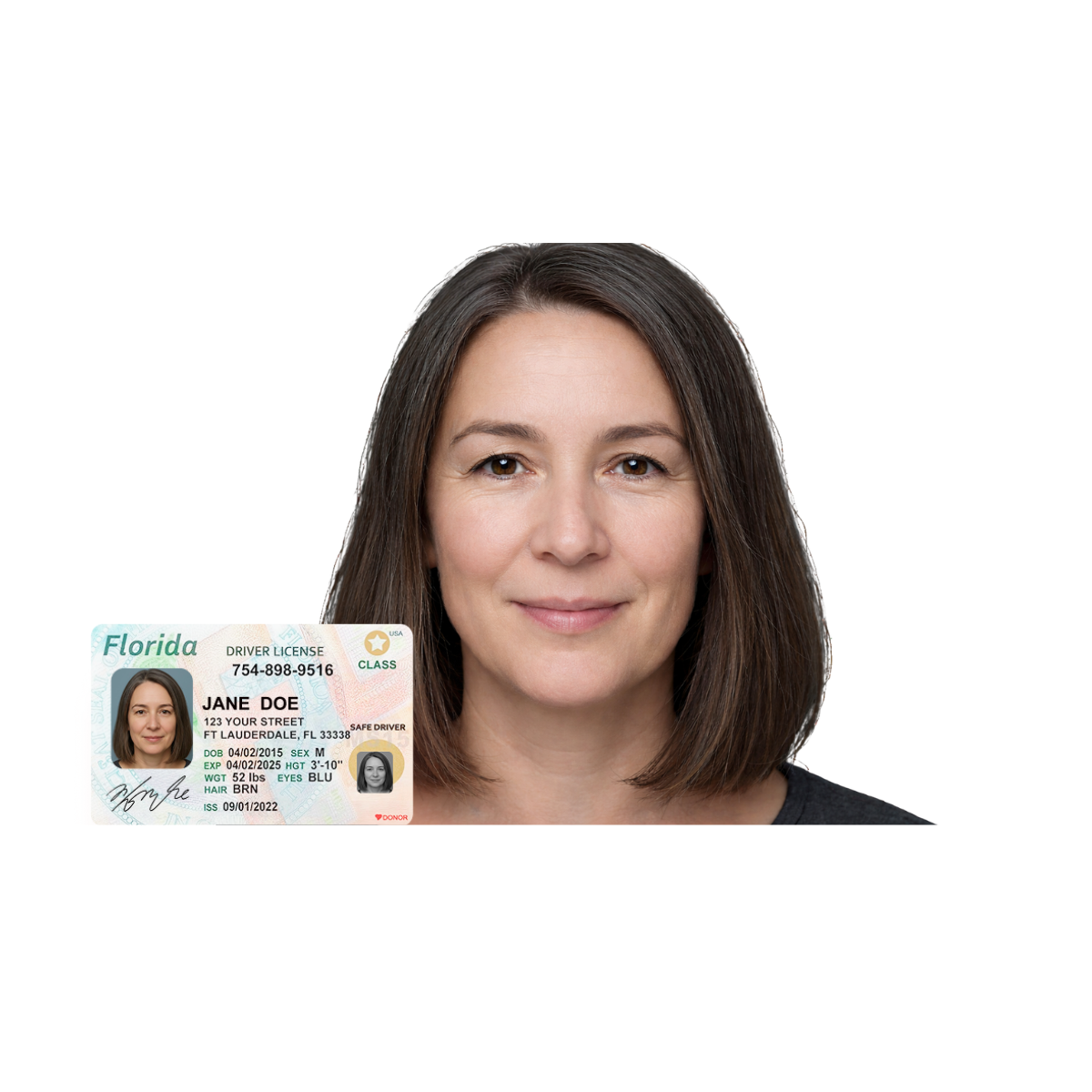
Understanding which household types qualify under HOPA helps associations calculate the 80% threshold accurately and decide what documentation they need from each resident group:
| Household Type | HOPA Eligibility | Verification Methods | Documentation Examples |
|---|---|---|---|
| 80% Qualifying Units | At least one resident 55+ | Government ID, birth certificate, affidavit | Driver’s license, passport, notarized statement |
| 20% Non-Qualifying Units | All residents under 55 | Same verification standards | Age documentation for compliance tracking |
| Mixed-Age Households | Qualifies if one resident 55+ | Verify qualifying resident only | Primary resident documentation |
Practical 8-Step Checklist for 55+ Condo HOA Compliance
This 8-step checklist covers the core compliance requirements that address the most common gaps identified in Florida 55+ communities:
☐ 1. Review Governing Documents and CC&Rs
Confirm that community covenants clearly state 55+ age restrictions and reference HOPA compliance requirements. Make sure bylaws describe enforcement mechanisms and outline specific violation procedures.
☐ 2. Collect Age Verification Documentation
Acceptable documentation includes government-issued birth certificates, driver’s licenses, passports, or third-party affidavits. Store copies in secure, confidential files that only authorized personnel can access.
☐ 3. Conduct Regular Age Verification Surveys
Conduct the biennial surveys described above, with structured follow-up procedures to encourage high response rates and keep records current.
☐ 4. Maintain Secure Age Verification Records
Keep a secure, confidential roster of resident ages without publishing this information to general membership. Because unauthorized access to age data creates privacy liability, implement access controls and audit trails that record who views or modifies these records and when.
☐ 5. Establish Pre-Move-In Verification Procedures
Require age verification as part of the standard application process for all new buyers and renters before move-in. This step prevents non-compliant occupancy from starting in the first place.
☐ 6. Monitor 80% Compliance Threshold
Calculate and track the percentage of qualifying units each month, and keep documentation that shows continuous compliance above the 80% minimum requirement.
☐ 7. Document Red Flags and Violations
Use your monthly monitoring to flag potential issues such as unreported household changes, suspected age misrepresentation, or units that may no longer qualify under HOPA standards. Record each concern in a central log so patterns are easy to spot.
☐ 8. Implement Violation Response Procedures
When residents refuse age verification compliance, conduct thorough investigations to confirm whether residents meet 55+ requirements. Document every enforcement action so you can demonstrate consistent treatment if legal questions arise.
This 8-step checklist covers the core compliance requirements that address the most common gaps identified in Florida 55+ communities. Request a walkthrough to see how TenantEvaluation’s 55+ Communities Verification automates these verification steps and strengthens your documentation.
Common Challenges in Manual 55+ Verification
Manual 55+ compliance processes place a heavy administrative load on Community Association Managers. Email-based verification requests often produce incomplete responses, which forces multiple follow-ups and can consume 50+ staff hours each week in larger communities. This fragmented communication then spills into document collection, where PDFs and paper submissions create inconsistent records that make audit preparation slow and error-prone.

These manual gaps also increase fraud risk because associations lack consistent procedures to authenticate government-issued identification or spot altered documents. The fragmented nature of manual processes, spread across emails, physical files, and spreadsheets, creates blind spots that expose associations to HUD enforcement actions and potential lawsuits from residents or prospective buyers.
Best Practices for Standardized 55+ Workflows
Standardized documentation procedures give 55+ communities consistent verification across every application and resident. Digital workflow automation replaces scattered email exchanges with structured steps and creates clear audit trails that satisfy HUD requirements while supporting legal defensibility during compliance reviews.
TenantEvaluation’s 55+ Communities Verification addresses these challenges by standardizing how age-restricted requirements move through the application process. Built for Florida condos and HOAs, this capability reduces manual work while improving record accuracy and day-to-day efficiency. The standardized workflow connects three critical compliance stages: IDVerify handles biometric identity verification to authenticate government IDs, the 55+ Communities Verification module processes age documentation, and QuickApprove gives board members an oversight dashboard that supports informed decisions.
TenantEvaluation has generated $150 million for communities while processing 100,000+ applications each year across more than 5,000 communities. The platform delivers about 70% time savings compared to manual processes, which lets CAMs focus on higher-value community management while keeping strict compliance standards in place. Explore how standardized workflows strengthen internal processes for your 55+ community.
Why TenantEvaluation Leads 55+ Compliance for Florida Associations
TenantEvaluation is the only Florida-specific platform built exclusively for community associations that manage age-restricted properties. Unlike generic screening tools, TenantEvaluation’s 55+ Communities Verification supports consistent documentation while reinforcing internal processes for HOAs and condo associations.
When evaluating 55+ compliance solutions, Florida associations should compare how each platform handles workflow automation, compliance foundations, and board oversight. These three capabilities directly affect both legal defensibility and operational efficiency:

| Feature | TenantEvaluation | ApplyCheck | Verify Screening Solutions |
|---|---|---|---|
| 55+ Workflow Automation | Built-in standardization | Limited customization | Manual configuration required |
| FCRA Compliance Foundation | Direct credit bureau reseller | Third-party data sources | TazWorks white-label platform |
| Board Dashboard Access | QuickApprove dedicated panel | Generic reporting only | No board-specific features |
| Florida-Specific Design | Built for Florida HOAs and condos | Generic rental focus | Property management emphasis |
After comparing these capabilities, associations can see how TenantEvaluation pairs specialized workflows with a strong compliance foundation. TenantEvaluation maintains a 4.8/5 Google rating and partners with leading management companies including FirstService Residential. The platform’s FCRA-first design helps protect associations from liability while providing legitimate TransUnion and Equifax data through direct reseller relationships.
2026 Regulatory Pressures and 55+ Compliance FAQ
HOPA compliance requirements remain stable for 2026, but Florida associations managing 55+ communities face added regulatory and financial pressure. Florida’s HB 913 extends deadlines for Structural Integrity Reserve Studies and adds flexibility for milestone inspections, yet special assessments that can exceed $100,000 per unit still strain association finances. These pressures make maintaining HOPA status even more critical, because losing age-restricted status can trigger Fannie Mae and Freddie Mac warrantability issues tied to insurance coverage, reserve funding, and owner-occupancy ratios for 55+ communities seeking conventional financing.
What documents prove 55+ status for HOPA compliance?
Acceptable documentation includes government-issued birth certificates, driver’s licenses, passports, or notarized third-party affidavits. Associations should keep these documents in secure, confidential files with access limited to authorized personnel.
How frequently must 55+ communities conduct age verification surveys?
Most 55+ communities distribute age verification surveys to occupied units every two years. Associations then track responses and follow up with non-responding households so their records stay complete for compliance tracking.
What happens if residents refuse age verification requests?
Associations may conduct detailed investigations to confirm whether residents meet 55+ requirements, using available records and supporting documentation. They should document every enforcement step and keep thorough violation records in case of future legal proceedings.
How does the 80% rule calculation work in practice?
The calculation requires at least 80% of occupied residential units to house at least one resident aged 55 or older. Mixed-age households qualify when any resident meets the age requirement, and vacant units do not count in the calculation.
What are the consequences of HOPA non-compliance for Florida condos?
Non-compliance can lead to HUD fines, immediate loss of age-restricted status, lawsuits from affected residents, and loss of warrantable status that affects financing eligibility for every unit in the community.
Florida’s 55+ condo HOAs must maintain rigorous HOPA compliance to avoid costly enforcement actions and protect community operations. This checklist gives a framework for systematic verification, yet manual processes still create room for errors and heavy administrative work. TenantEvaluation’s 55+ Communities Verification provides standardized workflows and reliable documentation that Florida associations can use to support lawsuit-resistant operations. Book a consultation to transform your 55+ compliance from reactive management to proactive operational control.
