Written by: Luis Teran, Co-founder, CEO, TenantEvaluation
Key Takeaways for Faster 55+ Approvals
- Review community-specific CC&Rs for age rules beyond the federal 80/20 HOPA standard, since many Florida communities require 100% 55+ households.
- Submit high-resolution, current government-issued IDs with clear birthdates and ensure exact name matches across all documents to prevent verification delays.
- Document all household members, including temporary visitors, to maintain age-restricted status and avoid rejections.
- Organize documents clearly, include all required fees, and use biometric-ready verification to reduce fraud risk and speed processing.
- Eliminate manual errors and streamline approvals by standardizing with TenantEvaluation’s 55+ Communities Verification.
9 Common Mistakes on 55+ Community Applications (And How to Avoid Them)
#1 Misreading CC&Rs and Age Rules
The most frequent mistake involves misunderstanding community-specific age requirements beyond the federal 80/20 rule. While HOPA allows up to 20% of units to be occupied by people who do not meet the age requirement, communities can choose to be more restrictive, such as requiring 100% of households to have a 55+ resident.
Do This: Review the specific CC&Rs before applying. Confirm whether the community requires all residents to be 55+ or follows the 80/20 standard.
Not That: Assume all 55+ communities have identical age requirements.
For CAMs, this confusion creates endless clarification calls and resubmissions as they explain the same age nuances repeatedly. To remove this repetitive workload, TenantEvaluation’s 55+ Communities Verification embeds community-specific rules directly into the application workflow. Applicants see the correct requirements upfront, which reduces manual explanations and the resubmissions that follow initial confusion.
#2 Incomplete or Invalid Age Proofs
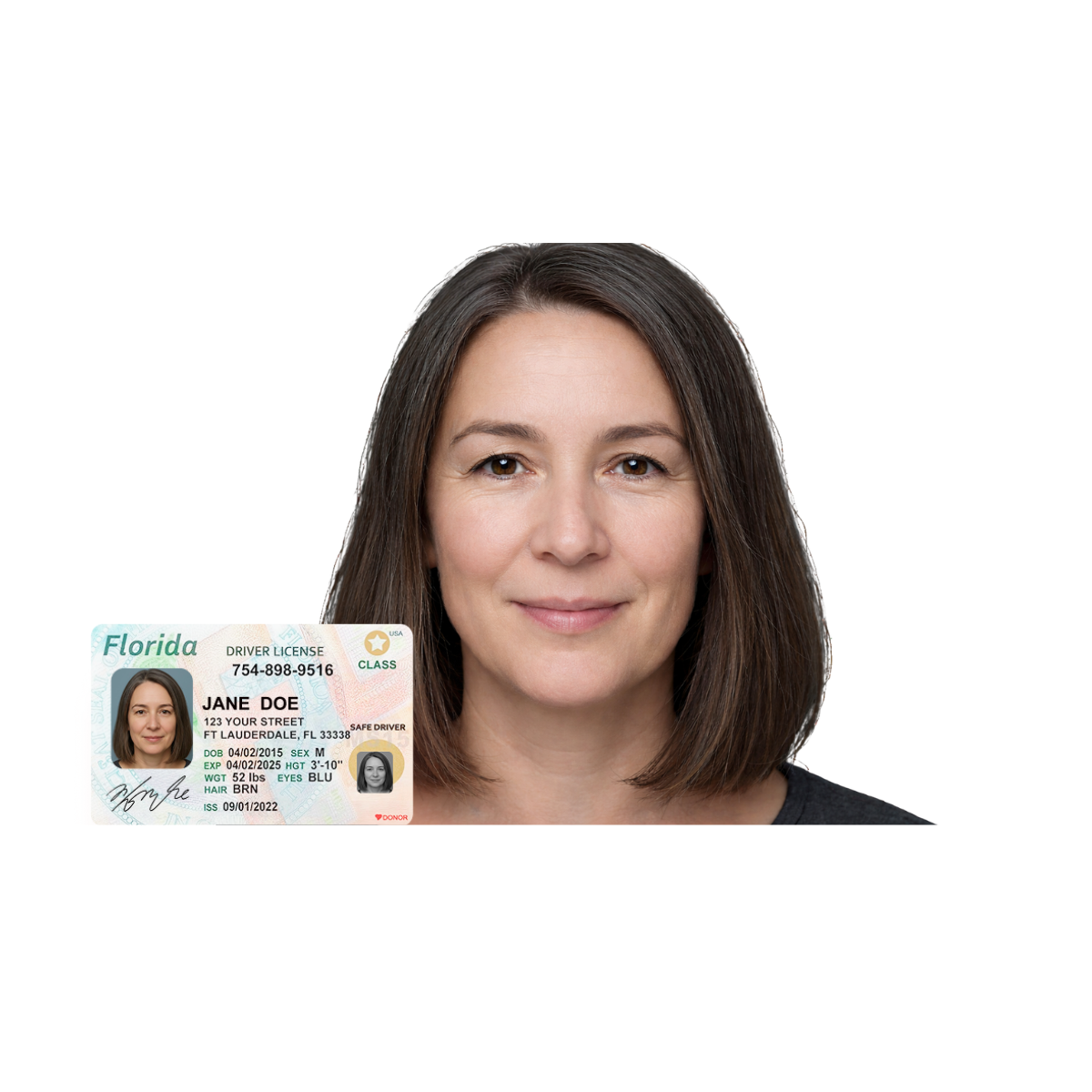
Applicants frequently submit expired IDs, unclear photocopies, or documents that do not clearly establish age eligibility. Birth certificates may be illegible, driver’s licenses expired, or passport photos too dark to verify.
Do This: Submit current, high-resolution photos of government-issued IDs with clear birthdates visible.
Not That: Upload blurry smartphone photos or expired documents.
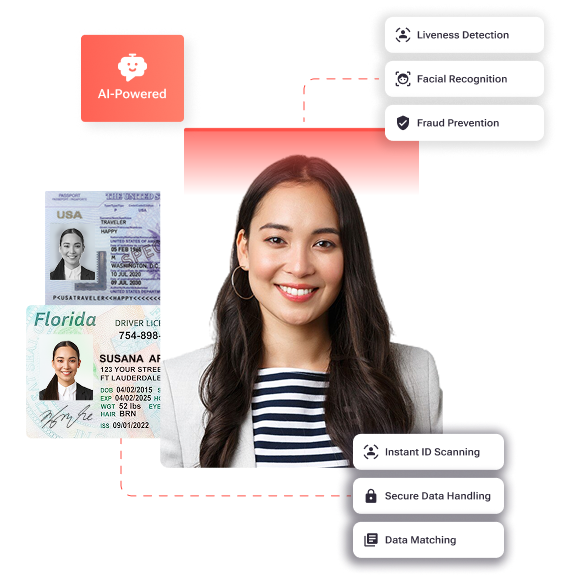
Manual document review consumes significant CAM time and creates inconsistent approval standards. Leading platforms like TenantEvaluation’s IDVerify solution automate document validation with biometric verification, ensuring age proofs meet community standards before review.
#3 ID and Document Mismatches
Name variations between driver’s licenses, lease agreements, and application forms often trigger automatic rejections. A driver’s license showing “Robert Smith” while the lease shows “Bob Smith” creates verification delays.
Do This: Ensure all names match exactly across documents, or provide legal documentation explaining variations.
Not That: Submit documents with inconsistent name spellings or nicknames.
These mismatches require manual investigation and slow down approvals. TenantEvaluation’s intelligent form logic flags discrepancies automatically. CAMs can request clarification before final submission instead of discovering problems after weeks of processing.
#4 Ignoring Household Composition Requirements
Adult children visiting or temporarily staying can jeopardize age-restricted status if not properly documented. Florida 55+ communities qualifying for the Fair Housing Act exemption may have residents younger than 55 or families with small children living in up to 20% of the properties, but this flexibility requires careful tracking.
Do This: Clearly document all household members and their residency status, including temporary visitors.
Not That: Omit information about adult children or assume short-term stays do not matter.
CAMs must manually track household composition to maintain community compliance. TenantEvaluation’s 55+ Communities Verification supports consistent documentation for household tracking, which strengthens internal processes for Florida condos and HOAs.
#5 Hidden Fees and Form Errors
Applicants often miss required fields or fail to include mandatory fees, which creates incomplete submissions that require reprocessing. Application fees, background check costs, or document processing charges may be overlooked.
Do This: Review all fee requirements and complete every mandatory field before submission.
Not That: Submit partial applications while assuming missing information can be added later.
Incomplete submissions create administrative burden for CAMs who must follow up repeatedly. TenantEvaluation’s automated fee collection and smart form logic prevent incomplete submissions. All requirements are met before processing begins.
#6 Realtor Documentation Pitfalls
Real estate agents sometimes provide incorrect guidance on required documentation or submit applications without proper age verification proofs. Many agents assume standard rental procedures apply to age-restricted communities.
Do This: Work with realtors experienced in 55+ community requirements and verify all documentation before submission.
Not That: Rely on general real estate knowledge for age-restricted community applications.
Realtor errors compound CAM workload and delay commission timelines. Explore TenantEvaluation’s realtor-friendly interface that guides proper documentation from the start.
#7 Florida-Specific HOPA Compliance Errors
Many applicants do not realize that to qualify for the Fair Housing Act exemption, a Florida 55+ community must present itself as “housing for older persons” in its marketing and controlling documents, and its association board must file the necessary paperwork.
Do This: Verify the community’s official 55+ status and understand its specific compliance requirements.
Not That: Assume all communities claiming 55+ status have proper legal documentation.
HOPA compliance verification often requires manual research and documentation review. TenantEvaluation’s Florida-specific configuration aligns applications with state requirements and reduces compliance-related rejections for CAMs and boards.
#8 No Biometric-Ready Identification
Traditional document uploads cannot reliably prevent identity fraud or synthetic identity attempts. As fraud trends increase in 2026, communities need stronger verification methods beyond simple document review.
Do This: Prepare for biometric identity verification that confirms physical presence and matches uploaded IDs.
Not That: Rely solely on document uploads without identity confirmation.
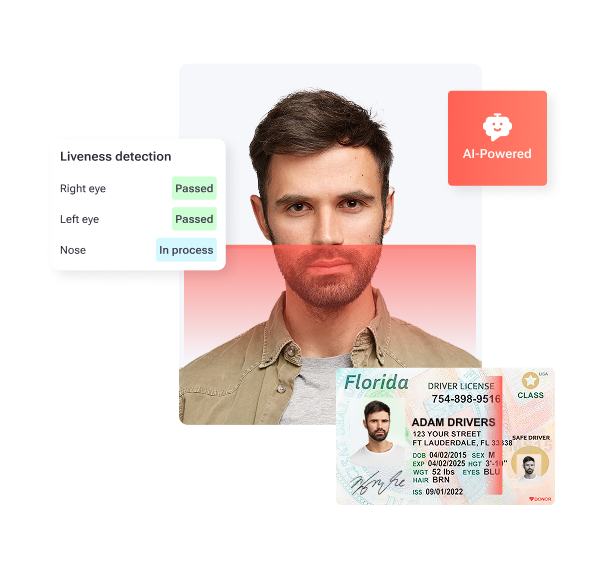
Manual ID review cannot detect many sophisticated fraud attempts. TenantEvaluation’s IDVerify provides biometric identity verification designed for condo and HOA risk environments. Communities move from document-based validation to biometric-confirmed identity verification.
#9 Poor Documentation Organization
Scattered documents across multiple emails, incomplete file naming, and missing required signatures create processing delays and increase rejection risk.
Do This: Organize all documents clearly with proper file names and confirm all signatures are complete before submission.
Not That: Submit documents piecemeal through multiple channels or with unclear labeling.
Disorganized submissions require extensive CAM time to compile and verify. TenantEvaluation’s centralized document collection and automated organization remove these inefficiencies and support streamlined workflows for more than 100,000 applications each year.
How TenantEvaluation Streamlines 55+ Community Applications
TenantEvaluation’s 55+ Communities Verification turns fragmented manual processes into standardized digital workflows. The system guides applicants through community-specific requirements, validates age documentation through IDVerify biometric verification, and provides CAMs with organized documentation ready for review through the QuickApprove dashboard.
This workflow eliminates common mistakes by embedding community rules directly into application logic. It prevents incomplete submissions and standardizes document collection across applicants. For boards, the platform provides real-time visibility into application status and voting capabilities and maintains complete audit trails for compliance documentation.
Results speak clearly. Communities using TenantEvaluation achieve the 70% faster approval times shown below while also reducing manual work for CAMs and improving documentation consistency across all applications. The following comparison illustrates how these workflow improvements translate into concrete operational metrics.
| Metric | Manual Processes | TenantEvaluation |
|---|---|---|
| Approval Time | Days-Weeks | Hours (70% faster) |
| Error Rate | High (manual reviews) | Low (auto-checks) |
| ROI | Cost center | Revenue via fees (100k+ apps/year) |
Key Florida HOPA and 80/20 Rule Tips for 55+ Applications
Clear knowledge of Florida’s implementation of HOPA requirements helps prevent common application mistakes. The 80/20 rule under HOPA functions as a minimum federal standard that serves as a floor rather than a ceiling for age compliance, so communities can adopt stricter rules than the federal requirement.
Florida communities must maintain proper documentation to support their age-restricted status. This includes resident age verification, household composition tracking, and compliance with marketing requirements. The Florida Commission on Human Relations eliminated state registration and reporting requirements for 55+ communities in 2020.
As fraud trends increase in 2026, communities are adopting stronger verification methods. Biometric identity confirmation and AI-powered document validation help maintain security and compliance standards.
Frequently Asked Questions About 55+ Community Applications
What is the 80/20 rule for 55+ communities in Florida?
The 80/20 rule under the Housing for Older Persons Act requires that at least 80% of occupied units in a 55+ community have at least one resident who is 55 years of age or older. Up to 20% of units can house residents who do not meet the age requirement. Individual communities can choose to be more restrictive and require 100% of residents to be 55+. The rule functions as a minimum federal standard, not a maximum requirement.
What are the most common age verification mistakes in 55+ applications?
The most frequent age verification mistakes include submitting expired identification documents and providing unclear or blurry photocopies. Name mismatches between different documents and missing proof of age for all household members also cause problems. Many applicants misunderstand their specific community’s age requirements and assume all 55+ communities follow identical rules, even though many have stricter standards than the federal minimum.
How can I avoid Florida 55+ community application rejections?
To avoid rejections, review your community’s specific CC&Rs and age requirements before applying. Submit current, high-resolution government-issued ID photos with clear birthdates, ensure all names match exactly across documents, and provide complete household composition information. Work with realtors experienced in age-restricted communities and verify the community’s official 55+ status. Digital platforms that automate document validation and guide you through community-specific requirements further reduce rejection risk.
What are the disadvantages of manual 55+ community application processes?
Manual processes create lengthy approval times that often span days or weeks. They also produce high error rates due to inconsistent document review and increase administrative burden for Community Association Managers. Fraud risk rises when communities rely on document-only verification, and communication becomes fragmented across emails and phone calls. These inefficiencies delay moves for applicants, impact realtor commissions, and consume substantial staff time for property management companies.
Can adult children live in 55+ communities temporarily?
Adult children visiting or staying temporarily can affect a community’s age-restricted status if not properly documented and managed. The 80/20 rule allows some flexibility, but communities must track household composition carefully to maintain compliance. Temporary stays should be clearly documented with specific timeframes, and communities may set their own policies on visitor duration and frequency. Disclose all household members and their residency status during the application process.
Stop 55+ Application Rejections with TenantEvaluation
As a platform that processes more than 100,000 applications annually across Florida’s 601 55+ age-restricted active adult communities, TenantEvaluation understands the unique challenges facing Florida’s age-restricted properties. The nine common mistakes above represent preventable rejections that cost CAMs time, delay applicant moves, and impact realtor commissions.
The solution comes from moving beyond manual processes to standardized digital workflows that reduce human error, automate document validation, and provide consistent application handling. TenantEvaluation’s 55+ Communities Verification reduces manual work, standardizes application handling, and supports documentation consistency built specifically for Florida condos and HOAs.
Do not let preventable mistakes continue to disrupt your community’s application process. Partner with TenantEvaluation, the pioneer for Florida communities, and discover how streamlined, compliant processes can turn your 55+ community applications into a competitive advantage.
