Written by: Luis Teran, Co-founder, CEO, TenantEvaluation
Key Takeaways for 55+ Digital Onboarding
- Digital onboarding replaces manual paperwork for 55+ communities and can cut processing time by up to 70% while supporting HOPA 80/20 rule compliance.
- A four-stage workflow guides every application from secure intake through biometric ID checks, board voting dashboards, and automated approvals with full audit trails.
- Security improves through strong encryption, AI liveness detection, and FCRA-compliant background checks that help prevent identity fraud.
- Faster approvals, fewer vacancies, and pay-per-application pricing create new revenue, with documented savings of $240,000 per year for some management firms.
- TenantEvaluation offers specialized 55+ verification for Florida CAMs and HOAs, so see how it works for your community and streamline your onboarding.
How Digital Onboarding Works for 55+ Residents
Digital onboarding for 55+ residents uses automated online systems that replace manual paperwork with web-based applications, guided document collection, biometric identity checks, and integrated board approval workflows. This approach directly supports the specific needs of age-restricted communities that operate under federal HOPA regulations.
The digital onboarding framework consists of four core stages that build on each other in sequence. First, secure online application intake with automated fee collection captures accurate applicant information. This data then flows into identity and document verification that uses biometric technology and AI-powered validation to confirm authenticity. Once verified, applications move to board review through dedicated dashboards with clear voting capabilities. Finally, automated approval processing generates comprehensive reporting and analytics that close the loop for each applicant.
For Florida 55+ communities, digital onboarding must handle age documentation requirements during the application process while maintaining FCRA compliance for background and credit checks. The system fits into existing community governance structures and creates audit trails that support ongoing HOPA compliance monitoring.
Benefits of Digital Onboarding for 55+ Communities
Digital onboarding delivers clear operational gains for age-restricted communities. Time savings can reach 70% compared with manual processes, and some management companies recover 50 staff hours every day for higher-value work. Automation removes repetitive follow-ups, incomplete submissions, and manual document review cycles that usually drain CAM resources.
Revenue growth is another major benefit, with the industry generating more than $150 million through efficient digital processing. Faster approval cycles shorten vacancy periods and speed up move-in dates, which strengthens community cash flow.
Security also improves through strong encryption, automated PII redaction, and detailed audit trails that support FCRA compliance. Advanced biometric verification with liveness detection helps block identity fraud and synthetic identity attacks that increasingly target residential communities.
One Florida management company shared a simple summary: “It is fast, it is easy, and it makes my job easier.” Around-the-clock access and multilingual support meet a wide range of applicant needs while easing the workload on community staff.
The 4 Stages of Digital Onboarding for HOAs
These benefits come from a structured four-stage process that guides applicants from first click to final approval.
Stage 1: Secure Application Intake
Applicants enter community-specific online portals using property codes, complete smart forms that adjust to residency type such as owner or renter, and submit applications with automated fee collection. The system checks each file for completeness before submission and keeps incomplete applications out of the review queue.
Stage 2: Biometric Identity and Document Verification
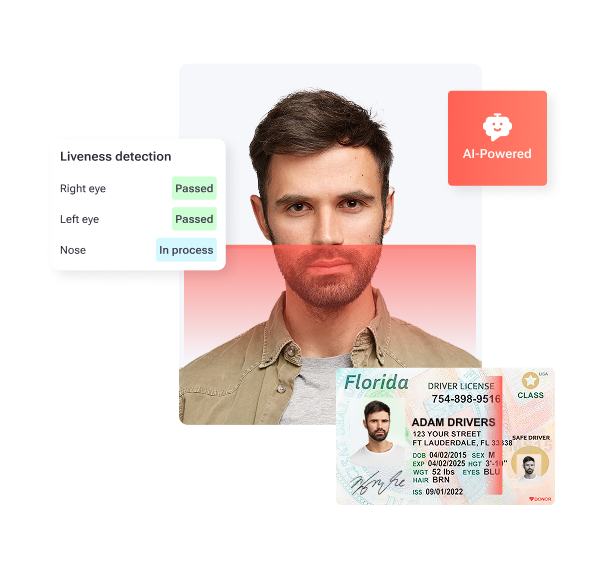
IDVerify validates government IDs, performs AI-powered liveness detection, and uses facial biometrics to confirm identity. This stage helps prevent coordinated AI attacks and deepfake fraud while confirming that age documentation satisfies HOPA rules.
Stage 3: Board Review and Voting
QuickApprove dashboards give board members concise application summaries, background results, and simple voting tools. Every action is timestamped and auditable, which removes scattered email approval chains.

Stage 4: Automated Processing and Reporting
Approved applications trigger automated welcome messages, lease document generation, and updates to community analytics. The system stores complete records for HOPA compliance and offers demographic insights that support long-term planning.
Security and Safety for Seniors Using Digital Onboarding
Digital onboarding platforms built for community associations place data security at the center of their design. They use PCI Level 1 compliance, end-to-end encryption, and automated redaction of sensitive personal details. These controls offer stronger protection than paper files, which often create data breach and compliance risks.
Modern biometric verification addresses rising fraud concerns by confirming both physical presence and identity authenticity. On-device biometric processing with zero-knowledge proofs keeps sensitive data on the user’s device while blocking injection attempts and replay attacks.
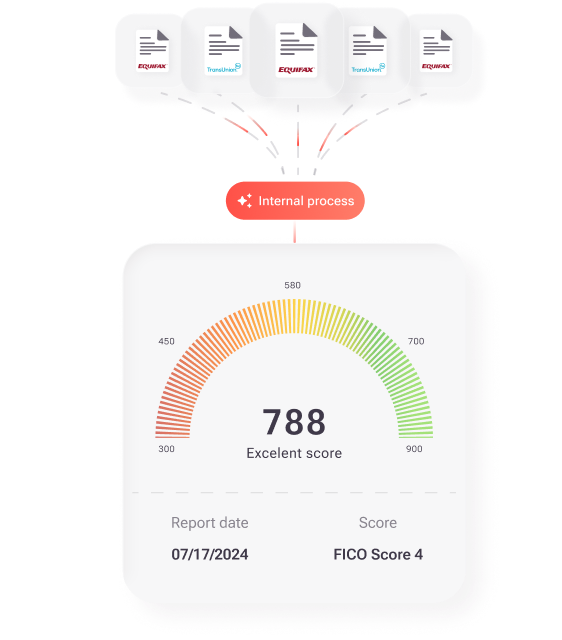
FCRA compliance remains a core requirement. Direct credit bureau reseller relationships support legitimate data access under strict permissible purpose rules. Automated adverse action workflows and clear audit trails protect communities and applicants from regulatory risk.
The high smartphone adoption rate among seniors, reaching 90% in recent studies, shows strong technology readiness in this group. Simple interfaces and 24/7 multilingual support help residents with different comfort levels complete applications confidently.
Florida 55+ Verification: Standardizing Age-Restricted Onboarding
Florida 55+ communities manage complex age-restricted requirements that become difficult when handled through scattered manual processes. Email threads, PDF exchanges, and uneven follow-up routines increase compliance risk and create heavy administrative workloads.
HOPA compliance requires written age verification policies, biennial census surveys, and secure storage of confidential age rosters. Manual systems rarely maintain the consistent documentation and audit readiness that federal monitoring expects.
TenantEvaluation’s 55+ Communities Verification reduces manual work by automating age documentation collection and validation. The system standardizes application handling across communities and supports the documentation consistency that HOPA compliance demands. Built for Florida condos and HOAs, the platform reflects the daily workflows of Community Association Managers rather than generic rental screening.
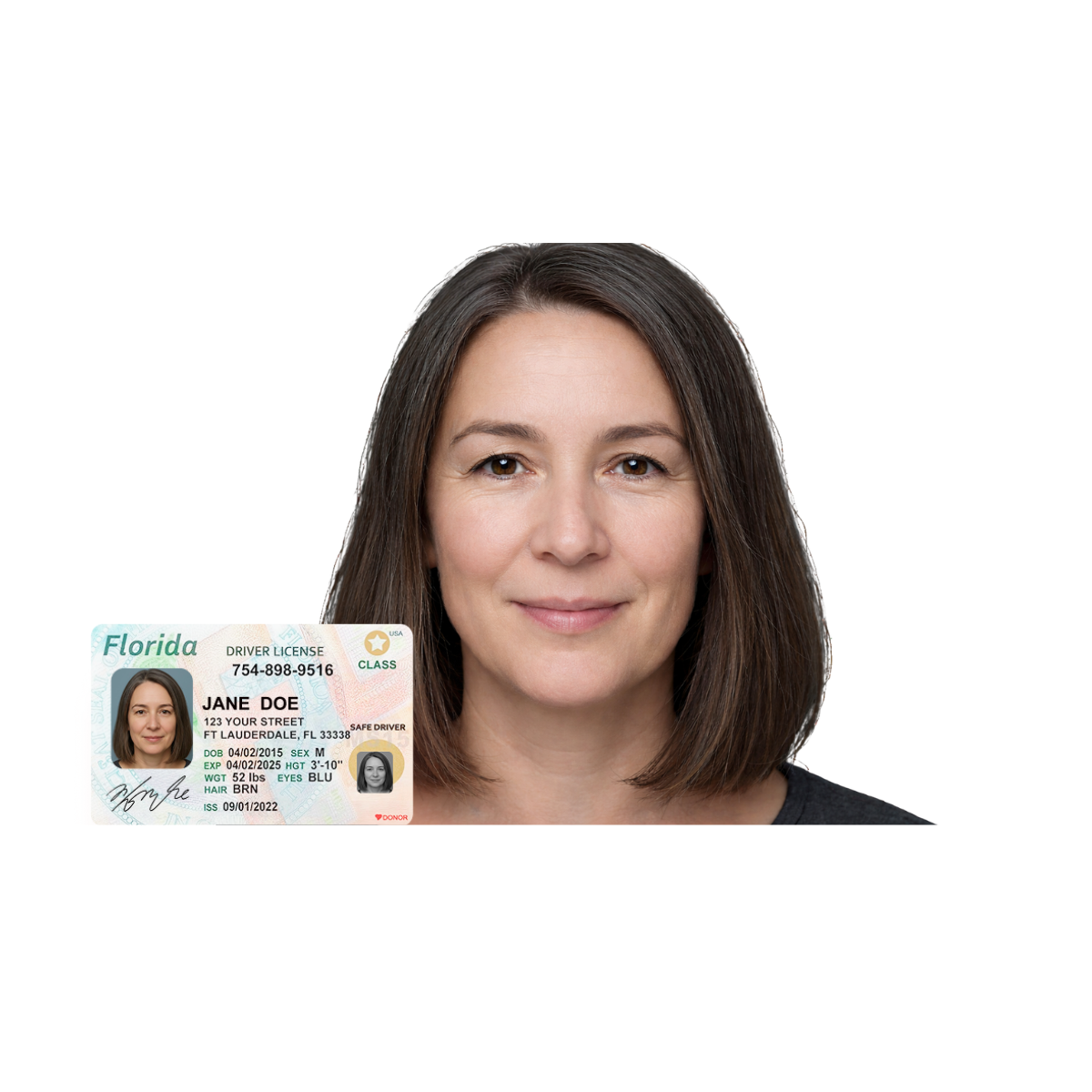
This verification capability improves efficiency by removing repetitive tasks, strengthens internal controls through structured documentation, and supports scalable workflows as portfolios grow. Request a walkthrough to see how standardized verification can reshape age-restricted community management.
Why TenantEvaluation Fits Florida 55+ Communities
TenantEvaluation pioneered digital onboarding for Florida community associations and now serves more than 5,000 communities while processing over 100,000 applications each year with a 4.8 out of 5 Google rating. The FCRA-first design and direct credit bureau reseller status place compliance at the foundation of the platform.
The integrated suite includes QuickApprove for board voting, IDVerify for biometric verification, and 55+ Communities Verification for age-restricted workflows. This combination removes the need for multiple third-party tools while keeping a tight focus on community association requirements.
Revenue-sharing models align platform performance with client outcomes and support the time savings and efficiency gains described earlier. Case studies show $240,000 in yearly savings for management companies. The pay-per-application structure removes upfront costs and can also create new revenue streams for communities.
| Feature | TenantEvaluation | LifeLoop/AppFolio/Buildium |
|---|---|---|
| Processing Time | 5-10 minutes | Longer |
| 55+ Verification | Built-in | Limited |
| Board Dashboard | QuickApprove | Limited |
| FCRA (Direct Reseller) | Yes | Indirect/Third-party |
Partnerships with RealManage, FirstService Residential, and Associa highlight enterprise-level trust and scalability. Experience the platform firsthand and see how specialized community association technology supports your teams.
Frequently Asked Questions
What are the main benefits of digital onboarding for 55+ communities?
Digital onboarding for 55+ communities can deliver up to 70% time savings by automating manual steps, generate revenue through efficient fee collection and faster approvals, and support FCRA compliance with built-in audit trails. It also strengthens security through biometric verification and strong encryption while addressing age-restricted requirements and easing the workload on CAMs and board members.
Is digital onboarding FCRA-compliant for community associations?
Yes. Well-designed digital onboarding platforms maintain FCRA compliance through direct credit bureau reseller relationships, strict permissible purpose controls, automated adverse action workflows, and detailed audit trails. TenantEvaluation operates as a legitimate TransUnion and Equifax reseller with regular compliance reviews so associations can access accurate screening data while limiting liability.
How does 55+ verification work in digital onboarding systems?
55+ verification standardizes age-restricted applications by automating age documentation collection, validating identity with biometric checks, and maintaining HOPA-compliant records. Structured workflows guide CAMs and boards through each step and reduce manual work while improving documentation consistency and operational efficiency across Florida condos and HOAs.
What security measures protect senior applicants during digital onboarding?
Digital onboarding platforms use the security measures described earlier, including PCI Level 1 compliance, end-to-end encryption, and biometric liveness detection, along with automated PII redaction and secure cloud storage. Advanced fraud controls such as AI-powered document validation, facial recognition, and real-time identity checks provide stronger protection than traditional paper-based methods.
How long does the digital onboarding process take for 55+ residents?
Digital onboarding usually reduces processing time from days to hours. Applicants often complete forms in 5 to 10 minutes, and boards that use integrated voting dashboards can process approvals within the same day. Automated workflows remove manual follow-ups, incomplete submissions, and document review delays that often slow approvals in age-restricted communities.
Conclusion: Moving 55+ Onboarding to a Digital Workflow
Digital onboarding for 55+ residents turns manual, time-consuming processes into efficient and compliant workflows that support Florida CAMs, HOA boards, and residents. The approach addresses HOPA requirements while delivering measurable time savings and new revenue opportunities. Explore a tailored demo to see how specialized community association technology can modernize age-restricted resident onboarding.
