Written by: Luis Teran, Co-founder, CEO, TenantEvaluation
Key Takeaways
- Florida 55+ condos use a defined 10-step application process under HOPA, beginning with age verification and the 80/20 rule.
- Buyers must provide proof of income, bank statements, credit reports, and background checks, with income typically 3–4 times monthly fees.
- Board interviews, application fees of $200–500, and compliance with 2026 Florida Statute 718 disclosure and digital posting rules are standard.
- Incomplete documents, weak credit, or age issues often cause rejections, while digital platforms cut processing times from weeks to days.
- Streamline your 55+ application with TenantEvaluation’s verification tools for faster approvals and stronger compliance.
10-Step Florida 55 Plus Condo Application Process Requirements for Buyers
The florida 55 plus condo application process requirements for buyers follow a structured 10-step approach that protects community standards and meets federal and state rules.
Step 1: Verify Age Eligibility
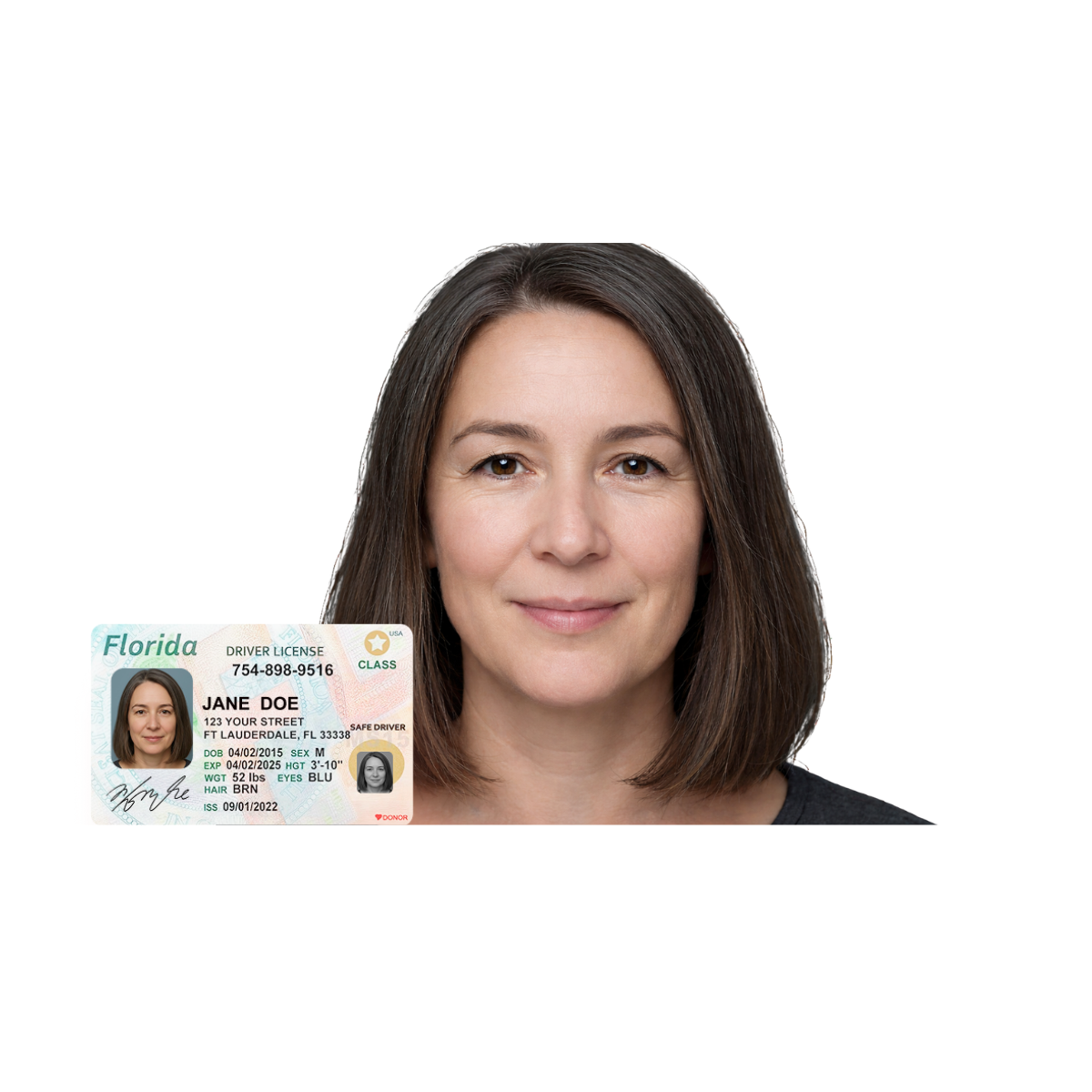
Under the Housing for Older Persons Act (HOPA), Florida 55+ communities require proof of age to confirm that at least 80% of occupied units have one household member who is 55 or older. You present a government-issued ID such as a driver’s license or passport to verify age eligibility.
Step 2: Apply the 80/20 Rule
Under HOPA’s 80/20 rule, at least 80% of occupied units must have at least one resident aged 55 or older. This federal requirement preserves age-restricted status while allowing a limited number of younger households.
Step 3: Gather Required Financial Documentation
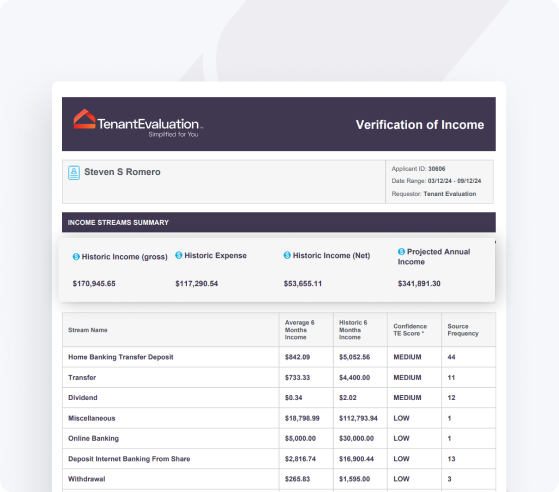
Financial qualification requires documentation such as proof of income, bank statements, or other evidence demonstrating ability to afford the home purchase and ongoing monthly fees. Most communities require income verification showing ability to cover purchase costs, association dues, and maintenance fees, typically 3–4 times monthly carrying costs.
Step 4: Complete Background Verification
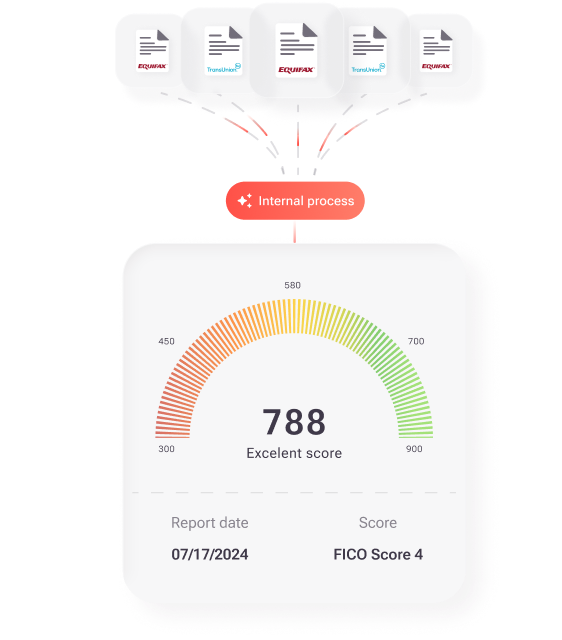
Background checks are standard in Florida 55+ communities, typically including criminal background checks and possibly credit checks. Associations usually expect clean criminal and eviction histories for approval.
Step 5: Review Governing Documents
Condominium associations require prospective buyers to review governing documents including the declaration, bylaws, and rules and regulations. This review helps you confirm that pet rules, guest policies, and use restrictions match your lifestyle before you apply.
Step 6: Submit Application and Pay Fees
Buyers complete association application forms and pay fees that typically range from $200–500, which cover processing and background checks. Many communities now use digital platforms that guide you through each field and reduce back-and-forth for missing items.
Step 7: Complete the Board Interview Process
Some condominium and HOA associations require buyer applications and board approvals, which may include interviews. During the interview, you discuss your background, financial stability, and willingness to follow community rules so the board can assess overall fit.
Step 8: Comply with 2026 Legal Updates
Before the board can vote on your application, you must receive and acknowledge new disclosure documents required under Florida Statute 718.503, effective July 1, 2025. These seller-provided disclosures affect your timeline because the board cannot move to a vote until you confirm receipt and understanding of all required disclosures.
Step 9: Await Board Vote and Decision
Once you complete the disclosure acknowledgment from Step 8, the board can schedule your application for a vote. Boards usually vote at monthly meetings and communicate decisions within 5–10 business days. Digital platforms can shorten this window by organizing files and supporting online voting dashboards.
Step 10: Finalize Approval and Closing
After approval, buyers usually have 2–6 weeks to complete closing, including final lender conditions, association estoppel requests, and move-in coordination. Staying responsive during this stage helps avoid rescheduling closings or move-in dates.
Streamline your application process with professional guidance and modern tools. Schedule a demo today to see how TenantEvaluation helps communities process 55+ applications efficiently.
Key Requirements and Documents for Florida 55+ Buyers
Success in the florida 55+ condo board approval process florida depends on complete documentation and clear proof that you meet age, financial, and household rules.
Essential Documentation Checklist:
- Government-issued photo ID (driver’s license or passport) for age verification
- Proof of income (tax returns, pay stubs, retirement statements)
- Bank statements showing financial stability
- Credit report and score documentation
- Employment or retirement verification letters
- References from previous landlords or community associations
- Completed application forms with accurate household information
Having these documents ready is only the first step, because they must clearly support your financial and eligibility claims.
Financial Requirements:
As noted in Step 3, many communities look for income at roughly 3–4 times monthly association fees and carrying costs. Associations provide prospective buyers with current budgets, financials, and reserve studies to demonstrate community financial health, which you can review alongside your own numbers.
Household Composition Rules:
Most Florida 55+ communities allow younger spouses of qualifying residents, with some setting minimum spouse ages of 40 or 45. Communities generally prohibit minors under 18 from permanent residency but allow visits of 15 to 30 days per year, so you should confirm guest and grandchild policies in advance.
Application Fees and Processing:
Typical fees range from $200–500 and cover background checks, credit reports, and administrative work. Digital platforms can cut processing times from several weeks to a few days by centralizing documents and automating reminders.
Common Challenges, Pitfalls, and 2026 Updates
Common issues in the qualify for 55+ condo florida process often relate to missing paperwork, unclear finances, or misunderstandings about age and occupancy rules.
Frequent Application Pitfalls:
- Incomplete financial documentation or weak income verification
- Poor credit scores or unresolved financial problems
- Household members who do not meet age requirements
- Failure to review and acknowledge community rules
- Missing background check items or criminal history concerns
These pitfalls become even more important to avoid as Florida’s 2026 legal updates increase transparency and make incomplete applications easier to spot.
2026 Legal Updates Affecting Buyers:
Under Florida Statute 718.111(12)(g), effective January 1, 2026, an association managing a condominium with 25 or more units that does not contain timeshare units must post digital copies of specified documents, including approved board meeting minutes and the annual budget, on its website or mobile app within 30 days of receiving or creating the record. This transparency requirement helps buyers review association operations and finances during the application process.
Enhanced Disclosure Requirements:
New disclosure rules under Florida Statute 718.503 require sellers to provide additional information to prospective buyers about unit condition and association finances. These disclosures support more informed decisions and align with the digital posting requirements.
Digital Solutions for Modern Applications:
Manual, paper-heavy processes slow approvals and increase rejection risk when documents go missing. Modern digital platforms streamline document collection, automate compliance checks, and provide real-time application tracking for buyers, managers, and boards.
Avoid common pitfalls with professional application management and clear workflows. Schedule a demo today to see how TenantEvaluation reduces rejection rates and processing times.
TenantEvaluation’s 55+ Communities Verification for Faster Approvals
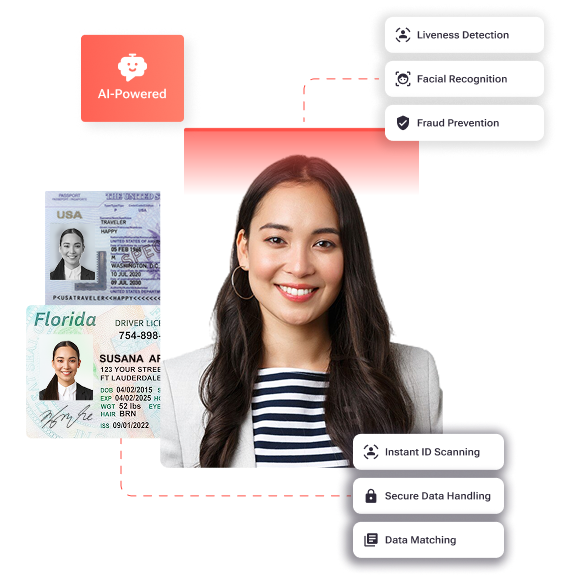
TenantEvaluation provides an all-in-one platform for Florida community associations, built for condos and HOAs with FCRA compliance at its core. The platform’s 55+ Communities Verification feature reduces manual work, standardizes application handling, and keeps documentation consistent across age-restricted properties.
Key Features for 55+ Communities:
- IDVerify biometric identity verification prevents fraud and confirms applicant identity
- QuickApprove dashboard gives boards streamlined voting and approval workflows
- Automated document collection and compliance checking
- Built-in age verification and household composition tracking
- FCRA-compliant background screening with direct credit bureau relationships
Platform Performance:
TenantEvaluation processes more than 100,000 applications each year across 5,000+ communities, delivering about 70% time savings and generating $150M for community associations. The platform maintains a 4.8/5 Google rating and offers 24/7 multilingual support.
The table below highlights three critical differences that affect processing speed and fraud prevention for 55+ communities.
| Feature | TenantEvaluation | Competitors (ApplyCheck, Verify) |
|---|---|---|
| Processing Time | 5–10 minutes (100k+ apps/year) | 5–10 days |
| 55+ Standardization | Built-in for FL condos/HOAs | Lacks HOA focus/board dashboards |
| Biometric Fraud Prevention | IDVerify (liveness/ID match) | Document-only, no biometrics |
These performance gaps explain why TenantEvaluation processes applications much faster while maintaining stronger security and compliance for Florida associations.
Experience the difference professional-grade screening delivers. Schedule a demo today to see how TenantEvaluation transforms 55+ community applications.
Conclusion: Preparing for a Smooth Florida 55+ Condo Approval
Successfully navigating the florida 55 plus condo application process requirements for buyers requires thorough preparation, complete documentation, and familiarity with both HOPA and Florida-specific regulations. The 10-step process, combined with 2026 legal updates, rewards buyers who stay organized and proactive about compliance. Digital platforms like TenantEvaluation’s 55+ Communities Verification help buyers and communities streamline each step while maintaining rigorous standards.
Prepare early, work with experienced professionals, and use modern tools to improve your approval odds in Florida’s competitive 55+ market.
Frequently Asked Questions
What is the 80/20 rule for Florida 55+ communities?
As explained in Step 2, the 80/20 rule keeps a community’s age-restricted status by requiring at least 80% of occupied units to have one resident who is 55 or older. The remaining 20% can house younger household members who meet community-specific requirements.
What documents are required for a Florida 55+ condo application?
Essential documents include a government-issued photo ID for age verification, proof of income such as tax returns, pay stubs, or retirement statements, bank statements, credit reports, employment or retirement verification letters, and references from previous housing situations. Financial documentation must show you can afford purchase costs and ongoing association fees, usually at 3–4 times monthly carrying costs.
How do 2026 Florida law changes affect 55+ condo buyers?
The 2026 transparency requirements detailed in Step 8 require associations to post key documents online, giving buyers direct access to board minutes and budgets during the application process. Additionally, under Florida Statute 718.111(12)(g), effective January 1, 2026, associations with 25 or more units that do not contain timeshare units must post digital copies of specified records within 30 days of creation. Florida Statute 718.503, effective July 1, 2025, also requires sellers to provide specific disclosures about unit condition and association finances.
How does TenantEvaluation speed up the 55+ application process?
TenantEvaluation’s 55+ Communities Verification reduces manual work, standardizes application handling, and supports documentation consistency across Florida condos and HOAs. The platform processes applications in 5–10 minutes instead of the traditional 5–10 days by using automated document collection, biometric identity verification through IDVerify, and streamlined board voting through QuickApprove dashboards designed for community association managers.
What are common red flags that lead to application rejection?
Frequent rejection reasons include incomplete financial documentation, poor credit scores, household members who do not meet age requirements, unresolved criminal background issues, and weak income verification. Failure to acknowledge community rules, inadequate preparation for board interviews, and missing required documents also cause delays and denials in competitive 55+ markets.
