Written by: Luis Teran, Co-founder, CEO, TenantEvaluation
Key Takeaways for Florida 55+ Condo Compliance
- HOPA’s 80/20 rule requires at least 80% of occupied units in 55+ condos to have one resident age 55 or older, with the remaining units occupied by residents 19 or older.
- Florida CAMs must rely on clear age verification such as driver’s licenses, birth certificates, passports, or affidavits, supported by biennial surveys.
- Manual reviews, inconsistent enforcement, guest disputes, and selective application of rules create Fair Housing Act risk.
- Guest policies limit under-55 stays, such as grandchildren visits, to protect the 80% threshold, often 30–90 days per year with registration.
- Florida 55+ condos can streamline HOPA enforcement with TenantEvaluation’s automated 55+ verification, then request a tailored demo for their community.
How the 80/20 Rule Works in Florida 55+ Condos
The 80/20 rule under HOPA states that at least 80% of a 55+ community’s occupied residential units must be occupied by at least one person 55 years of age or older. The remaining 20% of units may house residents aged 19 or older. The community must maintain this 80% threshold to preserve its HOPA exemption status.
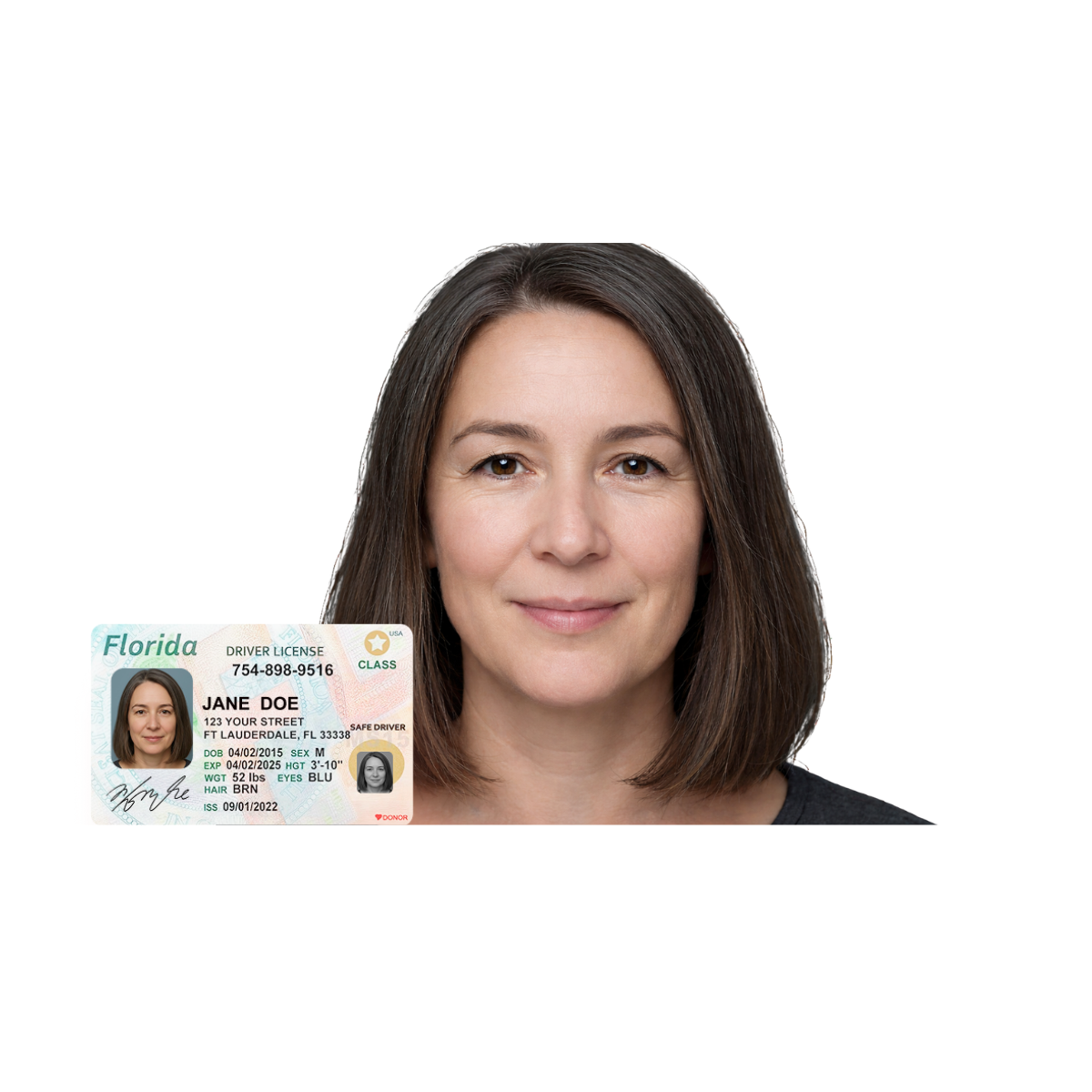
Florida 55+ communities must demonstrate three core compliance elements:
- Published Intent: Written policies that show the community intends to provide housing for persons 55 years of age or older
- Age Verification: Compliance with HUD rules for verification of occupancy through reliable surveys and affidavits
- Biennial Surveys: Regular occupancy verification every two years to confirm the 80% threshold
Florida law requires uniform enforcement to reduce HUD complaints and selective enforcement violations. Florida 55+ community associations must conduct proactive occupancy verification to ensure compliance with federal fair housing exemptions. TenantEvaluation’s 55+ Communities Verification, built for Florida condos and HOAs, improves operational efficiency by standardizing these requirements across applications. See automated compliance workflows in a live demo and apply them to your association.
Age Verification Steps for Florida 55+ Condos
Accurate age verification protects the 80/20 ratio and supports HOPA audit readiness. Florida CAMs need clear, repeatable procedures that apply the same standards to every household.
Accepted Documentation for Age Verification
- Driver’s License – A driver’s license is one of several acceptable documents (along with birth certificate, passport, and similar records) for age verification in Florida 55+ condos, but no single document is mandatory.
- Birth Certificate – A birth certificate is a reliable document that communities may use to confirm age in Florida 55+ condos.
- Passport – A passport serves as an acceptable form of identification for age verification in Florida 55+ condos.
- Third-Party Affidavits – Third-party affidavits from individuals with personal knowledge of occupants’ ages, signed under penalty of perjury, are permitted as sufficient evidence when occupants refuse to provide standard documents.
The 2026 Florida legislative session did not introduce major new requirements for community association governance. Existing HOPA compliance standards remain in place, so communities must keep following these documentation rules. Proactive verification still matters because HUD can review records at any time.
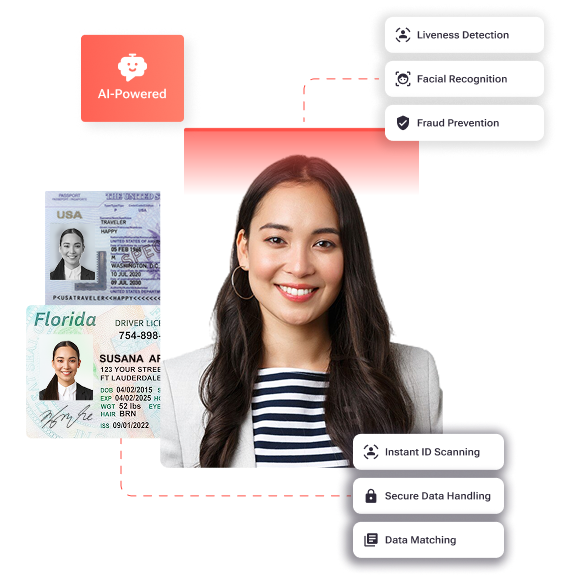
Step-by-Step Verification Process
- Require Documentation on Move-In: Collect age verification before occupancy begins for every new resident.
- Review Government-Issued Documents: Confirm that driver’s licenses, birth certificates, or passports appear authentic and match application details.
- Store in Audit-Ready Format: Maintain organized, searchable records that support HUD compliance reviews.
- Conduct Biennial Census: Survey all residents every two years and confirm that at least 80% of occupied units have a qualifying 55+ resident.
TenantEvaluation’s 55+ Communities Verification helps Community Association Managers reduce manual work and keep documentation consistent across units. Request a walkthrough of the verification workflow and see how it fits your current process.
Operational Challenges When Enforcing Age Limits
Manual age verification creates operational bottlenecks and compliance risk for Florida 55+ communities. CAMs often face inconsistent document handling, slow approvals, and disputes over guest policies involving grandchildren and adult children.
Selective enforcement, where some residents face stricter scrutiny than others, increases exposure to Fair Housing Act violations and potential HUD complaints. Clear procedures and consistent application reduce that risk.
Typical enforcement challenges include:
- Manual Document Reviews: Time-consuming verification of birth certificates and IDs for each application.
- Inconsistent Application Handling: Different standards applied by different staff members or boards.
- Guest Policy Disputes: Conflicts over how long grandchildren or adult children may stay.
- Amenity Access Restrictions: Disputes about who may use pools, gyms, or clubhouses under age-restriction rules.
These enforcement challenges stem from manual, fragmented processes. TenantEvaluation standardizes application handling across Florida condos and HOAs so CAMs can apply the same rules every time. The platform reduces manual work while improving operational efficiency for more than 5,000 communities that process over 100,000 applications each year. Built on an FCRA-compliant foundation, TenantEvaluation integrates with IDVerify for biometric identity verification and QuickApprove for board-level application management.
Guest Policies That Protect the 80/20 Threshold
Guest policies help communities balance family visits with HOPA compliance. Many 55+ communities set maximum stay durations for non-qualifying individuals such as younger family members so the 80% resident threshold remains secure.
Clear guest rules also reduce disputes because residents know what is allowed before inviting family to stay. Each policy should connect directly to HOPA requirements and the community’s published intent.
Guest Policy Checklist for HOPA Compliance
- Define maximum stay durations for under-55 guests so temporary visits do not resemble permanent occupancy.
- Establish registration requirements for extended visits to track who is on the property and for how long.
- Create specific procedures for grandchildren and family visits that reflect the community’s culture and legal obligations.
- Document all guest-related communications so the association can demonstrate consistent enforcement during audits or disputes.
Handling Violations and Documenting Enforcement
Clear violation procedures protect communities when residents or guests do not follow age rules. Consistent documentation and uniform enforcement reduce Fair Housing Act complaints and support the community’s HOPA exemption.
Boards should define steps for notices, cure periods, fines, and potential legal action, then apply those steps the same way for every household. Detailed records of each violation and response help during HUD reviews or legal challenges.
TenantEvaluation’s 55+ Communities Verification supports this enforcement work with end-to-end onboarding tailored to Florida age-restricted communities. The platform’s revenue sharing model has generated $150M for communities while maintaining a 4.8/5 Google rating.
TenantEvaluation vs. Competitors
When CAMs compare HOPA compliance tools, they need to know which platforms were built for 55+ communities and which were adapted from general tenant screening. The table below highlights how TenantEvaluation’s specialized features address age-restricted community needs.
| Feature | TenantEvaluation | ApplyCheck | Verify Screening Solutions |
|---|---|---|---|
| 55+ Age Verification Automation | Built-in for FL Condos/HOAs, reduces manual work | Basic screening only | TazWorks-based, no 55+ focus |
| Board Dashboard (QuickApprove) | Yes, real-time voting | No | No |
| Processing Time | Hours (70% faster) | Days | Days |
| Revenue Sharing | Yes, $150M generated | Subscription | Subscription |
TenantEvaluation’s FCRA-compliant foundation and Florida-specific design make it a strong choice for Community Association Managers who oversee 55+ properties. Explore the 55+ Communities Verification feature in a demo and review how it supports your enforcement policies.
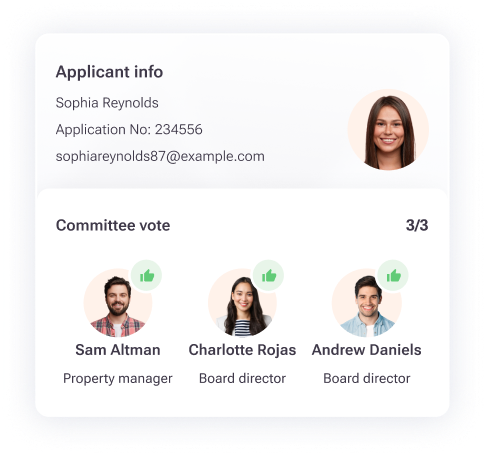
Effective age-limit enforcement in condos depends on systematic documentation, uniform procedures, and consistent application of HOPA requirements. TenantEvaluation’s 55+ Communities Verification strengthens internal processes while reducing administrative burden for Florida CAMs. The platform’s focus on community associations, combined with automated workflows and compliance-ready documentation, supports reliable HOPA enforcement in 2026.
Next steps for CAMs include preparing for biennial surveys, updating guest policies, and maintaining audit-ready documentation. Get started with TenantEvaluation and book a demo to modernize your age verification process.
FAQ
Can someone under 55 live in Florida 55+ communities?
Yes. Up to 20% of units may house residents aged 19 or older under HOPA regulations. However, at least 80% of occupied units must have at least one resident 55 or older to maintain the community’s age-restricted status. TenantEvaluation’s 55+ Communities Verification helps standardize these eligibility requirements across applications and reduces manual verification work for Florida CAMs.
How long can grandchildren stay in 55+ condos?
Guest policies usually set short-term stay limits for grandchildren and other under-55 family members to protect the 80/20 ratio required by HOPA. Individual communities set their own maximum durations, often between 30 and 90 days per year. Longer visits may require special approval and documentation so the community can confirm continued compliance with federal age restrictions.
What are the risks of selective enforcement in HOPA communities?
Selective enforcement, where age verification rules apply inconsistently across residents, can trigger Fair Housing Act violations and HUD complaints. Communities risk losing their HOPA exemption status if they cannot show uniform application of age restrictions. This exposure can create significant legal costs and force policy changes that weaken the community’s age-restricted character.
What changes did Florida law make for 55+ communities in 2026?
The 2026 Florida legislative session did not introduce major new requirements for 55+ community governance, so existing HOPA compliance standards remain in effect. Communities must continue proactive age verification and documentation practices to prepare for potential audits. The focus remains on systematic record-keeping and consistent enforcement procedures.
Can adult children live permanently in 55+ communities?
Adult children may live in 55+ communities only within the 20% of units designated for residents aged 19 to 54, and only if the overall community still maintains 80% of occupied units with at least one resident age 55 or older. Permanent residency by multiple adult children can jeopardize HOPA compliance if it pushes the community below the required 80% threshold. Communities should monitor occupancy ratios closely and may need to limit these arrangements.
