Written by: Luis Teran, Co-founder, CEO, TenantEvaluation
Key Takeaways for Florida 55+ Condo Age Verification
- Florida 55+ condos must maintain HOPA compliance by showing that 80% of occupied units have at least one resident aged 55 or older, verified every two years with documents such as driver’s licenses, passports, or birth certificates.
- Manual age verification increases administrative work, compliance risk, and fraud exposure, especially in high-inventory markets like Polk County.
- Automated tools simplify initial applications, guest policies, recordkeeping, and 80/20 tracking while supporting board oversight and audit readiness.
- Common issues include survey delays, missing documents, and inconsistent standards, which digital platforms address with biometric checks and automated workflows.
- Choose TenantEvaluation’s 55+ Communities Verification for Florida-focused automation, 70% time savings, and proven results, and see how it works for your community to upgrade your compliance process.
Why Accurate 55+ Age Verification Matters for Florida Condos
The Housing for Older Persons Act provides federal fair housing exemptions for age-restricted communities. Maintaining this protection requires consistent, well-documented age verification that meets specific HOPA standards. Florida 55+ condos must demonstrate that at least 80% of occupied units have at least one resident aged 55 or older, with vacant units excluded from the calculation.
Improper or incomplete age verification can cause loss of HOPA exemption status. This loss exposes communities to fair housing complaints and potential legal action. Condominium Associates notes that proof of compliance may be requested at any time, so audit-ready documentation becomes essential for protecting the community’s legal position.
Current market conditions increase the urgency of strong verification practices. Florida 55+ communities face high inventory levels, and maintaining HOPA status helps preserve community character and property values. CAMs who manage multiple properties feel growing pressure to standardize verification while keeping administrative work manageable. Understanding the specific HOPA requirements that drive these verification needs is essential for building effective compliance systems.
HOPA Rules, Florida’s 80/20 Standard, and Accepted Age Documents
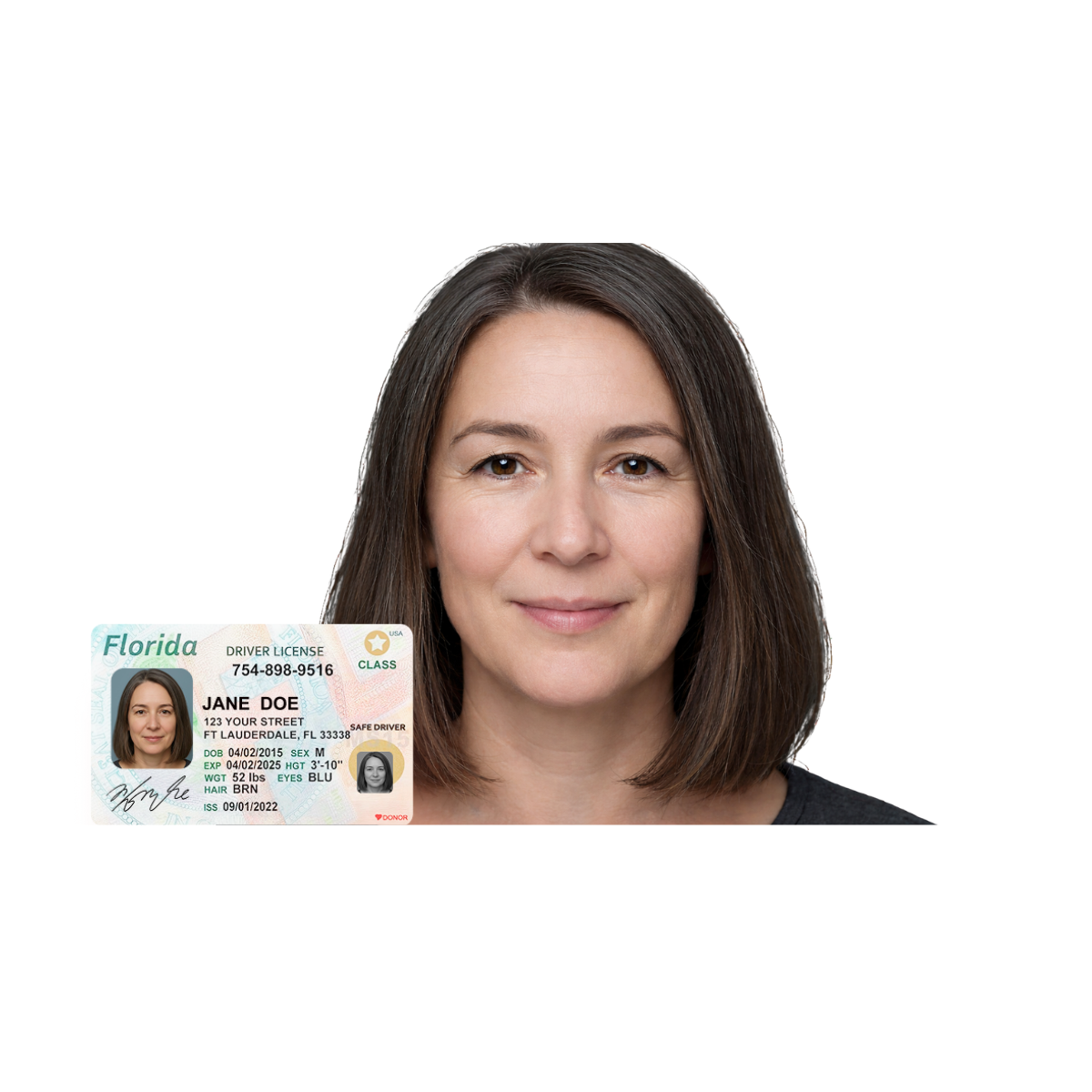
The Housing for Older Persons Act sets the legal framework for age-restricted housing. Florida condos that operate as 55+ communities usually state this intent in their CC&Rs or Declaration and reference the 80/20 requirement in their governing documents.
The 80/20 rule requires that at least 80% of occupied units include one resident aged 55 or older, with vacant units excluded from the calculation. This rule also allows up to 20% of occupied units to house residents under 55, as long as they meet community rules such as minimum ages for younger spouses or adult children.
Commonly Accepted Age Verification Documents:
- Driver’s license
- Passport
- Birth certificate
- Affidavit from a household member over 18
Florida 55+ communities must distribute mandatory age verification surveys to all occupied units at least once every two years as part of the biennial age census. This recurring survey confirms that the community still meets HOPA standards and supplies current documentation for any future audit.
Current Trends in Florida 55+ Communities: Fraud, Regulation, and Digital Tools
Florida’s 55+ communities face rising identity fraud attempts and stronger expectations for digital processes in 2026. Paper-based verification systems create gaps that dishonest applicants can exploit, and manual review adds strain for CAMs across large markets such as Miami and Jacksonville.
Many communities now move toward digital verification platforms that support compliance while cutting routine paperwork. Modern systems combine biometric identity checks with automated document validation. These tools reduce fraud risk and give property management teams a more efficient, trackable workflow.

Step-by-Step Florida 55+ Age Verification Process
A clear, repeatable age verification process supports consistent decisions and reliable compliance. Verification starts at application intake, when primary and secondary residents submit acceptable proof of age before the board or management approves the file.
Initial Verification Steps:
- Collect required age verification documents from all household members.
- Confirm that each document is authentic, legible, and complete.
- Record how the household fits into the community’s 80/20 compliance tracking.
- Store records securely in a system that supports quick retrieval during audits.
Guest and Visitor Policies in Florida 55+ Communities:
Florida 55+ communities must define clear rules for under-55 visitors and household members to protect HOPA status while still allowing family stays. The table below summarizes common limits on stay length and age for different visitor types.
| Visitor Type | Maximum Stay | Age Restrictions |
|---|---|---|
| Under-55 Guests | Varies by community | Community-specific rules |
| Adult Children | Permanent with 55+ resident | Typically 18+ years |
| Grandchildren | Limited visits | No permanent residency |
Under-55 residents can live in Florida 55+ communities in specific situations. Under-55 adults may live with a qualifying 55+ resident as long as the community maintains at least 80% of households with one resident aged 55 or older.
Adult children over 18 can usually live with a qualifying 55+ household member. However, minors generally cannot live as permanent residents in Florida 55+ communities.
Compliance Risks, Recordkeeping, and Governance for 55+ HOAs
Strong recordkeeping and clear governance protect a community’s HOPA status. Age verification documentation must be collected, organized, and maintained in audit-ready condition to protect the community’s HOPA exemption status.
Board oversight keeps age verification policies applied consistently and creates accountability for compliance decisions. This oversight should include regular reviews of verification procedures to catch gaps early and keep practices aligned with changing regulations and community expectations.
These reviews involve sensitive age-related information, so communities must handle data with strict privacy controls. Secure storage systems should protect resident records from general membership access while still supporting FCRA compliance when background screening accompanies age checks.
Common Pitfalls in Florida 55+ Condo Age Verification
Manual age verification introduces many points where compliance can fail. Frequent issues include missing documents, slow or incomplete survey responses, and inconsistent standards across properties or management teams.
Delays during biennial age census periods can temporarily push reported numbers below the 80/20 threshold. This drop creates exposure until the community receives and records all responses. Fraudulent or altered documents add further risk because paper-based systems rarely include strong tools to detect tampering.
Best Practices: Automating with TenantEvaluation’s 55+ Communities Verification
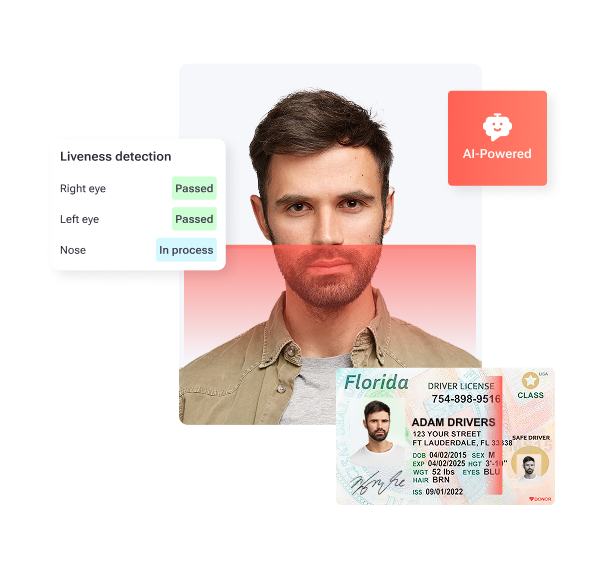
TenantEvaluation’s 55+ Communities Verification replaces manual age verification with an automated process tailored to Florida condos and HOAs. The platform cuts repetitive work, standardizes application handling, and supports consistent documentation for every age-restricted file.
Built for Florida communities, the system fits into existing workflows and gives Community Association Managers better visibility into each application. Automated document collection, status tracking, and compliance reporting help boards and managers respond quickly to audit or legal requests.
Key features include integration with IDVerify for biometric identity checks and the QuickApprove dashboard for board review. With more than 5,000 communities served, over 100,000 applications processed each year, and 70% time savings, TenantEvaluation shows consistent performance backed by a 4.8/5 Google rating.

“It’s fast, it’s easy, it makes every transaction seamless. Love it. I wish all Condominiums would have it, makes my job and the application easier,” reports a property management professional. Partnerships with firms such as RealManage highlight the platform’s enterprise-grade reliability and adoption.
Request a personalized walkthrough to see how 55+ Communities Verification can simplify your age verification process and support your board.
How to Compare 55+ Verification Solutions
Choosing an age verification platform requires a close look at processing speed, automation depth, compliance support, and Florida-specific expertise. The right solution reduces manual work while improving documentation quality and control.
| Feature | TenantEvaluation | ApplyCheck | Verify Screening Solutions |
|---|---|---|---|
| Processing Time | Hours (70% savings) | Days | Days |
| Automation Level | End-to-end workflow | Basic screening | Basic screening |
| Florida 55+ Specialization | Built-in capability | Generic approach | Generic approach |
Fraud prevention tools and scalability across many properties matter for management companies that oversee multiple 55+ communities. Integration with existing property management software and board portals supports smooth adoption without disrupting daily operations.
Next Steps for Streamlined 55+ Verification in Florida
Efficient Florida 55+ condo age verification depends on solid planning, the right technology, and ongoing monitoring. Communities that adopt automated verification systems reduce administrative strain, strengthen compliance files, and improve day-to-day operations.
TenantEvaluation’s 55+ Communities Verification gives Florida condos and HOAs the tools they need to modernize age verification while staying aligned with HOPA. Explore a live demo to see how automated age verification can support your community’s compliance and long-term stability.
FAQ: Florida 55+ Age Verification Questions
What documents are required for Florida 55+ age verification?
Florida 55+ communities collect proof of age such as driver’s licenses, passports, birth certificates, or affidavits from household members over 18. These documents support both initial applications and ongoing age census requirements. Communities should publish clear policies that list acceptable documents and maintain secure systems for storing all age verification records.
How often must Florida 55+ communities conduct age verification surveys?
HOPA requires Florida 55+ communities to distribute age verification surveys to all occupied units at least once every two years as part of the biennial age census. This recurring survey confirms ongoing compliance with the 80/20 rule and keeps documentation current for any future audit.
Can guests under 55 stay in Florida 55+ condos?
Guests under 55 can usually stay in Florida 55+ condos, subject to each community’s rules. Most communities allow children and grandchildren to visit for limited periods that the board or documents define. Some associations apply stricter limits on under-55 visitors to protect the age-restricted character of the property.
Can my adult child live in a 55+ community in Florida?
Adult children over 18 can typically live in a Florida 55+ community if they share a unit with a qualifying resident aged 55 or older. The household must still support the community’s 80/20 compliance, so at least one resident in the unit must be 55 or older. Some communities add further rules, such as minimum ages for younger residents or caps on the number of under-55 occupants.
What happens if a Florida 55+ community falls below the 80% threshold?
Communities that fall below the 80% threshold risk losing HOPA exemption status, which may expose them to fair housing complaints and legal disputes. Boards must act quickly by accelerating age verification, reviewing occupancy records, and limiting new under-55 residents until compliance returns. Continuous monitoring of age data helps communities spot potential issues early and protect their HOPA status.
