Written by: Luis Teran, Co-founder, CEO, TenantEvaluation
Key Takeaways
- Florida 55+ communities qualify for Fair Housing Act exemptions under HOPA by maintaining the 80/20 rule, with at least 80% of units occupied by someone 55+.
- HOPA requires published senior housing intent, reliable age verification procedures, and proper documentation for ongoing compliance.
- State registration requirements for 55+ communities have been eliminated, but HOAs must still prove occupancy ratios and verification processes during audits.
- Manual age verification creates inconsistencies, delays, and fraud risks. Automated systems with biometric checks standardize workflows and support audit readiness.
- TenantEvaluation’s 55+ Communities Verification platform automates compliance for Florida HOAs. See how it works for your community to streamline your processes.
How the 80/20 Rule Shapes 55+ Community Operations
The Housing for Older Persons Act (HOPA) establishes the 80/20 rule requiring at least 80% of occupied units to have at least one resident aged 55 or older, while allowing up to 20% of units to be occupied by people who do not meet the age requirement. This federal standard serves as a floor, not a ceiling, so communities can adopt stricter policies that require 100% of households to have a 55+ resident.
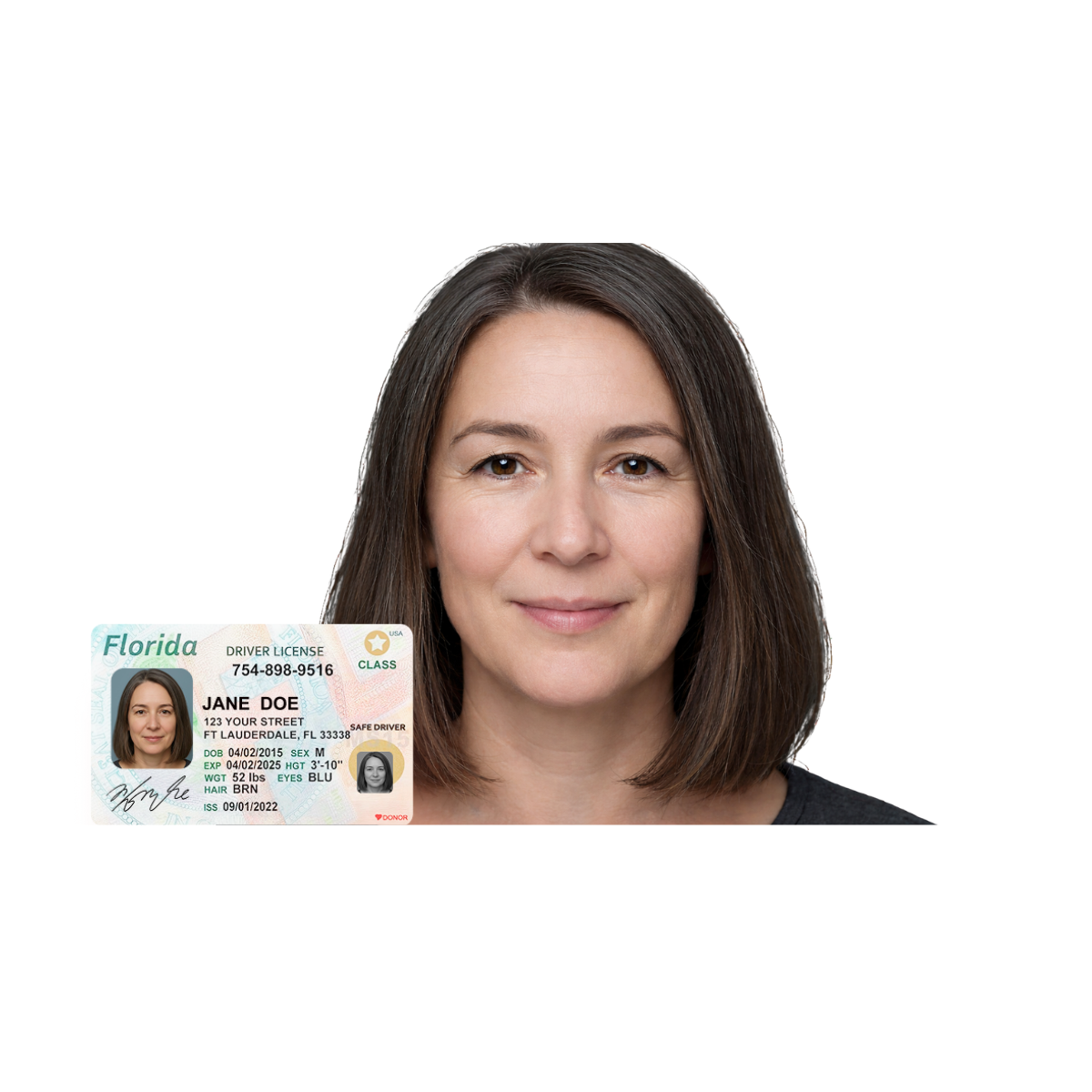
HOPA compliance requires four essential criteria:
- 80% occupancy requirement with proper age verification
- Published intent to serve older adults through policies and amenities
- Established verification procedures for ongoing age confirmation
- Documented rules and marketing materials reflecting senior housing focus
Meeting these four criteria requires a comprehensive operational framework that covers policy development, resident screening, documentation management, board review processes, and regular compliance audits. 55+ housing facilities or communities must maintain procedures for ongoing age verification using reliable documents such as driver’s licenses, birth certificates, passports, or certifications/affidavits signed by a household member aged 18 or older. These federal requirements form the foundation, and Florida adds its own regulatory layer.
Florida Legal Landscape for 55+ Communities
Florida 55+ communities operate under both federal HOPA requirements and state-specific regulations. State registration and reporting requirements for 55+ communities with the Florida Commission on Human Relations have been eliminated, yet Florida’s regulatory environment still requires community association boards to maintain the HOPA compliance criteria discussed above, particularly during audits or Fair Housing investigations.
Recent trends show increasing scrutiny of age verification processes, with Florida statutes imposing specific notices, filings, and deadlines that must be tracked for full compliance. The state’s large population of age-restricted communities faces growing application volumes and evolving compliance expectations, which drives demand for standardized verification systems.
Age Verification Steps for Florida 55+ HOAs
Age verification in Florida 55+ communities relies on systematic collection and review of government-issued identification documents. HOPA requires communities to maintain age-verification records and policies demonstrating intent to operate as senior housing. Effective processes use intelligent application forms that request the right age documentation based on applicant type, standardized workflows for primary and additional residents, and consistent verification timing across all applications.

Strong verification programs use driver’s licenses, birth certificates, and government-issued IDs while maintaining clear documentation trails. Communities also define procedures for handling verification disputes and apply age requirements consistently across all residents and rental situations. Beyond these operational procedures, communities must navigate a broader compliance landscape where age verification intersects with other regulatory requirements.
HOPA Compliance, Risk Management, and Governance
HOPA compliance intersects with Fair Credit Reporting Act (FCRA) requirements when communities conduct resident screening. Boards must maintain comprehensive audit trails, follow non-discriminatory verification processes, and implement reliable recordkeeping systems. Community associations enforce age rules and maintain age-verification records under HOPA guidance. Strong governance includes regular compliance reviews, board oversight of verification procedures, and documentation of all age-related decisions.
Operational Challenges in 55+ Age Verification
Florida HOAs and condominiums face significant operational challenges with manual age verification processes. Common issues include inconsistent document collection through email exchanges, incomplete application submissions that require multiple follow-ups, and processing delays that affect move-in timelines. Verification disputes often lack proper documentation trails when handled through ad hoc methods.
Manual processes also increase exposure to fraud because identity confirmation remains weak and fragmented. These approaches add administrative burden for Community Association Managers, who spend valuable time chasing documents instead of focusing on resident service and strategic board support.
Technology-Driven Standards for 55+ Verification
Standardized workflows reduce inconsistencies in age verification, and automated document collection shortens processing times. Modern verification systems should integrate biometric identity confirmation through solutions like IDVerify to strengthen fraud prevention. They should also provide board transparency through platforms such as QuickApprove dashboards that centralize application review.
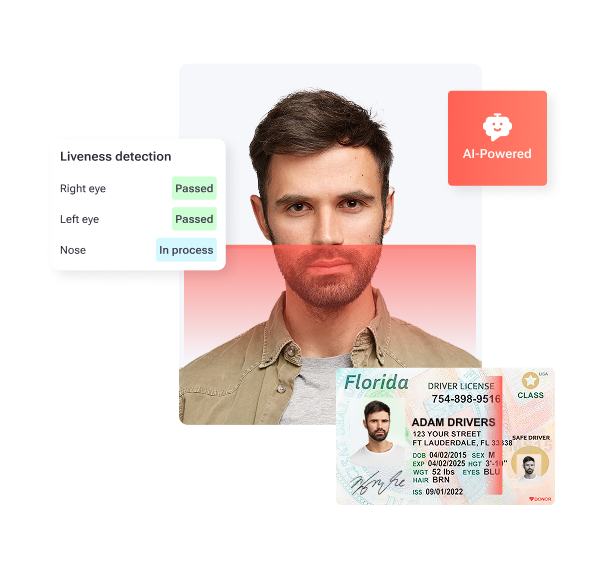
TenantEvaluation’s 55+ Communities Verification addresses these challenges through a platform built specifically for Florida condos and HOAs. The system reduces manual work by automating document collection and verification workflows. This automation enables standardized application handling across all 55+ requirements, which supports documentation consistency for audit readiness. The result is improved operational efficiency for Community Association Managers and scalable processes for boards that oversee multiple communities.
Request a personalized walkthrough to see how TenantEvaluation’s specialized 55+ verification capabilities streamline compliance for your Florida community.
How TenantEvaluation Compares on Key 55+ Criteria
When evaluating 55+ verification solutions, Florida communities should assess efficiency gains, Florida-specific customization, board transparency features, and processing scale. The table below compares how TenantEvaluation performs against two competitors across these four critical dimensions and shows why TenantEvaluation leads the market.
| Criteria | TenantEvaluation | ApplyCheck | Verify Screening Solutions |
|---|---|---|---|
| Efficiency (Time Savings) | 70% reduction | Manual-heavy | Basic automation |
| FL 55+ Customization | Built-in | Generic | None |
| Board Transparency | QuickApprove dashboard | Limited | Email-based |
| Scale (Apps/Year) | 100k+ | Lower | Lower |
TenantEvaluation’s revenue-sharing model generates income for communities while providing comprehensive verification capabilities. Competing subscription-based platforms often deliver limited Florida-specific features and less flexibility for association budgets.
Implementation Checklist for Stronger 55+ Verification
Communities ready to strengthen their 55+ verification processes can follow this five-step implementation sequence to build comprehensive and sustainable compliance.
| Step | Action |
|---|---|
| 1 | Standardize age doc requirements |
| 2 | Automate verification workflows |
| 3 | Enable board dashboard |
| 4 | Maintain biennial audits |
| 5 | Integrate biometric checks |
Frequently Asked Questions
What is the 80/20 rule in a 55+ community?
As explained earlier, the 80/20 rule requires at least 80% of occupied units to have someone aged 55 or older. This federal standard enables communities to qualify for Fair Housing Act exemptions from familial status protections. TenantEvaluation’s 55+ Communities Verification helps Florida associations maintain accurate occupancy tracking and documentation to support 80/20 compliance.
Are 55+ communities legal in Florida?
Yes, 55+ communities are legal in Florida under both federal HOPA and state regulations. Florida Statutes Section 760.29(4)(b)3.a. requires that at least 80 percent of the occupied units are occupied by at least one person 55 years of age or older for communities to qualify for the exemption from familial status provisions. While the state previously required registration with the Florida Commission on Human Relations, those requirements have been eliminated, which simplifies compliance for community associations.
How should HOAs handle age verification in 55+ communities?
Age verification requires systematic collection of government-issued identification documents, standardized review procedures, and consistent application across all residents. Best practices include automated document collection, biometric identity confirmation, board dashboard oversight, and comprehensive audit trails. Proper verification protects communities from compliance risks while ensuring fair application of age requirements.
What does “55+ communities verification Florida” include?
Florida 55+ communities verification covers the full process of confirming resident ages, maintaining HOPA compliance documentation, and supporting regulatory expectations. This work includes initial application screening, ongoing resident monitoring, biennial compliance audits, and organized recordkeeping for regulatory reviews. Effective verification systems integrate with community association workflows while maintaining transparency for board oversight.
Can communities be stricter than the 80/20 rule?
Yes, communities can implement stricter age requirements than the federal 80/20 minimum. Many Florida 55+ communities require 100% of households to have at least one resident aged 55 or older, which effectively removes the 20% allowance for younger residents. Communities adopt these requirements through governing documents and must apply them consistently across all applications and residents.
Conclusion and Next Steps
Fair housing 55+ communities in Florida need a clear understanding of HOPA compliance, state-specific regulations, and effective age verification processes. Successful communities use standardized workflows, maintain complete documentation, and rely on technology that reduces manual work while strengthening compliance. Schedule a demo today to evaluate how TenantEvaluation’s specialized platform can transform your community’s approach to fair housing 55+ communities verification and compliance.
