Written by: Luis Teran, Co-founder, CEO, TenantEvaluation
Key Takeaways for Florida 55+ Application Compliance
- Florida 55+ communities must comply with HOPA’s 80/20 rule. At least 80% of occupied units must house one resident who is 55 or older to maintain age-restricted status.
- Communities can standardize applications with a seven-step process that covers policy framework, uniform forms, verification, board workflows, automation, census monitoring, and audits.
- Common challenges such as incomplete documentation, processing delays, and fraud risks become manageable when communities use consistent workflows and digital automation.
- TenantEvaluation’s platform delivers end-to-end 55+ verification with biometrics and board dashboards, creating time savings of up to 50 hours daily across community operations.
- Implement these strategies today and begin streamlining your application process with purpose-built automation for Florida 55+ communities.
Florida 55+ Community Rules and the 80/20 Compliance Standard
The Housing for Older Persons Act (HOPA) sets the 80/20 rule that governs Florida 55+ communities. At least 80% of occupied units must include one person who is 55 years or older. Up to 20% of units may house younger residents who qualify under family or caregiver status, as long as the community maintains overall compliance. Communities may also define their own census schedules and verification periods within this federal framework.
Age verification documentation can include government-issued identification such as birth certificates, driver’s licenses, or passports. Florida communities require consistent documentation standards to maintain compliance and avoid fair housing challenges. The table below shows how proper 80/20 compliance compares with common mistakes that can put a community’s age-restricted status at risk.

| Aspect | 80/20 Compliant | Non-Compliant Pitfalls |
|---|---|---|
| Occupancy | 80% units with 55+ resident | <80% risks HUD loss of exemption |
| Under-55 | ≤20% (e.g., dependents) | Ad-hoc approvals void status |
| Verification | Uniform docs (ID/birth cert) | Inconsistent, fair housing suits |
Beyond the 80/20 occupancy requirement, communities frequently face questions about ownership versus residency restrictions. The critical question “can someone under 55 buy in 55+ Florida” has a clear answer: Under-55 buyers can purchase homes in Florida 55+ age-restricted communities, but age restrictions apply to who can live there, not ownership. The 20% allowance also permits certain younger family members, such as adult children or caregivers, as long as the community maintains overall 80/20 compliance.
Seven-Step Guide to Standardize Your 55+ Application Process
A clear, repeatable application process protects your 55+ status and reduces administrative stress. The following seven steps create a practical framework that boards and CAMs can implement across every application.
Step 1: Draft a Comprehensive Policy Framework
Align community bylaws with HOPA requirements and Florida statutes. Define age verification protocols, documentation standards, and approval workflows that protect your community’s age-restricted status and guide consistent decisions.
Step 2: Create Uniform Application Forms
Use standardized forms that capture age documentation, income verification, and family composition details in the same way for every applicant. Replace scattered PDF versions and email-based submissions that create compliance gaps and confusion.
Step 3: Implement Consistent Verification Procedures
Set uniform document review processes that include credit screening, background checks, and age verification protocols. TenantEvaluation’s 55+ Communities Verification automates document review and ensures consistent handling across all submissions.

Step 4: Design Board Review Workflows
Translate verified application data into a clear board review process. Define timelines, voting procedures, and documentation requirements so board members can make decisions quickly and confidently. Use dashboard systems that show real-time application status and support streamlined decision-making.
Step 5: Automate Notifications and Tracking
Adopt automated communication for status updates, missing document requests, and approval notifications. Reduce manual follow-up calls and long email threads so staff can focus on higher-value community management work.
Step 6: Establish Ongoing Census Monitoring
Track 80/20 compliance on a continuous basis rather than only during audits. Maintain systems for resident status updates and demographic reporting so you can demonstrate compliance at any time.
Step 7: Conduct Regular Audits and Refinements
Schedule quarterly reviews of application processes, compliance metrics, and workflow efficiency. Identify bottlenecks, adjust procedures, and update documentation so your process stays aligned with regulations and community needs.
Customizable 55+ Checklist:
- Start with a uniform application form that captures age fields consistently across all submissions.
- Define which age verification documents you will require, such as a driver’s license, birth certificate, or passport.
- Implement screening that combines credit checks, background verification, and 55+ age confirmation in one workflow.
- Enable board members to review applications through a centralized dashboard that presents all verification data in one place.
- Automate status notifications to applicants and maintain a complete audit trail for compliance and board records.
Common 55+ Application Challenges and Practical Fixes
Florida 55+ communities face recurring application problems that slow approvals and create compliance risk. These issues often appear together and compound each other when processes rely on email and paper files.
- Incomplete Age Documentation: Applicants frequently submit insufficient or invalid age verification documents, which triggers multiple follow-up requests and delays approvals.
- Processing Delays: Manual review processes create bottlenecks that stretch application timelines from days to weeks, frustrating applicants, realtors, and board members.
- Identity Fraud Risks: Traditional document-based verification cannot reliably prevent impersonation attempts or synthetic identity fraud in high-value communities.
- Administrative Burden: CAMs spend excessive time managing email communications, PDF reviews, and manual data entry instead of focusing on strategic community management.
- Ad-hoc Approval Decisions: Inconsistent application handling creates compliance vulnerabilities and potential fair housing issues that threaten community status.
Successful communities address these challenges with transparency, thorough recordkeeping, and standardized workflows. Digital automation removes manual bottlenecks and applies age verification criteria consistently across every application.
Digital Automation for Florida 55+ Communities: Why TenantEvaluation Stands Out
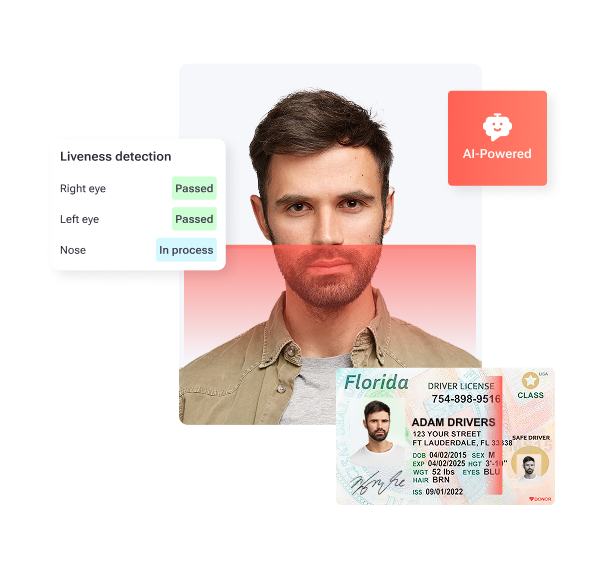
TenantEvaluation has supported Florida communities since 2007 and processes more than 100,000 applications each year across over 5,000 communities. The platform’s 55+ Communities Verification reduces manual work, standardizes application handling, supports documentation consistency, and is built specifically for Florida condos and HOAs.
Key features include IDVerify for biometric identity verification and QuickApprove for streamlined board decision-making. The platform saves communities up to 50 hours daily while generating over $150 million in revenue for clients, with documented savings of $240,000 annually for individual management companies.

| Feature | TenantEvaluation | ApplyCheck | Verify Screening | AppFolio |
|---|---|---|---|---|
| End-to-End 55+ Workflow | Yes (docs + biometrics + board) | Screening-only | Screening-only | PM-focused |
| Florida 55+ Specific | Yes | No | No | Generic |
| Revenue Share | Yes ($150M gen.) | Subscription | Subscription | Subscription |
| Time Savings | 50 hrs/day | Manual gaps | Manual gaps | Partial |
TenantEvaluation’s 55+ Communities Verification improves operational efficiency and strengthens internal processes while supporting Florida communities’ unique regulatory requirements. See the platform in action to experience the comprehensive automation that transforms application workflows.
Standardizing your 55+ community application process protects your age-restricted status and reduces administrative burden for CAMs and boards. The seven-step blueprint and checklist give Florida communities a clear path from manual processes to consistent, compliant workflows. Conduct an audit of your current processes today and identify specific opportunities for improvement. Request a personalized walkthrough to see how TenantEvaluation’s specialized platform addresses your community’s application challenges.
FAQ
What documents prove 55+ eligibility in Florida communities?
Common documents that prove 55+ eligibility in Florida communities include driver’s licenses, birth certificates, or passports. Communities must maintain consistent documentation standards across all applications to ensure HOPA compliance and avoid fair housing violations. Standardized verification processes eliminate inconsistencies that create legal vulnerabilities while streamlining administrative workflows for Community Association Managers.
How does the 80/20 rule work in Florida 55+ communities?
The 80/20 rule mandates that 80% of occupied units house at least one resident 55 years or older, while permitting up to 20% of units to accommodate younger family members under specific circumstances. Flexibility in census verification requirements can benefit compliant communities. Maintaining accurate demographic records and consistent application processes ensures ongoing compliance with federal HOPA requirements.
What is the best way to standardize 55+ verification in Florida?
Effective standardization requires implementing the seven-step blueprint: policy framework development, uniform application forms, consistent verification procedures, board review workflows, automated notifications, ongoing census monitoring, and regular audits. Digital platforms like TenantEvaluation’s 55+ Communities Verification automate these processes while ensuring compliance with Florida-specific regulations and reducing administrative burden for CAMs and boards.
Can someone under 55 buy in a 55+ community in Florida?
Yes, ownership is not age-restricted in Florida 55+ communities, only residency. Buyers of any age can purchase property, but the 80/20 rule still governs who can live in the units. Communities must document any under-55 residents carefully to maintain compliance with HOPA and their own governing documents.
What are the key Florida 55+ community application requirements?
Florida 55+ communities must implement uniform age verification processes, income screening protocols, and documentation standards that comply with both HOPA federal requirements and state regulations. Applications must include documentation to verify age eligibility and family composition details. Standardized screening procedures ensure consistent application of criteria while protecting communities from fair housing violations and maintaining age-restricted status.
