Written by: Luis Teran, Co-founder, CEO, TenantEvaluation
Key Takeaways for Florida 55+ Condo Compliance
- HOPA’s 80/20 rule requires at least 80% of occupied units in Florida 55+ condos to have one resident aged 55 or older to keep exemption from Fair Housing Act familial status rules.
- Communities must verify ages every two years using government IDs, birth certificates, or affidavits, and keep organized records to defend compliance during audits.
- Younger spouses can live with 55+ residents, but minors under 18 cannot live there permanently, and communities enforce strict guest visit limits.
- Florida Statutes Chapters 718 and 720 allow age restrictions in governing documents, and non-compliance can trigger lawsuits, fines, and loss of HOPA protections.
- Florida CAMs and HOAs can automate compliance with TenantEvaluation’s IDVerify and QuickApprove tools by scheduling a demo to simplify 55+ verification.
How the 80/20 Rule Works for Florida 55+ Communities
The Housing for Older Persons Act (HOPA), a federal law, requires that at least 80% of occupied units in a 55+ community have at least one resident aged 55 or older to qualify for exemption from Fair Housing familial status discrimination prohibitions. This framework allows Florida condominiums and HOAs to restrict residency based on age while staying compliant with fair housing regulations.
HOPA sets three core requirements for qualifying 55+ communities:
- 80% occupancy threshold: At least 80% of occupied units must house one or more residents aged 55 or older.
- Intent demonstration: Communities must publish and follow policies and procedures that show an intent to provide housing for persons 55 years or older.
- Age verification procedures: Communities must maintain reliable, ongoing verification processes for all residents.
Communities must publish and adhere to policies and procedures that demonstrate an intent to provide housing for persons 55 years or older under HOPA.
Florida condominiums are governed by Chapter 718 F.S., while Chapter 720 F.S. governs homeowners’ associations. 55+ communities must meet HOPA’s federal minimum of 80% of units having at least one 55+ resident but can adopt stricter rules, such as requiring 100% of households to have a 55+ resident. These restrictions must appear clearly in the community’s declaration and governing documents, with regular age verification surveys and affidavits, to remain enforceable under federal regulations such as 24 C.F.R. §100.307.
See how automated age verification can help you maintain audit-ready documentation and defend your HOPA exemption status.
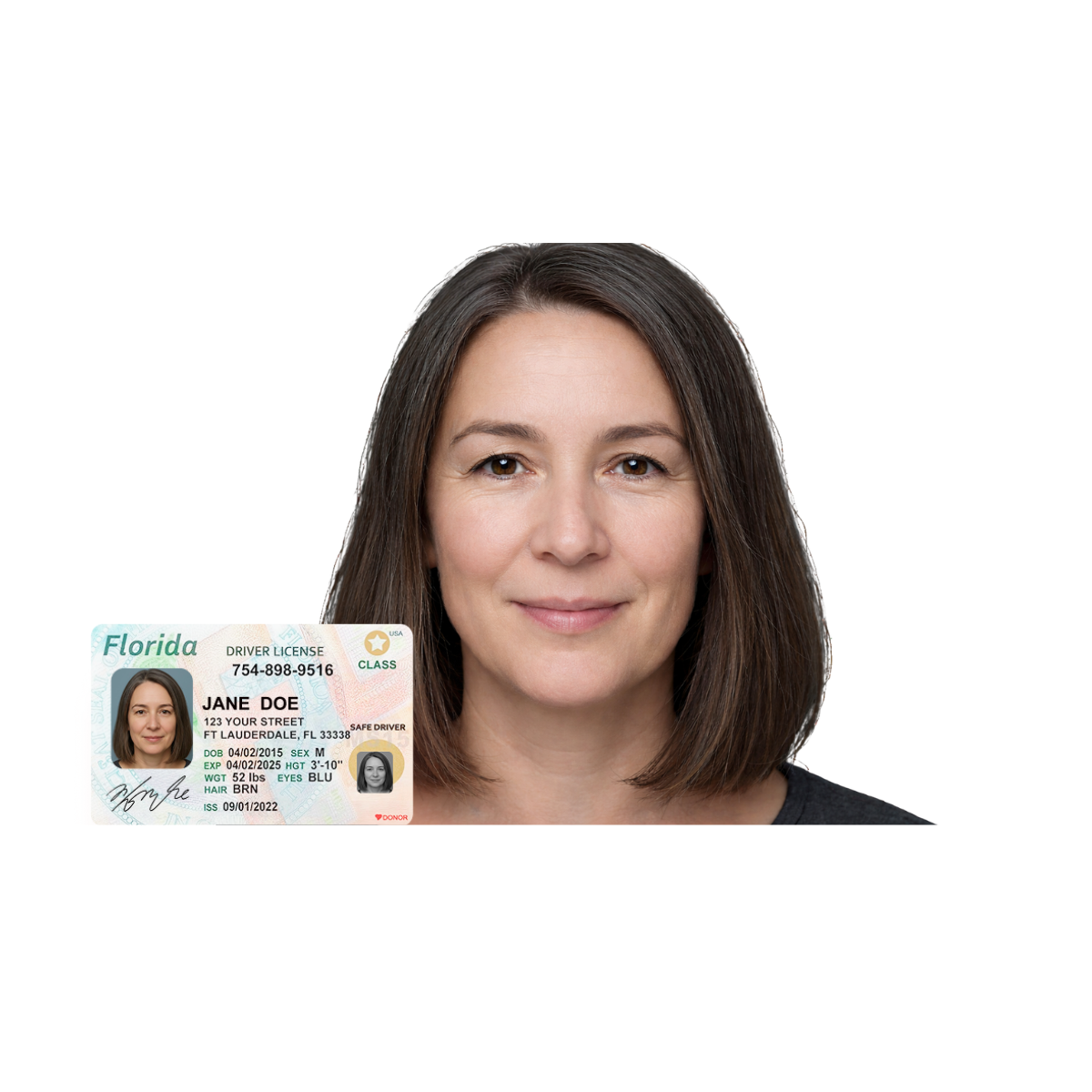
Age Verification Requirements Every 2 Years
Under HOPA, communities must maintain reliable procedures for ongoing age verification of all residents, including review of government-issued birth certificates, driver’s licenses, IDs, or third-party affidavits. This biennial verification process requires consistent document collection and careful record maintenance to protect HOPA exemption status.
Essential age verification checklist for CAMs:
- Resident notification: Send formal notice to all unit owners 60 days before the verification deadline.
- Document collection: Accept the government-issued documents described above or sworn affidavits.
- Verification review: Confirm document authenticity and age qualification for each household.
- Record maintenance: Store verification documents in secure, audit-ready files.
- Compliance tracking: Monitor HOPA’s 80% threshold and document any changes in occupancy status.
Most 55+ communities rely on these government-issued documents to verify age at application or title transfer. CAMs should use consistent procedures for incomplete submissions and non-responsive residents.

Edge cases need special attention, including households with younger spouses, adult children over 18, and temporary residents. Under HOPA, if a resident refuses to provide evidence of age, the community may use an affidavit from a person not in the household with personal knowledge (stating how they know and signed under penalty of perjury), government documents such as local household census reports, or previously completed verification forms to confirm whether the resident meets the 55+ age requirement. Documentation of these methods remains critical for defending HOPA exemption status during audits or legal challenges.
HOPA Rules for Spouses and Children in 55+ Condos
Under HOPA’s 80% threshold, younger spouses and adult children over 18 may reside in qualifying units, while minors under 18 cannot live there permanently. These rules create enforcement complexities for CAMs who must track occupancy and guest activity.
Spouse residency guidelines:
- No age restriction: Spouses of qualifying 55+ residents may be any age.
- Household qualification: Only one spouse must meet the 55+ requirement.
- Documentation requirements: Associations may require marriage certificates for verification.
Children and guest policies require clear rules and consistent enforcement. HOPA does not specify an exact age cutoff for minors; most 55+ communities prohibit permanent residency for those under 18 or 19 while allowing visits from children and grandchildren for typically 15 to 30 days per year. Adult children over 18 may reside permanently if they qualify under disability provisions or other HOPA exceptions.
Common enforcement pitfalls include:
- Inconsistent guest policy enforcement across units.
- Inadequate documentation of temporary stays.
- Failure to investigate suspected violations promptly.
- Lack of clear eviction procedures for non-compliant households.
Florida enforcement mechanisms under Chapter 720 F.S. allow associations to impose fines, restrict amenity access, and pursue eviction for persistent violations. CAMs must follow proper notice procedures and maintain detailed violation records to support enforcement actions.
Florida Statutes That Shape 55+ Enforcement
Florida condominiums must align HOPA compliance with state-specific requirements under Chapter 718 and Chapter 720 F.S. Florida Statute § 718.104(5) authorizes the condominium declaration to include covenants and restrictions concerning the use, occupancy, and transfer of units, to the extent permitted by law. These age restrictions become enforceable servitudes that run with the land.
Key compliance risks facing Florida 55+ communities include:
- Exemption loss: Failure to maintain HOPA’s 80% threshold can result in loss of protection.
- Discrimination lawsuits: Improper enforcement can trigger Fair Housing Act violations.
- Audit exposure: Weak documentation increases liability during HUD investigations.
- Financial penalties: Non-compliance can result in fines and legal costs.
Florida condominium associations must fund reserves using baseline funding to maintain the reserve cash balance above zero under HB 913 (2025), not fully fund them as defined in reserve study standards. HB 913 and SB 1742 provide financial relief and flexibility in reserve funding requirements for Florida condominium associations, which can ease some operational costs.
Best practices for defensible compliance include:
- Annual audits of the 80% threshold with documented results.
- Standardized verification workflows across all applications.
- Secure data handling procedures for sensitive resident information.
- Regular legal review of enforcement policies and procedures.
Learn how TenantEvaluation’s audit trail features can strengthen your documentation processes and support legal compliance defense.
Streamline 55+ Verification with TenantEvaluation
Manual age verification processes create heavy administrative workloads and real compliance risks for Florida CAMs who manage 55+ communities. TenantEvaluation’s 55+ Communities Verification addresses these challenges with purpose-built automation for Florida associations. The platform reduces manual work by standardizing application handling across units and buildings. This standardization supports documentation consistency that CAMs need for HOPA audits and legal reviews.
The system is designed specifically for Florida condos and HOAs, not generic rental properties. This focus improves operational efficiency and strengthens the internal processes CAMs rely on for compliance defense. TenantEvaluation serves 5,000+ communities with 100,000+ applications processed annually, generating $150M in revenue with a 4.8/5 Google rating. The platform’s FCRA-compliant foundation supports regulatory compliance while simplifying verification workflows for age-restricted communities.
Key features for 55+ compliance include:

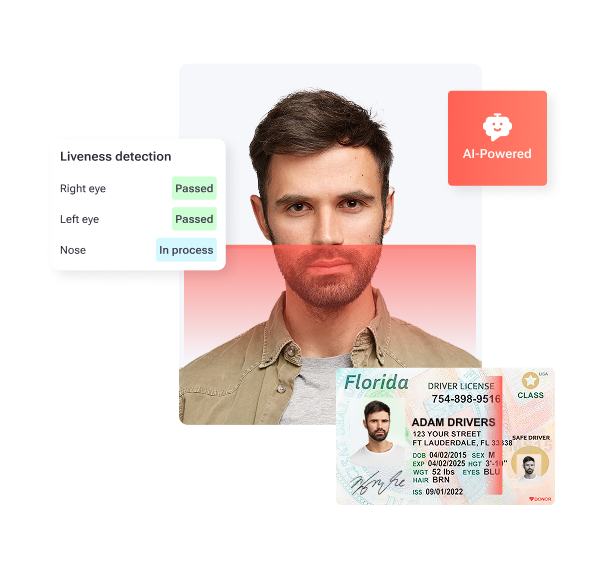
- IDVerify biometric verification: Automated government ID validation and liveness detection.
- QuickApprove board dashboard: Real-time application review and approval workflows.
- Custom Florida setups: Tailored age verification requirements and documentation standards.
- Audit trail maintenance: Comprehensive record-keeping for compliance defense.
The table below compares TenantEvaluation’s HOA-specific features with generic screening platforms and highlights how specialized 55+ workflows differ from standard tenant screening.
| Feature | TenantEvaluation | ApplyCheck | Verify Screening Solutions |
|---|---|---|---|
| 55+ Workflow Standardization | Built-in for Florida HOAs | Generic screening | TazWorks-based, no HOA focus |
| Biometric Age/ID Verification | IDVerify native | N/A | N/A |
| Board Dashboard | QuickApprove | N/A | N/A |
| Apps Processed/Year | 100k+ | Undisclosed | Undisclosed |
TenantEvaluation’s specialized focus on community associations sets it apart from generic screening platforms that lack HOA-specific workflows and Florida compliance features. The platform’s end-to-end automation can reduce processing time from days to hours while maintaining detailed audit trails for HOPA compliance defense.
FAQ
What are the specific 80/20 rule requirements for Florida 55+ condos?
Florida 55+ condominiums must maintain the 80% threshold described above to qualify for HOPA exemption from Fair Housing familial status discrimination prohibitions. Communities may adopt stricter standards requiring 100% compliance, but federal law sets the minimum at 80%. CAMs must verify this threshold every two years and monitor occupancy changes between formal surveys.
How often must age verification be conducted in 55+ communities?
HOPA requires ongoing age verification procedures, and most communities conduct formal verification every two years. This biennial process involves collecting the government-issued documents and affidavits described earlier from all residents to confirm continued compliance with age requirements. CAMs must keep these records in audit-ready condition to protect HOPA exemption status during investigations.
Can children live permanently in Florida 55+ condos?
Minors under 18 cannot reside permanently in HOPA-qualified 55+ communities, though temporary visits are allowed as described in the guest policy section above. Adult children over 18 may live permanently if they qualify under disability provisions or if their household includes a qualifying 55+ resident. Each community sets specific guest policies within HOPA guidelines, which require clear enforcement procedures and documentation.
What tools help automate 55+ community age verification?
TenantEvaluation’s 55+ Communities Verification provides automated workflows designed for Florida condos and HOAs. The platform standardizes application handling, improves documentation consistency, and reduces manual administrative work through integrated biometric verification and board approval dashboards. This specialized solution addresses the unique compliance needs of age-restricted communities beyond generic tenant screening platforms.
How do 2026 Florida condo regulations impact 55+ compliance?
HB 913 and SB 1742 provide financial relief and flexibility in reserve funding requirements for Florida condominium associations. This flexibility helps CAMs redirect resources toward efficient age verification processes while maintaining the same HOPA compliance obligations. Streamlined verification workflows become essential for protecting exemption status.
Next Steps for 55+ Compliance
Effective HOPA compliance depends on systematic age verification procedures, consistent enforcement policies, and thorough documentation practices. Florida CAMs must balance federal requirements with state-specific regulations while managing rising operational pressures from 2026 reserve mandates. Discover how automation can free up CAM resources to focus on reserve compliance while maintaining HOPA verification standards.
