Written by: Luis Teran, Co-founder, CEO, TenantEvaluation
Key Takeaways
- HOPA requires 55+ communities to keep reliable records that show at least 80% of occupied units include one resident aged 55 or older. Federal rules do not set a survey schedule, and many communities follow a two-year survey cycle as a practical standard.
- Florida 55+ condos face state-level triggers such as complaints or audits that require immediate proof of compliance, which often creates heavy manual verification work for Community Association Managers (CAMs).
- Traditional periodic surveys create fragmented documentation, time-consuming follow-ups, and higher administrative risk when compared with application-stage age verification.
- Proactive digital tools like TenantEvaluation capture age checks during onboarding, which supports consistent records, lighter workloads, and ongoing HOPA compliance.
- Florida CAMs can reduce manual surveys and improve efficiency by exploring a TenantEvaluation demo tailored to 55+ communities.
Legal Survey Frequency and the 80% Threshold (2026 HOPA Update)
The Housing for Older Persons Act (HOPA) requires 55+ communities to maintain reliable systems and records to verify that at least 80% of occupied units have at least one resident aged 55 or older, a standard often called the 80% rule. HOPA outlines what verification procedures should accomplish but does not set a federal schedule for resident surveys. Many communities adopt a recurring survey cycle so they can show clear, defensible records if challenged.
Florida communities manage additional state triggers. Under Florida fair housing laws, community boards must demonstrate that they meet the required 80% age threshold when complaints or audits arise. This reactive model creates significant administrative burdens, including fragmented email communication, inconsistent PDF documentation, manual follow-ups with residents, and gaps in record-keeping that increase compliance risk.
Because HOPA leaves survey frequency to each community, Florida CAMs must choose between reactive periodic surveys and proactive verification systems that keep records current. Digital age verification at the application stage offers a proactive alternative that reduces reliance on periodic surveys and supports continuous compliance documentation. Audit your current verification readiness with a TenantEvaluation demo.
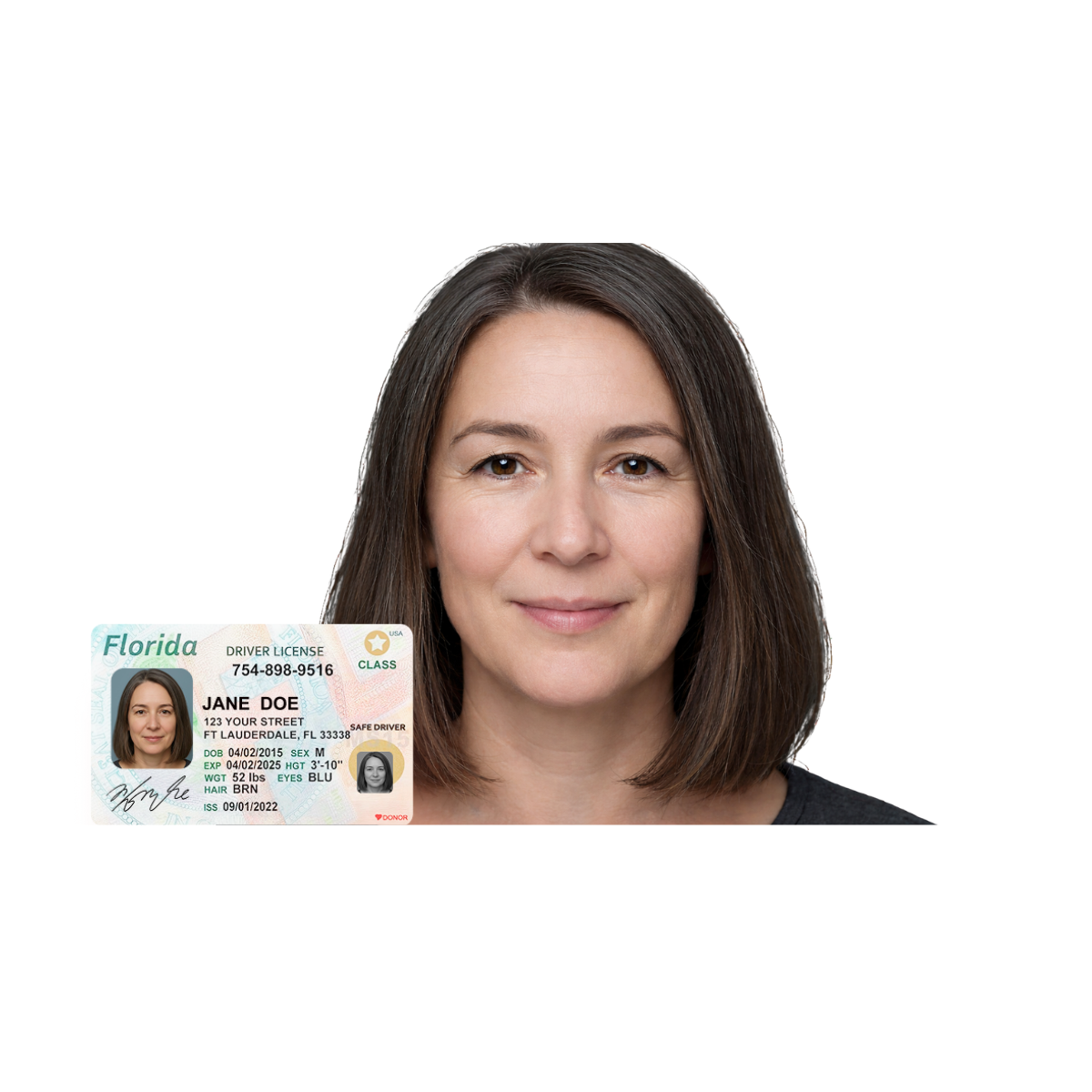
Florida 55+ Rules, Triggers, and Operational Impact
Florida 55+ communities operate under federal HOPA requirements and state-specific triggers that can require immediate age verification. Manual verification processes create recurring pain points for CAMs and boards:
- Fragmented communication through emails and PDFs
- Inconsistent documentation across residents
- Time-consuming manual follow-ups
- Reactive responses to complaints or audits
- Difficulty maintaining organized, auditable records
Proactive digital tools address these challenges by standardizing age verification at application onboarding, which reduces manual work and keeps documentation consistent. For CAMs, this standardization improves day-to-day efficiency. For boards, it delivers transparent, organized compliance records that support audit readiness.
The comparison below shows how proactive verification at the application stage replaces reactive survey cycles and complaint-driven checks with a predictable, low-burden process.
| Trigger/Frequency | Standard (HOPA/HUD) | Florida-Specific | Proactive (App-Stage) |
|---|---|---|---|
| Interval | Periodic | Complaints/audits | Onboarding |
| Docs Needed | Verification documents | Demonstration of required 80% threshold | Standardized records |
| Administrative Burden | High | Reactive/High | Minimal |
How the 80% Rule Works in Practice
The 80% rule requires that at least 80% of occupied units have at least one resident aged 55 or older for a community to qualify for HOPA exemptions. Communities must maintain this threshold over time and support it with reliable verification procedures and clear documentation.
Risks of Falling Below the 80% Threshold
Communities that do not maintain proper age verification risk losing HOPA exemption status, facing potential fair housing violations, and dealing with legal challenges. Inability to demonstrate compliance on demand risks losing the HOPA exemption status.
Avoiding Common 55+ Compliance Pitfalls
Proactive verification systems help communities avoid common compliance gaps by building consistent documentation from the application stage. See how standardized processes close these gaps in a TenantEvaluation demo.
Manual 55+ Surveys vs Application-Stage Automation
Traditional manual survey workflows usually follow a predictable pattern:
- Plan periodic age verification surveys
- Collect resident affidavits and supporting documents
- Verify documentation and calculate whether the community meets the 80% threshold
- Retain organized records for potential audits
This reactive approach often creates administrative bottlenecks and leaves room for compliance gaps. Application-stage verification offers a more efficient alternative by capturing age information during onboarding and building continuous documentation without repeated survey cycles.
TenantEvaluation’s 55+ Communities Verification standardizes how Florida condos and HOAs manage age-restricted requirements across applications. Because it is built specifically for Community Association Managers, the solution addresses core pain points such as manual data handling, inconsistent paperwork, and scattered records. This CAM-focused design supports internal compliance processes while still maintaining the structured control that boards expect for 55+ community management.

See this board-focused control in action, and request a demo.
Choosing a 55+ Age Verification Platform
Effective age verification tools for Florida 55+ communities should deliver concrete operational support, including:
- Alignment with Florida-specific compliance requirements
- Automated documentation workflows
- Consistent record-keeping capabilities
- Comprehensive audit trails
- Scalable implementation across multiple communities
TenantEvaluation leads the market with specialized 55+ Communities Verification designed for over 5,000 communities that process more than 100,000 applications each year. Built on FCRA-compliant foundations and supported by revenue-sharing models, the platform provides comprehensive age verification that fits into existing CAM workflows without disrupting daily operations.
The operational impact becomes clear when comparing key metrics between manual processes and a dedicated platform.
| Metric | Manual Process | TenantEvaluation |
|---|---|---|
| Processing Time | Days | Minutes |
| Documentation Consistency | Low | High |
| Administrative Burden | High | Minimal |
Unlike generic screening tools such as ApplyCheck or Verify Screening Solutions that focus only on background checks, TenantEvaluation provides end-to-end age verification designed for 55+ community operational control. See the difference in a side-by-side demo.
Supporting Evidence and Competitive Comparisons
TenantEvaluation has generated $150 million for communities and delivered up to 70% time savings in application processing. Florida boards that adopt proactive age verification at application intake report lower manual survey workloads and stronger positions during audits.
TenantEvaluation’s approach includes end-to-end verification, Florida-specific compliance features, dedicated board dashboards through QuickApprove, and integrated identity verification via IDVerify. Competing tools often provide only basic screening services without specialized 55+ community support or the operational control features that CAMs and boards require.

Frequently Asked Questions
How often should 55+ communities survey residents for compliance?
HOPA does not set a federal schedule for resident surveys, so communities choose their own cadence. Many follow a recurring survey pattern to keep records current, while Florida communities may also need to verify compliance when complaints or audits occur under state regulations. Proactive verification at application intake reduces reliance on periodic surveys and still maintains continuous compliance documentation.
What is the 80/20 rule in a 55+ community?
The 80/20 rule means that a 55+ community must show that at least 80% of occupied units include one resident who is 55 years or older. This threshold must be maintained over time and supported by reliable age verification procedures and documentation so the community can demonstrate compliance when needed.
What are the rules for 55+ communities in Florida?
Florida 55+ communities must follow federal HOPA requirements along with state-specific regulations. Under Florida law, community boards must be able to demonstrate that they meet the required 80% age threshold when challenged. Florida 55+ communities are no longer required to register or file biennial certifications with the Florida Commission on Human Relations and must maintain marketing and governing documents that show a clear intent to serve older adults.
Does TenantEvaluation handle 55+ age verification?
Yes. TenantEvaluation’s 55+ Communities Verification standardizes how Florida condos and HOAs manage age-restricted application requirements. The system focuses on easing CAM workloads, improving record structure, and supporting efficient operations for boards that oversee 55+ communities.
How does proactive verification compare to periodic surveys?
Proactive verification at application intake creates continuous compliance documentation without the heavy administrative work that periodic surveys require. This approach supports stronger operational control, more consistent record-keeping, and reduced manual effort while still maintaining the documentation needed for HOPA compliance and audit readiness.
Conclusion: Move from Reactive Surveys to Proactive 55+ Compliance
Periodic surveys can establish a basic compliance snapshot, but Florida CAMs gain stronger operational control when they adopt proactive age verification systems. TenantEvaluation’s 55+ Communities Verification focuses on easing CAM workloads, organizing documentation, and reinforcing internal processes for long-term compliance management. Built specifically for Florida Community Association Managers, this solution turns reactive survey cycles into streamlined application-stage verification.
