Written by: Luis Teran, Co-founder, CEO, TenantEvaluation
Key Takeaways for Florida 55+ Communities
- Florida 55+ communities must follow the HOPA 80/20 rule. At least 80% of occupied units need one resident aged 55 or older, supported by clear age verification records.
- Manual application processes slow approvals, overload staff, create inconsistent documentation, increase fraud risk, and open compliance gaps that can threaten HOPA exemptions.
- Automated systems replace paper with online forms, biometric ID checks, real-time 80/20 monitoring, and digital board dashboards that move applications through faster.
- Automation cuts processing time by about 50%, reduces staff hours, prevents common errors, and supports new revenue while preserving complete audit trails.
- TenantEvaluation focuses on 55+ workflows, IDVerify biometrics, and QuickApprove dashboards. See how these tools work in your community with a personalized demo.
Florida 55+ Community Rules and Compliance Requirements
Florida's age-restricted communities operate under strict federal and state guidelines that demand precise documentation and verification processes. The 80/20 rule permits up to 20% of units to be occupied by non-qualifying residents, while requiring at least one resident aged 55 or older in 80% of occupied units. Florida's fair housing statutes align with federal Fair Housing Act requirements, so communities must prove compliance through proper documentation.
Age verification relies on specific documents such as driver's licenses, birth certificates, or passports. Florida law once required 55+ communities to register with the Florida Commission on Human Relations, but this requirement was deleted, which places even more weight on maintaining exemption status through internal records. Manual processes often fail to keep documentation consistent, and these gaps can put age-restriction exemptions at risk.
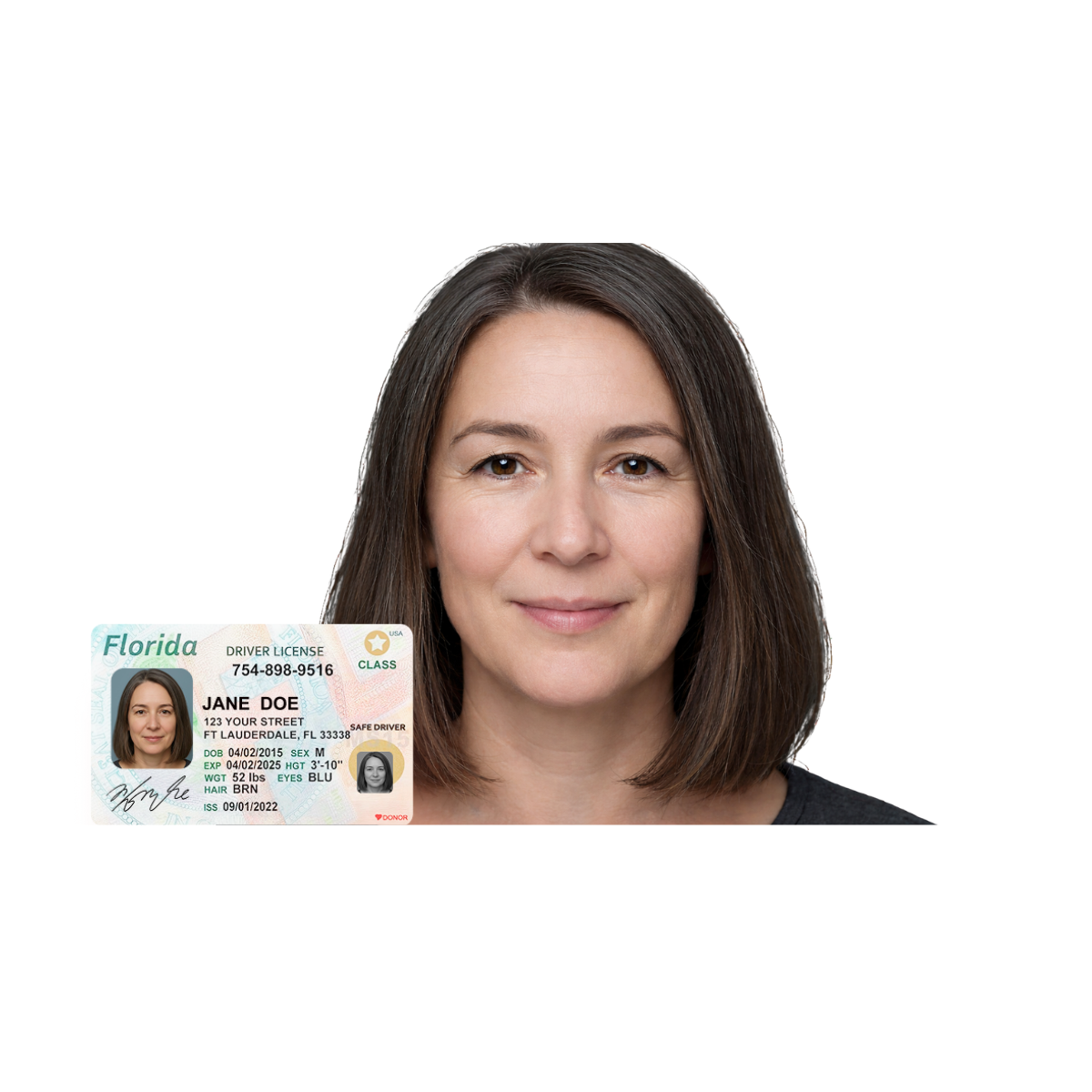
Manual 55+ Application Process in Florida: How It Works and Where It Fails
The traditional manual application process for Florida 55+ communities usually follows these steps:
- Staff share paper or email-based application forms with prospective residents.
- Team members review age verification documents by hand.
- Staff make phone calls and send emails to chase missing paperwork.
- Boards hold review meetings to make approval decisions.
- Managers track 80/20 compliance ratios in spreadsheets or logs.
Manual processes offer one main advantage, which is a low upfront technology cost. That limited benefit rarely offsets the strain on staff and residents. Manual move-in processes lead to confusion, frustration, and eroded trust among new residents due to multiple portals, phone calls, and email chains. Processing often drags on, and teams spend many hours each week on repetitive administrative work.
Critical disadvantages stem from the lack of standardization in manual workflows. Inconsistent age verification documentation makes it harder to prove compliance and easier for fraud to slip through. These documentation gaps increase the risk of losing HOPA exemption and create more room for human errors such as double bookings and scheduling conflicts. Manual systems also leave audit trails incomplete and records scattered, which exposes communities to regulatory scrutiny during reviews.
Automated 55+ Application Process: Digital Steps and Practical Benefits
Automated 55+ community application processes replace paper-heavy tasks with consistent digital workflows:
- Applicants complete online forms guided by intelligent logic that requests only relevant fields.
- The system collects and validates age verification documents automatically.
- Real-time dashboards track compliance and monitor the 80/20 ratio across units.
- Boards review applications in digital dashboards with clear approval workflows.
- The platform creates complete audit trails and stores documentation securely.
Automation delivers clear advantages such as faster processing, consistent documentation, real-time compliance monitoring, and smoother fee collection that supports revenue. Automated workflows guide residents through steps via email or text, which reduces administrative calls and errors.
Biometric identity verification and digital audit trails strengthen fraud prevention while preserving the records needed for HOPA compliance. Request a demo of the platform to experience this automated efficiency firsthand. Initial setup requires some configuration and training, yet communities usually recover that effort quickly through ongoing savings and lower risk.
Manual vs Automated 55+ Application Process in Florida: Direct Comparison
Community managers often weigh manual and automated approaches side by side before changing processes. The table below compares how each method performs across eight critical areas, from processing time to revenue impact, so you can see where automation creates measurable gains.
| Aspect | Manual Process | Automated Process |
|---|---|---|
| Processing Time | Extended | Reduced |
| Staff Hours Weekly | Significant | Lower |
| Age Verification | Manual document review | Digital validation with biometric confirmation |
| Compliance Tracking | Spreadsheet-based | Real-time 80/20 monitoring |
| Fraud Risk | High exposure | Multi-layer prevention |
| Board Access | Email attachments | Dedicated approval dashboards |
| Audit Trails | Fragmented documentation | Complete digital records |
| Revenue Impact | Processing costs | Revenue generation |
TenantEvaluation processes 100,000+ applications annually across 5,000+ communities, which shows proven scalability for Florida's diverse 55+ housing market. Given these clear operational differences, choosing the right automation platform becomes a strategic decision, because not every tool supports the specific needs of Florida 55+ communities.
Why TenantEvaluation Leads Automated 55+ Solutions in Florida
TenantEvaluation focuses on automated solutions for 55+ community applications in Florida, built for Community Association Managers and HOA boards. The platform's 55+ Communities Verification feature reduces manual work, standardizes application handling, and supports consistent documentation across Florida condos and HOAs.
Unlike generic screening tools designed for rental properties, TenantEvaluation's Florida-built platform addresses the unique needs of Community Association Managers. This focus appears in two core features: IDVerify biometric verification that automates age validation, and QuickApprove board dashboards that streamline approval workflows. These purpose-built tools improve operational efficiency and strengthen internal processes while maintaining the strict compliance protocols established earlier.
TenantEvaluation surpasses competitors through comprehensive automation:
| Feature | TenantEvaluation | ApplyCheck | AppFolio |
|---|---|---|---|
| 55+ Workflow Specialization | Built-in verification | Generic screening | Basic property management |
| Board Dashboard Access | Dedicated QuickApprove panel | Limited reporting | Standard management interface |
| Biometric Verification | Native IDVerify integration | Document upload only | Third-party solutions |
| Revenue Sharing | Performance-based model | Fixed pricing | Monthly subscriptions |
As a TransUnion reseller with direct credit bureau relationships, TenantEvaluation ensures legitimate data access under strict compliance controls. The platform has generated $150 million for communities while maintaining a 4.8/5 Google rating and partnerships with industry leaders including RealManage and FirstService Residential. This proven track record shows how purpose-built automation can reshape operations for Florida's 55+ housing market.
Proven ROI and Performance Metrics for Florida 55+ Communities
TenantEvaluation delivers measurable financial and operational results for Florida 55+ communities. A Florida-based management company achieved $240,000 in annual savings after moving away from manual processes, which freed 50 staff hours each day for higher-value work. Processing time reductions of 50% translate to about $10 savings per hour per property, while also removing many risks tied to manual handling of sensitive resident information.
The platform's 4.8/5 rating reflects consistent customer satisfaction, supported by partnerships with major management companies such as RealManage, Castle Group, Vesta, and FirstService Residential. Join 5,000+ communities already benefiting from these efficiencies by booking a demo now.
Implementation Considerations and Best Practices for 55+ Automation
Successful automation starts with a careful review of compliance capabilities, configuration options, and security standards. Florida 55+ communities must proactively manage compliance including 80% occupancy verification, age certification procedures, and published policies to maintain HOPA exemption. A strong platform should make these tasks easier, not harder.
Key selection criteria include a solid FCRA compliance foundation, biometric identity verification, board-specific dashboard access, and workflows tailored to Florida 55+ rules. TenantEvaluation's specialized focus on community associations aligns with these needs and supports audit-ready documentation standards that help communities sustain long-term compliance.
Conclusion: Moving from Manual Chaos to Automated Control
Manual 55+ community application processes in Florida create administrative chaos, compliance risks, and operational inefficiencies that modern automated solutions remove. TenantEvaluation's specialized platform reduces manual work, standardizes age verification documentation, and strengthens operational control for Florida condos and HOAs that manage age-restricted communities.
The choice between manual and automated processes directly affects community efficiency, compliance posture, and revenue potential. This proven track record across 5,000+ communities and 100,000+ annual applications demonstrates the power of purpose-built automation for Florida's 55+ housing market. Start your transition to automated processing by scheduling a platform walkthrough today.
Frequently Asked Questions
What is the 80/20 rule for Florida 55+ communities?
The 80/20 rule under the federal Housing for Older Persons Act (HOPA) requires at least 80% of occupied units in 55+ communities to have at least one resident aged 55 years or older. This rule permits up to 20% of units to be occupied by non-qualifying residents, such as younger spouses or adult children over 18. Florida communities must maintain proper documentation and conduct regular verification to preserve their age-restriction exemption under federal fair housing laws.
What are the main disadvantages of manual 55+ community applications?
Manual 55+ applications create significant operational burdens, including processing delays and heavy staff workloads tied to administrative tasks. Inconsistent age verification documentation increases fraud exposure and creates compliance gaps that can threaten HOPA exemption. Manual processes also produce fragmented audit trails, scheduling conflicts, and documentation errors that expose communities to regulatory scrutiny and potential legal challenges.
How does automated age verification work for 55+ communities?
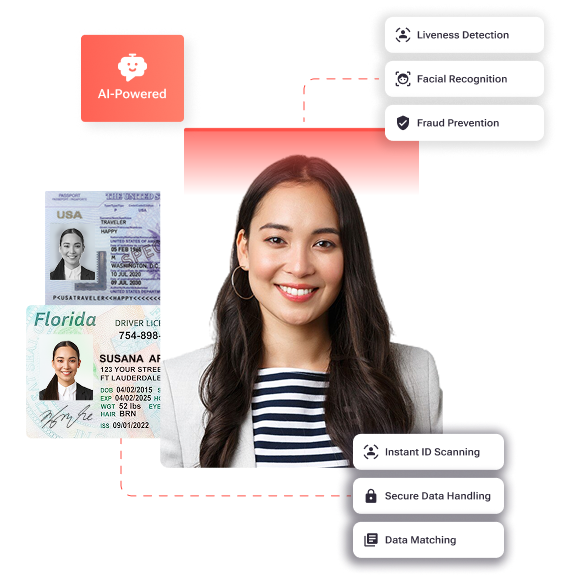
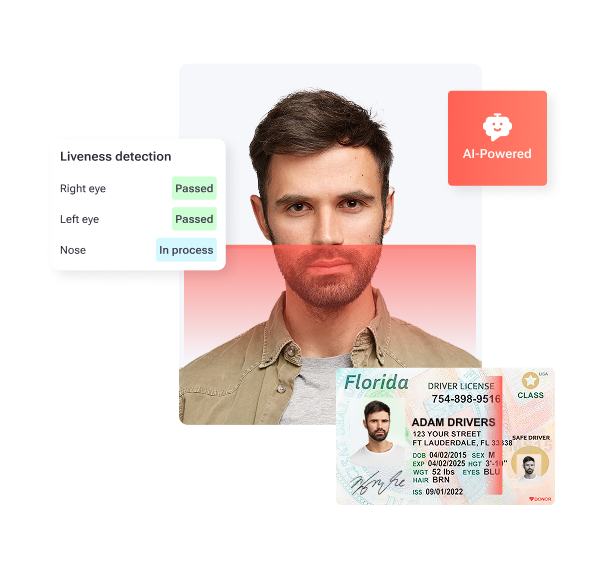
Automated age verification combines digital document collection with biometric identity confirmation to ensure accurate applicant identification. The system validates government-issued IDs through AI-powered authentication, runs liveness detection to confirm physical presence, and performs facial biometric matching between submitted photos and identification documents. This multi-layer approach prevents identity fraud while maintaining consistent documentation standards required for HOPA compliance.
Is TenantEvaluation FCRA compliant for Florida community associations?
Yes, TenantEvaluation maintains FCRA compliance as its foundation through direct credit bureau reseller relationships with TransUnion and Equifax, strict permissible purpose controls, automated adverse action workflows, and built-in audit trails for every application. The platform separates decision-making responsibilities between associations and data provision services, which supports proper compliance protocols while delivering screening capabilities designed for community associations rather than generic rental properties.
How much time and money can automation save Florida 55+ communities?
Automation can deliver significant time savings by cutting processing times and reducing manual steps. Communities can free staff hours previously spent on repetitive administrative work, which translates into direct operational savings for management companies. Additional benefits include revenue from streamlined fee collection, lower compliance risk, and fewer manual documentation errors that often cause delays and potential legal exposure.
