Written by: Luis Teran, Co-founder, CEO, TenantEvaluation
Key Takeaways for Florida 55+ Application Denials
- Most 55+ denials in Florida come from incomplete age or ID documentation that fails HOPA’s reliable verification requirements.
- Insufficient income or credit for retirees and unstable income sources like gig work often trigger rejections, so communities should use alternative ratios and verify Social Security and pensions.
- Eviction history, poor references, and fraud or false information create major red flags, and biometric ID verification prevents about 70% of fraud cases.
- Over-occupancy and missing compliance documents violate bylaws and the 80% rule, so CAMs should standardize checklists and track demographics.
- TenantEvaluation automates screening for Florida 55+ communities, slashing manual work and denials, and you can see how automation works for your community to streamline your process.
The Problems: Top 9 Reasons 55+ Applications Get Denied
1. Incomplete Age and ID Documentation
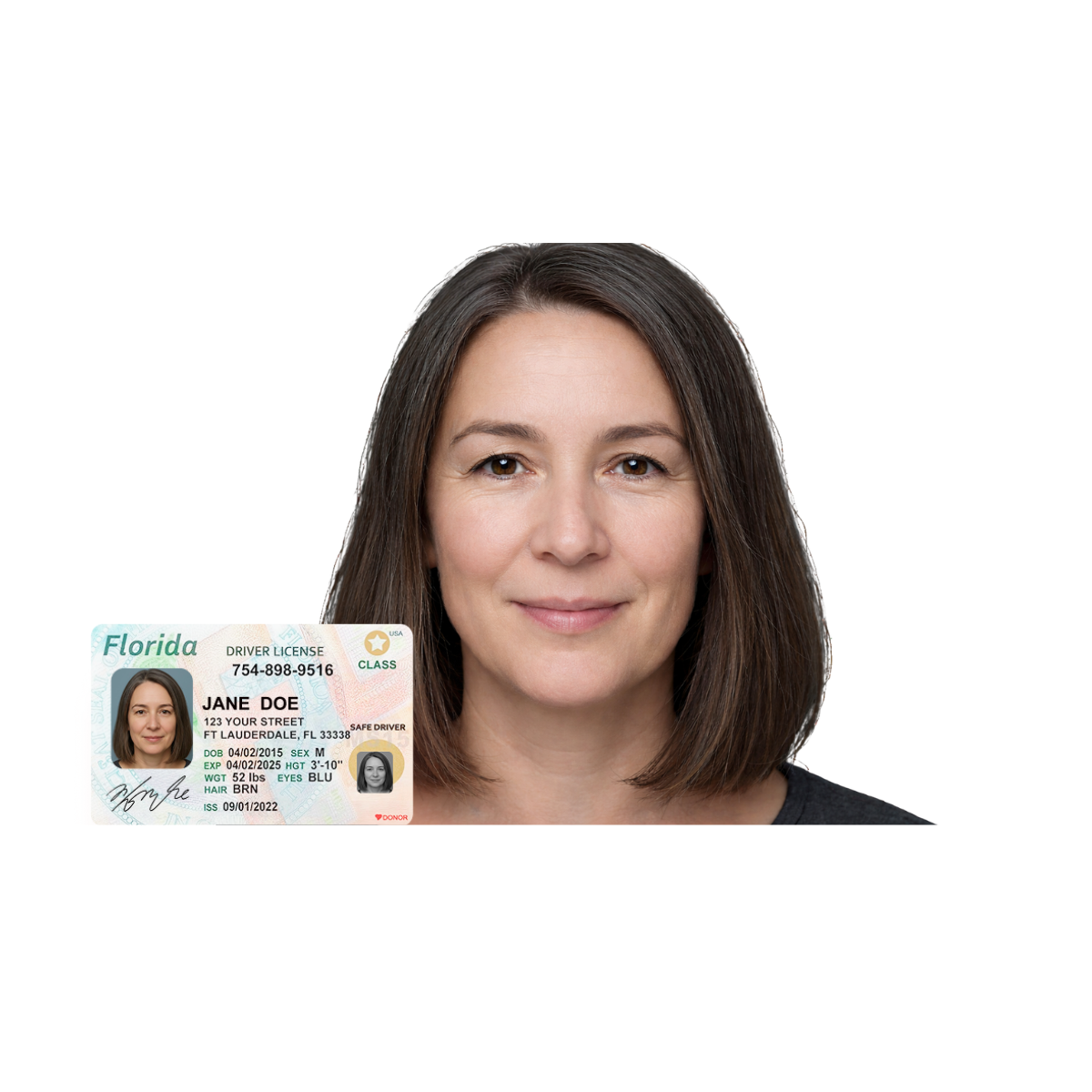
Age verification failures represent the most common denial trigger in 55+ communities. HOPA requires 55+ communities to maintain reliable age verification procedures, including review of government-issued birth certificates, driver's licenses, IDs, or third-party affidavits. Many applicants submit expired IDs, unclear photocopies, or missing spouse documentation.
CAM Prevention Checklist:
- Require government-issued photo ID for all residents 55 and older
- Verify 80% occupancy rule compliance before approval
- Document spouse or partner age verification when under 55
- Maintain digital copies with automated redaction
2. Insufficient Income or Credit for Retirees
Credit scores below 600 often indicate financial instability. Fixed-income retirees often struggle to meet traditional 3x rent requirements, and Social Security and pension verification adds extra complexity.

CAM Prevention Checklist:
- Establish alternative income ratios for retirees, such as 2.5x instead of 3x
- Accept Social Security statements and pension documentation
- Verify retirement account distributions
- Consider co-signers for borderline applications
3. Eviction and Background Flags
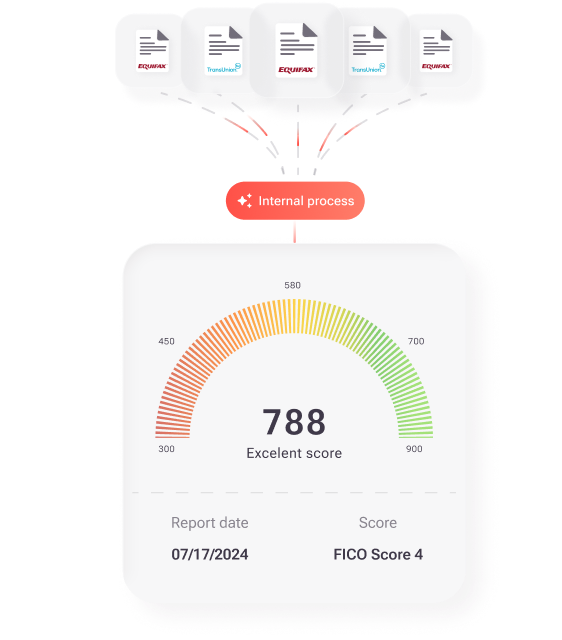
Eviction history is one of the strongest predictors of future rental risk and prior evictions often carry the most weight in landlord screening decisions. Court-filed evictions, unpaid judgments, and collection accounts appear in background checks as public records that can trigger automatic denials.
CAM Prevention Checklist:
- Review eviction context, such as medical hardship versus chronic non-payment
- Check resolution status of past judgments
- Verify current payment history after any eviction
- Document decision rationale for FCRA compliance
4. Too Many Occupants for Community Bylaws
HOPA exempts qualifying 55+ communities from familial status discrimination, allowing them to enforce age restrictions that exclude families with children under 18. Violations occur when families attempt to house multiple adult children or exceed unit capacity limits.
CAM Prevention Checklist:
- State occupancy limits clearly in application materials
- Verify relationship documentation for residents under 55
- Review disabled adult child exceptions case by case
- Confirm unit square footage supports proposed occupancy
5. Fraud and False Information on Applications
Income fraud affects 6.4% of tenant screening applications, up 40% year over year. Digital platforms like TenantEvaluation prevent about 70% of fraud through automated verification and biometric identity confirmation via IDVerify.

CAM Prevention Checklist:
- Cross-reference application data with supporting documents
- Verify employer contact information independently
- Use biometric identity verification for high-risk applications
- Flag inconsistent employment dates or income figures
6. Poor References and Rental History
Previous landlord references that reveal late payments, property damage, or lease violations create immediate red flags. Independent verification of employment is essential during screening, recommending direct contact with employers using publicly listed phone numbers to confirm status, tenure, and role.
CAM Prevention Checklist:
- Contact previous landlords using independently verified numbers
- Ask specific questions about payment history and lease compliance
- Verify rental history gaps or frequent moves
- Document reference conversations for audit trails
7. Unstable or Hard-to-Verify Income Sources
Inconsistent employment history, including frequent job changes or unexplained income gaps, serves as a major red flag. Beyond the retiree income challenges discussed earlier, self-employed applicants and gig workers face particular scrutiny in 55+ communities seeking stable residents.
CAM Prevention Checklist:
- Require at least two years of tax returns for self-employed applicants
- Verify business licenses and registration
- Review bank statements for consistent deposits
- Focus on long-term income stability when evaluating non-traditional work
8. Missing Compliance and Community Documents
Failure to implement proper age verification procedures in 55+ communities can jeopardize HOPA compliance by undermining the ability to ensure residents meet the 55+ age requirement. Missing insurance certificates, HOA document acknowledgments, and incomplete applications often trigger automatic denials.
CAM Prevention Checklist:
- Create standardized document checklists for each unit type
- Automate missing document notifications
- Verify insurance coverage meets community requirements
- Confirm HOA document receipt and understanding
9. Over-Occupancy and the 80% Rule
As noted in age verification requirements, the 80% rule requires continuous monitoring beyond individual application approvals. Communities must track occupancy carefully to protect their HOPA exemption and avoid compliance gaps.
CAM Prevention Checklist:
- Track community-wide age demographics on a regular schedule
- Monitor 80% rule compliance before approvals and renewals
- Plan for natural turnover and aging-out scenarios
- Maintain waitlists during high-demand periods
These nine denial triggers share a common thread. They stem from manual processes that cannot scale, verify, or stay consistent across hundreds of applications. Automation purpose-built for 55+ communities provides the most reliable path to fewer denials and stronger compliance.
The Solution: Why TenantEvaluation Excels for Florida 55+ Screening
TenantEvaluation gives Florida CAMs and HOA boards a focused solution for managing 55+ communities. The 55+ Communities Verification reduces manual work, standardizes application handling, supports documentation consistency, and strengthens internal processes for Florida condos and HOAs. Built for Community Association Managers, the platform improves operational efficiency through FCRA-compliant workflows designed for age-restricted communities.
Our QuickApprove dashboard gives Board Members real-time application visibility and streamlined approval workflows. IDVerify biometric verification then prevents identity fraud through AI-powered liveness detection and government ID validation. These features combine to deliver measurable impact, including 50 hours saved daily, $150M generated for communities, and more than 5,000 communities served. That scale and specialization explain why TenantEvaluation delivers comprehensive solutions that generic screening providers like ApplyCheck and Verify Screening Solutions cannot match.

Streamlined Prevention Workflow with TenantEvaluation
TenantEvaluation turns chaotic manual processes into efficient digital workflows that prevent denials before they occur.
- Digital Intake: Applicants complete 100% online applications with intelligent form logic.
- ID and Age Verification: Automated biometric confirmation and age documentation review.
- Auto-Checks: FCRA-compliant background, credit, and income verification.
- Board QuickApprove: Streamlined dashboard for final approval decisions.
This systematic approach removes the email chains, paper shuffling, and manual follow-ups that slow traditional 55+ screening. See how this workflow reduces your denial rates while improving compliance.
Evaluation Criteria and TenantEvaluation Comparison
CAMs should focus on FCRA compliance, age-restriction configurability, and Florida-specific workflows when selecting 55+ screening solutions. The table below shows how TenantEvaluation compresses week-long manual reviews into minutes and reduces the manual errors that cause many preventable denials.
| Metric | Manual Process | TenantEvaluation |
|---|---|---|
| Processing Time | 5-10 days | 5-10 minutes |
| Denial Prevention | Error-prone manual review | Significant reduction through automation |
| Cost/ROI | High operational costs | Revenue-sharing model |
Frequently Asked Questions
Documents That Prove 55+ Eligibility in Florida Communities
HOPA-compliant age verification relies on government-issued photo identification such as driver's licenses, state IDs, passports, or birth certificates. Communities must maintain reliable verification procedures and may accept third-party affidavits when primary documents are unavailable. Spouse documentation is required when one partner is under 55 to align with HOPA's limited exception provisions.
FCRA Compliance Tips for CAMs in 55+ Screening
FCRA compliance requires clear adverse action procedures, permissible purpose documentation, and proper applicant notifications. CAMs must separate decision-making authority from data provision, maintain audit trails for every screening decision, and provide required disclosures before and after background checks. TenantEvaluation's FCRA-first design automates these workflows while preserving community decision-making autonomy.
Common Red Flags in 55+ Tenant Applications
Key red flags include credit scores below 600, income fraud indicators, inconsistent employment history, unverifiable references, and incomplete age documentation. Multiple hard credit inquiries, eviction history, and discrepancies between application data and supporting documents also require additional scrutiny. Biometric identity verification helps prevent synthetic identity fraud that appears more often in senior housing applications.
How the 80% Rule Shapes 55+ Application Approvals
HOPA requires that 80% of occupied units house at least one resident aged 55 or older. Communities must monitor this ratio continuously and may need to deny otherwise qualified applicants to maintain compliance. Strategic planning for turnover, aging demographics, and seasonal occupancy helps prevent compliance violations that could jeopardize age-restriction exemptions.
Effective Income Verification for Retirees in 55+ Communities
Retiree income verification should include Social Security statements, pension documentation, retirement account distributions, and investment income records. Traditional employment verification may not apply, so CAMs should use alternative approaches like bank statement analysis and asset verification. Modified income ratios, such as 2.5x instead of 3x rent, can support fixed-income situations while preserving financial stability requirements.
Conclusion: Slash 55+ Denials with Purpose-Built Automation
The nine common denial reasons in Florida's 55+ communities, from incomplete age documentation to income verification failures, require systematic solutions that manual processes cannot provide. TenantEvaluation's specialized platform addresses each denial trigger through automated workflows, FCRA-compliant screening, and Florida-specific 55+ Communities Verification designed for CAMs and HOA boards.
As fraud trends escalate in 2026 and regulatory scrutiny intensifies, communities need zero-upfront solutions that generate revenue while reducing administrative burdens. Discover how TenantEvaluation transforms your application chaos into streamlined, compliant, and profitable resident onboarding.
