Written by: Luis Teran, Co-founder, CEO, TenantEvaluation
Key Takeaways for Florida 55+ Condo Verification
- Florida 55+ condos must follow HOPA’s 80/20 rule. At least 80% of occupied units must have one resident aged 55 or older, with recertification every two years.
- Primary proof of age includes government-issued IDs such as birth certificates, driver’s licenses, passports, military IDs, and immigration documents. Third-party affidavits can support applications when primary documents are missing.
- Manual processes, incomplete submissions, document fraud, and resident refusals create audit risk and slow down approvals for CAMs and boards.
- Standardized workflows, automated tools, and board dashboards improve consistency and speed. TenantEvaluation’s Florida-focused features deliver processing times that are up to 70% faster than manual methods.
- Communities can streamline 55+ verification and create new revenue opportunities with TenantEvaluation’s platform, which supports compliance, efficiency, and revenue sharing.
How Florida 55+ Communities Apply HOPA Verification Rules
The Housing for Older Persons Act establishes the 80/20 rule, which requires at least 80% of occupied units to house one resident aged 55 or older. Communities are not required to allow under-55 residents in the remaining 20% of units and can adopt more restrictive policies. Florida Chapter 718 condominium statutes add stricter documentation expectations for these communities.
The 80/20 rule functions as a federal minimum standard rather than a maximum threshold, so communities may choose tighter age rules. To maintain age-restricted status, HOPA requires communities to establish procedures for ongoing age verification using reliable methods such as government-issued documents or third-party affidavits. These long-standing requirements now carry greater weight because recent 2026 enforcement trends emphasize stricter audits and stronger documentation trails for compliance verification.

The following table highlights the three core verification checkpoints that Florida 55+ communities must manage to stay audit-ready and maintain HOPA protection:
| Rule/Timeline | Description | Frequency |
|---|---|---|
| Move-in Verification | Collect age documentation at application | Once per resident |
| Biennial Recertification | Survey 80/20 compliance across community | Every 2 years |
| Ongoing Audits | Review documentation for compliance verification | As needed for refusals |
TenantEvaluation’s 55+ Communities Verification automates compliance tracking and reduces manual work for Florida CAMs. See how automated tracking fits your current process by scheduling a demo.
Accepted Age Verification Documents for 55+ Condos
Acceptable age verification documents must meet HOPA standards for reliability and authenticity. Communities also need a clear process that covers document collection at application, detailed review of identification, and secure storage with FCRA-compliant data handling.
HOPA-approved documentation includes government-issued birth certificates, driver’s licenses, state identification cards, passports, military identification, and immigration documentation. Communities may also accept third-party affidavits when primary documentation is unavailable. These affidavits require extra verification steps to confirm accuracy.
The verification workflow begins with application submission, where residents provide primary age documentation. Once documents arrive, CAMs review them for authenticity, completeness, and alignment with community standards. After verification is complete, all documentation must be stored securely with proper redaction of sensitive information to maintain FCRA compliance and protect resident privacy.

TenantEvaluation’s IDVerify platform automates document collection and standardization, which shortens review time and keeps verification criteria consistent across all applications. Watch IDVerify handle real applications in real time by booking a demo.
Operational Challenges in 55+ Resident Verification
Manual verification processes create heavy administrative workloads for Florida CAMs and HOA boards. Common challenges include repetitive follow-up communications, incomplete document submissions, and resident refusal to provide age verification. When residents refuse age verification requests, communities can conduct thorough investigations to confirm age requirements are met.
Document fraud has become a growing concern for age-restricted communities. Traditional paper-based systems lack tools to detect altered or falsified identification documents. Audit failures often stem from inconsistent documentation practices, missing verification records, or weak compliance tracking systems.
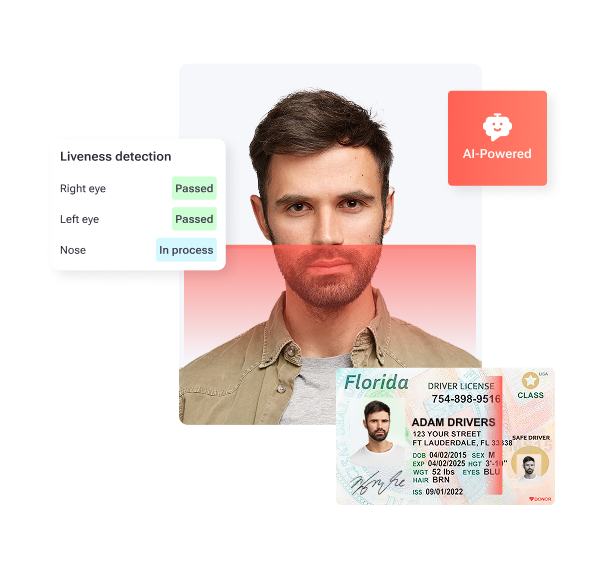
Best practices for addressing these challenges include establishing standardized workflows, maintaining comprehensive audit trails, and implementing automated verification systems. TenantEvaluation’s 55+ Communities Verification supports these practices by automating document collection and standardizing application handling, which removes much of the repetitive follow-up work. The QuickApprove dashboard further strengthens these workflows by giving boards real-time visibility into verification status and compliance metrics.

Best Practices and Tools for Faster, Compliant Verification
Efficient age verification depends on clear forms, automated audit capabilities, and active board oversight through dashboards. Successful communities rely on detailed checklists that cover document collection, verification workflows, and compliance tracking. Regular board review through dedicated dashboards keeps verification standards consistent across all residents.
The table below compares TenantEvaluation’s specialized 55+ verification features with more generic property management and screening platforms, so CAMs can see how purpose-built tools improve compliance and processing speed:
| Feature | TenantEvaluation (55+ Verification) | ApplyCheck | Verify Screening Solutions | AppFolio |
|---|---|---|---|---|
| 55+ Specialization (FL condos/HOAs) | Yes, built-in standardization | No | No | Generic |
| Processing Time | Hours (70% faster) | Days | Days | Days |
| Revenue Sharing | Yes ($150M generated) | No | No | Subscription |
| Board Dashboard | QuickApprove | No | No | Limited |
TenantEvaluation’s 55+ Communities Verification platform reduces manual work for CAMs while supporting documentation consistency and operational efficiency. The system maintains a 4.8/5 Google rating and serves communities nationwide, with features tailored to Florida compliance needs. Automated workflows remove repetitive tasks and keep application handling consistent across all age verification requirements.
Beyond operational efficiency, the platform’s revenue-sharing model creates a direct financial return for participating communities, turning a compliance obligation into a revenue opportunity. Calculate your community’s potential revenue share by requesting a personalized demo.
Adopting specialized verification tools designed for Florida 55+ condominiums offers the most reliable path to lower administrative burden and stronger compliance. TenantEvaluation’s platform stands as a leading option for Florida CAMs and HOA boards that want to streamline age verification and improve operational efficiency through purpose-built automation and Florida-specific features.
Frequently Asked Questions
What is the 80/20 Rule?
The 80/20 rule under HOPA requires that at least 80% of occupied units in a 55+ community must have at least one resident aged 55 or older. This federal standard serves as a minimum threshold, which means communities may adopt more restrictive policies if they choose. The remaining 20% of units may house younger residents, although many communities decide to maintain 100% age compliance. TenantEvaluation’s platform automatically tracks compliance ratios and provides real-time reporting for certification and audit requirements.
How Often Must Communities Verify Ages?
Age verification occurs at two primary intervals: initial move-in documentation and periodic recertification surveys. New residents must provide acceptable age documentation during the application process. Existing residents participate in community-wide compliance surveys at regular intervals, typically every two years. Additional verification may be required when residents refuse initial requests or when compliance audits reveal documentation gaps. Automated systems significantly reduce the administrative burden of these recurring verification cycles.
What Are Florida’s 55+ Audit Requirements?
Florida Chapter 718 establishes general financial reporting and audit requirements for all condominium associations based on annual revenues, without specific provisions for age-restricted communities. These requirements focus on financial audits rather than age verification. Communities must still maintain comprehensive documentation trails, conduct regular compliance reviews, and ensure proper record retention for all age verification activities to comply with HOPA. They must also demonstrate consistent application of verification standards and maintain audit-ready documentation for regulatory review. Failure to meet these requirements can result in loss of age-restriction exemptions.
Can Children Live in 55+ Condos?
HOPA permits limited exceptions for younger residents in 55+ communities, usually restricting permanent residency to individuals 18 years or older. Qualifying residents aged 55 or older may have younger spouses, partners, or disabled adult children living with them under specific circumstances. Each community sets its own policies regarding age restrictions, and most set the minimum age at 18 or 19 years old. Temporary visits by minor grandchildren are generally allowed under reasonable guest policies.
How Should Communities Handle Age Verification Refusals?
When residents refuse to provide age verification documentation, communities can conduct thorough investigations to confirm compliance with age requirements. This process may include reviewing alternative documentation sources, interviewing neighbors or community staff, and using third-party affidavits when appropriate. Communities should maintain detailed records of all investigation steps and outcomes to demonstrate good faith compliance efforts during potential audits. Legal consultation may be necessary for persistent refusal cases that place the community’s age-restricted status at risk.
