Written by: Luis Teran, Co-founder, CEO, TenantEvaluation
Key Takeaways for Florida 55+ Communities
- HOPA requires 55+ communities to meet the 80/20 rule, conduct bi-annual surveys, and maintain reliable age verification using government IDs or affidavits to preserve Fair Housing Act exemption.
- Florida Statute 760.29(4)(a) aligns with HOPA, removes state registration requirements as of 2020, and expects strict documentation to support compliance.
- Manual verification processes create risks such as fraud, non-cooperation, and administrative overload, which expose associations to lawsuits and potential loss of exemption.
- Effective practices rely on digital platforms with biometric ID confirmation, automated workflows, and real-time dashboards that support defensible HOPA compliance.
- TenantEvaluation streamlines 55+ verification for Florida CAMs with fraud-resistant automation, helping associations protect their exemption and resident trust.
Core HOPA Rules and Florida’s Operating Framework
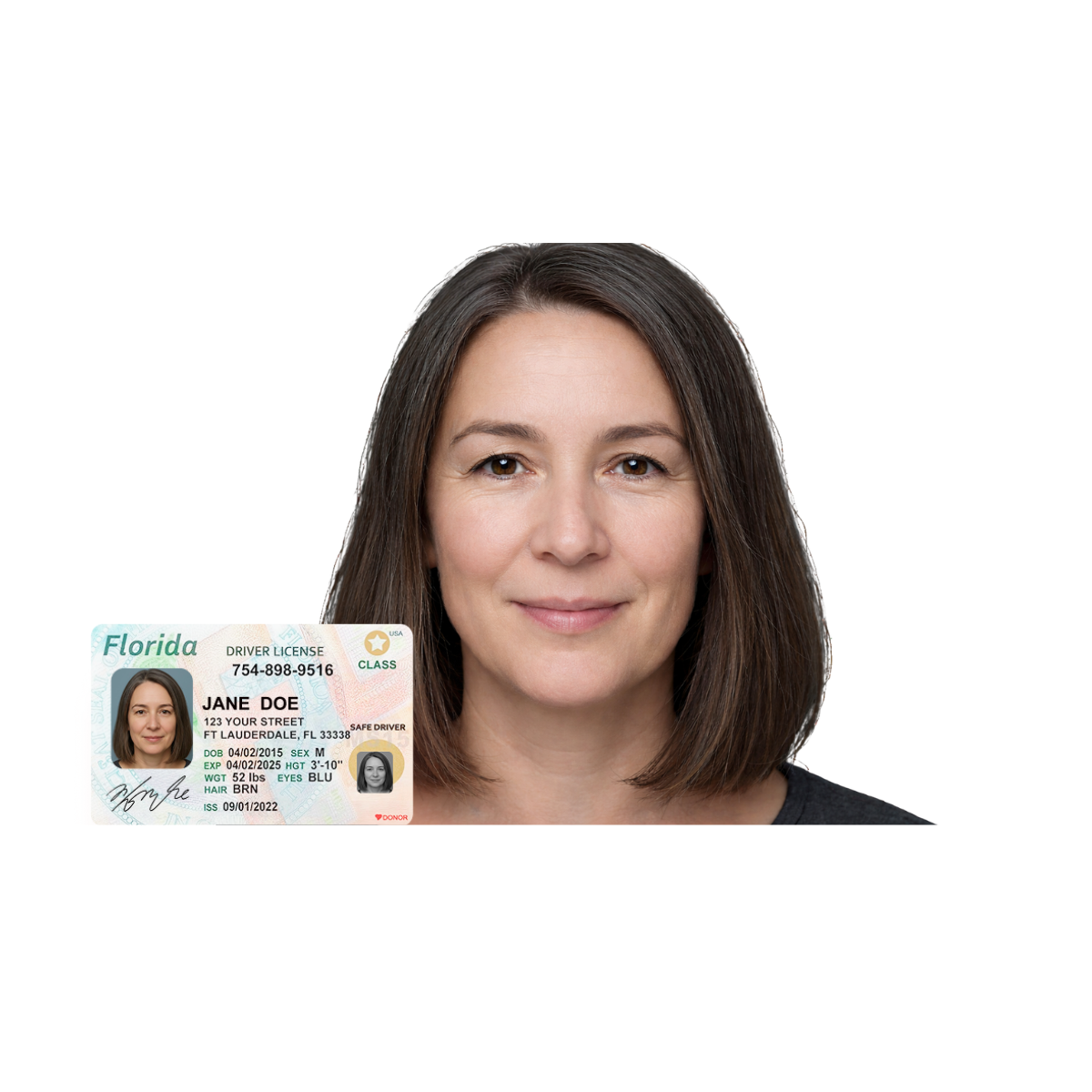
The Housing for Older Persons Act of 1995 (HOPA), codified at 42 U.S.C. § 3607(b)(2)(C), establishes three mandatory criteria for 55+ housing exemption from Fair Housing Act age discrimination rules. The 80/20 rule requires at least 80% of occupied units to have one resident aged 55 or older, while up to 20% may house residents under 55. Only occupied units count toward the threshold; vacant units are excluded. Communities must conduct bi-annual surveys collecting age information and maintain reliable verification procedures using government-issued identification, birth certificates, driver’s licenses, or third-party affidavits. Florida associations must also demonstrate a clear and ongoing intent to serve older adults. The table below shows how these federal HOPA requirements translate into Florida-specific obligations and practices.
| Requirement | Description | Florida Nuance |
|---|---|---|
| 80/20 Rule | 80% occupied units with 1+ resident 55+ | FL Statute 760.29(4)(a) alignment |
| Bi-annual Surveys | Regular occupancy verification | Commission on Human Relations registry |
| Documentation | Government ID, birth certificates, affidavits | VPS-approved forms accepted |
| Record Retention | Continuous compliance tracking | Ongoing audit trail requirements |
Industry Pressures Shaping Florida’s 55+ Communities
Florida’s 55+ community sector now faces intensified scrutiny from Fair Housing Act enforcement agencies and evolving state regulations. Section 760.29(4)(a), Florida Statutes provides that any provision of ss. 760.20-760.37 regarding familial status does not apply with respect to housing for older persons. The Florida Commission on Human Relations no longer requires 55+ communities to register and has eliminated the associated registry obligations since 2020. Rising identity fraud risks and digital transformation demands push CAMs toward automated verification systems that can handle Florida’s high application volumes while still maintaining strong HOPA defensibility.
How Age Verification Works in Day-to-Day Operations
Effective HOPA compliance depends on systematic workflows that cover document collection, verification, survey administration, and non-cooperation handling. CAMs must establish standardized procedures for gathering acceptable documentation, including government-issued identification and other approved records. The verification checklist follows a logical sequence that builds and maintains compliance over time. First, collect required age documentation from all residents to establish initial eligibility. Next, verify document authenticity and completeness so the evidence can withstand audits or legal review. Then conduct bi-annual occupancy surveys to confirm that the community continues to meet the 80/20 threshold. When residents do not cooperate with verification requests, address non-cooperation through documented investigation procedures to avoid gaps in your records. Maintain required record retention to support defensibility during audits or Fair Housing Act challenges. Finally, update verification whenever new residents move in so your compliance status remains current. Florida condominium associations must adapt these workflows to state-specific forms and Commission expectations while applying them consistently across all units.

Compliance, Risk, and Governance Priorities
HOPA compliance extends beyond documentation and touches Fair Housing Act defensibility, audit readiness, and privacy protection. Surveys and affidavits used for age verification can appear in court and administrative proceedings, so accuracy and consistency matter. Associations must implement data redaction procedures for sensitive personal information, establish clear audit trails, and train board members on HOPA requirements. With state registration requirements eliminated, associations now rely on their internal operational systems to support day-to-day compliance through consistent documentation and verification procedures. Legal counsel should review policies, while management teams align record retention with both legal requirements and privacy expectations.
Common Pain Points in Manual Age Verification
Manual age verification processes create multiple failure points that expose associations to compliance risks. Common challenges include inconsistent document collection across units, resident non-cooperation with survey requests, fraudulent identification documents, administrative overload from email-based follow-ups, and incomplete audit trails. These issues often compound each other, since weak documentation practices make non-cooperation and fraud harder to detect and resolve. CAMs report spending significant time managing verification communications, while boards struggle to maintain transparency and oversight. Missing or outdated verification records during audits can jeopardize HOPA exemption status and may expose associations to Fair Housing Act violations and significant legal liability.
Digital Best Practices for Florida 55+ Communities
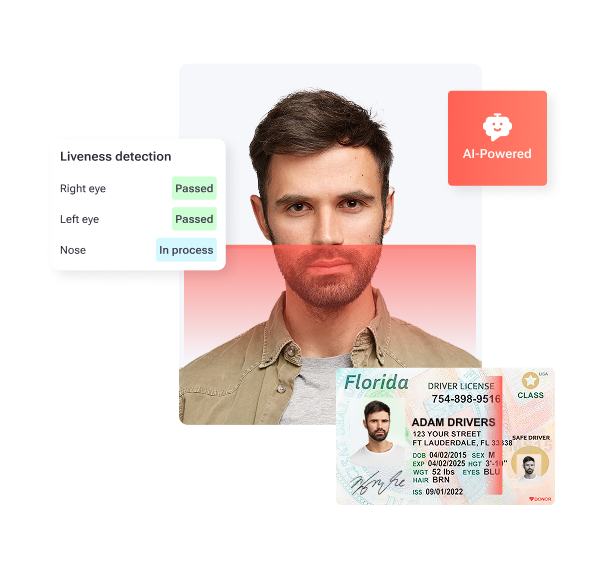
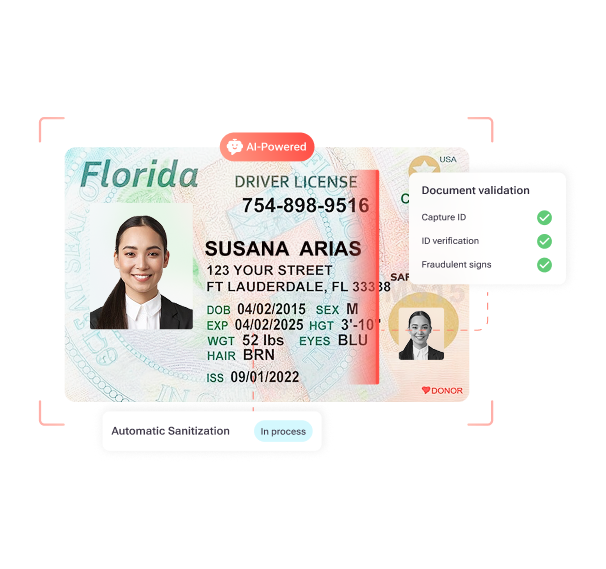
Leading Florida 55+ communities now rely on standardized digital verification systems that incorporate biometric identity confirmation, automated document review, and centralized record management. Best practices include implementing consistent verification workflows across all units, using secure digital platforms for document collection, establishing clear communication protocols with residents, and maintaining real-time compliance dashboards for board oversight. Emerging standards emphasize fraud prevention through identity verification technology and automated audit trail generation that supports rapid response during disputes or investigations. TenantEvaluation’s 55+ Communities Verification addresses these standards by reducing manual work through automation, which helps standardize application handling across the portfolio. This standardization supports documentation consistency, a key requirement for audit defensibility. Because the platform is built for Florida Condos and HOAs and designed for Community Association Managers, it improves operational efficiency while strengthening the internal processes that sustain HOPA compliance.

Why TenantEvaluation Fits Florida 55+ Compliance Needs
TenantEvaluation operates as a dedicated Florida platform for 55+ community verification, supporting over 5,000 communities and processing a high volume of applications annually with a 4.8/5 Google rating. Built specifically for Florida associations, the platform combines FCRA-compliant screening with specialized 55+ verification capabilities. IDVerify+ provides biometric identity confirmation that helps prevent fraudulent documentation, while QuickApprove dashboards give boards real-time visibility into verification status. The platform has generated $150M for communities while reducing processing time by 70% and removing most manual follow-up tasks from CAM workloads. The following comparison highlights how TenantEvaluation differs from generic screening tools and fully manual processes.
| Feature | TenantEvaluation | ApplyCheck/Verify Screening | Manual Process |
|---|---|---|---|
| Automation Time | 5-10 minutes | 5-10 days | Significant time investment |
| FL 55+ Support | Built-in verification workflows | Generic screening only | Email/PDF management |
| Fraud Prevention | Biometric IDVerify+ | Document review only | Visual inspection |
| Revenue Sharing | Performance-based model | Fixed subscription fees | Pure cost center |
TenantEvaluation’s partnerships with RealManage and other leading Florida management companies show that the platform scales reliably for enterprise-level operations.
How to Evaluate Age Verification Platforms
Florida associations should evaluate age verification solutions using clear criteria that reflect both legal and operational needs. Key factors include Florida 55+ community support, automation capabilities, FCRA compliance foundation, scalability for high application volumes, board transparency features, and fraud prevention technology. TenantEvaluation combines direct credit bureau reseller status, biometric identity verification, and Florida-specific workflows designed for Community Association Managers. The platform’s revenue-sharing model aligns provider success with association outcomes, while built-in audit trails support compliance defensibility during disputes or investigations. Evaluate TenantEvaluation’s comprehensive 55+ verification capabilities for your association.
Frequently Asked Questions
What is the 80/20 rule for 55+ communities?
The 80/20 rule requires at least 80% of occupied units in a qualifying community to have at least one resident who is 55 years of age or older. The remaining 20% of units may house residents under 55, including families with children. Only occupied units count toward this calculation, so vacant units do not affect the percentage requirement.
What documents are required for Florida 55+ age verification?
Acceptable documentation includes government-issued identification and other official records. Communities may also use resident surveys, signed affidavits, and self-certification forms. All documentation must be collected reliably and consistently, with records kept current when new residents move in or existing residents change occupancy.
How often must HOPA surveys be conducted?
HOPA requires regular occupancy surveys to confirm the 80% threshold, typically conducted bi-annually. These surveys collect age information from residents and can be used as evidence in court and administrative proceedings. Communities must keep survey records up to date and conduct new verification when residents move in or out.
Can Florida condominiums legally enforce age restrictions?
Yes, Florida condominiums can enforce age restrictions under Section 760.29(4)(a), Florida Statutes, which provides that any provision regarding familial status does not apply with respect to housing for older persons in alignment with federal HOPA requirements. Communities must meet all three HOPA criteria: the 80/20 occupancy rule, demonstration of intent to serve older adults, and reliable age verification procedures. The Florida Commission on Human Relations no longer requires 55+ communities to register as of 2020.
How should associations handle non-cooperative residents in age verification?
When residents refuse to comply with age verification requests, communities may conduct thorough investigations using alternative methods to confirm age requirements. This may include reviewing lease agreements, contacting previous landlords, or utilizing third-party verification services. Documentation of all investigation efforts is essential for audit defensibility and ongoing compliance.
What is the Fair Housing Act 55 exemption?
The Fair Housing Act 55 exemption, established through HOPA, allows qualifying age-restricted communities to limit residency to persons 55 and older without violating familial status discrimination prohibitions. This exemption protects communities from Fair Housing Act liability when they implement and maintain policies according to federal and Florida state requirements.
Conclusion and Next Steps for Florida Associations
HOPA compliance requires systematic age verification procedures, consistent documentation, and ongoing monitoring to maintain Fair Housing Act exemption status. Florida associations must balance federal requirements with state-specific regulations while managing high application volumes efficiently. TenantEvaluation’s 55+ Communities Verification provides standardized workflows, fraud prevention tools, and audit-ready records that support sustainable compliance. Transform your community’s age verification process with Florida’s leading compliance platform.
