Written by: Luis Teran, Co-founder, CEO, TenantEvaluation
Key Takeaways
- HOPA requires 55+ communities to keep at least 80% of occupied units with one resident aged 55 or older, while vacant units are excluded.
- Federal guidelines require surveys every two years and reliable age verification methods such as IDs, affidavits, and self-certifications.
- Florida HOAs and condos face compliance risks from manual processes, including incomplete documentation and audit exposure under state statutes.
- Essential documents include government IDs, birth certificates, affidavits, and residency proofs. Adult children may occupy up to 20% of units, but most communities prohibit minors as permanent residents.
- Streamline 55+ verification with TenantEvaluation’s automated platform to reduce manual work by 70%.
HOPA Rules for 55+ Communities and Age Verification
The 55+ community age verification process starts with clear federal requirements under HOPA. Under the Housing for Older Persons Act of 1995 (HOPA), 55+ communities qualify only if they meet all three requirements simultaneously: at least 80% of occupied units have at least one resident aged 55 or older, the community publishes and follows written policies demonstrating intent to operate as housing for older persons, and the community verifies residents’ ages using procedures established by HUD.
The 80/20 Rule Explained
The 80/20 rule states that at least 80% of occupied units in 55+ communities must have at least one resident aged 55 or older, allowing up to 20% of units to be occupied by non-qualifying residents. Crucially, HOPA’s 80% requirement applies only to occupied units, and vacant units are not counted, which requires communities to track and document occupancy continuously. To maintain this compliance, communities must apply systematic age verification procedures for every occupied unit.
HOPA Age Verification Requirements and Florida Law
Federal verification procedures include several acceptable methods:
- Surveys that collect age information from residents
- Affidavits, which are written, signed statements confirming age
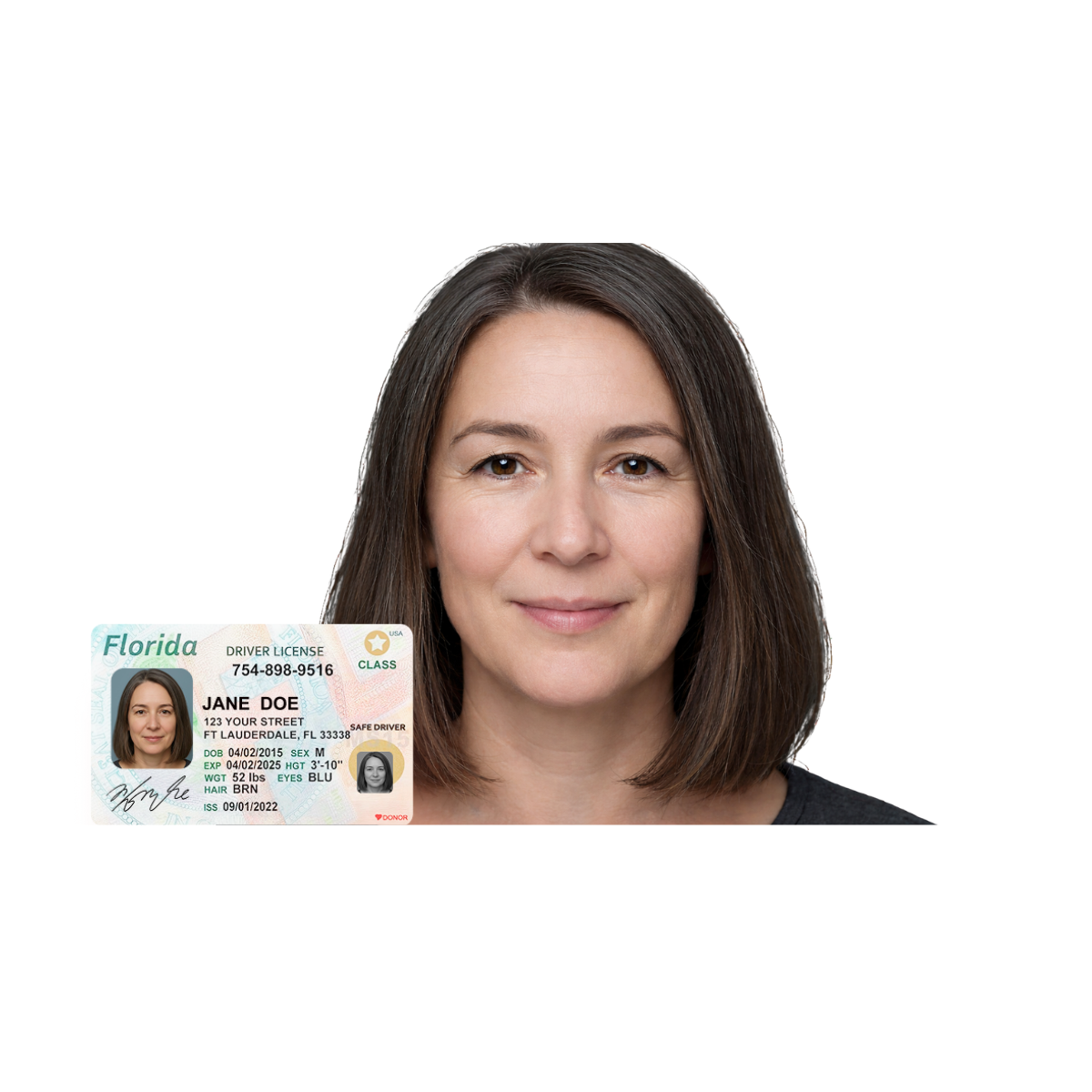
- Official documentation such as government-issued birth certificates, driver’s licenses, or IDs
- Self-certification forms signed by residents
Florida communities must also comply with Florida Statutes Section 760.29(4)(b)3.a. which requires that at least 80 percent of the occupied units in housing intended and operated for occupancy by persons 55 years of age or older are occupied by at least one person 55 years of age or older to qualify as “housing for older persons” exempt from familial status provisions.
See how TenantEvaluation’s platform handles HOPA compliance requirements automatically.
Documentation and Survey Requirements for 55+ Verification
Effective age verification depends on consistent documentation collection and regular survey procedures. Surveys and affidavits are legally admissible in court and administrative proceedings, and verification records must be maintained consistently and updated, particularly for new residents.
Essential Documentation Checklist
- Government-issued photo identification
- Birth certificates or passport copies
- Signed age verification affidavits
- Residency documentation
- Lease agreements or purchase contracts
Biennial Survey Requirements for 55+ Communities
24 C.F.R. § 100.307(c) requires that the procedures described in paragraph (b) provide for regular updates, through surveys or other means, of the initial information supplied by the occupants of the housing facility or community, with such updates occurring at least once every two years. These biennial surveys must verify continued compliance with the 80/20 rule across all occupied units and document that verification for potential audits.

Step-by-Step Age Verification in a 55+ Community
The step-by-step verification process typically includes these stages:
- Initial application review and document collection
- Age verification using HUD-approved methods
- Documentation of qualifying residents for each unit
- Ongoing monitoring and biennial surveys
- Maintenance of compliance records and audit trails
Eliminate manual document collection with TenantEvaluation’s automated workflows.
Operational Challenges and Florida-Specific 55+ Risks
Manual age verification creates heavy operational burdens for Florida CAMs and HOA boards. Common challenges include incomplete applications, fraudulent documentation, delayed approvals that slow real estate transactions, and inconsistent record-keeping across multiple properties.
Adult Children and Minors in 55+ Communities
Under HOPA, exceptions to the 55+ age requirement may permit a spouse or partner under 55 to live with a qualifying 55+ resident. However, most Florida 55+ communities prohibit minors, generally under age 18 or sometimes 19, as permanent residents within the HOPA framework.
Florida communities also face added compliance pressure because the Fair Housing Act applies to homeowners and condominium associations. This coverage requires meticulous documentation and consistent enforcement. Manual processes increase audit risk and potential fair housing violations when verification procedures vary across properties.
TenantEvaluation’s 55+ Communities Verification addresses these challenges by standardizing application handling, reducing manual work, and supporting documentation consistency for Florida condos and HOAs. The platform improves operational efficiency and strengthens internal processes for age-restricted communities.
Best Practices for 55+ Verification and How TenantEvaluation Helps
Systematic workflows prevent compliance gaps and reduce administrative burden. Start by establishing clear verification procedures that define how age documentation will be collected and validated. These procedures only work when you maintain current occupancy records that track which units are occupied and by whom. Regular training for board members and staff keeps everyone aligned on the same process, while technology solutions automate documentation to reduce manual errors.
TenantEvaluation’s 55+ Communities Verification delivers comprehensive automation for Florida associations. Built specifically for Community Association Managers, the platform standardizes application handling across age-restricted communities while reducing manual work by up to 70%. The system integrates with IDVerify for enhanced identity verification and QuickApprove for faster and more consistent board decisions.

| Feature | TenantEvaluation | ApplyCheck | Verify Screening Solutions |
|---|---|---|---|
| End-to-End 55+ Automation | Yes, A–Z onboarding, 100k+ apps/yr | Background checks only | Background checks only |
| Florida 55+ Standardization | Built-in for HOAs and condos | No | No |
| Board Dashboard (QuickApprove) | Yes | No | No |
| Revenue Model | Pay-per-app, no subscriptions, 5k+ communities | Subscription-based | Subscription-based |
One Florida management company achieved $240,000 in annual savings after switching to TenantEvaluation. Their team freed up 50 hours daily and cut processing time by 50%. The platform’s FCRA-compliant foundation and direct credit bureau relationships support regulatory compliance while generating revenue for communities.
Join 5,000+ communities already streamlining their 55+ verification process.
Conclusion
The 55+ community age verification process requires systematic compliance with HOPA requirements, including the 80/20 rule, biennial surveys, and consistent documentation procedures. Florida CAMs and HOA boards must meet both federal and state standards while managing complex administrative workflows that manual processes rarely support well.
TenantEvaluation’s 55+ Communities Verification standardizes these critical processes with the efficiency gains mentioned earlier, while supporting documentation consistency across Florida condos and HOAs. The platform’s specialized design for Community Association Managers improves operational efficiency and strengthens internal controls for age-restricted communities.
Explore a TenantEvaluation demo to see these workflows in action.
Frequently Asked Questions
What is the 80/20 rule in a 55+ community?
The 80/20 rule requires that at least 80% of occupied units in a 55+ community have at least one resident aged 55 or older. Up to 20% of units may house non-qualifying residents, but vacant units are excluded from this calculation. Communities must continuously track occupancy to maintain compliance with HOPA requirements.
How often must 55+ communities conduct surveys?
HOPA requires 55+ communities to update occupancy information at least once every two years through surveys or other verification methods. These biennial surveys must confirm that the community maintains the required 80% occupancy by qualifying residents and document compliance for audit purposes.
Can adult children live in 55+ communities?
Adult children may live in 55+ communities under specific circumstances. HOPA’s 80/20 rule allows up to 20% of units to be occupied by persons under 55. However, most Florida communities prohibit minors under 18 or 19 as permanent residents, though temporary visits of 15 to 30 days annually are typically allowed.
What are Florida-specific requirements for 55+ community age verification?
Florida communities must comply with both federal HOPA requirements and Florida Statutes Section 760.29(4)(b)3.a. which requires that at least 80 percent of the occupied units in housing intended and operated for occupancy by persons 55 years of age or older are occupied by at least one person 55 years of age or older to qualify as “housing for older persons” exempt from familial status provisions. Florida 55+ communities are no longer required to register with the Florida Commission on Human Relations, as this requirement was eliminated effective July 1, 2020, but they must maintain consistent enforcement of age policies across all governing documents and marketing materials.
How does TenantEvaluation help with 55+ verification?
TenantEvaluation’s 55+ Communities Verification standardizes application handling for Florida condos and HOAs, reducing manual work and supporting documentation consistency. The platform automates verification workflows, integrates with biometric identity confirmation, and provides board dashboards for streamlined decision-making while maintaining FCRA compliance and audit trails.
