Written by: Luis Teran, Co-founder, CEO, TenantEvaluation
Key Takeaways for Florida 55+ Communities
- HOPA’s 80/20 rule requires 80% of occupied units in 55+ communities to have at least one resident aged 55 or older, with biennial surveys every 2 years.
- Florida condos must follow both federal HOPA standards and Chapter 718 statutes, using government-issued IDs such as driver’s licenses and passports for age verification.
- Manual age verification creates heavy administrative work, low response rates, and audit risks for CAMs managing large portfolios.
- Proven practices include standardized workflows, automated reminders, detailed audit trails, and consistent refusal handling procedures.
- TenantEvaluation automates 55+ verification with IDVerify+ and QuickApprove, cutting manual work by 70% so CAMs can improve compliance and reduce workload.
Core HOPA Age Verification Requirements for 55+ Communities
The Housing for Older Persons Act (HOPA) of 1995 requires at least 80% of occupied units in eligible 55+ communities to be inhabited by at least one person 55 years or older, which creates the fundamental 80/20 rule. This federal standard permits up to 20% of units to lack a 55+ resident, and communities may adopt stricter policies that require 100% compliance.
The table below highlights HOPA’s three core compliance pillars and shows the documentation and verification methods communities must maintain for each requirement.
| HOPA Requirement | Minimum Standard | Acceptable Documentation | Verification Method |
|---|---|---|---|
| 80/20 Rule | 80% units with 55+ resident | Government-issued ID | Document review |
| Age Verification | Reliable procedures | Birth certificate, passport | Third-party affidavits |
| Intent Demonstration | Policies for seniors | Community programs | Amenity documentation |
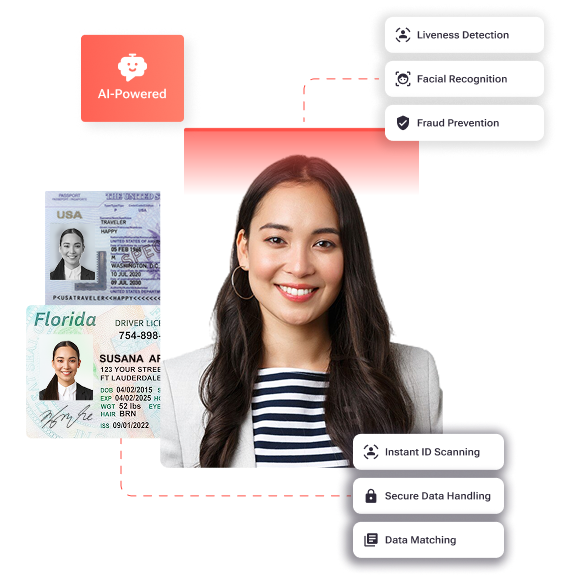
HUD requires 55+ communities to verify residents’ ages using reliable surveys and affidavits. Communities must apply consistent verification procedures and keep accurate records for all residents, with special attention to new move-ins.
Biennial Surveys and the HOPA Verification Process
HOPA mandates biennial age verification surveys so communities can prove ongoing compliance with the 80/20 rule. The verification process typically follows several critical steps.
- Design comprehensive survey forms that collect age information for all household members.
- Distribute surveys by email, mail, or door-to-door delivery to every unit.
- Handle refusals by reviewing prior records or obtaining third-party verification.
- Maintain permanent records of all verification documents and responses.
The HOPA Age Verification Survey requires the owner’s name, age, ages of all other residents, and signatures from both the owner and a witness. These survey forms become part of the community’s long-term records, so incomplete responses, inconsistent documentation, and weak follow-up procedures for non-compliant units can quickly create audit exposure.
Florida-Specific Rules for 55+ Condos and HOAs
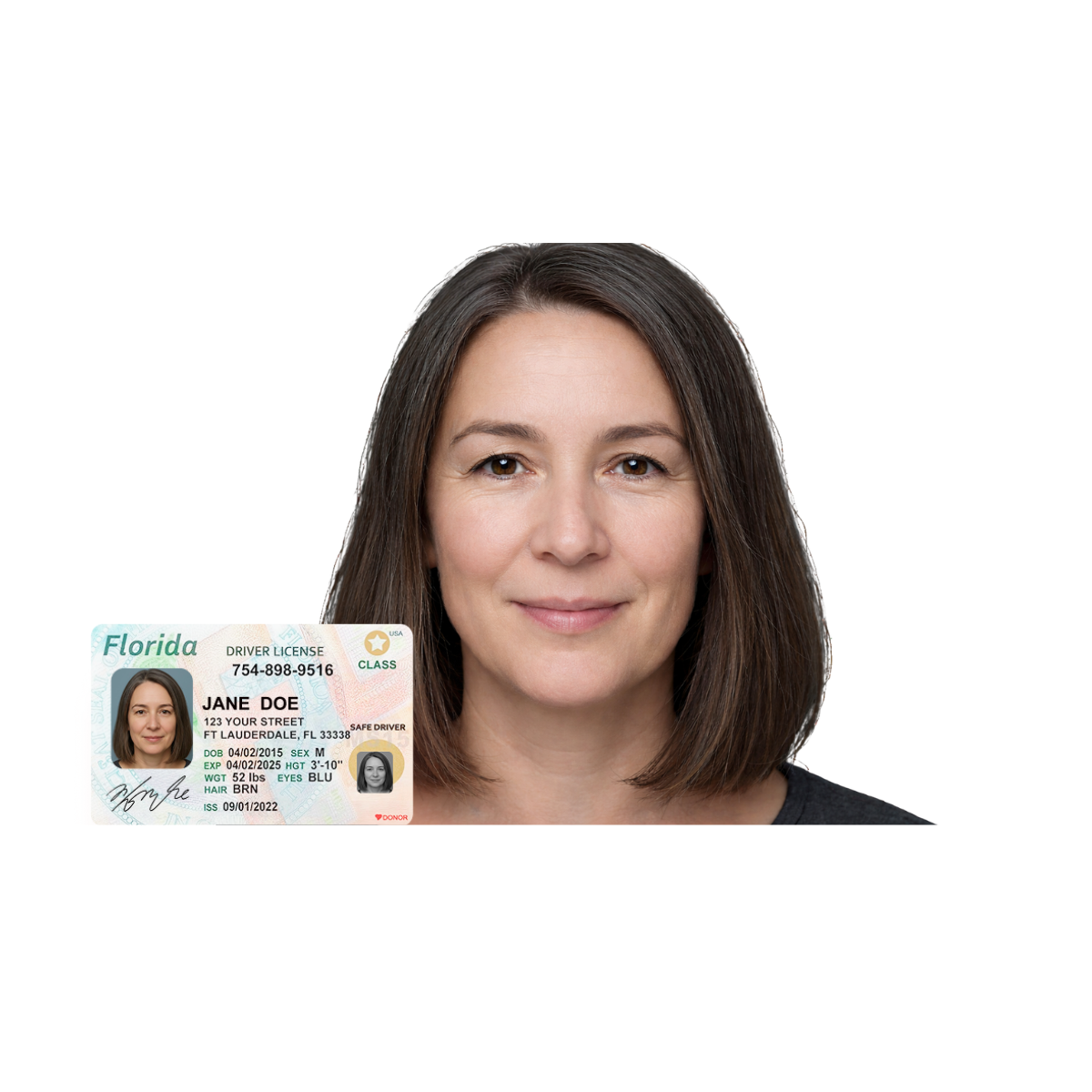
Florida condominium associations’ bylaws for 55+ communities must comply with Chapter 718, Florida Statutes, and federal HOPA rules, including clear enforcement of age-related restrictions. Florida law requires condominium associations to publish written policies that show intent to operate as 55+ communities, along with detailed procedures for age verification using official identification.
Spouses and adult children under 55 may live in Florida 55+ communities when they meet the community’s bylaws and occupancy rules, as explained by HOPA guidance on age requirements. Each community sets its own specific policies within HOPA guidelines, including rules for adult children and temporary guests.
Because these policies carry legal weight, the board of directors must ensure compliance with both HOPA and Chapter 718, Florida Statutes, or risk personal liability for negligence. Governing documents only become effective after proper amendment procedures, unit owner approval, and county recording.
Common Challenges in Age Verification for CAMs and Boards
Florida CAMs and condo boards encounter significant operational challenges when they rely on manual age verification processes.
- Manual email and PDF distribution creates administrative bottlenecks that consume more than 50 hours of staff time each day.
- Inconsistent documentation standards produce incomplete or mismatched verification records.
- Fragmented follow-up processes for non-responsive residents increase compliance and enforcement risks.
- Audit trail gaps expose communities to HUD enforcement actions, fines, and potential loss of age-restricted status.
- Traditional document-only verification methods increase identity fraud risk and weaken confidence in reported ages.
These issues compound across large property portfolios where CAMs manage verification for thousands of units at once. As portfolios grow, manual workflows scale poorly, which increases the likelihood of missed surveys, incomplete records, and compliance gaps.
Best Practices for Consistent Age Verification Workflows
Reliable age verification depends on standardized workflows and consistent documentation practices across every community.
Start by establishing uniform document requirements across all properties and applications. This shared standard creates the foundation for consistent verification and easier staff training. Next, implement biennial survey schedules with automated reminders and structured follow-up so responses arrive on time.
As surveys return, maintain comprehensive audit trails that link verification documents to specific units and residents. For residents who refuse to respond, use standardized refusal handling procedures that rely on prior records and third-party verification when available. When units remain non-compliant, apply clear escalation processes that guide enforcement actions and protect the association’s legal position.
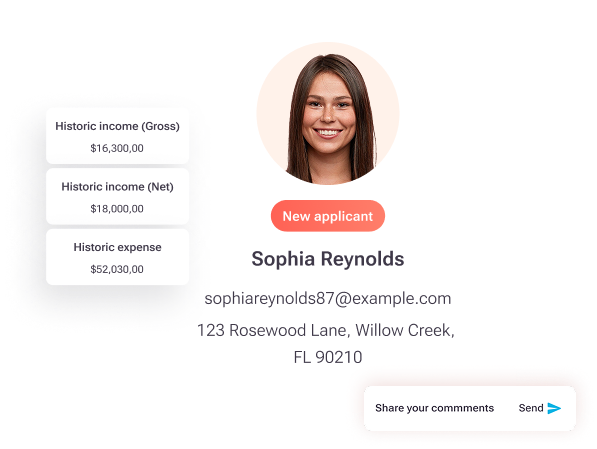
Moving from manual processes to automated frameworks cuts administrative workload while strengthening compliance documentation. See how TenantEvaluation automates these best practices for your Florida 55+ communities.
Streamlining 55+ Verification with TenantEvaluation
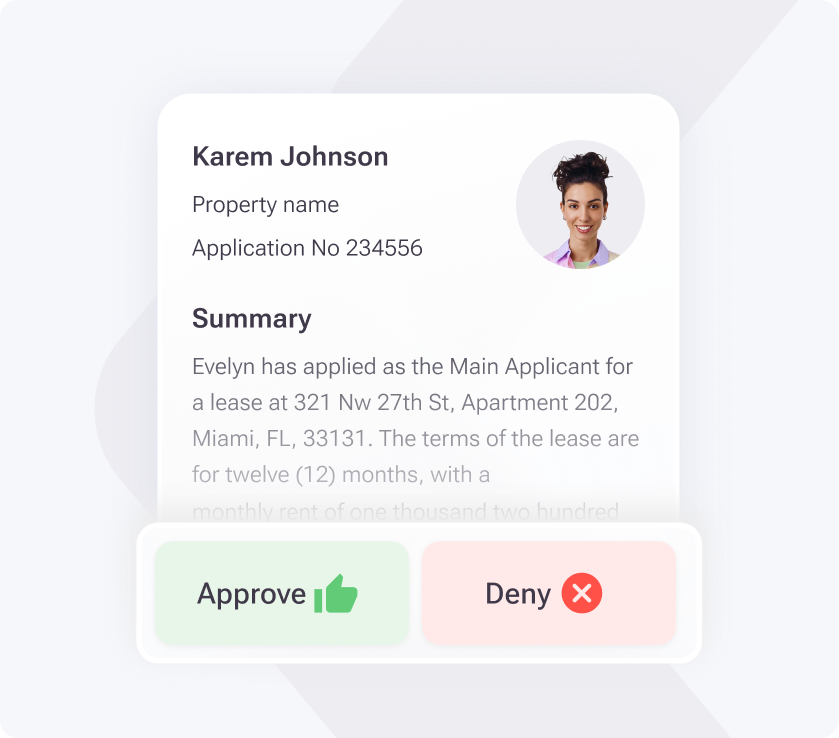
TenantEvaluation’s 55+ Communities Verification gives Florida condos and HOAs a focused system for managing age-restricted requirements. This specialized capability reduces manual work, standardizes application handling, supports documentation consistency, and improves operational efficiency for CAMs and boards.
The platform connects directly with IDVerify+ biometric verification and QuickApprove board dashboards to create an end-to-end solution designed for Florida community associations. TenantEvaluation also operates with FCRA compliance as a core design principle, unlike generic screening tools that treat it as an add-on.
ROI metrics show clear operational gains: communities report a 70% reduction in manual processing time, more than $150M generated for associations, and proven performance across 5,000+ communities that process over 100,000 applications each year. A Florida management company achieved $240,000 in annual savings by eliminating the daily manual work burden mentioned earlier through TenantEvaluation’s automation.
Compared with competitors such as ApplyCheck and Verify Screening Solutions, TenantEvaluation delivers comprehensive A-to-Z onboarding rather than screening-only services. The platform’s direct credit bureau reseller relationships and built-in audit trails provide stronger compliance protection for community associations. The following comparison shows how TenantEvaluation outperforms manual processes and generic competitors across four critical operational areas.
| Evaluation Criteria | Manual Process | Generic Competitors | TenantEvaluation |
|---|---|---|---|
| Processing Efficiency | 50+ hours daily | Partial automation | 70% time reduction |
| Compliance Support | Manual audit trails | Basic documentation | FCRA-first design |
| Scalability | Linear staff increases | Limited integration | 5,000+ communities |
| Audit Readiness | Fragmented records | Standard reporting | Built-in audit trails |
Frequently Asked Questions
What is a HOPA age verification form?
A HOPA age verification form is a standardized survey that 55+ communities use to collect and confirm age information from residents. The form asks residents to provide their age, the ages of all household members, and signatures from both the owner and a witness. Valid documentation includes driver’s licenses, birth certificates, passports, military IDs, or other government-issued identification. Residents complete the form under penalty of perjury, which certifies that all information is true and correct.
Is a 55+ survey every 2 years required?
HOPA requires 55+ communities to conduct biennial age verification surveys to maintain compliance with the 80/20 rule. Communities must complete these surveys every two years to confirm that at least 80% of occupied units contain at least one resident aged 55 or older. Associations must use reliable procedures for age verification and keep current records for all residents, including new move-ins. This biennial requirement helps communities demonstrate ongoing compliance during HUD audits.
Can an adult child live in a 55+ community in Florida?
Adult children can live in Florida 55+ communities under specific circumstances when the community’s policies and bylaws allow it. Each community sets its own rules within HOPA guidelines, including occupancy limits and guest policies. Most Florida 55+ communities prohibit permanent residency by minors under 18 or 19 years old, although temporary visits are usually permitted.
What are Florida fines for HOPA non-compliance?
HUD can impose fines on Florida 55+ communities that fail to comply with HOPA requirements. Penalties may increase when violations repeat or when communities ignore corrective measures. Additional consequences can include loss of age-restricted status, forced acceptance of younger residents, and potential civil lawsuits. Florida condominium board members may also face personal liability for negligence if they fail to ensure proper compliance with HOPA and Chapter 718, Florida Statutes.
How does TenantEvaluation automate 55+ verification?
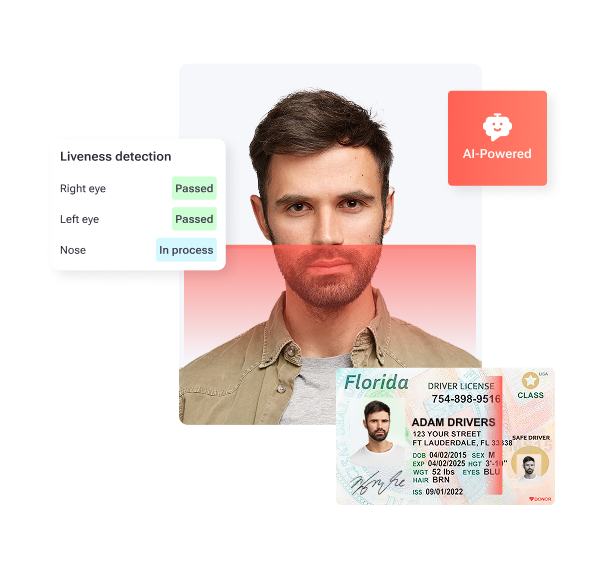
TenantEvaluation’s 55+ Communities Verification automates age verification through integrated workflows that standardize application handling and documentation collection. The platform automatically validates government-issued IDs, maintains detailed audit trails, and generates compliance reports for biennial surveys. Built-in biometric verification through IDVerify confirms applicant identity, and QuickApprove dashboards give boards real-time visibility into verification status and approval workflows. This system reduces manual work by 70% while improving documentation consistency.
What documents satisfy condo age verification requirements?
Acceptable documentation for condo age verification includes driver’s licenses, state identification cards, passports, birth certificates, military IDs, and other official government documents. HOPA requires communities to use reliable procedures when reviewing these documents, and verification may also rely on third-party affidavits or self-certification forms signed by residents. Communities must keep permanent records of all verification documents and apply consistent standards across all units and applications.
Conclusion: Modernizing HOPA Compliance for Florida 55+ Communities
HOPA age verification requirements demand consistent processes and reliable documentation for every Florida 55+ community. Manual verification increases administrative workload and audit risk, while automated solutions provide structure, visibility, and proof of compliance. TenantEvaluation’s 55+ Communities Verification delivers the operational control and scalability that CAMs and boards need for efficient age verification management. Start reducing your verification workload by 70% with a personalized demo.
