Written by: Luis Teran, Co-founder, CEO, TenantEvaluation
Key Takeaways for 55+ Community Compliance
- HOPA’s 80/20 rule requires at least 80% of occupied units to include one resident age 55 or older, verified through biennial surveys with reliable documentation.
- Florida HOAs must retain age verification and related records for seven years under Chapter 720, which supports HOPA-focused compliance checklists.
- Biennial age surveys follow a clear seven-step process that includes resident notification, ID and affidavit collection, age verification, record compilation, and secure digital retention.
- Common pitfalls such as weak documentation and manual errors increase the risk of exemption loss and lawsuits, while automation significantly reduces these issues.
- Communities can save up to 50 staff hours per day by streamlining 55+ compliance with TenantEvaluation’s automated 55+ verification workflows.
Core HOPA Audit Requirements for Age-Restricted Communities
The Housing for Older Persons Act sets the 80/20 rule for qualifying 55+ communities. At least 80% of occupied residential units must include one person aged 55 or older, and communities must maintain this threshold continuously. Biennial surveys with reliable age verification procedures provide the primary method for proving ongoing compliance.
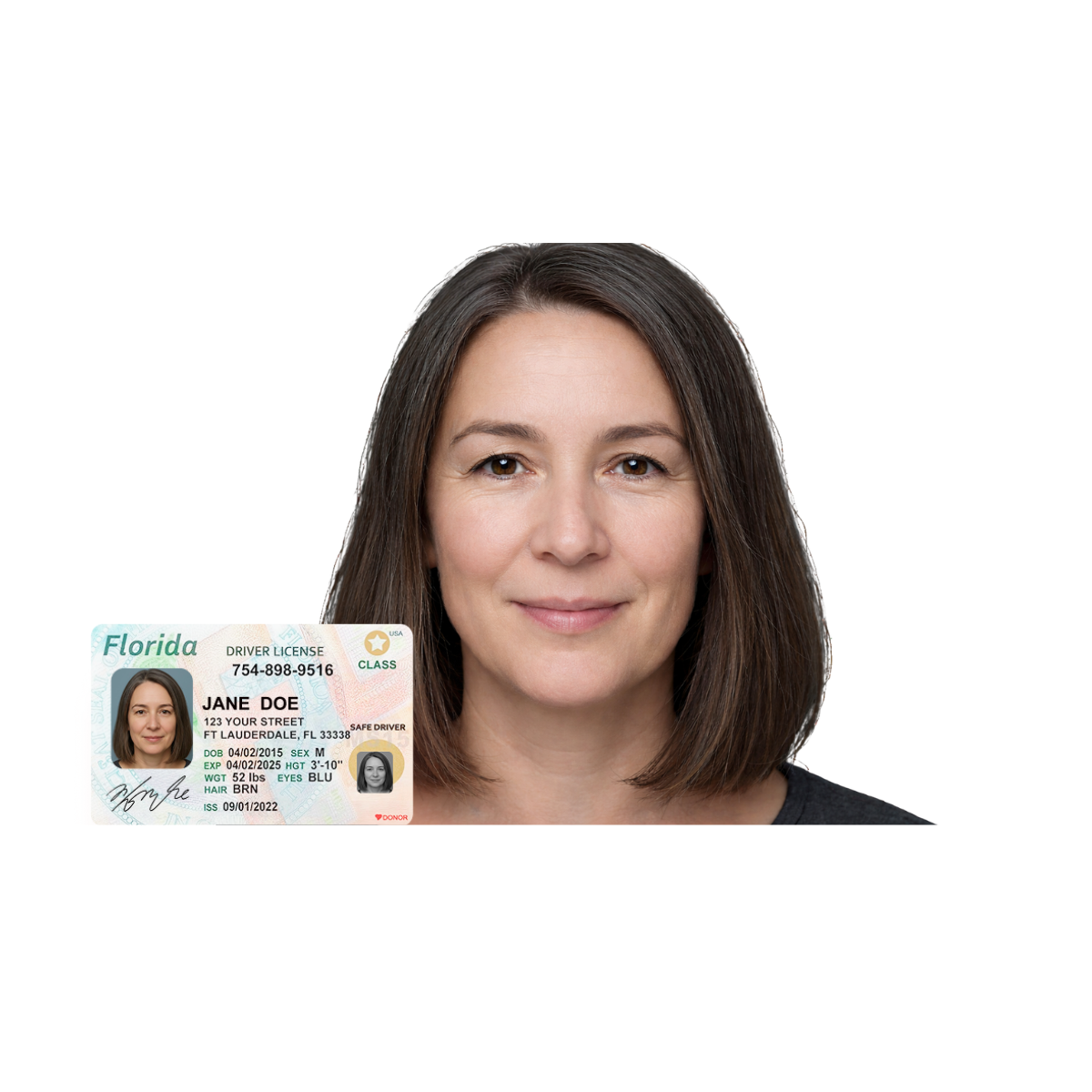
Essential HOPA compliance requirements include the following connected responsibilities:
- Verify the 80% threshold through a unit-by-unit occupancy analysis that documents every household.
- Collect reliable age verification documentation from residents, such as government IDs or sworn affidavits.
- Maintain clear intent to serve older adults through written policies, marketing, and age-focused amenities.
- Conduct biennial surveys to confirm ongoing compliance and update records for all occupied units.
- Establish procedures for reviewing government-issued documents so staff follow consistent verification steps.
- Document exceptions for under-55 occupants, including spouses or disabled adult children, in a dedicated log.
- Retain verification records in an organized system that supports quick retrieval during audits or legal reviews.
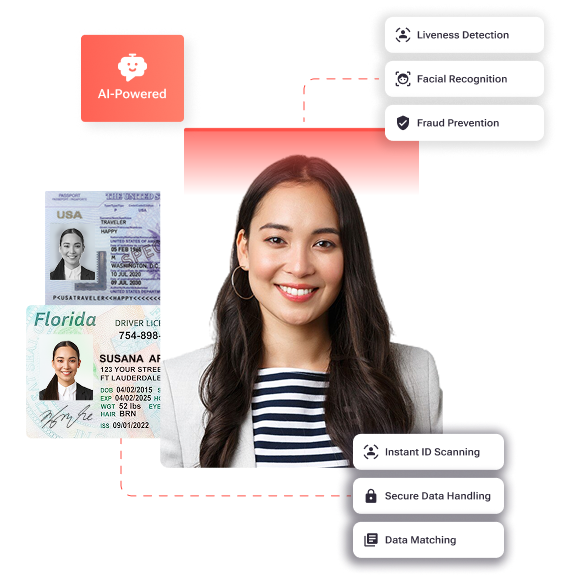
Communities can verify resident ages using several document types, and each one has specific authentication methods that satisfy HOPA’s reliability standards:
| Document Type | Verification Method | Examples |
|---|---|---|
| Driver’s License | Visual or government scan | State-issued photo ID with birthdate |
| Birth Certificate | Official document review | Certified copy from vital records |
| Passport | Government authentication | Valid U.S. or foreign passport |
| Third-Party Affidavit | Notarized statement | Sworn statement from qualified individual |
HOPA permits exceptions allowing one occupant under age 55 per unit, such as spouses or disabled adult children. These exceptions provide flexibility while preserving the community’s age-restricted status when the 80% threshold remains intact.
Florida Rules That Shape 55+ Community Audits
Florida Statute 429.26 addresses assisted living facility placements and does not define specific rules for 55+ community age verification audits. Florida HOAs still face clear recordkeeping obligations. They must maintain specific official records for at least seven years under Chapter 720, unless the association’s governing documents require a longer period.
To align with federal HOPA requirements and Florida’s governance standards, communities can follow this practical compliance checklist:
- Review community bylaws to confirm age restriction provisions and any related enforcement language.
- Align age verification procedures with HOA governance requirements so policies and practices match.
- Establish document retention protocols that meet or exceed the seven-year minimum for official records.
- Implement biennial survey notification procedures that specify timing, delivery method, and required responses.
- Document HOPA exemption intent through community policies, marketing materials, and board resolutions.
TenantEvaluation’s QuickApprove dashboard gives Florida HOA boards centralized oversight of age verification workflows. This visibility supports compliance while reducing the day-to-day administrative burden on managers and staff.
Step-by-Step Biennial Age Survey Process
A clear, repeatable biennial age survey process protects HOPA exemption status and simplifies audits. The following seven-step sequence helps communities cover every requirement without gaps.
- Notify residents – Send a formal notice at least 60 days before the survey deadline so residents have time to respond.
- Collect affidavits and IDs – Gather signed age verification affidavits and copies of government-issued identification from each occupied unit.
- Verify ages through document review – Authenticate government-issued identification and confirm that each qualifying resident meets the 55+ requirement.
- Compile occupancy records – Record each unit’s occupants and calculate unit-by-unit 80/20 compliance for the entire community.
- Board review and approval – Present findings to the governing board for review, questions, and formal approval.
- Retain records digitally – Store all supporting documentation in a secure digital system that supports quick retrieval.
- Publish intent documentation – Maintain written evidence that the community intends to serve older adults, such as policies and public statements.
Even with a clear process in place, many communities struggle with execution. Common pitfalls include inconsistent email communications, incomplete PDF submissions, and fragmented follow-up processes that often appear during the notification, collection, and reminder stages. TenantEvaluation’s 55+ Communities Verification standardizes these workflows for Florida HOAs, which reduces manual work and improves documentation consistency. TenantEvaluation frees up up to 50 hours of staff time per day per team through automation.
Essential Age Verification Documents and Templates
Strong documentation creates the foundation for defensible age verification audits. The reliable verification procedures required by HOPA depend on specific document types, and each one serves a distinct authentication purpose.
Each document type also carries different retention expectations that support long-term audit readiness:
| Document Type | Primary Purpose | Retention Requirement |
|---|---|---|
| Birth Certificate | Prove date of birth | Digital copy |
| Driver’s License | Government-issued age verification | Redacted copy |
| Resident Affidavit | Sworn age statement | Original signature |
| Occupancy Survey | Unit-by-unit compliance tracking | Complete records |
Sample affidavit language: “I swear under penalty of perjury that I am 55 years of age or older and that this information is true and correct to the best of my knowledge.” Consistent language and standardized collection procedures strengthen audit defensibility and reduce compliance risks.
Common Pitfalls, Risks, and Consequences of Failed Audits
HOPA exemption failures create serious legal and financial exposure for 55+ communities. Key risk scenarios include the following patterns.
- Under 80% compliance – Loss of age restriction exemption and increased risk of discrimination lawsuits.
- Poor documentation – Inability to defend exemption status during legal challenges or HUD investigations.
- Inconsistent procedures – Regulatory violations and failed audits due to uneven enforcement.
- Manual processing errors – Miscalculated occupancy percentages and unnoticed compliance gaps.
| Risk Factor | Impact Level | Likelihood | Prevention Strategy |
|---|---|---|---|
| Manual Documentation | High fines | Medium | Automate with TenantEvaluation |
| Incomplete Records | Lawsuit exposure | High | Standardized collection procedures |
| Calculation Errors | Exemption loss | Medium | Digital tracking and verification |
| Inconsistent Processes | Regulatory violations | High | Workflow standardization |
These compliance risks share a common thread. They arise from manual processes that introduce human error and inconsistent documentation. TenantEvaluation’s 55+ Communities Verification reduces these risks through standardized workflows and reliable documentation procedures.
Best Practices for Automating 55+ Audits with Proven Tools
Automated age verification audits help communities maintain standardized workflows, complete digital documentation trails, and consistent application of HOPA requirements. Many leading Florida communities now rely on automation to remove manual processing errors and stay audit ready year-round.
TenantEvaluation stands as a leading solution for Florida 55+ communities, built on FCRA compliance foundations and serving more than 100,000 applications annually through partnerships with industry leaders like RealManage. This proven scale translates directly into the 55+ Communities Verification capability, which reduces manual work, standardizes application handling, and supports documentation consistency for Florida condos and HOAs.
Manual alternatives such as ApplyCheck or Verify Screening Solutions often depend on fragmented TazWorks platforms and disconnected tools. TenantEvaluation instead provides integrated workflow automation designed for Community Association Managers. The platform’s automation capabilities, combined with a 4.8/5 Google rating, demonstrate proven operational efficiency while maintaining strict compliance standards.
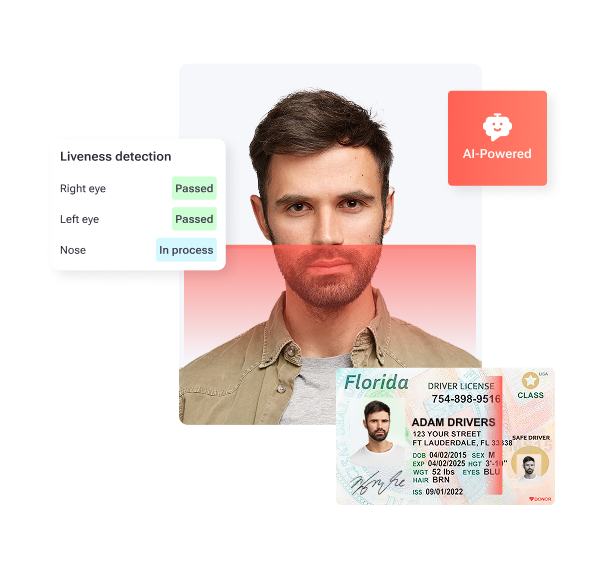
Key advantages include built-in biometric identity verification through IDVerify, board-specific dashboards via QuickApprove, and comprehensive audit trails that support Florida’s seven-year retention expectations. This integrated approach removes the need for multiple third-party providers and keeps age verification procedures consistent across every application.
Frequently Asked Questions
What is the 80/20 rule for age-restricted communities?
The 80/20 rule requires that at least 80% of occupied residential units in qualifying 55+ communities be occupied by at least one person aged 55 or older. Communities must maintain this threshold continuously and verify it through biennial surveys. The remaining 20% allows flexibility for spouses, partners, or disabled adult children under age 55.
How often must communities conduct biennial age surveys?
Communities must conduct biennial surveys every two years to maintain HOPA exemption status. Boards should set a recurring survey schedule and keep documentation of survey completion dates, resident responses, and compliance calculations. This record helps demonstrate continuous eligibility during audits or legal reviews.
What are Florida’s specific requirements for 55+ community audits?
As noted earlier, Florida’s Chapter 720 establishes a seven-year minimum retention period for official HOA records, although governing documents may require longer retention. While Florida Statute 429.26 does not specifically address 55+ community audits, communities must still align verification processes with state governance laws and federal HOPA requirements.
What is a HOPA exemption and why is it important?
A HOPA exemption allows age-restricted communities to legally exclude families with children from the Fair Housing Act’s familial status protections. This exemption preserves the community’s age-restricted character and reduces the risk of discrimination claims. Loss of exemption status can expose communities to significant legal and financial liability.
What tools are available for 55+ community verification and compliance?
TenantEvaluation’s 55+ Communities Verification offers comprehensive automation for Florida condos and HOAs that manage age-restricted requirements. The platform reduces manual work, standardizes application handling, and supports documentation consistency. It also integrates with biometric identity verification through IDVerify and board oversight capabilities via QuickApprove.
How long must age verification records be retained?
Florida communities should maintain age verification records long enough to satisfy state governance requirements and support HOPA audits. Secure digital storage with strong access controls, encryption, and backup procedures helps protect sensitive resident information while keeping records accessible.
Can residents under age 55 live in age-restricted communities?
Yes, up to 20% of occupied units may house residents under age 55, typically spouses, partners, or disabled adult children of qualifying residents. Communities must document these exceptions carefully and confirm that they do not exceed the 20% threshold so they can preserve HOPA exemption status.
Communities can master age-restricted audit requirements by combining clear checklists with automated solutions. TenantEvaluation’s 55+ Communities Verification turns manual compliance processes into streamlined, audit-ready workflows that support revenue while reducing administrative burden.
Schedule a demo today to audit-proof your 55+ community compliance processes.
