Written by: Luis Teran, Co-founder, CEO, TenantEvaluation
Key Takeaways for Florida 55+ Community Waitlists
- Florida 55+ community waitlists vary by region, with longer waits in Miami-Dade and Palm Beach and shorter ones in Tampa Bay, Sarasota, and Fort Myers.
- Typical costs include application fees around $75 and refundable deposits, which change based on community type and location.
- Applicants improve their odds by contacting managers with pre-qualification documents ready and applying to multiple communities, especially new developments.
- Approval usually requires HOPA-compliant age verification, background checks, credit screening, and proof of income.
- TenantEvaluation’s 55+ verification tools speed up processing and support compliance, and you can see these tools in action in a personalized walkthrough.
Florida Senior Housing Waitlist Lengths by Region
Florida 55+ community waitlists change significantly by location and community type. High-demand areas like Miami-Dade and Palm Beach counties often experience longer waits. Tampa Bay and Sarasota regions can offer shorter timelines in some cases. These waitlists operate as priority systems where applicants pay refundable deposits and wait for unit availability based on their position.
Application costs also vary across Florida. Crystal Lakes Manor in Pinellas Park charges a $75 non-refundable application fee with security deposits equal to one month’s rent. Premium communities may require higher deposits, while affordable housing options through local housing authorities typically charge lower application fees. The following table shows how wait times and costs differ across major Florida regions.
| Florida Region | Average Wait Time | Typical Deposit Range | Application Fee |
|---|---|---|---|
| Miami-Dade/Palm Beach | Often longer | Varies | Varies |
| Orlando/Central Florida | Varies | Varies | Varies |
| Tampa Bay/Sarasota | Often shorter | Varies | Varies |
Waitlists form when communities receive more qualified applications than available units. Community association managers maintain these lists according to state regulations and individual community bylaws. Some communities offer priority placement for local residents or specific demographics. Understanding how these lists work sets the stage for the next step, which is getting your name on them.
Steps to Get on a 55+ Community Waitlist
Applicants join a 55+ community waitlist by contacting the community association manager or authorized leasing agent and requesting an application. Most communities require pre-qualification documentation such as proof of age, income verification, and preliminary background information before they accept waitlist deposits.
Applicants improve their chances when they apply to multiple communities at the same time instead of waiting on a single option. Experts recommend joining several waitlists due to high demand and different approval timelines across properties.
Key steps for waitlist applications include:
- Contact community managers directly or work through licensed realtors who know age-restricted properties, because these professionals understand community-specific rules and expectations.
- Prepare required documents in advance, including government-issued ID, income statements, bank records, and current address verification, so your application moves forward without delays.
- Submit applications early, especially for new developments or communities in less saturated markets, since early applicants often secure the first available spots.
- Focus on emerging areas like Clearwater, Sarasota, and Fort Myers where wait times remain shorter due to active development and lower saturation.
- Maintain updated contact information and respond quickly to calls or emails from communities, because missed messages can cause you to lose your place.
Rural and newly developed communities usually offer the shortest wait times. Established communities in prime locations tend to maintain longer lists. Osceola County properties show this pattern, with Kissimmee locations having longer waits than St. Cloud alternatives.
Age-Restricted Community Application and Verification Rules
Applicants who clear the waitlist then move into a detailed age verification and approval process governed by federal Housing for Older Persons Act regulations. Florida 55+ communities must keep at least 80% of occupied units with one resident aged 55 or older. Many communities choose even stricter standards and require 100% of residents to meet the age threshold.
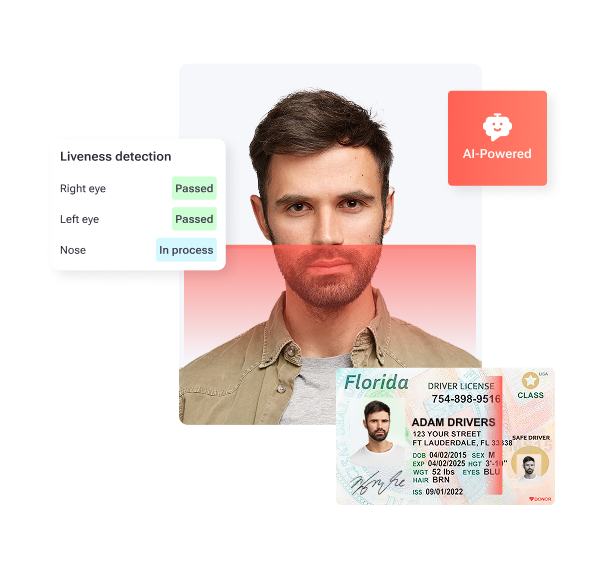
The approval process usually includes background checks, credit screening, income documentation, and age confirmation. Manual processing creates heavy administrative work for community association managers. It also causes frustrating delays for applicants who are eager to move.
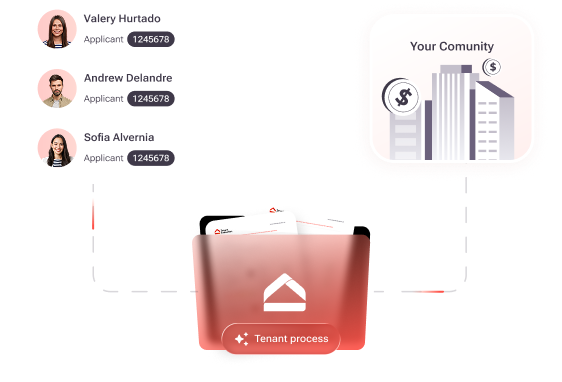
TenantEvaluation’s 55+ Communities Verification solves many of these issues by standardizing application handling across Florida condos and HOAs. This built-in capability reduces manual work, improves documentation consistency, and strengthens operational efficiency for community association managers. The platform supports more than 100,000 applications each year with FCRA-compliant screening and IDVerify, which confirms age accurately and can cut processing time by up to 70%.

Community managers gain automated workflows that remove repetitive manual tasks while still meeting HOPA requirements. See how these automated workflows handle your specific verification requirements in a personalized demo.
Tips to Shorten Wait Times and Improve Approval Odds
Targeted strategies can reduce waitlist times and improve approval chances. New developments often provide the best opportunities for shorter waits because they lack long-standing lists and actively seek qualified residents. Off-season applications during summer months can also face less competition than peak winter periods when many northern retirees arrive in Florida.
Realtors who specialize in age-restricted communities give applicants access to insider knowledge about upcoming openings and communities with shorter waits. These realtors maintain relationships with multiple community managers, which helps them spot opportunities that never reach public listings.
The following table compares common processing methods so managers and applicants can see how speed and specialization differ.

| Processing Method | Average Processing Time | Florida 55+ Specialization | Board Dashboard Access |
|---|---|---|---|
| Manual Processing | Varies | No | No |
| TenantEvaluation | Standard Service up to 14 business days, Platinum Service 1 business day, initial file review 24-48 business hours | Yes | QuickApprove Dashboard |
| Generic Competitors | 1-3 days | No | Limited |
Strong document preparation also speeds up approvals. Applicants should gather all required paperwork before their waitlist position becomes active. This set usually includes recent tax returns, bank statements, employment verification, and medical records when communities request them. TenantEvaluation’s IDVerify technology reduces identity fraud risk and accelerates verification for legitimate applicants.
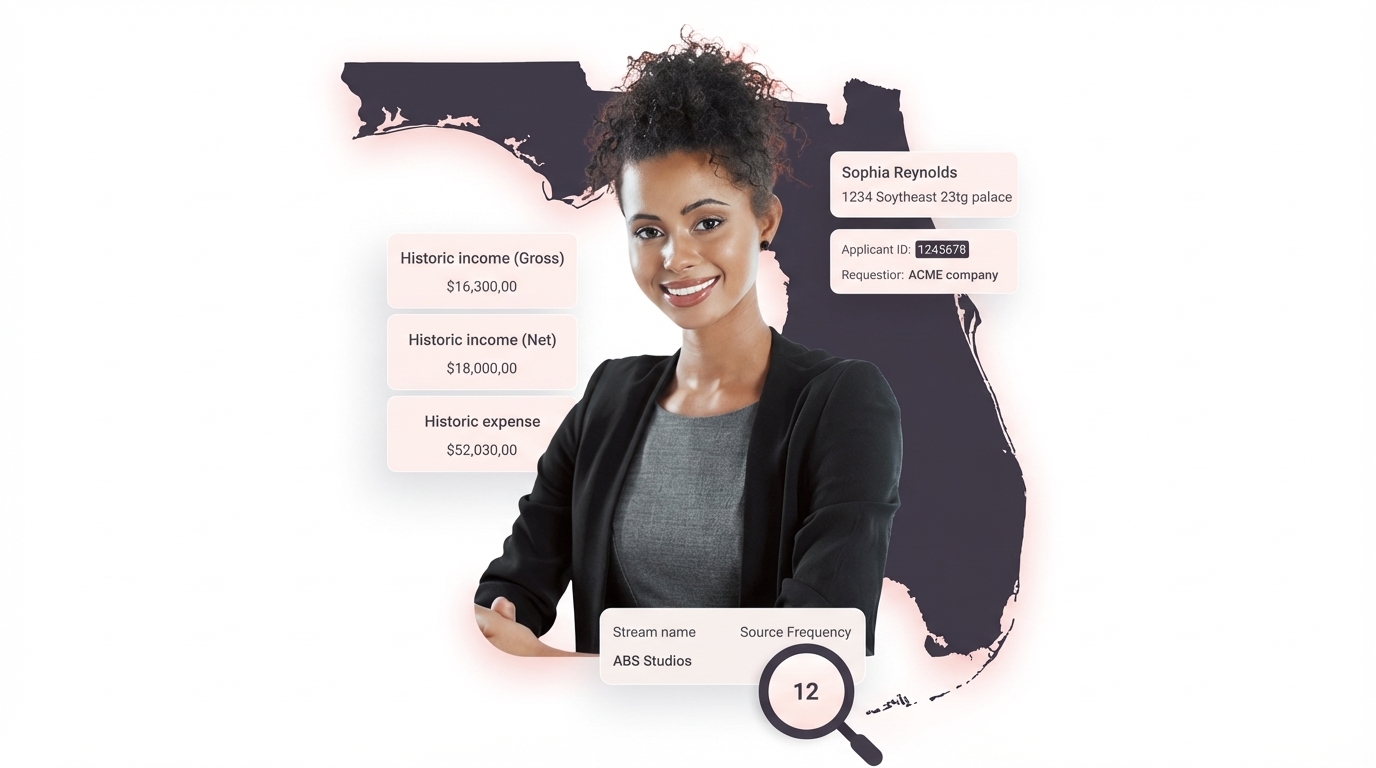
Florida Regions With the Shortest Senior Housing Waitlists
Regional differences in waitlist length reflect local supply and demand. The regional patterns mentioned earlier, including shorter waits in Fort Myers, Tampa, and St. Petersburg, connect to ongoing development and lower population density compared to South Florida markets. Osceola County shows similar variation between Kissimmee and St. Cloud properties.
Low-income senior housing through Section 202 and PRAC programs operates on separate waitlists with different qualification rules. These federally subsidized programs often have longer waits but provide crucial affordable options for income-qualified seniors.
The next table highlights how development activity and market saturation influence wait times across selected Florida regions.
| County/Region | Wait Time Range | Development Activity | Market Saturation |
|---|---|---|---|
| Palm Beach | Varies | Limited | High |
| Broward | Varies | Moderate | High |
| Hillsborough (Tampa) | 0-5 months | Active | Moderate |
| Lee (Fort Myers) | Varies, often shorter | Active | Low |
TenantEvaluation’s 24/7 multilingual AI support helps diverse applicant groups navigate complex applications. Automated workflows keep processing consistent across communities of different sizes and locations.
Streamlining 55+ HOA Waitlist Approvals With TenantEvaluation
Florida’s 55+ community waitlists require both strategic planning and efficient processing to keep pace with rising demand. Early applications to multiple communities, strong document preparation, and a focus on emerging markets give applicants the best chance at shorter waits. Community association managers gain similar advantages when they use standardized processing systems that reduce manual work and maintain age-verification compliance.
TenantEvaluation serves more than 5,000 communities, supports $150 million in generated revenue, and holds a 4.8/5 Google rating. The platform’s 55+ Communities Verification focuses on the specific needs of Florida condos and HOAs that manage age-restricted applications. Discover how TenantEvaluation’s automated workflows can transform your 55+ application process by requesting a personalized walkthrough of the verification system.
Frequently Asked Questions
How long are 55+ community waitlists in Florida?
Florida 55+ community waitlists vary widely by location. South Florida areas like Miami and Palm Beach often experience longer waits. Tampa Bay, Sarasota, and Fort Myers regions can offer shorter timelines. New developments and rural communities usually have the shortest wait times.
What are the typical costs for joining a 55+ community waitlist?
Waitlist costs differ across Florida communities. Application fees and deposits change based on community type and market positioning. Affordable housing options usually charge lower fees, while premium communities may require higher deposits to hold a waitlist position.
What are the best strategies to skip or shorten 55+ community waitlists?
Applicants can apply to multiple communities at the same time, focus on new developments and emerging markets, work with specialized realtors, and consider off-season applications. Rural areas and communities in Fort Myers, Tampa, and Clearwater typically offer shorter waits than established South Florida markets.
How do Florida 55+ communities verify age requirements?
Communities must follow federal HOPA regulations that require at least 80% of units to house residents aged 55 or older. Verification usually involves checking government-issued ID, reviewing income documentation, and running background checks. Many modern communities now use digital verification systems to streamline this process while staying compliant.
Which Florida areas have the shortest 55+ housing waitlists?
Tampa Bay, Sarasota, Fort Myers, and St. Petersburg often show shorter wait times because of active development and lower saturation compared to Miami-Dade and Palm Beach counties. Emerging markets in Central Florida and rural communities also provide faster access to available units.
What digital tools help streamline 55+ community applications?
Modern application platforms reduce processing time from days to minutes through automated document review, biometric identity verification, and standardized workflows. These systems help community managers handle high application volumes, maintain age-verification compliance, and cut manual administrative work.
