Written by: Luis Teran, Co-founder, CEO, TenantEvaluation | Last updated: July 26, 2026
Key Takeaways
- Florida 55+ condo applications slow down and become risky when handled through scattered emails, PDFs, and spreadsheets.
- Under 24 CFR § 100.307, communities must maintain reliable biennial surveys and affidavits to prove 80% occupancy compliance.
- Standardized document checklists, age-verification affidavits, and centralized digital records reduce incomplete submissions and audit exposure.
- Manual processes create recurring bottlenecks. Automated platforms enforce complete packages and speed up board-ready approvals.
- TenantEvaluation delivers purpose-built 55+ verification tools that standardize age-restricted workflows for Florida condos and HOAs.
How the 7-Step Florida 55+ Condo Application Process Works
The full 55+ application lifecycle shows exactly where manual workflows create delays and compliance gaps. The seven steps below walk through that lifecycle and highlight the points where standardization and automation remove the most common failure points.
- Pre-Application Eligibility Confirmation: The association confirms the unit is subject to 55+ age-restriction requirements and verifies the community’s current 80/20 occupancy status before accepting the application package.
- Application Package Distribution: The CAM distributes the standardized application form to all adult occupants, along with document checklists, screening fee instructions, and age-verification requirements.
- Document Collection and Age Verification: Applicants submit government-issued ID (driver’s license, passport, birth certificate, or military ID), a completed application, executed lease or purchase contract, and a signed age-verification affidavit confirming at least one occupant is 55 or older per 24 CFR § 100.307.
- Background and Credit Screening: The association runs background checks, credit reports, and identity verification on all adult applicants. Screening fees are collected, and Florida Statute 718.112 caps transfer or approval fees at $150 per applicant, with spouses or a parent and dependent child counted as one applicant.
- Board Review and Interview (if applicable): The completed application package goes to the board for review. Some associations require an in-person or virtual interview before a vote is scheduled.
- Board Vote and Approval Decision: The board approves, denies, or requests additional information. Approval letters and welcome materials go out after a positive decision.
- Record Retention and Biennial Update Scheduling: Age-verification documentation is stored in the community’s records system. The association schedules the next biennial survey update to maintain ongoing HOPA eligibility.
Document Requirements for Florida 55+ Condo Owners and Renters
Owner and renter applications require different document sets, yet many communities still use a single checklist. That approach creates gaps and incomplete submissions. The table below shows the specific documents required for each applicant type and where standardized, role-based checklists prevent the most frequent omissions.
| Document | Owner Requirement | Renter Requirement | Retention Guidance |
|---|---|---|---|
| Government-Issued Photo ID | Required for all adult occupants (driver’s license, passport, military ID, or birth certificate per 24 CFR § 100.307) | Required for all adult occupants (same acceptable documents) | Retained and updated at minimum every two years per biennial survey requirement |
| Age-Verification Affidavit | Signed statement by a household member age 18+ confirming at least one occupant is 55 or older per 24 CFR § 100.307 | Same requirement, signed by tenant age 18+ | Retained with date of verification and document type noted |
| Executed Contract or Lease | Executed purchase contract required | Executed lease agreement required per standard Florida condo association practice | Retained for lease lifecycle and connected to occupancy records |
| Background and Credit Screening Authorization | Signed consent required for all adult occupants | Signed consent required for all adult occupants | Retained as part of application audit trail |
| Application Form (All Adult Occupants) | Completed application with personal, financial, and contact details per standard Miami-area condo practice | Same requirement for each adult occupant | Retained as part of the permanent application record |
| Screening Fee Payment | Up to $150 per applicant (spouses or parent and dependent child count as one applicant) | Same cap applies | Payment records retained per association financial records policy |
| References and Rental History | May be required per governing documents | Commonly required, including prior landlord references and eviction history | Retained as part of screening file |
Collecting the right documents is only half the challenge. The other half is how long the approval process takes once a complete package enters the queue.
Typical Timelines for 55+ Condo Board Approval
Miami-area condo association approvals typically take one to four weeks, with professionally managed buildings completing administrative approvals in one to two weeks. Buildings that require a board vote at a scheduled meeting often take three to four weeks or longer. There is no single statewide statutory deadline, so each association sets its own review timeframe in its governing documents.
The most common sources of delay include:
- Incomplete application packages with missing signatures or expired documents per standard Florida condo association practice
- Missing age-verification affidavits or government-issued ID for all adult occupants
- Board meeting cadence, where monthly meetings mean a missed submission window adds weeks to the timeline
- Manual follow-up cycles between CAMs, applicants, realtors, and board members
- Inconsistent document checklists that vary by unit type or applicant category
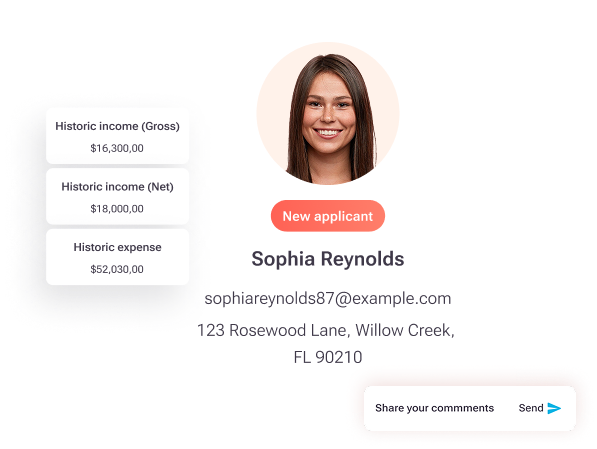
TenantEvaluation’s platform targets these delays directly. Smart application form logic checks for required documents and rejects incomplete submissions before they reach the CAM’s desk. QuickApprove accelerates resident approvals with real-time application tracking, automated communication support, and a board-ready approval process, all inside one connected platform without sacrificing control, compliance, or visibility.
Under-55 Occupancy Rules in Florida 55+ Condos
The 80/20 rule under 24 CFR § 100.305(a) and Florida Statutes § 760.29(4)(a) controls when someone under 55 can live in a 55+ condo. At least 80% of occupied units must have one resident age 55 or older. The remaining 20% of occupied units may be occupied by residents under 55, subject to the community’s governing documents.
Key rules governing under-55 occupancy include:
- Younger spouses: HOPA counts the household and requires only one occupant per unit to be 55 or older, so a qualifying resident may live with a younger spouse or adult partner per HOPA’s household-based standard.
- Surviving spouses: Federal law does not guarantee that an under-55 surviving spouse can remain after the qualifying resident passes away. The community’s declarations and bylaws control the outcome.
- Live-in caregivers: HOPA permits caregivers under 55 to reside in age-restricted housing but does not require communities to allow them. Each association sets its own policy within the 80/20 framework.
- Guest stays: Many 55+ communities cap guest visits at 14 to 30 consecutive days and 30 to 60 total days per calendar year. Exact limits appear in each community’s CC&Rs, and extended stays without HOA approval can jeopardize age-restricted status.
- Minor children: Many 55+ communities prohibit permanent residency by anyone under 18, though visiting minors such as grandchildren are generally permitted within posted guest limits.
HOPA rules also address units occupied by employees performing substantial management or maintenance duties and units providing reasonable accommodation to disabled residents that may be occupied by individuals under 55. Post-approval, age-verification records must be updated at minimum every two years through reliable surveys and affidavits as required by federal law. The Florida Commission on Human Relations previously required 55+ communities to register, but the registration requirement (and associated public registry) was eliminated effective July 1, 2020.
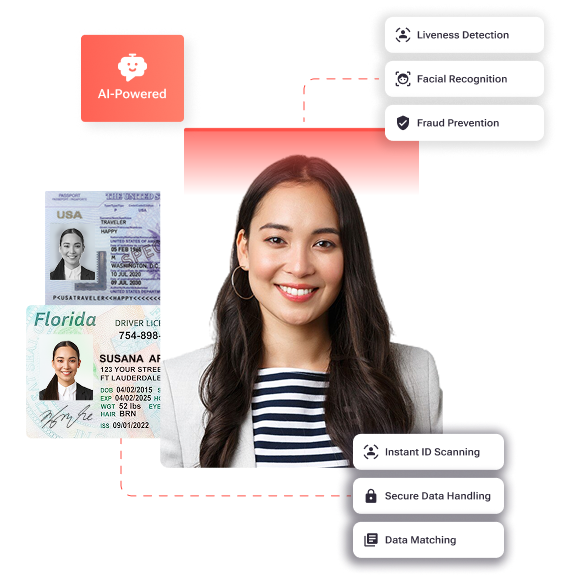
These ongoing verification requirements, combined with the document-heavy application process above, show why manual handling creates persistent operational problems for most communities.
Challenges with Manual 55+ Application Handling
Most Florida 55+ communities still rely on email chains, PDF checklists, and spreadsheets to manage age-restricted applications. This fragmented approach produces four recurring problems.
- Incomplete submissions: Applicants miss required documents, especially age-verification affidavits, because checklists are inconsistent or shared informally. CAMs spend significant time on manual follow-up before a package is reviewable.
- Approval delays: Incomplete packages stall at the CAM level before reaching the board. When board meetings are monthly, a single missed submission window adds weeks to the timeline.
- Manual review burden: CAMs manually compare each document against age-restriction requirements, screening criteria, and governing document rules. This work is time-consuming and often inconsistent across applications.
- Inconsistent documentation: Without a standardized workflow, age-verification records vary in format, completeness, and retention. Communities that fail to conduct biennial surveys cannot prove compliance if challenged by HUD, and records that lack the date of verification, document type, and survey methodology create audit exposure.
Best Practices for Consistent 55+ Documentation
Consistent 55+ documentation depends on clear structure, not just a checklist. The practices below work together to reduce fragmentation and support audit-ready records.
- Standardize the document checklist by applicant type: Owner and renter applications require different document sets. A single universal checklist creates gaps, while separate, role-specific checklists reduce incomplete submissions.
- Collect age-verification documents at every application: Standardized checklists only help when they capture the right data. Age verification under HOPA is an ongoing obligation, not a one-time event at move-in. Every new application is a chance to update and strengthen the community’s verification record.
- Maintain a biennial survey calendar: Boards should establish a compliance calendar that tracks reporting deadlines, reserve study updates, and state filing deadlines, and that calendar should include the biennial age-verification survey required under 24 CFR § 100.307.
- Centralize records with searchable digital history: A common vulnerability in senior condominium associations is decentralized record storage, with critical documents scattered across board members’ personal files, email accounts, and home offices. A digital system with secure access controls, searchable indexing, and audit trail functionality addresses this risk.
- Designate a records custodian: Associations should designate a records custodian responsible for maintaining retention schedules and responding to owner requests within statutory deadlines. This role keeps accountability clear and supports consistent recordkeeping.
55+ Communities Verification by TenantEvaluation is built for Florida condos and HOAs managing these requirements. It standardizes how age-restricted requirements are handled across applications, reduces manual work, improves documentation consistency, and strengthens internal processes for CAMs and boards. Unlike generic screening tools or broad property-management software, 55+ Communities Verification fits the workflows of Florida age-restricted associations and supports a more structured, scalable process for communities with high application volumes.
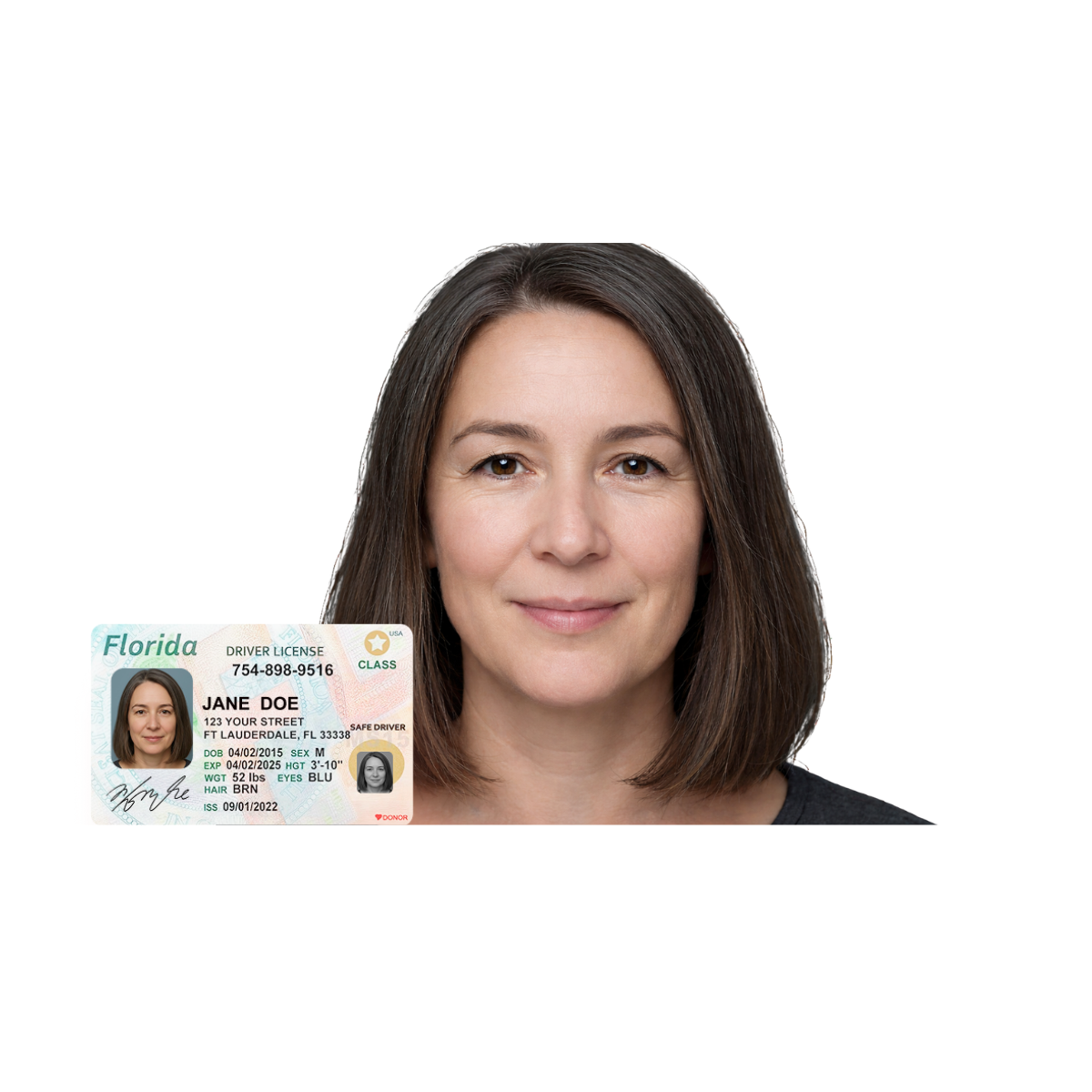
TenantEvaluation is built specifically for community associations and management companies, with FCRA compliance as the foundation, not an afterthought. With 5,000+ communities served and approximately 100,000 applications processed annually, the platform brings the same standardization to 55+ handling that it delivers across the full resident onboarding lifecycle.
Frequently Asked Questions
How long does 55+ condo board approval take in Florida?
Approval timelines vary by association. Professionally managed buildings with administrative approval authority typically complete the process in one to two weeks. Buildings that require a full board vote at a scheduled meeting can take three to four weeks or longer, especially when monthly meeting cadence is a factor. The most reliable way to shorten timelines is to submit a complete application package, including all age-verification documents, at the time of initial submission. TenantEvaluation’s platform automatically checks for required documents and rejects incomplete submissions before they reach the review queue, which reduces back-and-forth and keeps applications moving.
Can someone under 55 live in a Florida 55+ condo?
Yes, within limits. The federal 80/20 rule requires at least 80% of occupied units to have one resident age 55 or older. The remaining 20% of occupied units may be occupied by residents under 55, subject to the community’s governing documents. Younger spouses of qualifying residents are generally permitted because HOPA counts the household, not every individual occupant. Live-in caregivers under 55 may also be permitted, but this is not required by federal law, so each association sets its own policy. Guest stays by individuals under 55 are typically capped at 14 to 30 consecutive days per the community’s CC&Rs, and extended stays without HOA approval can jeopardize the community’s age-restricted status.
What documents are needed for a 55+ condo application in Florida?
Standard required documents include government-issued photo ID for all adult occupants (driver’s license, passport, birth certificate, or military ID), a signed age-verification affidavit confirming at least one occupant is 55 or older, a completed application form for each adult occupant, an executed lease or purchase contract, signed background and credit screening authorization, and screening fee payment. Renter applications typically also require rental history and prior landlord references. Owner applications require the executed purchase contract in place of a lease. All age-verification documents must be retained and updated at minimum every two years per the biennial survey requirement under 24 CFR § 100.307.
How often must a Florida 55+ community update its age-verification records?
At least every two years. Federal HOPA regulations under 24 CFR § 100.307 require 55+ communities to conduct reliable surveys and update age-verification occupancy data on a biennial basis. Records must include the date of verification, the type of documentation reviewed, and the survey methodology. Communities that fail to maintain current biennial data risk losing their HOPA exemption, which would require the community to open to families with children. Florida Statutes § 760.29 mirrors this federal requirement. TenantEvaluation’s 55+ Communities Verification supports documentation consistency and helps CAMs maintain structured records across applications, which makes biennial updates manageable at scale.
What fees can a Florida 55+ condo association charge for application processing?
Florida Statute 718.112 caps transfer or approval fees at $150 per applicant for condominium associations. Spouses or a parent and dependent child are counted as a single applicant for fee purposes. Associations may also charge separately for background and credit screening, provided those fees are disclosed in the governing documents. TenantEvaluation’s automated fee collection handles payment processing during the online application submission, which eliminates manual payment handling and ensures fees are collected accurately before the application enters the review queue.
Conclusion: Standardizing 55+ Application Handling in Florida Communities
Florida 55+ condo application processing is a high-stakes operational function. The 80/20 rule, biennial age-verification requirements, document retention obligations, and board approval workflows create a compliance-sensitive environment where fragmented manual processes introduce real risk. Incomplete submissions delay approvals, inconsistent documentation creates audit exposure, and manual review burdens slow CAMs and boards during peak application seasons.
TenantEvaluation is the purpose-built platform that replaces this fragmentation with a structured, scalable workflow. 55+ Communities Verification standardizes age-restricted application handling across Florida condos and HOAs, reduces manual work, improves documentation consistency, and strengthens internal processes for CAMs and boards. Combined with QuickApprove‘s accelerated board-ready approval workflow and IDVerify‘s biometric identity verification, TenantEvaluation delivers end-to-end resident onboarding built specifically for community associations, with FCRA compliance as the foundation, not an afterthought.
See how TenantEvaluation standardizes 55+ application handling for your Florida condo or HOA.
