Written by: Luis Teran, Co-founder, CEO, TenantEvaluation
Key Takeaways
- HOAs must follow ADA Titles II and III when using biometric screening for gates, amenities, and other public-style facilities, and they must provide reasonable alternatives for residents with disabilities.
- Core compliance steps include offering no-cost accommodations such as PINs or key fobs, conducting individualized assessments, and keeping detailed audit trails.
- Effective alternatives for disabilities include app-based PINs, manual ID review, and alternative biometrics, all documented through a clear interactive process.
- Privacy best practices cover explicit consent for biometric data, secure storage with encryption, transparent retention policies, and avoiding AI bias under 2026 DOJ guidance.
- TenantEvaluation’s IDVerify+ delivers ADA-compliant biometrics for Florida HOAs with built-in accommodation workflows and automated privacy protections.
When ADA Rules Govern HOA Biometric Screening
ADA compliance requirements apply to HOAs when they operate as public accommodations or provide services that affect resident access. ADA Title II covers public entities while Title III addresses public accommodations, including HOA clubhouses, pools, and gated entry systems. Because these facilities often rely on biometric screening for access control, Florida HOAs using biometrics for resident onboarding, gate access, or amenity usage must ensure ADA biometric HOA compliance.
Common biometric applications include facial recognition for community entry, fingerprint verification for amenity access, and identity verification during the resident approval process. The 2026 DOJ guidance explains that automated systems, including AI-powered biometric verification, must provide equivalent alternatives for disabled users. HOAs face significant liability exposure when biometric systems create barriers for residents with visual impairments, mobility limitations, or other disabilities that affect biometric capture.
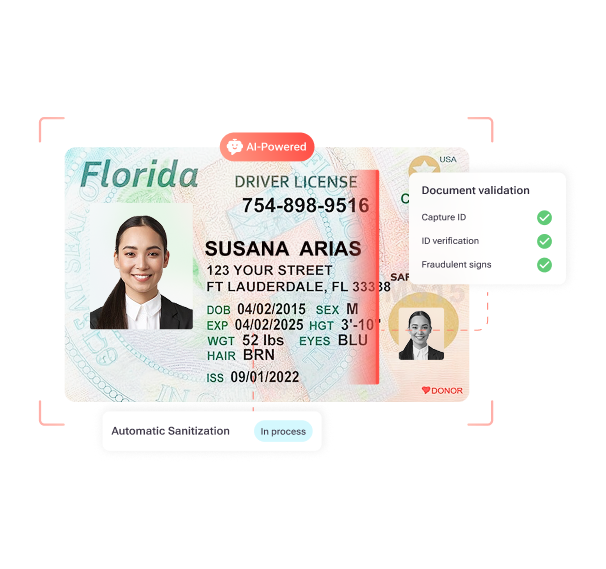
Key ADA Rules for HOA Biometric Screening
HOAs provide ADA compliant biometric screening by offering reasonable accommodations, conducting individualized assessments, and maintaining thorough documentation. These requirements work together to protect residents with disabilities while preserving community security.
1. Offer Reasonable Accommodations: Provide no-cost alternatives such as PIN codes, key fobs, or manual verification for residents who cannot use biometric systems. These reasonable accommodation biometrics HOA solutions must remain effective and convenient so residents are not penalized for requesting them.
2. Conduct Individualized Assessments: Because disabilities and functional limitations vary widely, evaluate each accommodation request based on the resident’s specific condition and access needs. Document the interactive process, record the options considered, and avoid blanket denials that ignore individual circumstances.
3. Ensure No Fundamental Alteration: Accommodations cannot fundamentally change the community’s security or access control purposes. At the same time, HOAs must still provide workable alternatives for disabled residents so they can enter and use facilities safely.
4. Implement Privacy Protections: Florida HOAs must obtain proper consent for biometric data collection and use secure storage practices that align with emerging biometric privacy standards. Encryption, access controls, and clear internal rules help protect sensitive data.
5. Maintain Audit Trails: Record all accommodation requests, decisions, and alternative access methods in a consistent format. These audit trails demonstrate compliance during potential investigations and show that the board followed a structured process.
Biometric Alternatives and Accommodations for Disabled HOA Residents
Effective biometric screening alternatives for disabled HOA residents must provide comparable security without adding costs for the resident. The Fair Housing Act and ADA Titles II and III require HOAs to engage in an interactive process to determine appropriate accommodations for residents with disabilities.
Common accommodation options include app-based PIN verification, physical key cards, manual identity review by staff, and alternative biometric methods when appropriate. HOAs may request reliable documentation from physicians or mental health professionals to verify accommodation needs, particularly when disabilities are not apparent. The following table highlights three frequent accommodation types Florida HOAs use, matched to disability examples and the basic implementation steps for each option.
| Accommodation | Disability Example | Implementation Steps |
|---|---|---|
| PIN/Key Fob | Visual Impairment | Auto-issue via request form |
| Manual ID Review | Mobility-Limited | Staff verification and audit |
| Alternative Biometric | Hand Injury | Voice or facial backup option |
Florida ADA biometric rules HOA compliance requires documenting the accommodation process and avoiding common pitfalls such as denying requests without individualized assessment. HOA rules denying reasonable accommodations to residents with documented disabilities are unenforceable and expose associations to significant legal liability. TenantEvaluation’s platform automatically provides compliant accommodation options, eliminating the manual work of tracking and implementing alternatives for each resident request.
Privacy Requirements and Best Practices for HOA Biometrics
Florida HOAs that implement biometric identity verification systems must navigate evolving privacy regulations alongside ADA obligations. Legal experts recommend explicit written releases for biometric data collection to align with emerging biometric privacy laws similar to Illinois BIPA.
Best practices start with obtaining clear consent before biometric capture, which creates the legal foundation for data collection. Once consent is secured, HOAs should implement secure data storage with encryption to protect the information they hold. Transparency requires clear data retention policies that explain how long biometric information remains on file, and automatic deletion timelines then enforce those policies so data does not remain longer than promised. The 2026 DOJ guidance on AI bias explains that biometric systems must not discriminate against protected classes, including individuals with disabilities.
Despite these clear requirements, many Florida HOAs still fall into preventable compliance traps. Common compliance pitfalls include failing to document accommodation alternatives, collecting biometric data without proper consent, storing biometric information insecurely, and denying accommodation requests without individualized assessment. HOAs should develop written policies that address biometric data handling, accommodation request procedures, and staff training on disability rights.
The Leading Biometric Screening Option for Florida HOAs
TenantEvaluation stands as Florida’s leading biometric screening platform, serving 5,000+ communities with 100,000+ applications processed annually and generating $150M for associations. The platform maintains a 4.8/5 Google rating while treating FCRA compliance as a core requirement.
IDVerify+ provides native biometric identity verification embedded directly into the screening workflow. The system combines government ID validation, AI-powered liveness detection, and facial biometric matching to reduce fraud and speed up approvals.
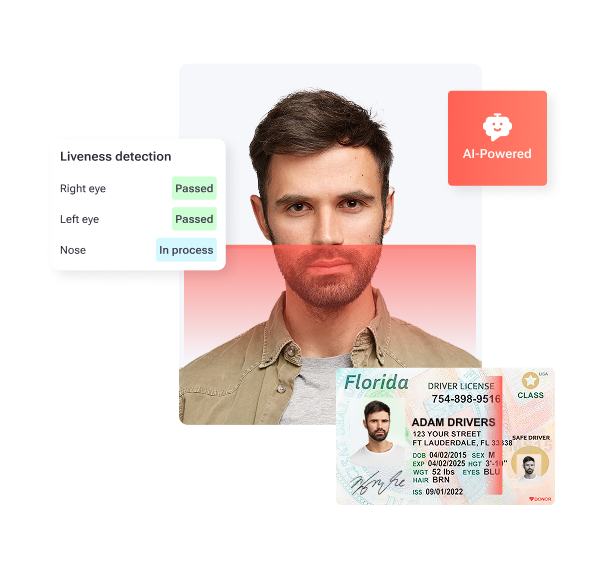
Unlike competitors, TenantEvaluation processes applications 70% faster while maintaining full FCRA compliance. The platform partners with leading Florida management companies including RealManage and FirstService Residential. This comparison highlights three features that matter most when evaluating compliant biometric screening platforms: native biometric integration, processing speed, and Florida-specific HOA workflows.

| Feature | TenantEvaluation | ApplyCheck | AppFolio |
|---|---|---|---|
| Biometrics Native | Yes (IDVerify+) | No | No |
| Processing Time | 70% Faster | Days | Days |
| Florida HOA Dashboard | Yes (QuickApprove) | No | Generic |
TenantEvaluation’s biometric upgrade removes fraud concerns through automated verification workflows while keeping HOA screening requirements intact and familiar for staff.
Conclusion and Next Steps for HOA Biometric Compliance
Successful ADA compliant biometric screening balances three priorities: legal compliance through reasonable accommodations and individualized assessments, privacy protection through secure data handling and explicit consent, and operational efficiency through automated systems that embed compliance into daily workflows. Florida HOAs face increasing scrutiny on biometric implementations, which makes the choice of platform critical for avoiding costly violations while maintaining strong security standards.
Effective compliance also depends on the interactive process. Boards must engage with each resident’s specific needs instead of relying on blanket policies, then document every step to show good faith efforts. Deploy IDVerify via TenantEvaluation for the same ADA-safe screening infrastructure already protecting 5,000+ Florida communities.
Frequently Asked Questions
Do HOAs have to be ADA compliant for biometrics?
Yes, HOAs must comply with ADA requirements when they implement biometric screening systems. ADA Title II and Title III apply to HOAs that function as public accommodations or provide resident services. This coverage includes biometric systems used for gate access, amenity entry, or resident onboarding. HOAs must provide reasonable accommodations for residents who cannot use biometric systems because of disabilities, such as offering PIN codes, key fobs, or manual verification alternatives.
What are reasonable accommodations for biometric HOA screening?
Reasonable accommodations for biometric screening include PIN-based access codes, physical key cards, manual identity verification by staff, alternative biometric methods when appropriate, and extended time for verification processes. These accommodations should offer security and convenience comparable to biometric systems so residents are not disadvantaged. HOAs must engage in an interactive process to determine the most appropriate accommodation for each individual’s specific needs.
What are Florida ADA biometric rules for HOA residents?
Florida ADA biometric rules for HOA residents require associations to provide reasonable accommodations, conduct individualized assessments of accommodation requests, maintain proper documentation of the interactive process, ensure biometric data privacy and security, and avoid fundamental alterations to community security purposes. Florida HOAs must also follow emerging biometric privacy regulations that require explicit consent for biometric data collection and secure storage practices.
Is IDVerify+ compliant?
Yes, TenantEvaluation’s IDVerify+ is designed with compliance built into the platform. IDVerify+ maintains audit trails for all processes, ensures secure biometric data handling, and integrates seamlessly with Florida HOA workflows while meeting FCRA compliance requirements.
What are common ADA violations in HOA biometrics?
Common ADA violations include failing to offer reasonable accommodations for disabled residents, denying accommodation requests without individualized assessment, charging extra fees for alternative access methods, implementing biometric systems without accommodation alternatives, inadequate documentation of the accommodation process, and failing to engage in the required interactive process with residents requesting accommodations. These violations can result in significant legal liability and costly lawsuits for HOA boards.
