Written by: Luis Teran, Co-founder, CEO, TenantEvaluation
Key Takeaways for Florida CAMs Using RentSafe
- FCRA lawsuits against Florida CAMs are surging in 2026, with statutory damages up to $1,000 per violation tied to common RentSafe compliance gaps like incomplete consent and adverse action failures.
- RentSafe users face specific risks from buried consent forms, missing disclosures, improper adverse actions, undocumented permissible purpose, and weak record retention practices.
- The 7-step checklist below helps you audit RentSafe for standalone consents, disclosures, permissible purpose, rights summaries, adverse actions, criteria consistency, and 2-year record retention.
- TenantEvaluation surpasses RentSafe with built-in FCRA compliance, biometric IDVerify+, QuickApprove board dashboards, and Florida HOA customization as a direct TransUnion and Equifax reseller.
- Switching to TenantEvaluation supports zero-risk FCRA compliance and fraud prevention, and you can request a tailored demo to audit your setup.
FCRA Rules Florida HOAs Must Follow When Using RentSafe
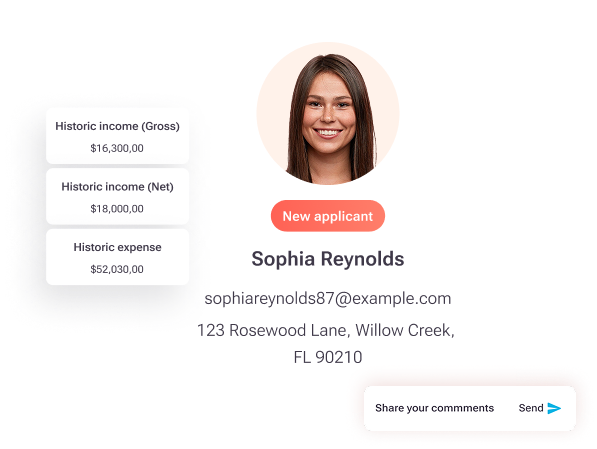
The Fair Credit Reporting Act (15 U.S.C. §1681) regulates consumer reporting agencies, including tenant screening services like RentSafe. Florida community associations face layered obligations that include HOA liability exposure, Fair Housing Act overlaps, and 2026 CFPB updates requiring enhanced biometric consent and audit trail documentation. Under the Fair Credit Reporting Act (15 U.S.C. § 1681–1681x), landlords must obtain written consent before running a tenant screening report and must issue adverse action notices when denying applicants based on screening information. Florida’s Miya’s Law adds further background check requirements for property managers. The stakes are high, with penalties that include statutory damages of $100-$1,000 per violation, actual damages, punitive damages for willful non-compliance, and attorney’s fees. Understanding these penalties becomes critical when you examine the specific violations that trigger them.
Five High-Risk FCRA Violations in RentSafe Workflows
Florida CAMs using RentSafe frequently encounter five critical FCRA violation risks. First, incomplete consent forms often bury authorization language in dense application paragraphs. The FCRA prohibits burying consent language in dense rental application paragraphs, as it must be “clear and conspicuous.” A Chicago landlord was sued for $15,000 after a judge ruled consent in paragraph 8 of a lease application did not meet this standard. Second, missing disclosure statements fail to explain screening criteria and costs in advance. Third, adverse action procedures are frequently mishandled, and the FCRA mandates landlords send a pre-adverse action notice before denying or increasing rent, including a copy of the report and FCRA Summary of Rights, followed by a waiting period of at least 5-7 business days. Fourth, some communities do not properly document permissible purpose for accessing consumer reports. Fifth, record retention and audit trails often fall short of current expectations. Recent CFPB enforcement focuses on incomplete adverse action procedures, missing FTC summary of rights documents, improper standalone disclosure formatting, and unauthorized sharing of background check information. You can see how these gaps appear in your current RentSafe setup with a personalized compliance audit.
7-Step RentSafe Compliance Checklist for Florida HOAs
Step 1: Verify Standalone Consent Forms
Start by reviewing your RentSafe consent documentation. Under FCRA, employers must provide a standalone written disclosure in clear language and obtain separate written authorization before requesting consumer reports. Confirm that your consent language appears in a separate, clearly labeled document and not buried within lease applications or other forms.
Step 2: Confirm Proper Disclosures
Your next step is confirming that applicants receive clear disclosures before screening. Under the FCRA, landlords must provide advance disclosure of their screening criteria, the types of reports they will run, and estimated costs upfront when obtaining authorization. Verify that your RentSafe configuration includes each of these disclosure elements in writing.
Step 3: Document Permissible Purpose
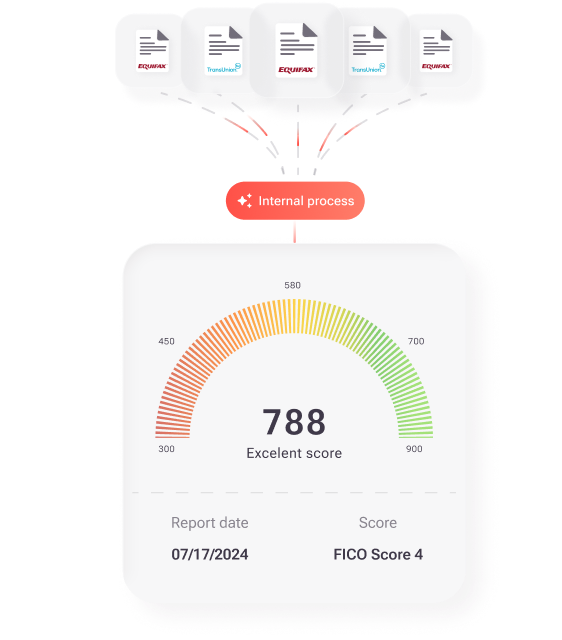
Every report request must tie to a documented permissible purpose. Under Section 607(a) of the FCRA, consumer reporting agencies must maintain reasonable procedures to obtain the prospective user’s identity, certification of permissible purpose, and certification of no other use. Confirm that your rental eligibility purpose appears clearly in RentSafe and that your team follows a consistent process.
Step 4: Review Rights Summary Distribution
Applicants must receive the correct FCRA rights summary. Under the FCRA, consumers must receive a “Summary of Rights Notice as Required by the FCRA”. Verify that applicants receive the current version, updated March 17, 2023, and that your RentSafe workflow documents this delivery.
Step 5: Audit Adverse Action Procedures
Your adverse action process must match FCRA timing and content rules. Pre-adverse action notices must include a copy of the consumer report, the FTC Summary of Rights document, and a reasonable opportunity to respond, with compliance guidance recommending at least five business days waiting period. Review your RentSafe adverse action workflow to ensure it implements the waiting period and document requirements described earlier.
Step 6: Ensure Criteria Consistency
Consistent criteria protect both fairness and compliance. Landlords’ best practices include standardizing screening criteria for fairness and consistency. Document your community’s specific requirements and confirm that RentSafe applies those standards uniformly across all applicants.
Step 7: Maintain Proper Record Retention
Strong record retention supports audits and defends against claims. Establish 2-year retention protocols for all screening documentation, consent forms, adverse action notices, and applicant communications. Because Florida HOA boards operate under additional governance requirements, you must also retain approval documentation and meeting minutes that demonstrate how screening decisions align with your community’s documented criteria.
Use this checklist to pinpoint compliance gaps in your current RentSafe setup. You can explore how automated workflows can eliminate your manual compliance oversight.
Why RentSafe Falls Short for Florida HOA FCRA Compliance
RentSafe provides basic tenant screening capabilities, yet it lacks the specialized features Florida community associations need for comprehensive FCRA compliance and fraud prevention. The platform treats FCRA requirements as add-on considerations instead of foundational elements, which creates compliance gaps that expose CAMs to liability.
| Feature | RentSafe | TenantEvaluation |
|---|---|---|
| FCRA Foundation | Add-on compliance | Built-in (direct reseller) |
| Biometric Fraud Prevention | No | IDVerify+ |
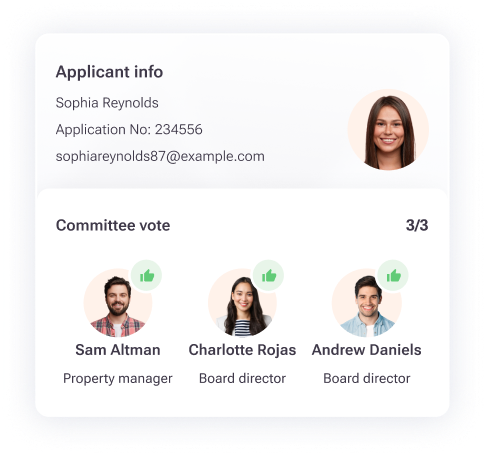
| Board Dashboard | Limited | QuickApprove |
| Florida HOA Customization | Generic | Tailored workflows |
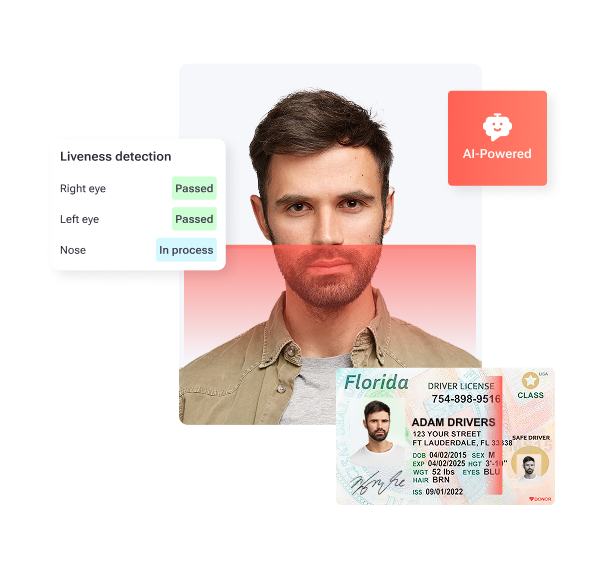
TenantEvaluation addresses these limitations as a 2007 industry pioneer serving 5,000+ Florida communities with 100,000+ applications processed annually. Our direct TransUnion and Equifax reseller relationships ensure legitimate data access under strict bureau rules, and our automated adverse action workflows with built-in audit trails provide comprehensive compliance coverage. Fraudsters are becoming more sophisticated, using digitally altered documents, fake employer contact information, and identity mismatches across applications, so biometric verification through IDVerify+ has become essential for modern community protection. You can compare your current RentSafe configuration against TenantEvaluation’s built-in protections.
Switching to TenantEvaluation for a Florida-Focused Compliance Upgrade
A Florida management company recently saved $240,000 annually by moving from manual processes to TenantEvaluation, achieving 70% time savings and eliminating FCRA liability exposure. Our platform differentiates itself through FCRA-first architecture, direct bureau access, IDVerify+ biometric verification, and QuickApprove board dashboards designed specifically for Florida community associations. Unlike RentSafe’s generic approach, TenantEvaluation provides customized workflows that match your community’s bylaws and compliance requirements while generating revenue through our pay-per-application model. You can start your risk-free transition to comprehensive FCRA compliance.
FAQ
Are tenant screeners like RentSafe subject to FCRA?
Yes, tenant screening services are classified as consumer reporting agencies under the Fair Credit Reporting Act and must comply with all FCRA requirements, including consent procedures, disclosure obligations, and adverse action protocols. TenantEvaluation’s direct bureau access and FCRA-first design provide stronger compliance support than platforms that treat FCRA as an afterthought.
What are the most common FCRA violations with RentSafe?
The five most frequent violations include incomplete consent forms buried in applications, missing advance disclosures about screening criteria, improper adverse action procedures lacking required waiting periods, failure to establish permissible purpose, and inadequate record retention. These gaps expose Florida CAMs to the penalties outlined earlier, with each violation triggering separate statutory damages.
What should an FCRA adverse action notice template include?
A compliant adverse action notice must include the consumer reporting agency’s contact information, a statement that the CRA did not make the decision, the applicant’s right to dispute report accuracy, notice of free report entitlement within 60 days, and specific reasons for denial in clear language. The notice must follow a pre-adverse action period that allows at least 5-7 business days for the applicant to respond.
Is TenantEvaluation FCRA compliant for Florida HOAs?
Yes, TenantEvaluation is built with FCRA compliance as the foundation, not an afterthought. As an authorized bureau partner for TransUnion and Equifax, we maintain strict bureau compliance, automated adverse action workflows, comprehensive audit trails, and specialized Florida HOA customization. Our platform serves 5,000+ communities with a proven compliance track record.
How does RentSafe compare to TenantEvaluation for compliance?
RentSafe treats FCRA requirements as add-on features, while TenantEvaluation integrates compliance throughout the platform architecture. We provide advanced biometric fraud prevention, specialized board dashboards, direct bureau relationships, automated adverse action handling, and Florida-specific community association workflows that RentSafe does not offer.
What 2026 FCRA changes affect tenant screening?
Key 2026 updates include increased file disclosure fees to $16, enhanced biometric consent requirements, stricter audit trail documentation, and greater CFPB enforcement focus on automated screening systems. The CFPB emphasizes that automation cannot excuse compliance errors, so platforms must support human oversight and individualized assessment capabilities, which TenantEvaluation delivers through its comprehensive design.
Conclusion: Protect Your HOA With a Proven Screening Platform
Use the 7-step checklist above to audit your current RentSafe implementation for FCRA compliance gaps. The risks of non-compliance continue to escalate with 2026 regulatory updates and increased enforcement scrutiny. Florida CAMs need solutions designed for community associations, not generic rental platforms. TenantEvaluation’s FCRA-first approach, direct bureau partnerships, biometric fraud prevention, and board-specific dashboards provide the compliance coverage your community requires. Avoid waiting for a costly lawsuit to reveal your screening vulnerabilities, and get a custom compliance assessment for your community association.
