Written by: Luis Teran, Co-founder, CEO, TenantEvaluation
Key Takeaways
- Up to 15% of rental applications contain fraud, including fake documents and identity theft, which creates major risk for condo associations.
- Watch for red flags such as inconsistent information, suspicious pay stubs, urgency to move in, incomplete applications, and upfront payment offers.
- Follow seven steps to reduce fraud: clear rules, smart forms, automated reviews, FCRA checks, biometrics, board dashboards, and audit trails.
- Biometric verification with liveness detection reaches 97.78% accuracy and helps protect against deepfakes and synthetic identities.
- TenantEvaluation’s platform delivers fraud-resistant screening with IDVerify+ biometrics and FCRA compliance, so get started today to protect your community.
Identity Fraud Risks in Condo Rental Applications
Identity fraud in condo rental applications appears in several forms, and each one creates different challenges for community associations. Fraudsters create fake pay stubs and employment verification using online generators to inflate income or invent employers. Others commit identity theft by using stolen Social Security numbers, driver’s licenses, or credit reports to hide poor credit or eviction history.

Condo communities face particular vulnerabilities because units are high value and board approval processes can create delays that fraudsters exploit. Florida’s SB 1293 felony law provides legal recourse after fraud occurs but does not prevent the initial damage from a bad approval. FCRA compliance requirements around Social Security Number handling add more complexity, as associations must balance verification needs with permissible purpose limitations.
Despite these compliance constraints, community managers can still reduce risk by watching for behavioral and document-based warning signs that do not require invasive data collection. Key red flags community managers should watch for include:
- Inconsistent information across the application, credit report, and ID
- Suspicious documents such as pay stubs with unusual fonts, perfect round numbers, or missing employer logos
- Excessive urgency to decide quickly
- Incomplete or inconsistent information such as blank sections, vague responses, or contradictory address histories
- Offers to pay several months’ rent in advance to bypass proper screening
The financial impact extends beyond individual losses, because associations face liability exposure, damaged community reputation, and costly legal proceedings when fraudulent tenants establish residency rights. See how automated fraud detection can protect your community from these risks and schedule your demo today.
Seven Practical Steps to Prevent Identity Fraud
1. Establish Clear Florida-Compliant Application Rules
Set specific requirements that match your community’s governing documents and Florida regulations. TenantEvaluation’s custom setup configures each association’s screening criteria correctly and keeps them legally compliant.
2. Use Intelligent Application Forms That Adapt
Use smart form logic that changes based on applicant responses and community requirements. TenantEvaluation’s platform automatically adjusts workflows for tenants versus purchasers, which improves data accuracy and blocks irrelevant submissions.
3. Automate Document Review with Built-In Redaction
Replace manual document checking with automated systems that verify required documents and protect sensitive information. TenantEvaluation automatically redacts personally identifiable information and maintains PCI Level 1 compliance.
4. Run FCRA-Compliant Background and Credit Checks
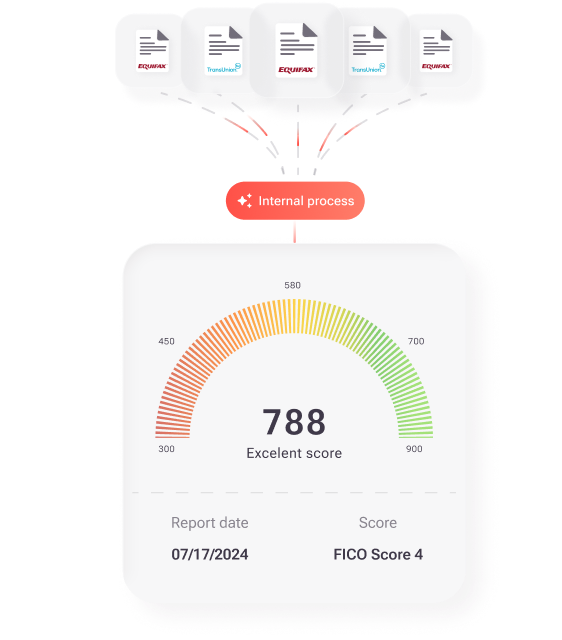
Work with direct credit bureau resellers instead of generic third-party services. TenantEvaluation maintains direct relationships with TransUnion and Equifax, which ensures legitimate data access under strict bureau rules and includes built-in adverse action workflows.
5. Add Biometric Identity Verification to Every File
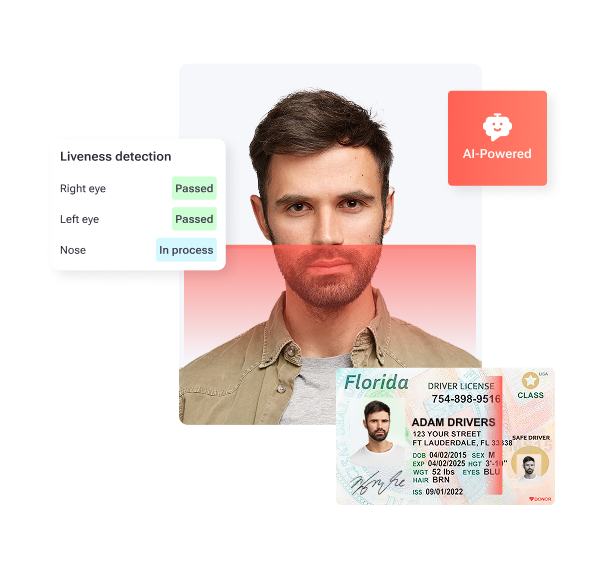
Use IDVerify+ for government ID validation, AI-powered liveness detection, and facial biometric matching. This multi-layer process confirms applicants are real, present, and matched to their identification before anyone makes an approval decision.
6. Give Boards a Dedicated Approval Dashboard
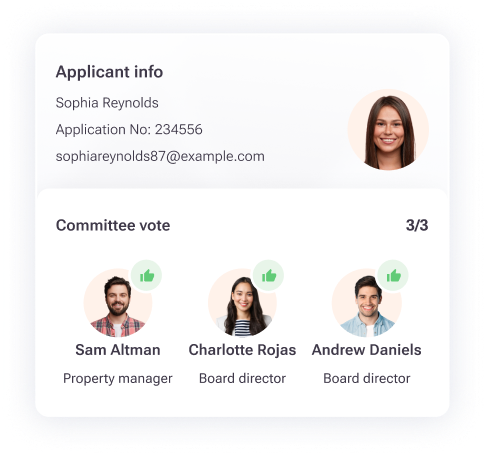
Equip board members with QuickApprove, a dedicated dashboard with real-time application status, summarized reports, and streamlined voting tools. This setup supports transparent and consistent decisions.
7. Maintain Comprehensive Audit Trails for Every Decision
Make sure every action is timestamped and auditable for compliance purposes. Comprehensive audit trails support regulators and also provide forensic evidence if fraud appears after approval. TenantEvaluation’s platform provides complete audit trails while delivering the efficiency gains detailed in the biometric verification section below.
Why Biometric Verification Matters for Condo Screenings
Traditional document-only verification methods used by competitors such as Snappt and ApplyCheck cannot keep up with modern fraud techniques. Liveness detection in biometric systems reaches accuracy rates of 97.78% when distinguishing genuine from fraudulent biometric data. TenantEvaluation’s IDVerify+ adds further protection through government ID validation, AI-powered liveness detection, and biometric facial matching, all built directly into the platform without third-party redirects.
The ROI impact is substantial for management companies and associations. One Florida-based management company saved $240,000 annually by switching to TenantEvaluation, which removed 50 hours of daily manual processing and reduced fraud exposure. Biometric liveness checks are becoming the only scalable way to distinguish humans from sophisticated AI agents. This capability now sits at the center of forward-looking fraud prevention strategies for 2026.
The table below shows how TenantEvaluation’s integrated biometric approach compares with competitors’ document-focused or piecemeal tools across core fraud prevention capabilities.
| Feature | TenantEvaluation IDVerify+ | ApplyCheck/Snappt | AppFolio |
|---|---|---|---|
| Processing Time | 5-10 minutes | Days | Days |
| Biometrics Integration | Native, no redirects | Piecemeal/external | Limited/none |
| FCRA Reseller Status | Direct TransUnion/Equifax | Third-party | Third-party |
| Condo Board Dashboard | QuickApprove | Limited/none | Limited/none |
The biometric identity verification market is projected to grow from $8.88 billion in 2025 to $17.81 billion by 2030. Rising identity fraud and advances in AI-powered biometrics drive this growth. Community associations that adopt biometric verification now place themselves ahead of this security shift.
FCRA-Compliant Fraud Prevention for Condo Communities
Many associations hesitate to strengthen identity verification because they worry about Social Security Number handling and FCRA liability. Landlords must obtain written consent from rental applicants before ordering consumer reports and must provide adverse action notices when denying applications based on screening results.
TenantEvaluation addresses these concerns through direct credit bureau reseller status, automated adverse action workflows, and regular compliance audits. The platform’s biometric verification strengthens FCRA compliance by confirming identity before screening authorization, reinforcing permissible purpose validation, and creating audit-defensible workflows. Use IDVerify for identity confirmation and QuickApprove for streamlined board decisions, and see how these tools work together in a live walkthrough.
Conclusion and Next Steps for Your Association
The seven-step approach above gives condo communities a clear framework for reducing identity fraud in rental applications. Manual execution of these steps, however, leaves gaps that sophisticated fraudsters can exploit. TenantEvaluation’s integrated platform automates these processes, maintains FCRA compliance, and adds the biometric verification layer that modern fraud prevention now requires.
With over $150 million generated for communities and a 4.8 out of 5 Google rating, TenantEvaluation has proven its effectiveness across Florida’s diverse association landscape. Associations that modernize screening now can protect residents, reduce liability, and speed up approvals without sacrificing security.
FAQ
What are red flags on tenant applications?
Key red flags include inconsistent information across documents, suspicious pay stubs with unusual formatting, excessive urgency to move in quickly, reluctance to provide references, and offers to pay multiple months upfront to bypass screening. Incomplete applications with blank sections or contradictory address histories also signal potential fraud attempts.
How does biometric identity verification work for rentals?
Biometric verification uses a few simple steps for applicants. They upload a government-issued ID, complete AI-powered liveness detection through guided selfie capture, and then facial landmark mapping compares the selfie with the ID photo. This multi-layer process confirms the applicant is physically present and matches their identification documents, which helps prevent impersonation and synthetic identity fraud.
Is TenantEvaluation FCRA compliant for tenant screening?
Yes. TenantEvaluation maintains FCRA compliance as a foundation through direct credit bureau reseller relationships with TransUnion and Equifax, automated adverse action workflows, strict permissible purpose controls, and regular compliance audits. The platform provides built-in audit trails and clear separation between data provision and decision-making responsibilities.
How effective are biometrics versus manual verification for preventing synthetic fraud?
Biometric systems reach accuracy rates up to 97.78% when distinguishing genuine from fraudulent data. Manual document review cannot reliably detect sophisticated synthetic identities and deepfake technology. Biometric verification provides real-time confirmation of physical presence and identity authenticity that manual processes cannot match.
What Florida-specific features does TenantEvaluation offer for condo screening?
TenantEvaluation provides Florida-specific custom setups for community rules and compliance, which can be configured to each association’s governing documents and workflows. The platform is built for Florida community associations and management companies, maintains regulatory compliance, and offers multilingual support for diverse Florida communities.
