Written by: Luis Teran, Co-founder, CEO, TenantEvaluation
Key Takeaways for HOA Identity Verification
- Identity fraud in HOA forums has surged 40% in 2026, and AI-driven deepfakes now require advanced biometric verification methods.
- Biometric facial recognition with liveness detection achieves 99% accuracy, blocking deepfakes and synthetic identities effectively.
- Multi-factor database cross-checks and hybrid workflows provide comprehensive validation while ensuring FCRA compliance for Florida HOAs.
- Automated verification reduces administrative workload by 70%, cutting manual reviews and speeding up approvals.
- TenantEvaluation's IDVerify+ offers HOA-specific solutions with native integration; request a tailored demo to protect your community.
1. Biometric Facial Recognition and Liveness Detection with IDVerify+
Biometric facial recognition with AI-powered liveness detection sets the standard for HOA resident screening verification. TenantEvaluation's IDVerify combines government ID validation, real-time liveness checks, and facial biometric matching directly within the resident screening workflow. This method analyzes facial geometry, micro-expressions, and blood flow patterns to achieve the accuracy rates mentioned above by examining multiple biometric factors simultaneously.
For HOA applications, residents complete identity verification during the screening process through a guided selfie flow that confirms their physical presence and matches their face to their government-issued ID. The system detects presentation attacks using photos, masks, or video replays, and it also blocks camera injection attacks that bypass traditional verification.
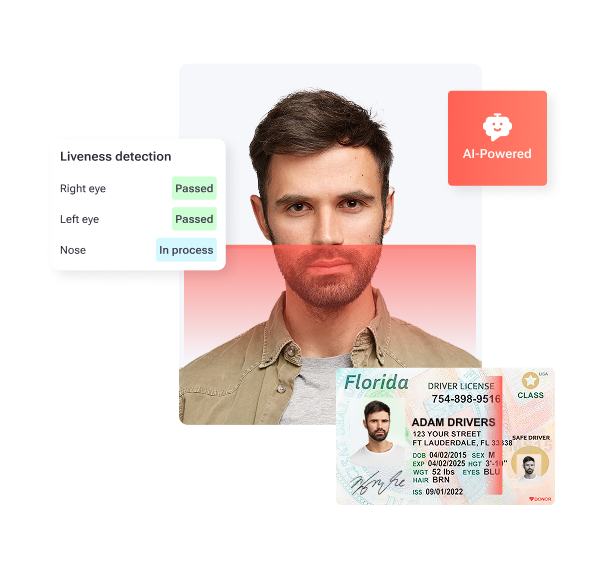
The following comparison shows how biometric verification balances fraud prevention strength with practical implementation factors for HOAs:
| Pros | Cons | HOA Impact |
|---|---|---|
| 99% fraud detection accuracy | Requires smartphone camera | Eliminates fake resident applications |
| Real-time verification | Privacy concerns for some users | Reduces admin review time significantly |
| Blocks deepfakes effectively | Initial setup complexity | Prevents fraudulent resident approvals |
To deploy this level of protection in your HOA, implementation follows five key steps. First, enable IDVerify integration with your screening platform. Next, configure verification requirements to match your community standards. Then set up automated approval workflows to reduce manual review. Train staff on the verification dashboard to ensure proper oversight, and monitor fraud detection metrics to track effectiveness over time.
This systematic approach already works in the field. Miami-area condos using IDVerify report blocking more than 50 fake accounts each month while maintaining a smooth resident experience. Florida HOAs gain additional value from TenantEvaluation's QuickApprove dashboard, which gives board members clear visibility into verification results.

See IDVerify's biometric verification in action and test liveness detection against your own devices.
2. Multi-Factor Database Cross-Checks with SafeCheck+
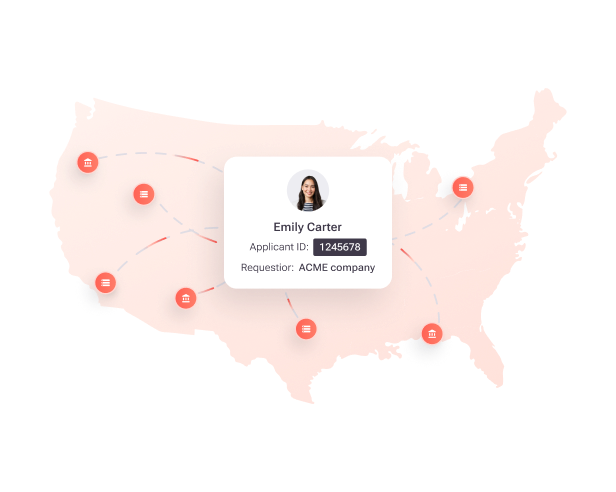
Database cross-verification confirms whether an identity itself is legitimate, complementing biometric checks that confirm who is present. This approach validates resident information against multiple authoritative sources including credit bureaus, public records, and government databases. It confirms identity authenticity by matching provided details across independent data sources, which makes it extremely difficult for fraudsters to maintain consistent fake identities.
TenantEvaluation's SafeCheck+ solution performs real-time cross-checks against TransUnion and Equifax databases as an FCRA-compliant credit bureau reseller. The system validates Social Security numbers, addresses, employment history, and previous residences while enforcing strict permissible purpose controls.
| Pros | Cons | HOA Impact |
|---|---|---|
| Comprehensive data validation | Requires personal information | Verifies resident legitimacy |
| FCRA compliance built-in | Potential false positives | Reduces liability exposure |
| Automated adverse action | Database access costs | Streamlines approval process |
3. Official Email Domains with Phone-Based OTP
Email domain verification combined with phone-based one-time passwords creates a simple dual-factor authentication layer. This method requires residents to verify ownership of legitimate email addresses and phone numbers, which makes it harder for trolls to create multiple fake accounts quickly.
Implementation uses three basic checks. Systems validate email domains against known providers, send verification codes to registered phone numbers, and cross-reference contact information with HOA resident databases. This approach remains less advanced than biometric methods but still provides basic fraud prevention with very low user friction.
| Pros | Cons | HOA Impact |
|---|---|---|
| Low implementation cost | Easy to bypass with burner phones | Basic troll prevention |
| Familiar user experience | Limited fraud detection | Reduces obvious fake accounts |
| Quick setup process | No deepfake protection | Minimal admin overhead |
4. Hybrid Workflows Combining Documents and Biometrics
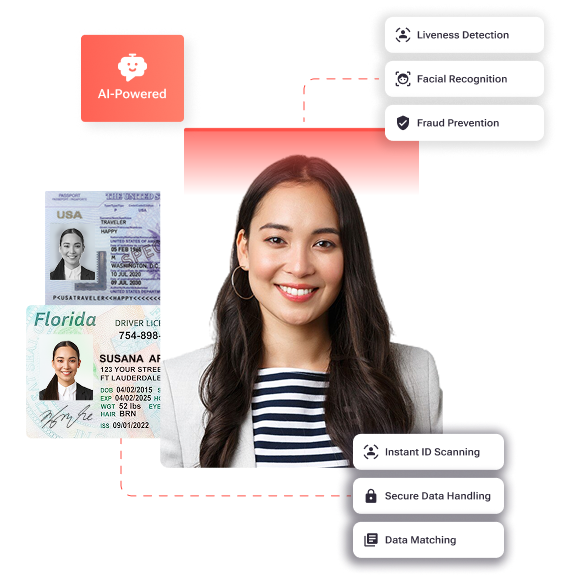
Hybrid verification combines document validation with biometric confirmation to deliver stronger identity assurance. This approach first validates government-issued IDs through OCR and database checks. It then confirms the person presenting the document through facial recognition and liveness detection.
Modern hybrid systems analyze more than 3,000 document types from over 190 countries while detecting AI-generated fake documents. AI-generated document fraud rose from 0% to 2% of all fake documents in 2025, so multi-layered verification now plays a critical role in community protection.
| Pros | Cons | HOA Impact |
|---|---|---|
| Comprehensive verification | Higher user friction | Maximum fraud prevention |
| Document and identity validation | Increased processing time | Strongest security posture |
| Adaptable risk levels | Complex implementation | Board confidence in approvals |
5. Multi-Factor Authentication Apps for Account Security
MFA applications such as Google Authenticator or Microsoft Authenticator generate time-based codes for forum access. These tools focus on account security rather than identity verification, yet they still add an extra layer of protection against unauthorized access to verified accounts.
This method works best as a supplementary security measure instead of a primary identity check. HOAs can require MFA for sensitive forum sections like board communications or financial discussions while keeping easier access for general community topics.
| Pros | Cons | HOA Impact |
|---|---|---|
| Strong account protection | Not true identity verification | Secures existing accounts |
| Industry standard security | User adoption challenges | Protects sensitive discussions |
| Free implementation | Device dependency | Reduces account takeovers |
6. AI-Powered Risk Assessment Questionnaires
Intelligent questionnaires use AI to analyze response patterns, typing behavior, and answer consistency to spot potential fraud attempts. These systems can detect bot-generated responses and inconsistent identity claims through behavioral analysis.
Advanced implementations track typing speed, mouse movements, and response timing to create behavioral biometric profiles. Behavioral biometrics accelerate fraud detection by up to 30% while still providing a smooth user experience.
| Pros | Cons | HOA Impact |
|---|---|---|
| Passive fraud detection | Requires large datasets | Identifies suspicious behavior |
| Continuous monitoring | Privacy considerations | Flags potential trolls |
| Adaptive learning | False positive risk | Improves over time |
7. Government ID API Integration for Direct Validation
Direct integration with government databases provides real-time ID validation against official records. This method verifies document authenticity, checks for reported stolen IDs, and confirms identity details against authoritative sources.
Implementation requires partnerships with government agencies or certified verification providers. This approach delivers high accuracy but may face limits in data availability and processing speed depending on jurisdiction and API access.
| Pros | Cons | HOA Impact |
|---|---|---|
| Authoritative validation | Limited API availability | Government-backed verification |
| Real-time checking | Jurisdiction restrictions | Highest accuracy potential |
| Stolen ID detection | Complex integration | Prevents known fraud |
8. Forum Platform Native Verification Plugins
Native verification plugins integrate directly with popular forum software to provide identity checks during registration. These solutions often combine several verification methods within the forum's existing user interface.
Effectiveness depends heavily on the plugin's sophistication and the underlying verification technology. Basic plugins may only perform simple email verification, while advanced solutions can incorporate biometric and database checks.
| Pros | Cons | HOA Impact |
|---|---|---|
| Seamless integration | Limited customization | Maintains user experience |
| Platform-specific optimization | Vendor dependency | Easy deployment |
| Familiar interface | Variable security levels | Quick implementation |
9. Manual Board Review for Edge Cases
Traditional manual review relies on board members or staff manually examining submitted documents and information. This method provides human oversight but remains time-intensive and vulnerable to advanced fraud that can fool visual inspection.
Humans identify high-quality deepfake videos only 24.5% of the time, which makes manual review insufficient as a primary defense against modern AI-generated fraud. This limitation does not remove manual review from the process entirely, because it still helps with edge cases and appeals where human judgment can weigh context that automated systems might miss.
| Pros | Cons | HOA Impact |
|---|---|---|
| Human judgment | Time-intensive process | High administrative burden |
| Handles edge cases | Vulnerable to advanced fraud | Delays forum access |
| No technology requirements | Inconsistent decisions | Scalability limitations |
Real HOA Fraud Scenario from a Tampa Condo
A Tampa condo association uncovered 15 fake forum accounts that spread false information about upcoming assessments and triggered panic among legitimate residents. The trolls used stolen identity documents and coordinated their messaging so they appeared to be concerned homeowners. Manual verification missed the scheme until it had already damaged community trust and board credibility.
Top Identity Verification Tools for HOAs Compared
The following comparison highlights how leading verification tools differ in accuracy, HOA integration, Florida compliance, and time savings for administrators:
| Solution | Accuracy Rate | HOA Integration | Florida Compliance | Admin Time Savings |
|---|---|---|---|---|
| TenantEvaluation IDVerify+ | 99% | Native dashboard | FCRA reseller | 70% |
| Snappt | 99%+ | Limited | Basic | 40% |
| iDenfy | 90% | API only | Generic | 50% |
| Verify Screening | 80% | Third-party | Limited | 35% |
Compare these capabilities in a live demo to see how TenantEvaluation's HOA-specific features perform against generic verification tools.
Conclusion: Building a Modern HOA Verification Stack
The most effective identity verification strategy for HOA resident forums combines biometric facial recognition with liveness detection, multi-factor database validation, and automated risk assessment. TenantEvaluation's IDVerify+ supports this layered approach with 99% fraud detection accuracy, the 70% administrative time savings noted earlier, and native integration with community management workflows. Florida HOAs also gain FCRA-compliant processes, revenue-sharing models, and specialized board dashboards that generic verification tools do not provide.
Frequently Asked Questions
What is the most accurate identity verification method for HOA forums?
Biometric facial recognition with AI-powered liveness detection delivers the highest accuracy rates, blocking over 99% of fraud attempts including deepfakes and synthetic identities. TenantEvaluation's IDVerify+ combines government ID validation, real-time liveness checks, and facial matching in a single workflow designed specifically for community associations.
How does IDVerify+ integrate with existing HOA forum platforms?
IDVerify+ operates natively within TenantEvaluation's platform without external redirects or separate login portals. The verification process embeds directly into the resident screening workflow, and results appear in the QuickApprove dashboard for board oversight. This setup preserves user trust while providing comprehensive fraud protection.
Can identity verification tools reduce administrative workload for CAMs?
Advanced verification systems can reduce administrative time by up to 70% through automated document processing, real-time fraud detection, and streamlined approval workflows. TenantEvaluation's platform removes manual document review, automates adverse action processes, and provides audit trails that satisfy FCRA compliance requirements.
What makes TenantEvaluation different from generic verification providers?
TenantEvaluation is built specifically for community associations with FCRA compliance as the foundation, not an afterthought. The platform includes specialized features such as board voting dashboards, Florida-specific regulatory compliance, revenue-sharing models, and integration with community management workflows that generic providers do not offer.
How do biometric verification systems protect against deepfakes?
Modern biometric systems use multi-layered detection that includes active liveness checks, temporal consistency monitoring, and injection attack detection. These methods analyze facial micro-expressions, blood flow patterns, and response timing to identify AI-generated content that static document verification cannot catch.
Protect your community from the fraud tactics discussed above by requesting a personalized IDVerify+ demo for your HOA.
