Written by: Luis Teran, Co-founder, CEO, TenantEvaluation
Key Takeaways
- Florida condo tenants must provide eight core documents: government-issued photo ID, SSN or ITIN, proof of income, rental history, employment verification, condo-specific documentation, biometric verification, and executed lease agreements.
- In 2026, 93% of Florida property managers face rental application fraud, and AI-generated documents and synthetic identities overwhelm manual screening processes.
- Condo associations follow unique rules compared with apartments, including board approvals, screening fees up to $150, and extra documentation for pets, insurance, and community bylaws.
- FCRA compliance requires written authorization for credit checks, proper adverse action notices, and clear audit trails. TenantEvaluation supports full compliance as a TransUnion and Equifax reseller.
- TenantEvaluation’s IDVerify and QuickApprove dashboard automate fraud-resistant tenant screening and can cut screening time by up to 70%. Book a screening workflow demo to see the process in action.
Eight Essential ID Documents for Florida Condo Tenants
Florida condo associations must follow state regulations and community bylaws when they set tenant screening rules. Unlike standard apartment rentals, many Florida condos require separate association approval in addition to the landlord’s rental application, which adds extra documentation for every applicant.
1. Government-Issued Photo ID (Driver's License or Passport)
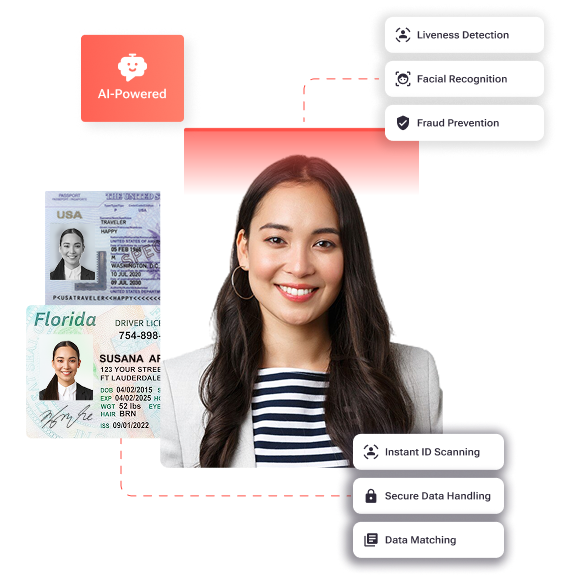
Every Florida condo tenant must present a valid government-issued photo ID. Prospective tenants typically provide a Florida driver's license, state ID, or passport for Central Florida properties. Red flags include expired IDs, blurry images, or information that does not match the application. TenantEvaluation's IDVerify automatically validates ID authenticity and detects sophisticated forgeries that manual review often misses.
2. Social Security Number or Individual Taxpayer Identification Number
Screening providers need SSN or ITIN data to run compliant background and credit checks. Tenant applicants’ full legal name, date of birth, and Social Security Number (SSN) or Individual Taxpayer Identification Number (ITIN) enable FCRA-compliant credit reports. Synthetic identity fraud that uses fabricated or mixed SSNs has grown rapidly, and TransUnion identifies synthetic identity fraud as the fastest-growing digital scam.
3. Proof of Income Documentation
Income verification blocks many fraudulent applications and confirms that tenants can meet rental obligations. The challenge is that traditional income documents such as pay stubs, bank statements, and employment letters are easy for fraudsters to alter. Common scams include fake pay stubs, edited bank statements, and fabricated employment letters. TenantEvaluation's IncomeEv report verifies employment directly with employers, which removes dependence on easily manipulated paperwork.

4. Rental History and Previous Lease Documents
Previous rental history shows patterns of responsible tenancy and highlights potential red flags. Condo associations use this information to judge whether an applicant will fit community standards and follow bylaws. Manual verification often takes time and still leaves gaps in the history. TenantEvaluation's comprehensive screening automates this step with nationwide eviction searches and rental history verification through SafeCheck+.
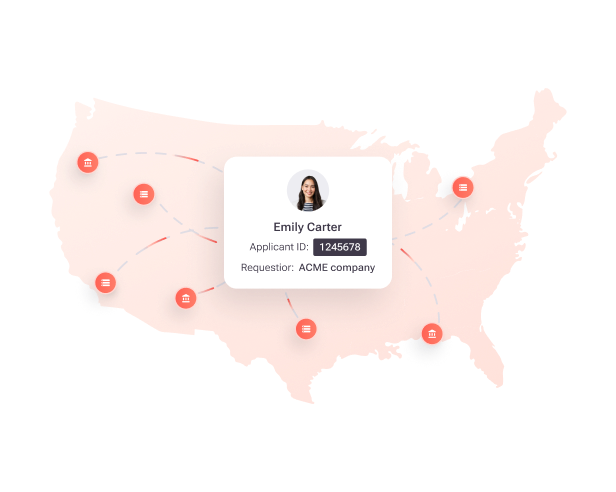
See automated rental history checks in a live demo using TenantEvaluation's QuickApprove dashboard.

5. Employment Verification and References
Employment verification confirms income stability and lowers fraud risk. Tampa Bay property managers report advanced fraud involving fake employers, unverifiable job details, and spoofed HR phone numbers. TenantEvaluation's platform includes automated employment verification that checks employer data directly and flags suspicious or unverifiable records.
6. Condo-Specific Documentation for Community Rules
Florida condo associations often request documents that go beyond a standard rental application. Condominium associations may charge tenant screening fees if their governing documents allow it, with fees capped at $150 per applicant. Boards may also require pet registration forms, insurance certificates, vehicle information, or amenity agreements that reflect community bylaws.
7. Biometric Identity Verification
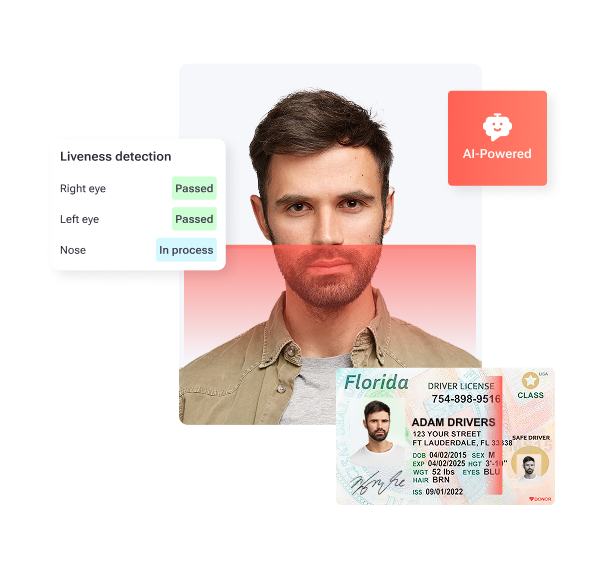
The 2026 fraud environment pushes condo associations to use verification methods that go beyond static documents. Current screening trends include digital identity tools such as facial recognition matching and liveness detection. TenantEvaluation's IDVerify combines three layers of protection: government ID validation, AI-powered liveness detection, and biometric facial matching to confirm physical presence and block deepfake-driven fraud.
8. Executed Lease Agreement with E-Signatures
The screening process ends with a properly executed lease that includes compliant e-signatures. Florida landlords must apply screening criteria consistently to every applicant and issue Adverse Action Notices when they deny based on credit history. TenantEvaluation keeps all documentation aligned with FCRA requirements and stores complete audit trails for each application.
Now that you have the eight essential documents in place, you can apply them correctly by understanding how condo rules differ from standard apartment requirements.
Florida Condo Screening Rules Compared with Apartments
Florida condo associations follow a different regulatory framework than typical apartment complexes. Condominium associations cannot charge lease approval fees unless their governing documents authorize them, and those fees are capped at $150 per applicant. Condo boards often require formal approval votes and may request documentation tied to amenities, parking assignments, or pet restrictions. TenantEvaluation tailors screening workflows to each community’s rules while maintaining FCRA-compliant processes.
How Florida Condo Boards Spot Fraudulent IDs in 2026
Effective fraud detection in 2026 depends on a clear view of current fraud tactics. As noted earlier, the vast majority of Florida property managers now encounter rental fraud, and synthetic identities and falsified documents drive much of this activity. Red flags include SSNs that do not match credit files, inconsistent address histories, and AI-generated photos that look slightly distorted or overly smooth. AI-powered fraud tools now create convincing documents that pass basic visual checks. These sophisticated attempts require the multi-layered verification approach described earlier, because manual review alone cannot reliably detect them.
FCRA-Compliant Screening Checklist for Condo Boards
Fraud detection works best when the entire screening process also follows federal regulations. FCRA compliance protects condo associations from legal exposure and supports fair screening practices for every applicant. The FCRA requires clear written authorization from tenant applicants before any credit check, including standalone authorization language and a stated purpose. TenantEvaluation operates as a direct TransUnion and Equifax reseller, which ensures legitimate data access under strict bureau rules. The platform automates adverse action notices and maintains detailed audit trails for each application so boards can document every decision.
Request a compliance audit demo to see how TenantEvaluation’s FCRA-focused workflows remove manual compliance risks for your board.
Frequently Asked Questions About Florida Condo ID Screening
Is SSN required for Florida condo tenants?
Social Security Numbers are not legally mandatory, but screening providers rely on them for FCRA-compliant background checks. Condo associations must obtain written consent before they collect SSNs, and Individual Taxpayer Identification Numbers (ITINs) work as acceptable alternatives for applicants without SSNs. TenantEvaluation's platform manages SSN collection securely with automatic redaction and PCI Level 1 compliance.
Can tenants use digital IDs for Florida condo applications?
Tenants can use digital IDs when the association verifies them with strong biometric checks. The 2026 fraud landscape requires more than simple document uploads or screenshots. TenantEvaluation's IDVerify validates digital IDs through government-issued ID checks, AI-powered liveness detection, and biometric facial matching to confirm authenticity.
Is biometric verification mandatory for Florida condo tenants?
Florida law does not currently mandate biometric verification, but rising fraud rates make it a practical safeguard for many associations. With fraud affecting 93% of Florida property managers, biometric verification adds critical protection against synthetic identities and impersonation attempts that traditional document review often misses.
What documents should landlords request from tenants in Florida condos?
Florida condo landlords should request the eight documents covered above: government-issued photo ID, SSN or ITIN, proof of income, rental history, employment verification, condo-specific documentation, biometric verification, and executed lease agreements. Each document fills a specific role in building a complete tenant profile while supporting FCRA-compliant screening.
Do Florida condo associations have different screening requirements than apartments?
Florida condo associations follow statutory requirements that differ from standard apartment rentals. Associations may charge screening fees up to $150 per applicant when governing documents allow it, require formal board approval for tenants, and often request extra documentation related to amenities, parking, pets, and community bylaws.
Secure Your Florida Condo Community with Strong ID Verification
The eight essential ID documents described above create a solid foundation for secure condo tenant screening in Florida’s high-fraud environment. TenantEvaluation's platform reduces the manual workload of verification while supporting FCRA compliance and advanced fraud prevention. Clients have reported savings of up to $240,000 per year by automating screening and cutting fraud-related losses.
Manual ID checks leave condo associations exposed to fraud and compliance gaps. Schedule your personalized demo to see how TenantEvaluation's IDVerify+ and end-to-end screening platform can protect your community and streamline every approval.
