Written by: Luis Teran, Co-founder, CEO, TenantEvaluation | Last updated: July 27, 2026
Key Takeaways for Florida Community Associations
- Application fraud in Florida associations is rising quickly, driven by AI-generated synthetic identities and forged documents.
- Effective fraud prevention uses five layers working together: biometric liveness checks, government-ID validation, facial matching, synthetic-identity flags, and direct-to-association payment audit trails.
- Document-upload-only screening tools cannot reliably catch sophisticated fraud, because criminals can now fake nearly every step with generative AI.
- Florida associations have unique governance and compliance needs, including board voting dashboards and standardized 55+ age verification, that generic rental screening tools do not support.
- TenantEvaluation is the only platform built end-to-end for Florida associations that delivers all five fraud-prevention layers inside a single, FCRA-compliant workflow. Explore TenantEvaluation’s fraud-prevention platform.
Why Fraudsters Target Florida Associations
The FBI’s Internet Crime Complaint Center reported that cybercriminals stole more than $275 million through real estate-related fraud from at least 12,368 victims in 2025, up from $173 million in 2024 and $145 million in 2023. The FBI IC3 report explains that AI tools now create convincing synthetic content, including social media profiles, personalized conversations, and fabricated documents, often at scale.
Synthetic identity fraud now affects organizations worldwide. It was the fastest-growing type of fraud globally in 2025, with an eight-fold increase from 2024. Generative AI enables criminals to fabricate driver’s licenses, passports, and utility bills that accurately mimic government security features, which traditional manual review struggles to detect.
Florida’s dense condo and HOA market, combined with active seasonal rentals, concentrates this risk. The financial exposure is significant: over $3.3 billion in synthetic identity exposure hit U.S. lenders in 2024, and Florida’s volume of association applications makes it a prime target.
Core Capabilities of Modern Fraud Detection Software
The gap between document-upload screening and biometric identity verification defines today’s fraud detection landscape. Platforms that still rely on uploads alone now sit on the wrong side of that gap.
Traditional screening collects uploaded pay stubs, tax returns, and ID photos, a process in which nearly every step can now be faked with generative AI, including driver’s licenses, passports, and utility bills that appear to match government security features. A 2024 National Multifamily Housing Council survey found that 93.3% of owners, managers, and developers had experienced rental application fraud in the last 12 months, 84.4% had experienced income documentation fraud, and 70% had encountered fraudulent identity information. These widespread fraud rates show why upload-only workflows are no longer enough.
Effective fraud detection software in 2026 relies on three technical layers working together:
- Authenticity checks on identity documents that flag AI-generated or altered credentials
- Biometric verification with liveness detection that confirms a real person is present during the check
- Passive fraud signal checks, such as IP address or geolocation mismatches with submitted addresses
McKinsey analysts note that customer onboarding processes without in-person verification of documents or biometric screening leave room for synthetic identity fraud. Twenty percent of biometric fraud attempts now involve a deepfake component, so liveness detection must pair with document authentication. Neither layer alone closes the gap.
Screening Platforms Built for Landlords vs. Associations
Generic rental screening tools such as RentSpree, Snappt, and Findigs were built for multifamily landlords, not for association governance. They do not include board voting dashboards, standardized 55+ age verification, or direct-to-association payment workflows. Verify Screening Solutions and ApplyCheck both rely on the white-labeled TazWorks platform, which was not designed for applicant interaction or automated document review and redaction in an association setting.
TenantEvaluation is the platform built end-to-end for Florida condos and HOAs. Founded in 2007 by property managers, board members, and software engineers with more than 50 years of combined experience, it serves over 5,000 communities and processes about 100,000 applications per year. It operates as a direct reseller of TransUnion and Equifax data, not a third-party scraper, and treats FCRA compliance as the foundation of every workflow.
How TenantEvaluation Blocks Application Fraud
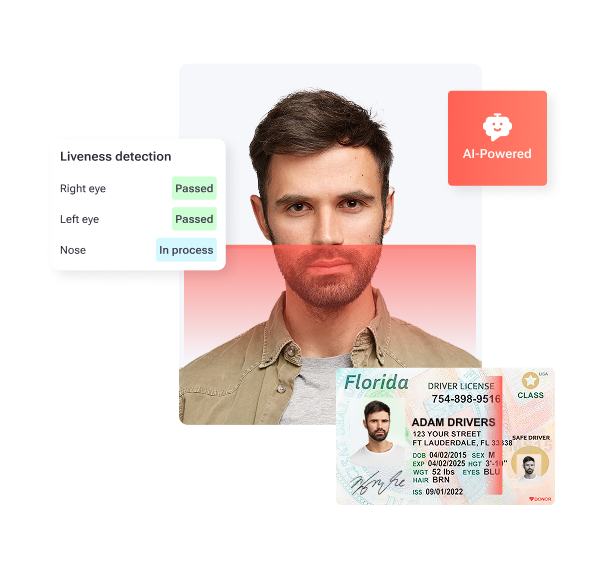
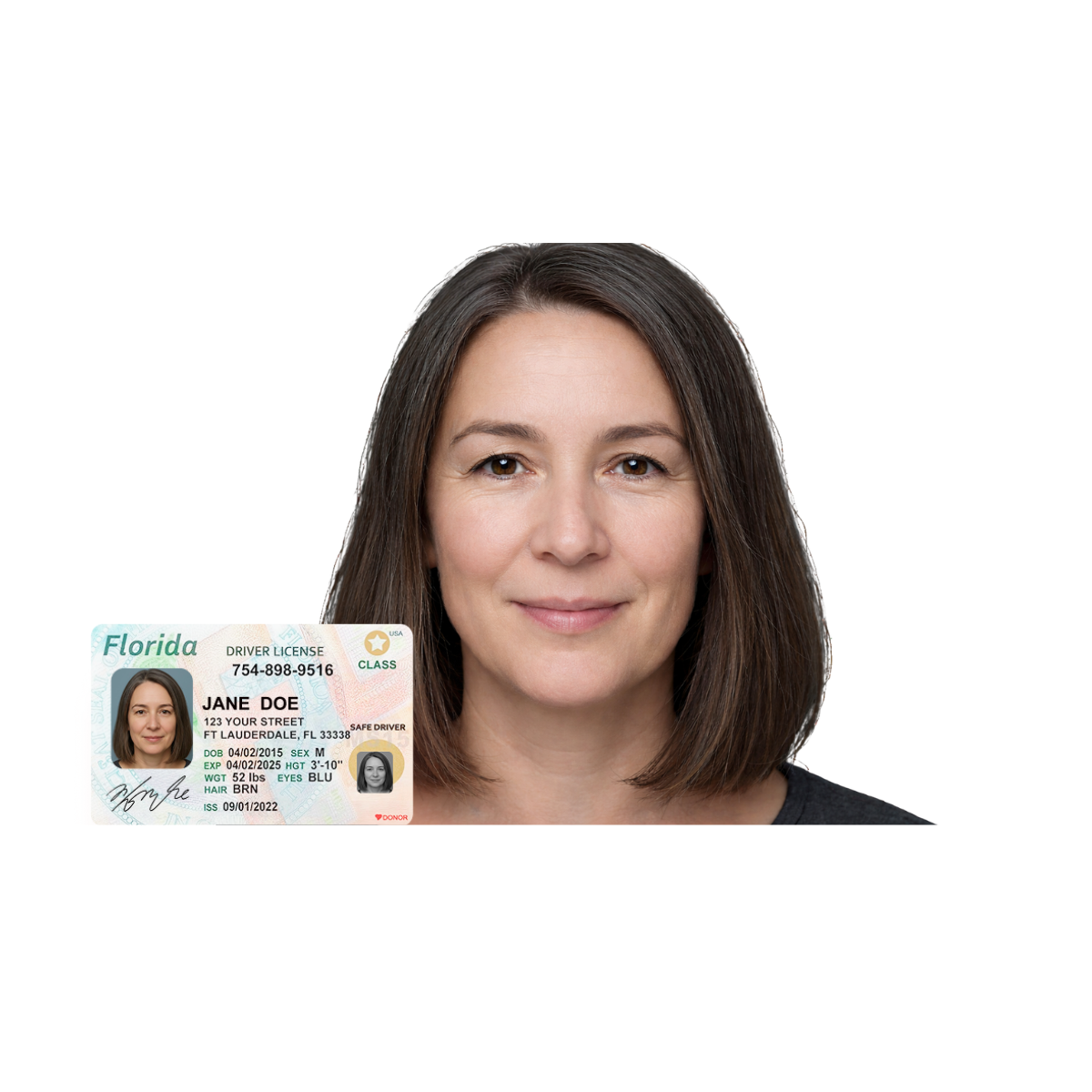
IDVerify brings automated KYC verification directly into the TenantEvaluation workflow. Applicants complete a guided biometric step that includes uploading a government-issued ID and taking a selfie, all inside the same platform. The system runs government-ID validation, AI-powered liveness detection, facial landmark recognition, and selfie-to-ID biometric comparison at the same time. CAMs see ID authenticity, liveness status, and biometric match results directly in the screening report.
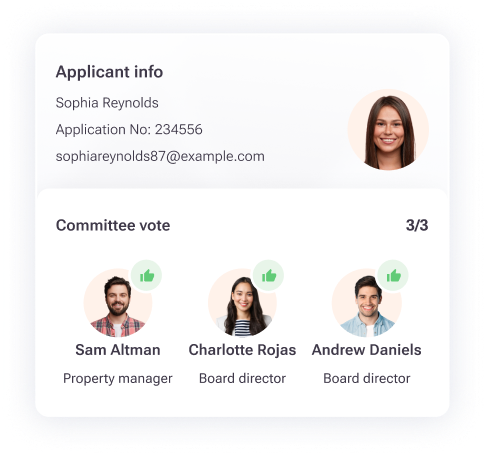
QuickApprove speeds up resident approvals for CAMs, boards, and management teams inside one connected system. It replaces email chains and spreadsheets with real-time application tracking, automated communication, customized approval letters, and a personalized welcome package. The board-ready approval flow gives board members a dedicated review and voting panel with summarized applicant reports while preserving control, compliance, and visibility.
55+ Communities Verification standardizes how age-restricted requirements are handled across applications for Florida condos and HOAs. It reduces manual work, keeps documentation consistent, improves day-to-day efficiency, and strengthens internal processes for CAMs managing HOPA obligations.
The operational impact is measurable. TenantEvaluation automates workflows that free as much as 50 staff hours per day and reduce approval cycles by up to 70%. One Florida management company that switched to TenantEvaluation achieved $240,000 in annual savings, cut processing time in half, and removed paper-based data handling risks.
Regulatory and Governance Standards in Florida
The Fair Credit Reporting Act requires landlords to obtain written consent before procuring a consumer report and to issue a written adverse action notice when denying an application based on that report. Florida tenant screening practices must also align with the federal Fair Housing Act and the Florida Civil Rights Act, which prohibit discrimination based on race, color, religion, sex, national origin, familial status, disability, and other protected characteristics.
TenantEvaluation operates as a legitimate reseller of TransUnion and Equifax data under strict bureau rules and regular compliance reviews and audits. The platform enforces permissible-purpose controls, automates adverse action workflows, separates decision-making by the association from data provision by TenantEvaluation, and maintains audit trails for every application. IDVerify+ strengthens permissible-purpose validation by confirming identity before screening authorization, which supports FCRA-aligned workflows and audit readiness.
For 55+ communities, HOPA requires that at least 80% of occupied units have one resident age 55 or older, that the community publish policies showing intent to operate as 55+ housing, and that age verification procedures be maintained and re-surveyed at least every two years. Fragmented manual processes create documentation gaps that increase risk during HUD audits or lender reviews.
Operational Pain Points with Legacy Screening Tools
The same operational issues push many CAMs to look for better platforms across Florida:
- Manual board voting handled through email chains with no audit trail or centralized visibility
- Inconsistent 55+ documentation gathered through PDFs, emails, and phone calls instead of a standardized workflow
- Payment chasing, with staff confirming fees and deposits through calls and spreadsheets that sit apart from the onboarding record
- No biometric checks, which leaves communities exposed to impersonation and synthetic identity fraud that document uploads miss
- Fragmented lease management with missing or outdated lease copies, manual expiration tracking, and no direct link between applications and active leases
Decision readiness for approvals requires the owner or board to receive a clear applicant summary, required documents, screening status, and recommended next step. Email-based workflows cannot reliably deliver that standard at scale.
Best Practices for Selecting Tenant Screening Software
Florida CAMs and board presidents should evaluate screening platforms using criteria that prioritize fraud prevention and operational efficiency.
- Biometric liveness detection: The platform must confirm physical applicant presence, not just validate an uploaded document image. This layer addresses the synthetic identity threat described earlier.
- Board voting dashboard: After identity verification, board members need a dedicated panel with summarized reports and a structured voting workflow, rather than scattered email threads, to maintain governance compliance.
- 55+ standardization: Age-restricted communities require a built-in, consistent documentation workflow instead of manual PDF collection, so they can meet HOPA’s biennial audit requirements.
- Revenue-sharing model: A pay-per-application structure with revenue sharing aligns platform incentives with association success and removes upfront subscription costs.
- Florida association focus: The platform should reflect Florida governing documents, screening criteria, and approval workflows, not a generic multifamily template.
- Direct credit bureau reseller status: Data sourced directly from TransUnion and Equifax under bureau rules reduces liability compared with third-party aggregators.
- Connected payment workflow: Fee and deposit collection must sit inside the onboarding process, with funds going directly to the association’s designated account.
TenantEvaluation Compared to Snappt, RentSpree, Verify Screening, and ApplyCheck
| Feature | TenantEvaluation | Snappt / RentSpree / Findigs | Verify Screening Solutions / ApplyCheck |
|---|---|---|---|
| Board voting dashboard | Yes, dedicated panel with summarized reports and voting workflow | No | No |
| Biometric liveness detection | Yes, IDVerify+ with AI-powered liveness, facial matching, and government-ID validation | Snappt focuses on income and document fraud, no native biometric liveness | No |
| 55+ community standardization | Yes, built-in 55+ Communities Verification for Florida associations | No | No |
| Direct-to-association payment workflow | Yes, TEpayments by Zinc, funds go directly to the association’s designated account | No | No |
Snappt focuses on income and document fraud detection but does not provide a board voting dashboard, 55+ standardization, or a direct-to-association payment workflow. RentSpree and Findigs serve standard rental markets and lack the governance infrastructure that Florida associations require. Verify Screening Solutions and ApplyCheck both use the TazWorks white-label platform, which was not built for applicant interaction, automated document redaction, or association-specific board approval workflows. None of these competitors act as direct credit bureau resellers with FCRA-first design tailored to Florida condos and HOAs.
Frequently Asked Questions
What is the most effective fraud detection method for tenant screening?
The strongest approach combines biometric liveness detection, government-ID authentication, and facial biometric matching in one layered process. Liveness detection confirms that a real person is present during the application, not a photo, video, or AI-generated image. Government-ID validation checks document authenticity against known security features. Facial biometric matching compares the applicant’s live selfie to the submitted ID. No single method closes every gap, but the combination addresses weaknesses that document-upload-only screening leaves open. TenantEvaluation’s IDVerify+ delivers all three layers inside the screening workflow.
What makes tenant screening software suitable for Florida HOAs and condos?
Florida associations operate under a governance structure that generic rental tools do not support. Board approval is a required step in most application processes, so the platform must include a board-facing dashboard with voting capability and audit trails, not just a manager-facing report. Florida’s 55+ communities also face HOPA documentation requirements that demand standardized, consistent record-keeping across every application. Florida-specific compliance with the state’s civil rights statutes, the Residential Landlord and Tenant Act, and FCRA requirements must be built into the workflow. TenantEvaluation was created by property managers and board members for this environment and now serves more than 5,000 Florida communities.
How does 55+ community age verification work in a screening platform?
Under HOPA, 55+ communities must maintain documentation showing that at least 80% of occupied units have one resident aged 55 or older, conduct biennial re-surveys, and be ready to demonstrate compliance to HUD on request. In practice, every application cycle must collect, store, and organize age-verification documentation, such as driver’s licenses, passports, birth certificates, or sworn affidavits, in a consistent, searchable format. Manual processes that rely on emails and PDFs often create documentation gaps that surface during audits or lender reviews. TenantEvaluation’s 55+ Communities Verification standardizes age-restricted workflows, supports documentation consistency, reduces manual work, and improves efficiency for CAMs and boards.
How can a CAM tell if their current screening process prevents fraud effectively?
A CAM can assess their process against four practical checks. First, the platform should confirm physical applicant presence through biometric liveness detection instead of relying only on uploaded documents. Second, the board should have a dedicated voting dashboard with a full audit trail, not an email-based approval process. Third, 55+ documentation requirements should flow through a standardized workflow instead of manual follow-up. Fourth, application fees and deposits should be collected inside the onboarding workflow with payments going directly to the association’s account, not tracked in separate spreadsheets and calls. A process that fails any of these checks carries measurable fraud and operational risk. As established earlier, TenantEvaluation is the only platform that meets every criterion on this list.
Conclusion: A Fraud-Ready Screening Stack for Florida Associations
Application fraud in Florida associations now represents a growing operational and financial risk that document-upload-only tools cannot handle. Effective tenant screening software for this environment must deliver biometric liveness detection, government-ID validation, facial biometric matching, synthetic-identity flagging, and a direct-to-association payment audit trail inside one platform designed for HOA and condo governance.
As established earlier, TenantEvaluation is the only end-to-end platform that meets every criterion on that list, combining IDVerify biometric identity verification, QuickApprove board-ready approval workflows, 55+ Communities Verification, TEpayments by Zinc, centralized Lease Tracking, and FCRA-first compliance as a direct credit bureau reseller.
