Written by: Luis Teran, Co-founder, CEO, TenantEvaluation
Key Takeaways
- Biometric identity verification uses AI liveness detection and facial matching to prevent identity fraud in Florida condos, blocking deepfakes and synthetic IDs.
- The process uses ID upload, AI validation, selfie liveness checks, facial matching, and direct integration into screening reports for faster approvals.
- Facial biometrics deliver higher accuracy, speed, and scalability than fingerprints or iris scans in high-rise condo environments.
- Benefits include up to 70% time savings, PCI-compliant security, detailed audit trails, and FCRA-compliant resident screening.
- TenantEvaluation’s IDVerify integrates directly into existing workflows with proven savings; get started today to secure your community.
Why Biometric Verification Matters for Florida Condos
Biometric identity verification stops impersonation and synthetic identity fraud by confirming physical presence and authentic identity before approval decisions. This technology supports FCRA permissible purposes for resident screening and creates comprehensive audit trails for compliance documentation. Advanced liveness detection uses AI-driven algorithms to analyze unnatural blinking patterns and light reflection discrepancies, which blocks deepfake attempts and photo spoofing. These capabilities have enabled TenantEvaluation to process over 100k applications annually and generate $150M for communities through streamlined, secure onboarding that combines fraud prevention with operational efficiency. Start blocking fraud and building audit trails with IDVerify.
Step-by-Step Biometric Verification Flow for Condo Residents
Biometric verification for condo residents follows a clear sequence that confirms identity authenticity before approval.
1. Enrollment via Application Portal: Residents upload government-issued ID documents through TenantEvaluation’s secure platform during the application process.
2. AI ID Validation: OCR technology extracts text data, and authenticity checks validate security features to confirm document legitimacy.
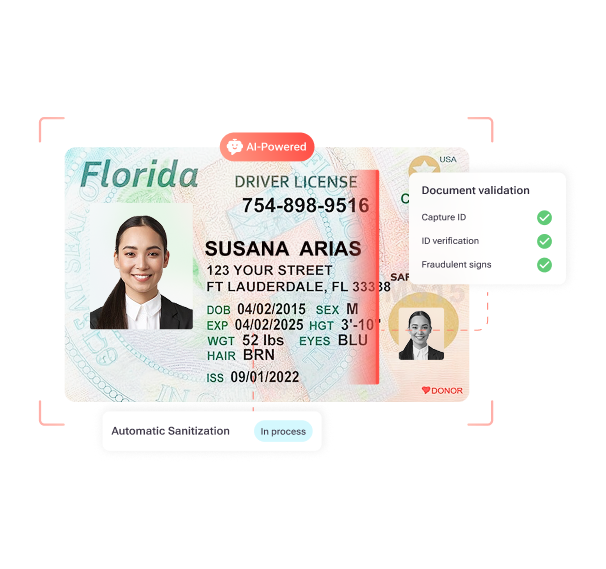
3. Liveness Detection: Applicants complete a guided selfie video that shows natural movements such as blinking or head turns. Neural networks analyze facial movement and depth to detect spoofing attempts using photos, masks, or deepfakes.
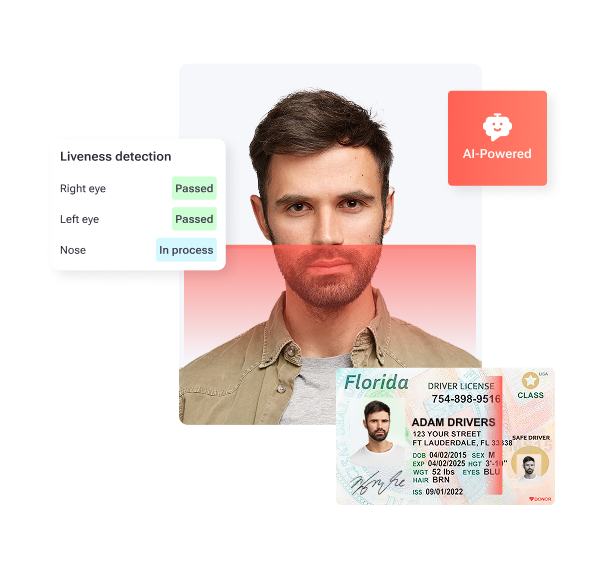
4. Facial Biometric Matching: The system maps facial landmarks from the live selfie and compares them to the ID photo using advanced matching algorithms that balance security with usability.
5. Verification Results Integration: Results appear directly in the screening report with verification scores, liveness confirmation, and redacted ID copies for compliance documentation.
6. Screening Workflow Integration: Biometric results connect with background checks, income verification, and other screening components without disrupting existing workflows.
7. Board Review and Approval: Community boards access verification results through QuickApprove dashboards for informed decision-making with fraud-proof identity confirmation.

The following comparison highlights how biometric methods outperform traditional approaches for identity verification, processing time, and fraud prevention.
| Process Step | Biometric Method | Traditional Method | Security Level |
|---|---|---|---|
| Identity Verification | AI liveness + facial matching | Manual document review | High accuracy vs. vulnerable |
| Processing Time | Automated in minutes | Days of manual review | Up to 70% faster approvals |
| Fraud Prevention | Multi-layer spoofing detection | Document authenticity only | Blocks synthetic IDs |
Facial, Fingerprint, and Iris Biometrics in Condo Screening
Facial recognition functions as the primary biometric method for condo resident verification because it is touchless and scales across multi-unit properties. Modern facial recognition systems achieve over 99% accuracy while enabling contactless verification in seconds. Fingerprint recognition offers reliable precision but creates challenges in high-traffic residential settings due to hygiene concerns and issues from wet or dirty hands. Iris recognition delivers higher identity assurance but rarely appears in standard residential properties because of higher costs and deployment complexity. IDVerify focuses on facial biometrics tuned for Florida condo environments, which provides a practical balance of security, user experience, and scalability for community association workflows.
Benefits and Security for Florida Condo Communities
Biometric verification delivers significant advantages for Florida condo communities. Unlike traditional credentials such as keycards or PINs that can be lost, stolen, or shared, biometric credentials are unique to each individual and support comprehensive access tracking and audit trails. The time savings mentioned earlier, up to 70% faster than manual processes, combine with fraud prevention that blocks synthetic identities and impersonation attempts that can bypass document-only checks. TenantEvaluation reinforces these benefits with PCI Level 1 compliance, end-to-end encryption, and automatic data redaction of sensitive information. These capabilities create a scalable system that adapts smoothly to Florida’s high-rise communities and multi-building portfolios.
IDVerify in Action: TenantEvaluation’s Edge in Condo Onboarding
TenantEvaluation’s IDVerify improves condo onboarding through native platform integration and Florida-specific configuration. A representative Florida management company saved $240K annually after moving from manual processes, freeing 50 hours a day for strategic operations and cutting processing time by 50%. IDVerify operates entirely within TenantEvaluation’s workflow, unlike competitors such as Snappt that redirect applicants to external portals, which protects applicant trust and CAM efficiency. The platform’s revenue-sharing model aligns with client success, and partnerships with RealManage and other leading property managers show proven scalability across diverse community types.
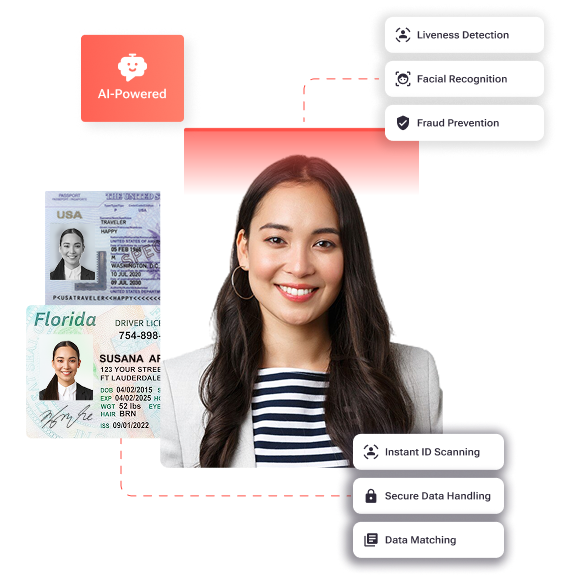
Biometric identity verification marks the shift from document-only screening to fraud-secure community protection. Florida condos that implement IDVerify gain verified identity confirmation, faster approvals, and complete compliance documentation in a single platform. TenantEvaluation’s specialized system delivers native biometric integration designed for community association workflows, which removes the complexity and security gaps that come with generic solutions. Implement IDVerify today to secure your community with biometric verification.
Frequently Asked Questions
How secure is biometric verification for condos?
Biometric verification for condos uses multiple security layers that include encrypted template storage, liveness detection, and anti-spoofing technology. Templates are stored using AES-256 encryption with device-specific keys, which keeps them inaccessible outside secure environments. As noted earlier, modern systems achieve over 99% accuracy while preventing photo spoofing, mask attacks, and deepfake attempts through AI-powered analysis of facial movements and depth patterns.
What is liveness detection in biometric systems?
Liveness detection confirms that biometric samples come from a living person rather than spoofed materials. As discussed earlier, it verifies physical presence by analyzing micro-movements, blinking patterns, light reflection on skin, and facial depth that separate real users from photographs, videos, or masks. Advanced systems use neural networks trained to recognize natural behavioral variations that fraudulent attempts cannot replicate.
What are the negatives of biometrics for HOAs?
Primary concerns include privacy questions around biometric data collection, higher initial implementation costs compared to traditional methods, and potential accuracy issues in challenging lighting conditions. Modern systems address these challenges through on-device processing, encrypted storage, and adaptive algorithms that adjust to environmental variations while maintaining high accuracy rates. HOAs also benefit from clear policies, resident education, and vendor contracts that define data retention and access controls.
How does biometric verification integrate with resident screening?
Biometric verification fits into resident screening workflows by confirming identity authenticity before background checks, credit verification, and income validation. The process runs within the same platform, so CAMs see verification results alongside traditional screening data for informed approval decisions. This approach removes workflow disruption and avoids external redirects for applicants.
Is biometric verification FCRA compliant for Florida condos?
Biometric identity verification supports legitimate FCRA permissible purposes for resident screening when implemented correctly. The technology strengthens compliance by confirming identity before screening authorization, creating detailed audit trails, and maintaining clear separation between data provision and decision-making responsibilities required under FCRA guidelines.
What are the costs of biometric verification for condo associations?
Biometric verification costs vary based on community size and implementation scope, yet many associations find the technology cost-neutral or revenue-generating through faster approvals and reduced administrative overhead. TenantEvaluation’s revenue-sharing model removes upfront fees and delivers ongoing value through streamlined operations and enhanced security that can save significant staff time and reduce fraud exposure.
