Written by: Luis Teran, Co-founder, CEO, TenantEvaluation
Key Takeaways: Biometric Screening for Florida HOAs
- Florida HOAs face severe identity fraud risks from AI deepfakes and synthetic identities, and 93% of managers report application fraud.
- Biometric ID verification uses AI facial recognition, liveness detection, and ID validation to confirm physical identity in under 30 seconds.
- Florida law permits HOAs to implement biometrics with explicit consent, bylaw updates, and secure data practices, and no BIPA restrictions apply.
- TenantEvaluation’s IDVerify integrates natively for FCRA-compliant screening, cuts approval times by up to 70%, and can save communities $240K annually.
- Superior to competitors like Snappt, IDVerify offers end-to-end HOA customization, so communities can rely on fraud-proof resident screening that fits their rules.
The Rising Fraud Threat in Florida HOAs
Florida HOAs now face fraud tactics that manual document reviews cannot reliably catch. Payscore’s 2026 analysis of over 80,000 verifications found application-stage fail rates of 10.31% for operators using traditional ID verification methods. Florida HOAs are particularly vulnerable, with documented cases including Orlando HOA fraud investigations where former presidents used association funds for personal bills and Miami-area HOA thefts involving controllers and accountants. The manual review process creates FCRA compliance risks, board approval bottlenecks, and exposes communities to synthetic identity schemes that cost the industry millions annually. These bottlenecks force Community Association Managers to spend excessive time on document verification, which in turn leaves boards without real-time transparency in the approval process and creates a cycle where speed and security work against each other.
Biometric ID Verification for HOA Resident Screening
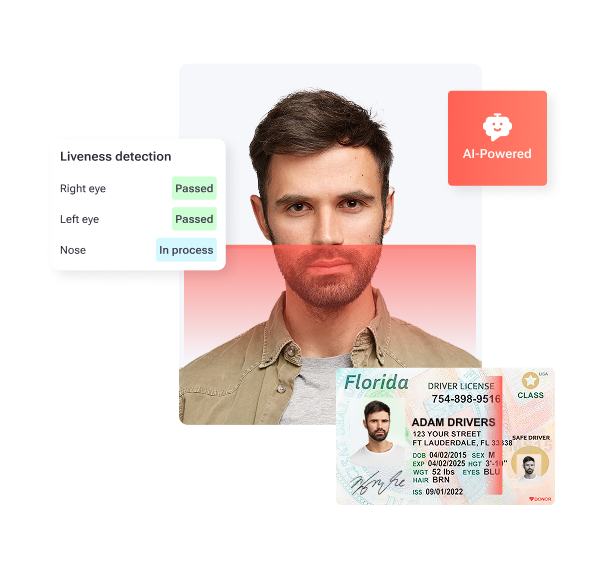
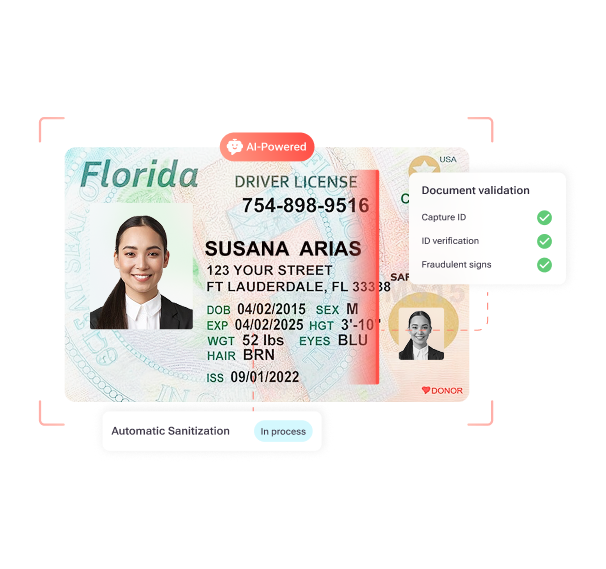
Biometric ID verification uses artificial intelligence to match a live selfie against a government-issued ID photo through facial recognition and liveness detection technology. The process involves three critical steps: 1) Government ID validation to authenticate document legitimacy, 2) AI-powered liveness detection to block deepfakes and synthetic videos, and 3) Biometric facial matching that achieves over 90% accuracy in confirming identity. Modern identity verification tools verify identity data against trusted databases, detect altered or synthetic identities, and employ liveness checks to automatically identify fraud patterns. This technology shifts HOAs from document-based validation to biometric-confirmed identity verification and gives communities the security layer needed to handle 2026’s sophisticated fraud landscape.

Schedule a demo for HOA biometric ID verification today to see how this technology protects your community.
Florida HOA Biometric Rules, Consent, and Compliance
Florida currently has no Biometric Information Privacy Act equivalent like Illinois’ BIPA, which gives HOAs greater flexibility when they adopt biometric verification systems. The Florida House of Representatives 2025 Regular Session produced no bills directly addressing biometric ID verification or consent requirements for HOA resident screening. HOAs must still obtain explicit consent and can enable biometric verification through bylaw amendments and clear consent protocols. Essential compliance steps include: 1) Update community bylaws to authorize biometric verification, 2) Implement clear consent language in applications, 3) Provide data retention and deletion policies, 4) Ensure secure storage of biometric templates, and 5) Maintain audit trails for FCRA compliance. Best practices require explicit user consent before collecting or storing biometric data and logging every verification attempt for auditability.
How IDVerify+ Fits Into the TenantEvaluation Workflow
TenantEvaluation’s IDVerify integrates biometric verification natively within the screening workflow and avoids external redirects or third-party portals. The system performs the three-step verification process, which includes government-issued ID validation, AI-powered liveness detection, and facial landmark recognition, in under 30 seconds. Applicants upload their ID and complete a guided selfie verification while automated biometric validation runs instantly within the same platform. Community Association Managers see verification results embedded directly within the screening report, including ID authenticity confirmation, liveness verification status, biometric match results, and redacted ID copies for compliance documentation. The solution can be configured per HOA or condo association, tailored to each community’s risk profile, and operates on top of TenantEvaluation’s comprehensive SafeCheck+ background screening.
Step-by-Step Implementation Checklist for Florida HOAs
Biometric verification succeeds when HOAs follow a clear implementation sequence. First, assess current fraud risk and document existing vulnerabilities in your screening process, because this baseline helps you measure improvement later. Next, use those findings to customize verification rules based on community bylaws and risk tolerance so your policies match your actual exposure. Once your rules are defined, enable IDVerify+ within your TenantEvaluation platform configuration and confirm settings in a test environment. Before going live, train board members and staff using the QuickApprove dashboard so they can manage streamlined approvals confidently. Then develop rollout communications that explain the new security measures to applicants and realtors and address common questions about privacy and consent. After launch, monitor ROI metrics including fraud reduction rates and approval time improvements to validate the impact. Finally, conduct regular FCRA compliance audits to maintain defensible screening trails and preserve ongoing legal protection.

Fraud Reduction, FCRA Compliance, and ROI for Florida HOAs
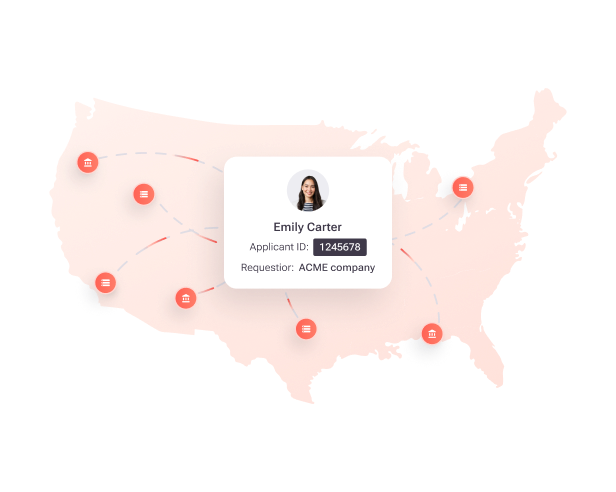
Biometric verification delivers measurable security and efficiency improvements for Florida HOAs. TenantEvaluation’s IDVerify reduces approval times by up to 70%. The platform has generated $150M for communities, with 100k+ applications processed annually and a Google rating of 4.8/5. One Florida management company achieved $240,000 in annual savings by eliminating manual processes and reducing fraud exposure. Customer feedback confirms the impact: “It’s fast, it’s easy, it makes every transaction seamless. Love it. I wish all Condominiums would have it, makes my job and the application easier.” The solution provides FCRA-compliant audit trails, direct credit bureau reseller relationships, and built-in adverse action workflows that protect HOAs from liability while also streamlining operations.
How IDVerify+ Compares to Snappt, AppFolio, and RealPage
TenantEvaluation’s integrated approach delivers stronger value than standalone fraud detection tools and generic property management software.
| Feature | IDVerify+/TenantEvaluation | Snappt/AppFolio/RealPage |
|---|---|---|
| Native Biometric Integration | Yes, no redirects, HOA dashboard | Fraud focus only, no end-to-end |
| FCRA Reseller/Compliance | Direct TransUnion/Equifax reseller, audit trails | Basic checks, no biometrics depth |
| Florida HOA Customization | Per-community rules, revenue share | Generic, subscriptions |
| ROI (Time/Revenue) | Up to 70% faster, $240K savings | Manual workflows |
See the integrated advantage in action and compare it to your current tools.
Applicant Guide: Passing Biometric Screening in Your HOA
Applicants can complete biometric verification successfully by following a few simple guidelines. Take a clear, well-lit selfie without sunglasses or hats, and make sure your government-issued ID is valid and matches your current appearance. Complete the liveness detection naturally and avoid any attempt to use photos, screens, or videos. The verification process typically takes under 30 seconds and requires only a smartphone or computer with a camera. Florida law allows HOAs to require ID verification with proper consent, so applicants should expect this security measure when it appears in the community’s screening policy. The system remains user-friendly while maintaining strong security, and 24/7 multilingual support is available for assistance.
Frequently Asked Questions About HOA Biometric Screening
What is Enhanced Biometrics ID Verification Screening?
Enhanced biometric screening combines multiple verification layers including government ID validation, AI-powered liveness detection, and facial biometric matching. TenantEvaluation’s IDVerify demonstrates this approach by blocking synthetic identities and deepfakes through real-time verification that confirms physical presence and identity authenticity before approval decisions.
Is Florida HOA Biometric Verification Legal?
Yes, Florida HOAs can legally implement biometric verification for resident screening. Unlike Illinois, Florida has no Biometric Information Privacy Act restrictions. HOAs can authorize biometric verification through bylaw amendments and explicit applicant consent, provided they maintain secure data handling and clear retention policies.
How Do I Pass a Biometric Screening?
Applicants pass biometric screening by providing a valid government-issued ID and taking a clear, live selfie in good lighting. Avoid sunglasses, hats, or attempts to use photos instead of live images. The AI system detects liveness and matches the selfie to the ID photo and typically completes verification in under 30 seconds.
What Are Biometric ID Verification Consent Requirements in Florida?
Florida HOAs must obtain explicit consent before collecting biometric data, typically through checkbox acknowledgments in applications. Consent forms should explain data collection purposes, retention periods, and deletion policies. Clear communication about the security benefits helps applicants understand how biometric verification protects the community.
Conclusion: Biometric ID Verification for Stronger Florida HOA Screening
Florida HOAs now need to move from vulnerable document-based screening to biometric-verified identity confirmation. Manual processes expose communities to deepfake attacks, synthetic identities, and costly liability risks that traditional methods cannot detect. TenantEvaluation’s IDVerify provides a native, FCRA-compliant solution with FCRA compliance as the foundation and delivers the approval speed improvements discussed earlier. With 5,000+ communities served and the revenue generation track record detailed above, the platform pairs proven ROI with enhanced security. Get started with fraud-proof screening and protect your residents from identity-based threats.
