Written by: Luis Teran, Co-founder, CEO, TenantEvaluation | Last updated: September 13, 2026
Key Takeaways
- Manual resident onboarding creates delays, errors, and compliance risks because every handoff depends on human coordination across email threads, phone calls, and board approvals.
- Resident onboarding efficiency means moving applicants from submission to approved occupancy with fewer manual steps, complete records, and built-in compliance that eliminates rework.
- The full lifecycle includes seven stages: application intake, document collection, identity verification, screening, board review, lease tracking, and payment collection. Each stage needs automation to remove bottlenecks.
- HOA-specific platforms outperform generic property management software by offering dedicated board dashboards, FCRA-compliant screening, Florida-specific features like 55+ verification, and pay-per-application pricing aligned with community needs.
- TenantEvaluation delivers an end-to-end onboarding platform purpose-built for Florida community associations, replacing manual workflows with automated, audit-ready processes.
What Resident Onboarding Efficiency Actually Means
Resident onboarding efficiency in HOA management refers to the speed, consistency, and compliance of moving a new resident from application to approved occupancy, measured by how few manual handoffs, follow-ups, and rework cycles the process requires.
Efficiency requires more than speed. A process that moves quickly but produces incomplete records, skips required disclosures, or generates adverse action notices after the fact is fast and broken. A non-compliant onboarding process is inherently inefficient because it generates rework, audit preparation, and legal exposure that consume far more time than the original shortcut saved. The cost of non-compliance is nearly three times the cost of maintaining a compliance program, so compliance directly affects how fast a community can safely move.
Seven Stages In The Resident Onboarding Lifecycle
Improving resident onboarding efficiency means tightening each stage of the application-to-occupancy lifecycle. The framework below shows what an efficient step looks like and what breaks when it remains manual.
- Application Intake. Efficient: a 100% digital, mobile-accessible application with intelligent form logic that adjusts fields based on applicant type (tenant, purchaser, adult household member). Manual failure mode: paper forms, email submissions, and incomplete packets that require back-and-forth before review can begin.
- Document Collection. Efficient: automated document requests with smart validation that rejects incomplete submissions before they reach the manager's queue. Manual failure mode: managers spend hours chasing lease copies, ID uploads, and income verification across email threads and phone calls.
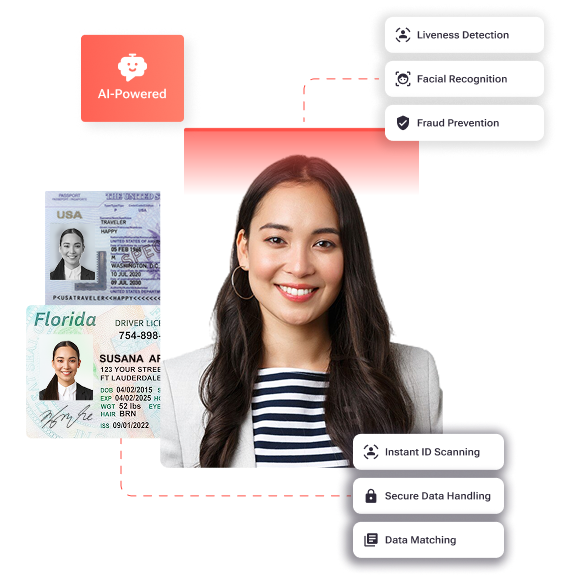
- Identity Verification. Efficient: biometric identity verification with government ID authentication, AI-powered liveness detection, and selfie-to-ID facial matching confirms the applicant's identity before screening begins. Manual failure mode: document-based review alone cannot detect synthetic identities or impersonation attempts, which account for significant fraud exposure across multifamily and HOA communities.
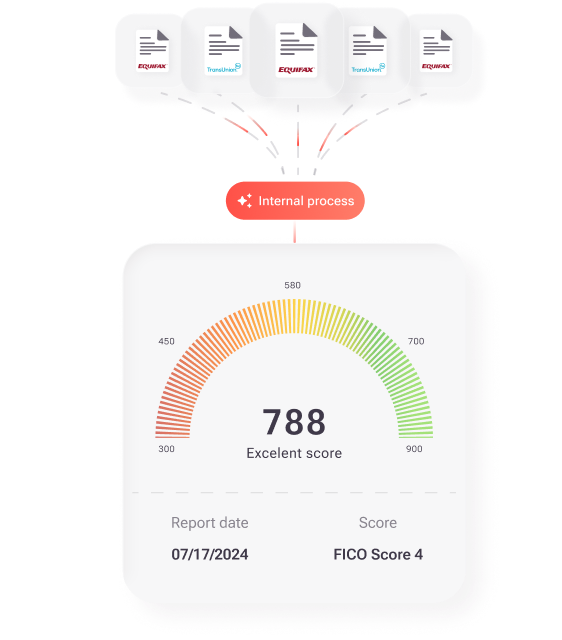
- Screening And Background Checks. Efficient: FCRA-compliant background checks with permissible purpose controls, written authorization captured in the application flow, and automated adverse action workflows built in. Manual failure mode: FCRA violations, including missing pre-adverse action notices and unsigned authorizations, expose associations to statutory damages of $100 to $1,000 per violation, plus attorney fees.
- Board Review And Approval. Efficient: a dedicated board dashboard with AI-generated applicant summaries, a voting panel, and timestamped audit trails. Manual failure mode: applications stall in email chains, board members lack visibility into what needs attention, and approval letters require additional manual work after the decision is made.
- Lease Tracking And Occupancy Confirmation. Efficient: centralized, real-time lease status visibility (active, pending, expired, or missing) connected directly to the onboarding workflow. Manual failure mode: missing or outdated lease copies, disconnected spreadsheets, and no reliable way to confirm occupancy status create operational blind spots and compliance risk.
- Payment Collection. Efficient: application fees and deposits collected within the onboarding workflow, with payments going directly from the applicant to the association's designated account. Manual failure mode: managers chase payment confirmations through email and phone calls, and applicants are unsure what to pay, when to pay, and where to pay.
How Compliance Speeds Up Resident Onboarding
FCRA-first onboarding moves faster because it eliminates rework. When permissible purpose controls, written authorization, and adverse action workflows are built into the platform, managers avoid reconstructing audit trails after the fact or correcting disclosure failures before a decision is finalized. Under Section 604 of the FCRA (15 U.S.C. § 1681b), every screening report must be tied to a genuine housing decision, with a standalone disclosure, written authorization from each adult applicant, and certification of permissible purpose to the consumer reporting agency. Skipping the pre-adverse action step, one of the most common FCRA errors, has produced class action settlements ranging from hundreds of thousands to tens of millions of dollars.
TenantEvaluation is a legitimate reseller of TransUnion and Equifax data, accessing credit information under strict bureau rules with regular compliance reviews and no gray-market or offshore data sources. Strict permissible purpose controls, automated adverse action workflows, and built-in audit trails for every application function as structural features of the platform. These are core design elements rather than optional add-ons.
Identity verification reinforces this compliance foundation. IDVerify introduces biometric identity verification directly inside the TenantEvaluation workflow with government ID validation, AI-powered liveness detection, and biometric facial matching. Communities move from document-based review to biometric-backed identity confirmation. This shift matters because 74% of AI-generated fake IDs passed standard optical card readers in a 2026 MRI Real Estate Software test, and roughly 85% of multifamily operators reported an increase in application fraud activity in 2026. IDVerify confirms identity before screening authorization, reinforcing FCRA-aligned workflows and audit defensibility.
HOA-Specific Onboarding Software Vs. Generic Property Management Software
Vendor choice has a direct impact on how well a community can manage this lifecycle. Generic property management platforms such as Buildium, AppFolio, and Vantaca offer features, but they were not built specifically for the operational and compliance requirements of community associations. Buildium and Vantaca, in particular, lack a strong screening focus. None of these platforms offers a dedicated board review and voting dashboard or FCRA-first compliance designed for HOA and condo workflows.
AppFolio's Resident Onboarding product illustrates this gap. It delivers a guided move-in checklist through its FolioSpace app covering lease signing, security deposit, and utility setup. That homeowner-communications approach does not address application intake, FCRA-compliant screening, or board approval workflows. Vantaca's resident portal supports payments, ARC requests, and contact updates but does not include a native screening or adverse action workflow. Background-check-only vendors such as ApplyCheck and Verify Screening Solutions provide screening reports through the TazWorks platform but lack applicant interaction and truly automated document review or redaction. TenantEvaluation's board dashboard appears as a unique solution in this landscape.
TenantEvaluation is built specifically for community associations and management companies. The platform serves more than 5,000 communities and processes approximately 100,000 applications per year. It covers the full application-to-occupancy lifecycle: digital application intake, automated document collection, FCRA-compliant screening with direct credit bureau reseller relationships, biometric identity verification, a dedicated board review and voting dashboard, centralized lease tracking, and connected payment collection. The revenue model uses pay-per-application pricing with no upfront fees, so cost aligns with actual volume rather than a fixed subscription.
The table below compares the three vendor categories across four key attributes for HOA onboarding: scope, board review, compliance foundation, and revenue model.
| Attribute | TenantEvaluation | Generic Property Management Software (e.g., Buildium, AppFolio) | Background-Check-Only Vendors (e.g., ApplyCheck, Verify Screening Solutions) |
|---|---|---|---|
| Onboarding Scope | End-to-end lifecycle from application intake through occupancy confirmation, lease tracking, and payment collection, designed for community associations | Property management-first with resident portal and some move-in checklists; onboarding scope varies and rarely covers the full HOA application lifecycle | Screening reports only with no application intake, document collection, or board approval workflow |
| Board Review Workflow | Dedicated board dashboard with AI-generated applicant summaries, voting panel, and timestamped audit trails inside the platform | No dedicated HOA board review and voting dashboard; boards typically rely on email or offline processes | No board review or voting workflow; screening results delivered as standalone reports |
| Compliance Foundation | FCRA-first design with direct TransUnion and Equifax reseller status, strict permissible purpose controls, automated adverse action workflows, and built-in audit trails for associations | General property management compliance; FCRA support and HOA-specific workflows vary and are not tailored to association screening | FCRA obligations limited to report delivery; associations remain responsible for adverse action steps and audit trails without platform support |
| Revenue Model | Pay-per-application pricing with no upfront fees and a revenue-sharing structure for associations | Monthly subscription fees that create fixed overhead regardless of application volume | Per-report screening fees with no broader onboarding workflow included |
How To Choose HOA Management Software For Onboarding
Effective HOA management software for resident onboarding efficiency must address the root causes of manual onboarding rather than simply adding a portal. The questions below help frame that evaluation.
- Does the platform automate document collection and review, including rejection of incomplete submissions before they reach the manager's queue?
- Does it include FCRA-compliant background checks with built-in audit trails, permissible purpose controls, and automated adverse action workflows?
- Does it offer a dedicated board review and voting dashboard that gives board members direct access to application summaries and a structured approval process?
- Can it handle Florida-specific requirements, including 55+ community age-restricted application handling and lease tracking from application to occupancy?
- Does it connect payment collection to the onboarding workflow so fees and deposits are collected within the same process, without the association chasing confirmations?
TenantEvaluation addresses each of these evaluation points with purpose-built capabilities. QuickApprove is the accelerated approval workflow that moves applications from submission to decision faster. It includes real-time application tracking, automated communication support, customized approval letters, a personalized welcome package, and a board-ready approval process. QuickApprove supports high-volume seasons and communities with complex onboarding requirements while preserving control, compliance, and visibility.

55+ Communities Verification helps Florida Condos and HOAs standardize how age-restricted requirements are handled across applications, reducing manual work and improving documentation consistency. As noted earlier, 24 CFR § 100.307 requires biennial age verification surveys and summary records, and this feature supports that documentation requirement without replacing legal guidance.
Lease Tracking delivers centralized, real-time lease visibility and lifecycle control from application submission through occupancy. It connects resident onboarding, unit data, approvals, and lease documentation into one streamlined, audit-ready workflow that replaces spreadsheets and scattered email chains.
TEpayments by Zinc provides a connected payment workflow inside TenantEvaluation that collects application fees, deposits, and other required resident payments within the onboarding process. Payments go directly from the applicant to the association's designated account, so staff no longer chase payment confirmations. See how TenantEvaluation scores against your evaluation criteria in a live walkthrough with your team.
Florida-Specific Requirements For HOA Onboarding
Florida CAMs and board members operate under a compliance environment that generic national platforms rarely address. Florida requires anyone paid to manage an HOA with more than 10 units or an annual budget over $100,000 to hold a CAM license issued by the Florida Department of Business and Professional Regulation (DBPR). Fifteen continuing education hours are required per renewal cycle, with additional HOA-specific hours for managers serving homeowners' associations. The onboarding platform a Florida CAM uses must support the audit trails and documentation standards that DBPR licensing and community association governance expect.
For age-restricted communities, federal rules under 24 CFR § 100.307 require 55+ communities to survey residents at least every two years to confirm compliance, with acceptable proof of age including a driver's license, birth certificate, passport, immigration card, military ID, or a signed certification from a household member over 18. Florida repealed its separate state registration program for 55+ communities effective July 1, 2020, so internal recordkeeping and biennial age verification now function as the core compliance mechanism. 55+ Communities Verification helps Florida Condos and HOAs standardize age-restricted application handling across communities, reducing manual work and improving documentation consistency for internal control.
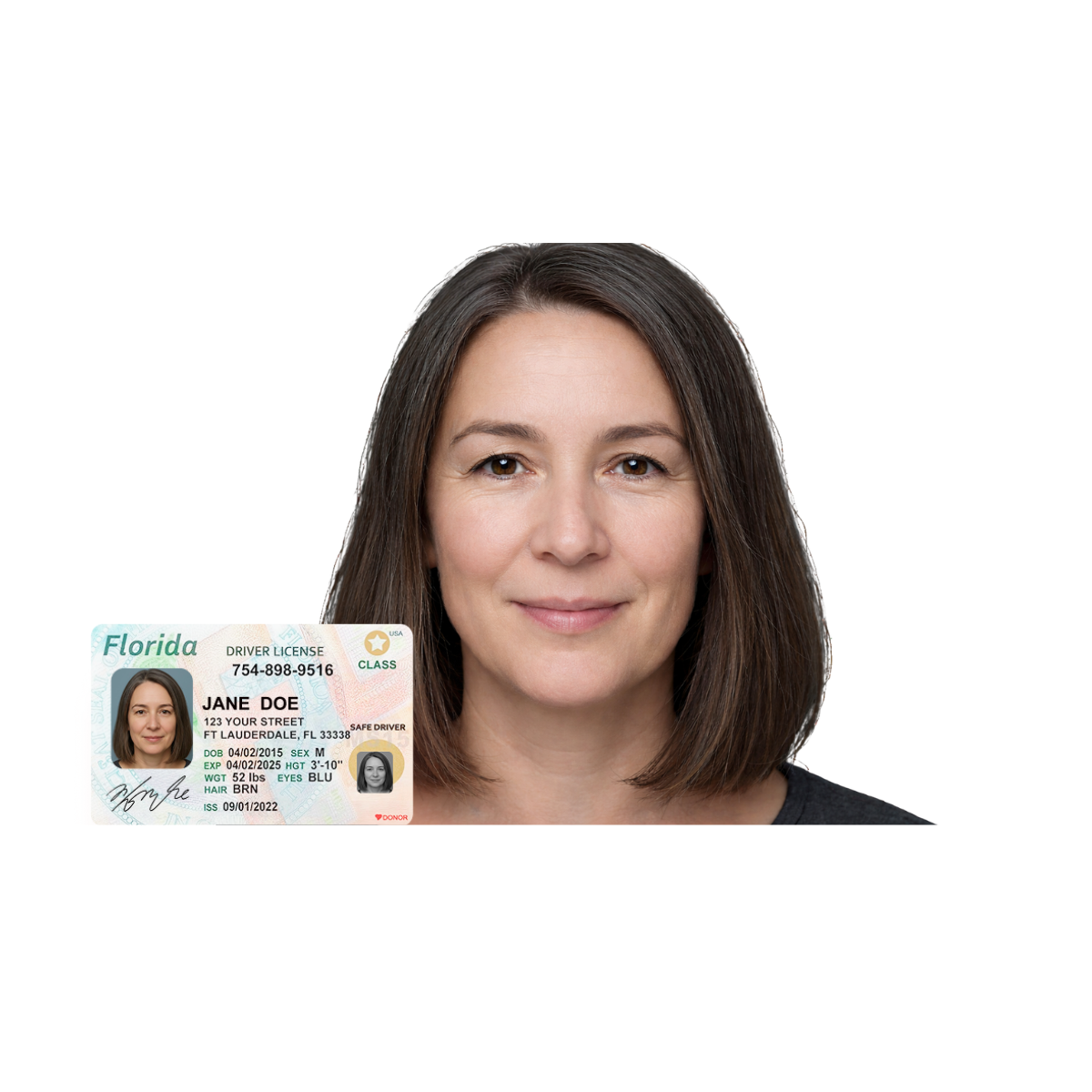
TenantEvaluation supports Florida-specific regulations and workflows with customized setups that reflect unique community standards. Lease Tracking connects applications, approvals, and lease documentation into one centralized workflow, giving CAMs and boards real-time lease visibility and audit-ready records that align with Florida community association management expectations.
Frequently Asked Questions
How Much Does HOA Management Software Cost?
HOA management software pricing generally follows two models. Subscription-based platforms such as AppFolio and RealPage charge monthly fees that create fixed overhead costs, regardless of application volume. Pay-per-application models charge based on actual usage, aligning cost with activity levels. TenantEvaluation uses a pay-per-application model with no upfront fees, and its revenue-sharing structure allows application processing to generate income for the association instead of functioning only as a cost center.
How Does HOA Software Improve Board Approval Workflows?
Board approval workflows improve when applications move out of email chains and into a structured review environment. HOA software gives board members a dedicated review and voting dashboard with AI-generated applicant summaries, timestamped voting records, and a clear approval process inside one connected platform. QuickApprove accelerates this further by moving applications from submission to decision faster, with real-time application tracking, automated communication support, reduced manual follow-ups, customized approval letters, and a personalized welcome package. Communities gain speed while maintaining board oversight and compliance review.
Conclusion: The Operational Case For HOA-Specific Onboarding Software
Manual resident onboarding creates structural inefficiency because every manual handoff creates rework, every compliance gap creates audit preparation, and every approval bottleneck creates follow-up. HOA management software improves resident onboarding efficiency when it addresses those root causes across all seven stages of the lifecycle, from application intake through payment collection.
Generic property management platforms address parts of this workflow, and background-check-only vendors address a single stage. TenantEvaluation focuses on community associations and management companies, with FCRA compliance as the foundation. With QuickApprove, IDVerify, 55+ Communities Verification, Lease Tracking, and TEpayments by Zinc, TenantEvaluation connects every stage of the onboarding lifecycle into one audit-ready platform that serves more than 5,000 communities and approximately 100,000 applications per year across Florida.
Start your onboarding audit and see how a Florida-focused platform can simplify resident approvals for your communities.
