Written by: Luis Teran, Co-founder, CEO, TenantEvaluation | Last updated: September 11, 2026
Key Takeaways For Florida HOA And Condo Workflows
- Florida-focused HOA application and resident onboarding software digitizes the full journey from online application through approval and payment collection inside one FCRA-compliant system.
- The complete workflow follows seven stages: application intake, document collection, FCRA-compliant screening, biometric identity verification, 55+ community documentation, board review and voting, and lease tracking with payment collection.
- Manual processes create gaps in audit records, compliance, and day-to-day efficiency. Centralized digital platforms replace email chains, spreadsheets, and scattered folders with one organized system.
- Florida associations must maintain detailed records under Chapters 718 and 720, including 7-year retention, 10-working-day inspection windows, and digital posting for communities with 25 or more units.
- TenantEvaluation connects every stage of the Florida application-to-occupancy workflow in one FCRA-compliant platform, including integrated lease tracking capabilities.
The Full Florida Application-To-Occupancy Workflow Map
This guide walks through the complete Florida application-to-occupancy pipeline in operational detail. Generic property management tools usually cover only one or two stages. Single-feature screening tools often stop at the background check. Here, each stage follows the same path a prospective resident travels, from receiving a property code to activating a lease and collecting fees.
TenantEvaluation offers a walkthrough video that shows CAMs, board members, and applicants how each stage connects inside one system.
See how the full Florida workflow runs end to end.
Stage 1: Application Intake
Application intake serves as the entry point for every Florida HOA and condo resident onboarding workflow. The applicant receives a property code, creates or logs into a TenantEvaluation account, and completes a 100% online application via web or mobile. The form lets applicants select the application type, such as Purchase, Lease, or Guest/Additional Resident, and confirm the community’s Property Requirements, which reflect that community’s governing documents.
Florida associations operating under Chapter 718 (condominiums) or Chapter 720 (HOAs) must confirm that any approval right and associated fee appear in the recorded declaration or bylaws before intake begins. Software built for Florida community associations configures rules per community profile at setup. Each community receives a unique property code and its own property requirements that applicants must accept, so the intake form reflects each association’s actual governing requirements.
Effective software provides intelligent form logic that rejects incomplete submissions automatically. It also sends real-time status notifications to applicants and managers and includes a 24/7 support layer. TenantEvaluation, for example, provides AI chat support in 11 languages so diverse applicant populations receive clear guidance.
Stage 2: Document Collection
Document chasing often becomes the heaviest administrative burden in Florida community association management. Incomplete submissions, email threads requesting missing items, and manual review of uploads consume hours per application and leave gaps in the audit record.
Effective document collection software enforces completeness at submission. TenantEvaluation’s platform notifies applicants daily about missing documents, signatures, or verifications needed to proceed, and the application cannot advance until those items arrive, unless the association waives a requirement. Smart form logic checks for executed leases, valid IDs, and community-specific required documents before the file enters the review queue. Applicants upload directly from their phones. Managers receive a Final Report, a single PDF that consolidates move-in details, screening results, and signed forms in the Manager Portal.
TenantEvaluation’s platform detects and auto-completes documents by redacting sensitive information such as Social Security numbers and banking details. When the system cannot read the information, an agent may manually review and mask the sensitive data. The platform is PCI Level 1 compliant and uses 256-bit encryption (TLS 1.2 or above) across its sites. Payment transactions add end-to-end encryption (E2EE), which reduces the liability exposure that manual document handling creates.
Stage 3: FCRA-Compliant Screening
Resident screening for Florida HOAs and condos follows the Fair Credit Reporting Act. A permissible purpose exists when the applicant initiates the transaction, and the association must obtain written authorization in a standalone disclosure before ordering any consumer report. When a report contributes to a denial, a conditional approval, a larger deposit requirement, or a co-signer requirement, an adverse action notice is required. That notice must name the reporting agency, state that the agency did not make the decision, and inform the applicant of their right to a free copy of the report within 60 days.
TenantEvaluation’s platform is built on FCRA compliance, as stated in Tenant Evaluation LLC’s Terms and Conditions, which affirm that information is obtained in compliance with the FCRA. The platform runs soft-hit credit inquiries directly with TransUnion (FICO Score 4) and Equifax (FICO Score 8), with records and scores coming directly from the credit bureau under strict bureau rules. Permissible purpose controls limited to tenant screening and HOA fees, FCRA-compliant dispute and adverse action processes, and built-in audit trails for every application help protect associations from statutory damages exposure. Under 15 U.S.C. § 1681n, a person who willfully fails to comply with the FCRA is liable for actual damages or statutory damages of $100 to $1,000, plus punitive damages and, for any successful action, costs and reasonable attorney’s fees. Manual or non-compliant screening creates exactly that risk.
Stage 4: Biometric Identity Verification
Identity fraud in condo and HOA communities now relies on synthetic identities, deepfake video feeds, and AI-generated government IDs. Traditional document-based review that relies on uploaded scans cannot reliably detect these threats. According to Experian’s 10th annual fraud survey, nearly 60% of companies reported an increase in fraud losses year-over-year, and community associations face similar pressure.
IDVerify is TenantEvaluation’s biometric identity verification layer, embedded directly into the screening workflow. It combines government ID validation, AI-powered liveness detection, facial landmark recognition, and selfie-to-ID biometric matching, all running natively inside TenantEvaluation with no external portals. Applicants complete a guided verification step during the application. Managers see ID authenticity confirmation, liveness verification status, and biometric match results inside the screening report.
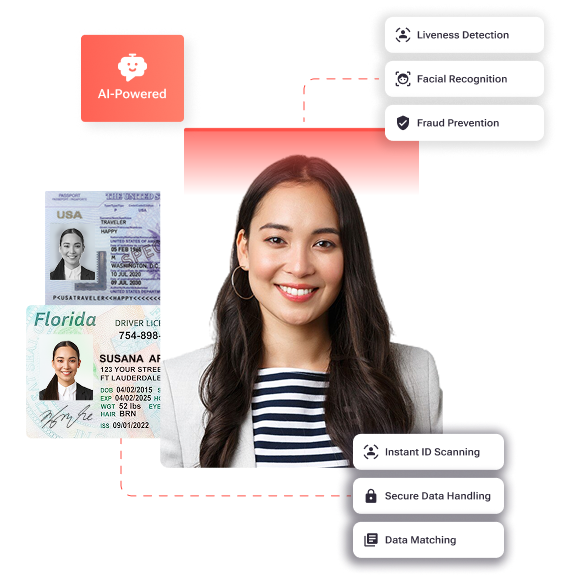
This identity-first approach upgrades security before approval, strengthens board confidence, and reduces liability exposure before a resident enters the community.
Stage 5: 55+ Community Documentation
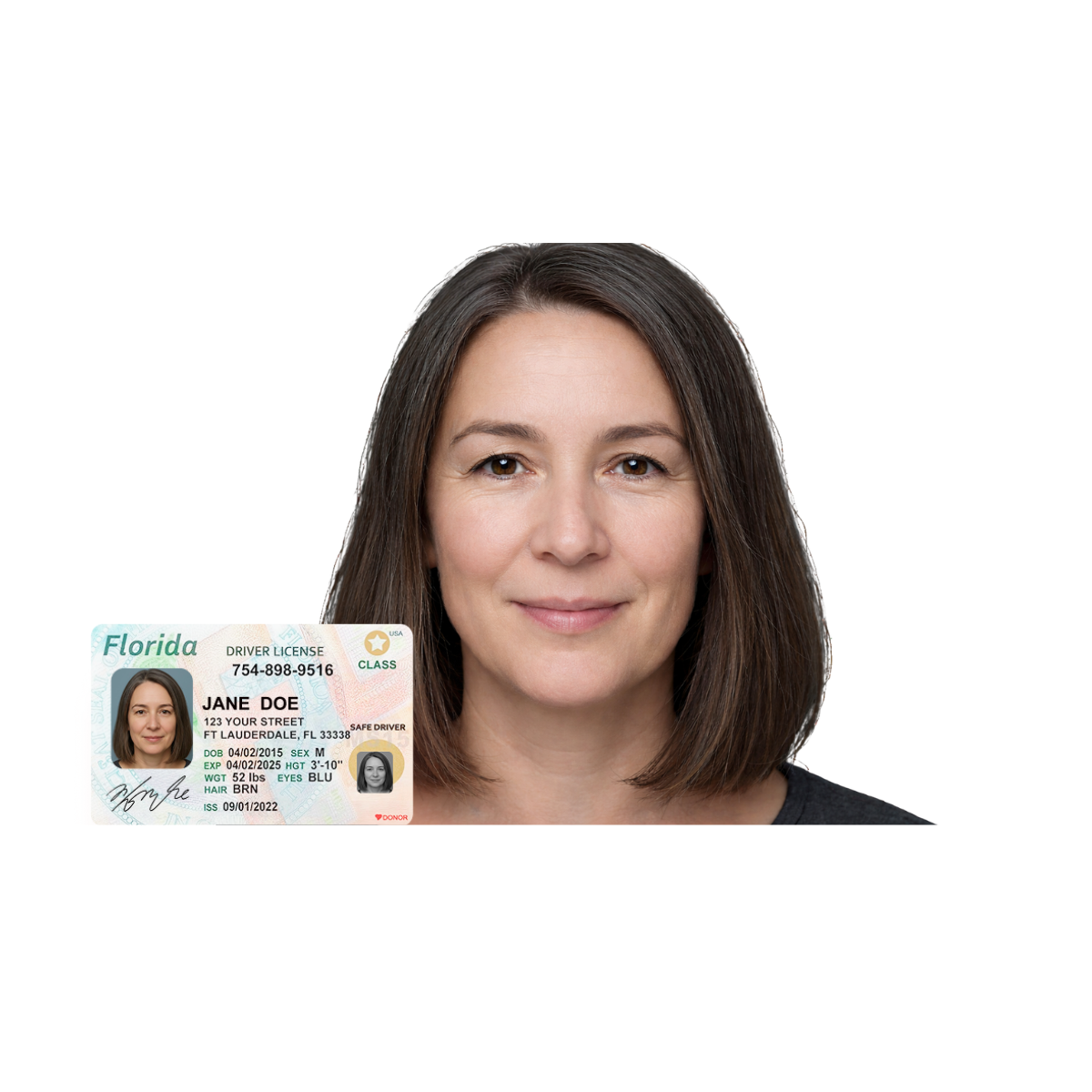
Florida condos and HOAs operating as age-restricted communities under the Housing for Older Persons Act (HOPA) must document that at least 80% of occupied units have at least one resident age 55 or older. They must publish and follow policies that show intent to operate as 55+ housing and conduct biennial surveys with documented results. Age verification records must be retained in a form that can be produced for inspection.
55+ Communities Verification is a built-in capability within TenantEvaluation that reduces manual work and standardizes application handling for age-restricted communities. It is built for Florida condos and HOAs and designed for Community Association Managers. According to TenantEvaluation’s platform description, it replaces fragmented manual processes for age verification and compliance with a structured, consistent workflow that supports scalability for CAMs and boards managing 55+ requirements across multiple properties.
Stage 6: Board Review And Voting
Board approval often becomes the most visible failure point in manual workflows. Applications sit waiting for review, managers chase responses, and board members lack a clear view of pending items. Approval letters then require extra manual work after decisions.
QuickApprove is TenantEvaluation’s accelerated approval workflow for communities, property managers, CAMs, and boards inside one connected platform. QuickApprove provides a board-ready approval process branded as “Quick Approve Board Voting,” where committee members receive notifications and cast votes in a dedicated dashboard. It is built for the high-volume residential migration peak season from May to September, when boards face the most applications at once. The dashboard lets boards clear qualified tenants in minutes while the association or condominium retains the final decision.

TenantEvaluation’s platform supplies AI-driven applicant screening and centralized applicant data for decision-making. Board members cast votes through the Quick Approve Board Voting feature and integrated signature tool. This creates a board-ready decision process that replaces email chains and spreadsheets with a connected, organized approval workflow.
Explore QuickApprove and the full board voting panel.
Stage 7: Lease Tracking And Payment Collection
Approval marks the start of a new phase that includes lease execution, expiration tracking, and confirmed occupancy. Missing lease copies, manual expiration tracking, disconnected spreadsheets, and no direct link between applications and active leases create operational risk in communities without a centralized system.
TenantEvaluation’s upcoming Lease Tracking product, designed for community associations, replaces multiple spreadsheets and repeated follow-ups with organized, visible digital lease records. The Manager Portal tracks each application’s progress and stores required documents such as lease agreements as part of the resident onboarding workflow. The platform digitally collects, reviews, and organizes applicant documents and supports compliance reporting, creating audit-ready digital lease records. Its resident screening and HOA management capabilities automate document collection, background checks, income verification, and compliance reporting to improve efficiency and compliance readiness.
Payment collection fits into the same onboarding workflow through TEpayments by Zinc, a connected payment flow inside TenantEvaluation that collects application fees and deposits during resident onboarding. Funds go directly from the applicant to the association’s designated account, and TenantEvaluation never holds the funds. Each association defines which documents are collected during the application process, and all requested documents come from the association’s requirements. TenantEvaluation’s platform shows applicants exactly what to pay, when to pay, and where to pay inside the application they already complete. The application fee appears once they enter the 4-digit community code, and payment is submitted at step 7 of the application form. Every one of those stages generates a record, and Florida law dictates how long those records must be kept and how quickly they must be produced.
Florida Record Rules For HOA And Condo Application Files
Florida Statutes Chapter 718 requires condominium associations to maintain most official records within the state for at least 7 years. Foundational records under subparagraphs (a)1.-6. must be kept permanently. Bids for work or materials must be kept at least 1 year, and certain records such as structural integrity reserve studies and inspection reports have longer retention periods. Unit owners have the right to inspect and copy official records, and Florida Statutes Chapter 718 (§718.111(12)(c)) requires condominium associations to make official records available within 10 working days after receiving a proper written request. Failure to do so creates a presumption of willful noncompliance. Records must be kept in a form that can be produced for inspection, and electronic storage is acceptable only if the association can provide legible copies on time.
Since January 1, 2026, Florida condominium associations managing 25 or more units that do not contain timeshare units must post digital copies of specified official records on a website or through a downloadable mobile application. HB 1021 (2024) lowered the threshold so that associations with 25 or more units must post digital copies of key records, extending a website and digital-records requirement that HB 1237 (2017) originally applied to associations with 150 or more units. The same legislation made it a first-degree misdemeanor to knowingly or intentionally deface or destroy required condominium association accounting records, or to knowingly or intentionally fail to create or maintain such records, with intent to harm the association or one or more members.
Application and onboarding files, including screening authorizations, adverse action notices, board voting records, and lease documentation, function as association records because they affect approval, occupancy, and enforcement. A centralized digital workflow makes the 10-working-day inspection window and the 25-plus-unit website-posting requirement manageable instead of a scramble through folders and inboxes.
Chapter 720 HOAs follow their recorded governing documents rather than a statutory cap on lease-approval fees. The operational principle remains consistent: records must be organized, retained, and producible. TenantEvaluation is a Florida-native resident-screening platform that is chapter-agnostic. It organizes application and onboarding files so associations can meet Chapters 718 and 720 retention and inspection requirements, while community-specific legal interpretation remains with the association’s counsel.
How To Evaluate Florida HOA Onboarding Platforms
Florida LCAMs and CAMs can use a clear checklist when evaluating resident onboarding platforms. The criteria below reflect the workflow stages described earlier and show which capabilities matter most.
- Native biometric identity verification that runs inside the platform rather than redirecting applicants to an external portal
- A dedicated board voting panel where board members are set up as Voters who recommend an approval verdict or as Deciders who approve applications, with real-time visibility into the application via email notifications and the Board Portal
- Centralized tracking of each application’s progress through a Manager Portal, where required documents such as lease agreements are uploaded as part of the resident onboarding workflow
- Direct-to-association payment flow through TEpayments by Zinc, where associations collect fees and deposits inside the platform and funds go directly to the association’s account
- FCRA-first compliance with soft-hit credit inquiries run directly with TransUnion and Equifax, with records and scores coming directly from the credit bureau
- Florida-native, customizable resident screening for Florida communities, HOAs, and condo associations
- FCRA-compliant dispute and adverse action processes with built-in audit trails
TenantEvaluation, founded in 2007, covers each of these requirements inside a single platform. According to VerticalRent’s 2026 tenant background check statistics, TenantEvaluation processes on the order of 100,000 applications a year across 5,000-plus communities, though other TenantEvaluation sources cite different figures. The TenantEv app holds a 4.8-star rating on the Google Play Store based on 248 reviews. Since 2007, TenantEvaluation has generated $150M for community associations. The platform is built specifically for community associations and management companies rather than generic rentals.
The competitive landscape divides into two main groups. Some platforms cover only part of the workflow, while broad property management systems treat HOA onboarding as one module among many. ApplyHOA, for example, provides a complete application platform from first click to board approval, including an 11-step digital application, built-in screening, document management, e-signatures, board voting, and free onboarding and setup. ApplyHOA offers a native board voting and approval panel that lets applications be sent to the board for a vote with configurable quorum requirements, voting deadlines, auto-approve rules, and a full decision audit trail.
Applycheck is an authorized credit reporting and tenant screening agency whose platform covers the screening process, including application, payment collection, and background reports, rather than end-to-end onboarding. As of Applycheck’s June 2026 comparison page, Applycheck does not offer a native board voting panel, biometric identity verification, or integrated lease tracking and instead uses electronic identity verification and online document collection. HOA Cloud’s platform materials describe Florida Ch. 718/720 compliance automation, assessment management, document collection, and collections support, but do not claim FCRA-first furnisher compliance infrastructure or direct credit bureau reseller relationships, which under the FCRA require separate written accuracy policies, technical infrastructure, and independent credentialing with each credit bureau.
Buildium is a broad property management platform with tenant screening features and board-facing bill approval workflows via the Resident Center. It lacks a dedicated board approval dashboard, a biometric verification layer, and a native 55-plus documentation workflow. Vantaca includes dedicated board approval functionality, such as a Board Approval of Invoices workflow with a Board Action Items page and a Board Actions > ARCs page for board members, but it does not offer biometric verification or a native 55-plus documentation workflow. AppFolio is a broad property management platform serving rentals and multiple property types, with community association capabilities delivered through an association module rather than a purpose-built HOA product. It provides a board-ready voting panel via the Online Portal’s Approvals tab, where board members can vote on association approvals such as invoices and architectural requests, and it enables homeowners to make online payments directly to the association from the portal.
The revenue model also differs across platforms. TenantEvaluation charges application fees that are set by the community and may vary, with a no-refund policy on all applications and no upfront fees. This structure turns application processing into a compliant income stream for associations. AppFolio charges a recurring monthly subscription with a minimum monthly fee on the Core plan, with per-unit charges added on top of that minimum. Buildium charges flat monthly subscription tiers, with unit caps on lower tiers and custom quotes for large portfolios or community associations.
Frequently Asked Questions
How Long Does HOA Application Approval Take In Florida?
The timeline varies by community and workflow. In Florida, most HOA approval requests take 30 to 45 days from submission to final decision, with no general statutory deadline under Florida Statute §720.3035. Florida Statutes § 83.683 requires landlords and community associations to complete processing of a rental application submitted by a servicemember within 7 days after submission and to notify the servicemember in writing of approval or denial within that period. Many association governing documents also include approval windows after which silence may constitute default approval. TenantEvaluation’s Standard Service application processing time typically extends up to 14 business days, while its Platinum service processes in 1 business day. TenantEvaluation compresses the resident application cycle from several manual days to minutes by automating document collection, real-time board voting, and communication.
What Documents Does A Florida HOA Require From A Tenant Applicant?
Requirements vary by community and follow the recorded declaration, bylaws, and board-adopted rules. A typical Florida condo or HOA application package includes a completed application form with personal and financial information, a copy of the proposed executed lease, government-issued photo identification, income or employment verification, and written authorization for background and credit screening. Some communities require additional items such as pet documentation, vehicle registration, or references. TenantEvaluation’s smart form logic configures each community’s specific document requirements at setup, enforces completeness before submission advances, and automatically checks for executed leases and valid IDs.
How Do 55+ Communities Verify Age?
Under HOPA, communities must verify that at least 80% of occupied units have at least one resident age 55 or older and must conduct biennial surveys with documented results. Acceptable documentation includes driver’s licenses, passports, birth certificates, immigration cards, military identification, Medicare cards, and sworn affidavits when other documentation is unavailable. Records must be maintained in a form that can be produced for inspection, including the date of verification, the type of documentation reviewed, and the survey methodology. TenantEvaluation’s 55+ Communities Verification capability standardizes how these requirements are handled across applications, reducing manual work and improving documentation consistency for Florida condos and HOAs managing age-restricted communities.
How Are HOA Application Fees Collected?
Under Florida Statutes § 718.112(2)(k), a Florida condominium association may charge a lease-approval fee only when it is required to approve the transfer and the fee appears in the declaration, articles, or bylaws. The fee may not exceed a statutory base cap of $150 per applicant, with spouses or a parent and dependent children counted as one applicant. That cap is adjusted every five years based on the Consumer Price Index, and the adjusted amounts are published by the Department of Business and Professional Regulation. Chapter 720 HOAs follow their recorded governing documents rather than a statutory cap on lease-approval fees. Application fees must be disclosed before collection and applied consistently to all applicants.
TenantEvaluation’s platform collects application fees and deposits during resident onboarding through TEpayments by Zinc, with funds going directly to the association’s account. Payments go directly from the applicant to the association’s designated account, and TenantEvaluation never holds the funds. The platform allows each association to define which documents are collected during the application process, and all documents are requested by the association. This structure eliminates manual tracking and payment chasing that disconnected systems create.
Conclusion: Connected Workflows Protect Florida Communities
Florida HOAs and condo associations lose time and increase liability when gaps appear between workflow stages. Incomplete document collection, non-compliant screening, unverified identities, inconsistent 55-plus documentation, delayed board decisions, missing leases, and disconnected payment collection each create a point where manual processes fail and audit exposure grows.
One connected workflow solves these problems more effectively than several disconnected tools. TenantEvaluation provides end-to-end resident onboarding solutions, from digital application submissions to final approvals by managers and board members, for property managers and HOAs nationwide. The platform covers intake, document collection, FCRA-compliant screening with soft-hit credit inquiries run directly with TransUnion and Equifax, biometric identity verification via IDVerify, 55-plus community documentation standardization, board review and voting through QuickApprove, centralized tracking of each application’s progress through its Manager Portal, and fee and deposit collection through TEpayments by Zinc, all inside one platform built on the FCRA compliance described in Stage 3. Founded in 2007 and built specifically for community associations, TenantEvaluation maps the complete Florida workflow without requiring associations to stitch together separate tools.
See how TenantEvaluation connects every stage of your Florida application-to-occupancy workflow.
