Written by: Luis Teran, Co-founder, CEO, TenantEvaluation
Key Takeaways
- Synthetic identity fraud has surged 30% in 2026, and 85% of landlords now face rental fraud, so robust KYC is essential for Florida HOAs and condos.
- The 5 core KYC steps cover biometric identity verification, background checks, credit and income validation, reference checks, and board approval, all aligned with FCRA requirements.
- Biometric tools like IDVerify+ use AI liveness detection and facial matching to stop deepfakes and synthetic identities in minutes instead of days.
- Automated KYC platforms cut processing time by about 70%, support compliance with Florida laws such as SB 1293, and reduce FCRA violation risk.
- TenantEvaluation serves 5,000+ communities with end-to-end automation, so you can implement fraud-proof screening for your community today.
How KYC Protects Florida HOA and Condo Communities
Know Your Customer (KYC) onboarding for Florida resident screening covers identity verification, income confirmation, background checks, and compliance with FCRA, Fair Housing Act, and OFAC regulations. This comprehensive approach has become critical as identity fraud grows more sophisticated and harder to spot with manual review alone. Plaid’s Know Your Tenant framework adapts KYC principles from financial services to rental markets to strengthen fraud prevention across these areas.
Modern KYC processes now integrate biometric verification to address deepfakes and synthetic identities that bypass traditional document checks. Recent research shows that sophisticated identity fraud attempts nearly tripled to 28% of total fraud in 2025, which highlights how quickly the threat landscape is changing. Florida responded in its 2026 legislative session with SB 1293, which made it a felony to occupy rental property using forged documents or false identity. This shift underscores why robust identity verification has moved from a best practice to a legal and operational necessity for boards.
Biometric Identity Verification with IDVerify+
IDVerify+ integrates government-issued ID validation, AI-powered liveness detection, and facial biometric matching directly into the screening workflow. Step 3 of comprehensive KYC includes biometric verification with facial matching between a user’s selfie and ID photo, plus liveness checks to confirm the person is live and the rightful document owner. This layered process blocks synthetic identities and deepfake attacks that traditional document review cannot detect.
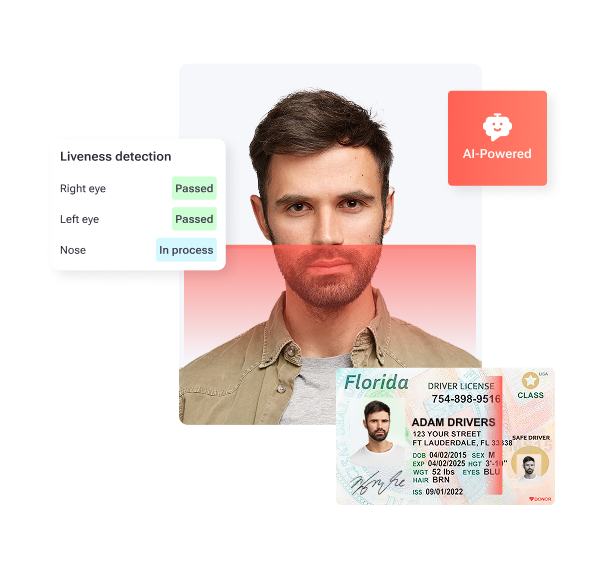
The comparison below shows how IDVerify+ automation improves speed, fraud detection, and documentation compared with manual verification methods.
|
Verification Aspect |
Manual Process |
IDVerify+ Automation |
|
Processing Time |
5-10 days |
5-10 minutes |
|
Fraud Detection |
Document review only |
Biometric + liveness detection |
|
Compliance Documentation |
Manual audit trails |
Automated compliance records |
The 5 KYC Steps for Florida HOA Screening
The essential 5-step KYC process for Florida HOA screening includes identity collection and verification through IDVerify+ biometric confirmation. It also includes background screening via SafeCheck+ with criminal, eviction, and OFAC checks. Credit and income verification rely on direct bureau relationships and IncomeEv reports for accurate financial assessment.
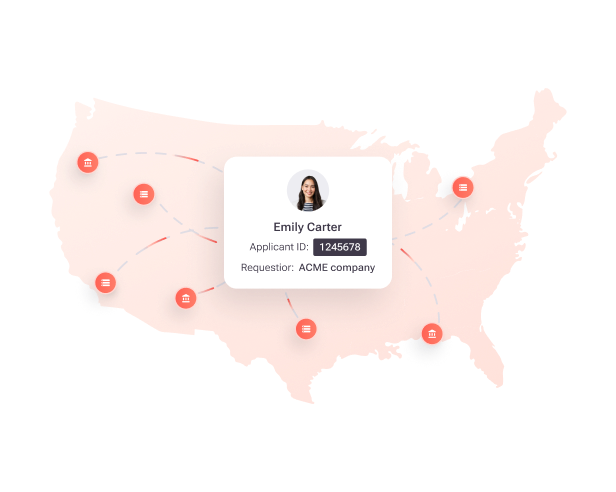
The process continues with reference verification from previous landlords and personal contacts to validate rental history and character. Finally, board approval occurs through the QuickApprove dashboard, which centralizes voting and decisions. TenantEvaluation automates each step while maintaining FCRA compliance and meeting Florida-specific requirements, including sex offender registry screening.

Why TenantEvaluation Excels for Florida KYC Onboarding
TenantEvaluation’s specialized platform supports more than 5,000 communities, maintains a 4.8/5 Google rating, and partners with industry leaders such as RealManage. Automated KYC verification reduces processing times from days to minutes, and TenantEvaluation extends these gains across the full screening lifecycle. The platform has generated $150M in revenue for communities through integrated fee structures and streamlined workflows.
Many competitors redirect applicants to third-party providers or focus only on background checks, which creates gaps in identity verification and compliance. TenantEvaluation instead delivers end-to-end automation with native biometric verification, board-specific dashboards, and revenue-sharing models that align with association success. The platform uses an FCRA-first design and holds direct credit bureau reseller status, which strengthens compliance protection compared with generic tenant screening tools.
Start your fraud-proof screening setup to experience how comprehensive automation improves accuracy, speed, and compliance for your community.
Conclusion and Next Steps
The 5-step KYC onboarding process transforms Florida HOA and condo resident screening from manual, fraud-prone workflows into automated, compliant systems that protect communities and reduce administrative burden. TenantEvaluation’s integrated platform with IDVerify+ biometric verification and QuickApprove board dashboards addresses Florida’s evolving fraud landscape while maintaining FCRA standards and generating new revenue for associations.
Synthetic identity fraud continues to rise, and Florida regulations are becoming stricter, so comprehensive KYC automation now plays a central role in community protection and operational efficiency. Launch automated KYC screening for your association to build fraud-proof onboarding that scales with your community’s growth.
Frequently Asked Questions
What are the 5 steps of KYC?
The 5 essential KYC steps outlined in this guide are identity verification, background screening, credit and income verification, reference checks, and board approval. Together, these steps form the foundation of FCRA-aligned resident screening for Florida HOAs and condos. TenantEvaluation automates each step, which reduces processing time from days to minutes and strengthens fraud prevention through biometric identity confirmation and structured decision workflows.
What are the KYC screening process stages in Florida?
Florida KYC screening stages start with application initiation using property codes and secure links. Intelligent data collection through adaptive forms then gathers only the information needed for each community. Biometric identity verification with liveness detection confirms that the applicant is the true document holder, and automated PII redaction supports security and privacy requirements.
The process continues with comprehensive background checks, including OFAC and sex offender screening tailored to Florida rules. Credit and income verification rely on direct bureau relationships for accurate and current data. Reference verification, board review through dedicated dashboards, adverse action management for FCRA alignment, and final approval with a complete audit trail complete the workflow. Each stage follows Florida-specific regulations while keeping manual work to a minimum.
How does biometric KYC work in Florida?
Biometric KYC in Florida combines government-issued ID validation, AI-powered liveness detection, and facial biometric matching to confirm applicant identity before approval. The system checks ID authenticity, runs real-time liveness tests to block deepfake attempts, and compares facial biometrics between selfies and ID photos. This multi-layered approach prevents synthetic identities and impersonation attempts that traditional document review often misses.
HOA and condo communities gain stronger fraud protection while applicants complete the process within a single, streamlined platform. This balance of security and convenience supports higher application completion rates and more confident board decisions.
What makes KYC FCRA compliant for Florida HOAs?
FCRA-aligned KYC for Florida HOAs requires direct credit bureau reseller relationships instead of third-party data scraping. It also requires strict permissible purpose controls for background check authorization and automated adverse action workflows that follow required notification timelines. Clear separation between data provision and decision-making responsibilities further reduces legal exposure for boards.
Comprehensive audit trails for every application step provide documented proof of compliance if questions arise. TenantEvaluation maintains these standards through direct TransUnion and Equifax partnerships, built-in adverse action management, and automated documentation that protects associations while supporting consistent, fair decisions.
What are the stages in a screening process for KYC?
The screening process stages for KYC include customer onboarding initiation and secure data capture through online forms. Automated data verification then checks information against identity documents and government databases. Risk assessment and scoring apply predefined rules to flag higher-risk applications for closer review.
Decisioning follows, with instant approval for low-risk applicants and manual review for higher-risk cases. Advanced programs add biometric verification with facial recognition, ongoing monitoring for risk changes, and integration with sanctions lists and adverse media sources. Modern KYC screening relies on automation to cut verification times from days to minutes while maintaining strong fraud prevention and regulatory alignment.
