Written by: Luis Teran, Co-founder, CEO, TenantEvaluation
Key Takeaways
- Florida tenant screening now faces a 30% surge in identity fraud from synthetic IDs and falsified documents, so HOAs and condos need strong KYC verification.
- Follow a 7-step KYC process: ID document validation, SSN and credit checks with FCRA consent, biometric liveness, income and eviction checks, compliance audits, board dashboards, and revenue analytics.
- Automated biometric tools like IDVerify+ detect deepfakes and fraud up to 90% faster than manual review, cutting liability and saving as much as 50 staff hours per day.
- TenantEvaluation delivers FCRA-compliant screening as a TransUnion reseller, supporting 5,000+ communities with a revenue-sharing model that generates about $150M each year.
- Protect your Florida community from fraud while speeding up approvals, and get started with TenantEvaluation today.
Why Florida Communities Need KYC-First Tenant Screening
KYC verification confirms each applicant’s identity through document checks, biometric matching, and database comparisons that prevent fraud and support FCRA compliance. The 2026 FCRA file disclosure fee cap of $16 and tighter adverse action rules require accurate identity confirmation before any background check.
Florida HOAs and condos now manage heavier workloads from manual document review, higher security risk from handling sensitive data, and more exposure to FCRA lawsuits that rose 36% in 2025. Paper-based workflows cannot catch advanced fraud such as deepfakes, edited employment letters, or synthetic identities that slip past basic visual checks.
TenantEvaluation focuses on community association screening with direct TransUnion reseller status, automated audit trails, and an FCRA-first platform design. The system removes manual weak points and gives boards clear approval workflows through QuickApprove dashboards built for HOA and condo governance.
Turn tenant screening from a liability into a revenue source. Schedule a demo today to see automated KYC in action.
7-Step Florida KYC Process for Tenant Screening
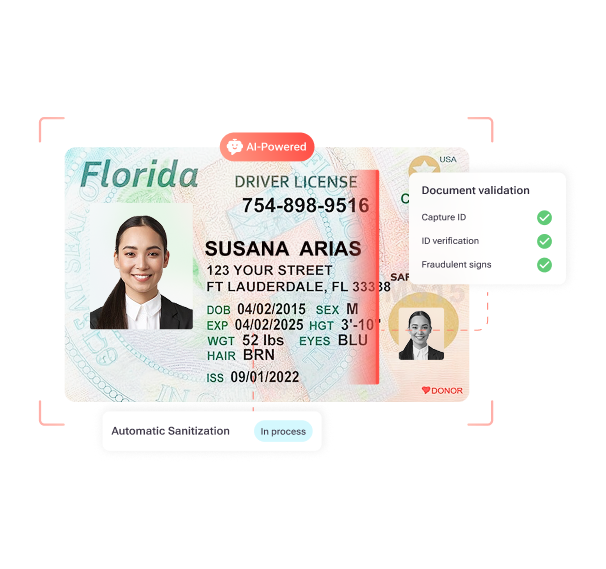
Step 1: Collect and Validate Government IDs
Require applicants to upload clear front and back images of valid, unexpired government-issued photo IDs. Automated validation checks each document against global databases and flags altered or counterfeit IDs that humans often miss. TenantEvaluation automatically rejects photocopies and expired IDs so only valid documents move forward.
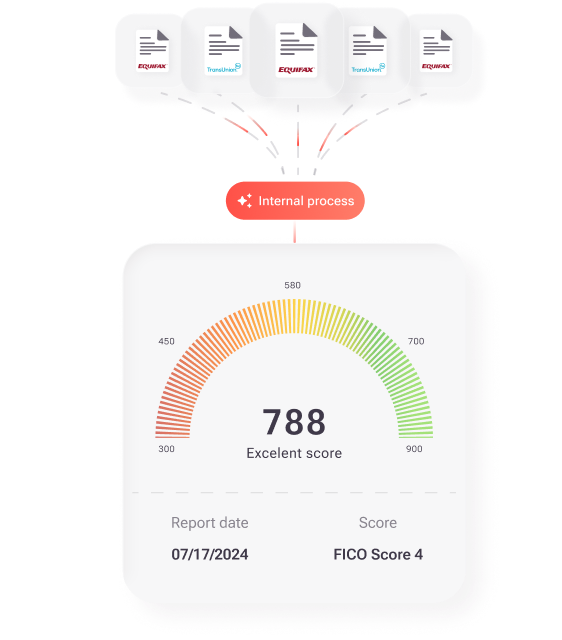
Step 2: Confirm SSN and Credit with FCRA Consent
Secure written FCRA authorization before pulling any credit data, following Florida’s standalone disclosure and written consent rules. Cross-check Social Security numbers with credit bureau records to uncover synthetic identities and confirm permissible purpose. Automated adverse action workflows then handle notices whenever screening results affect an approval decision.
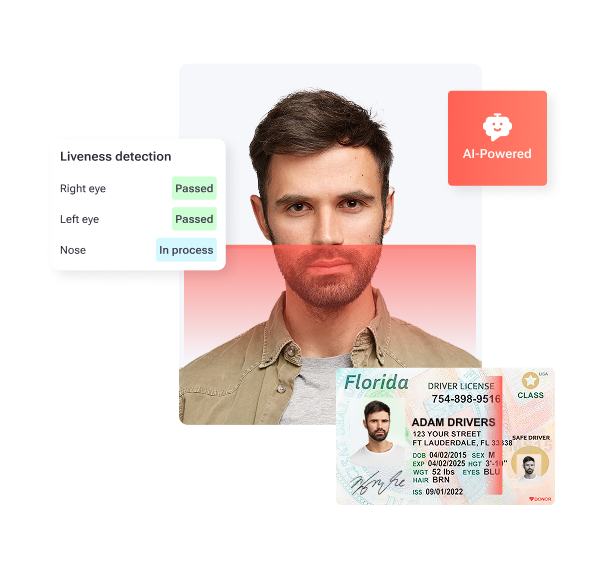
Step 3: Use Biometric Liveness and Facial Matching
Use IDVerify biometric checks to confirm that the applicant is physically present through AI liveness tests and facial landmark analysis. This step blocks deepfake attempts and photo swaps by requiring a real-time selfie that must match the ID photo. IDVerify runs inside the screening flow instead of redirecting to third parties, which protects trust and keeps data secure.
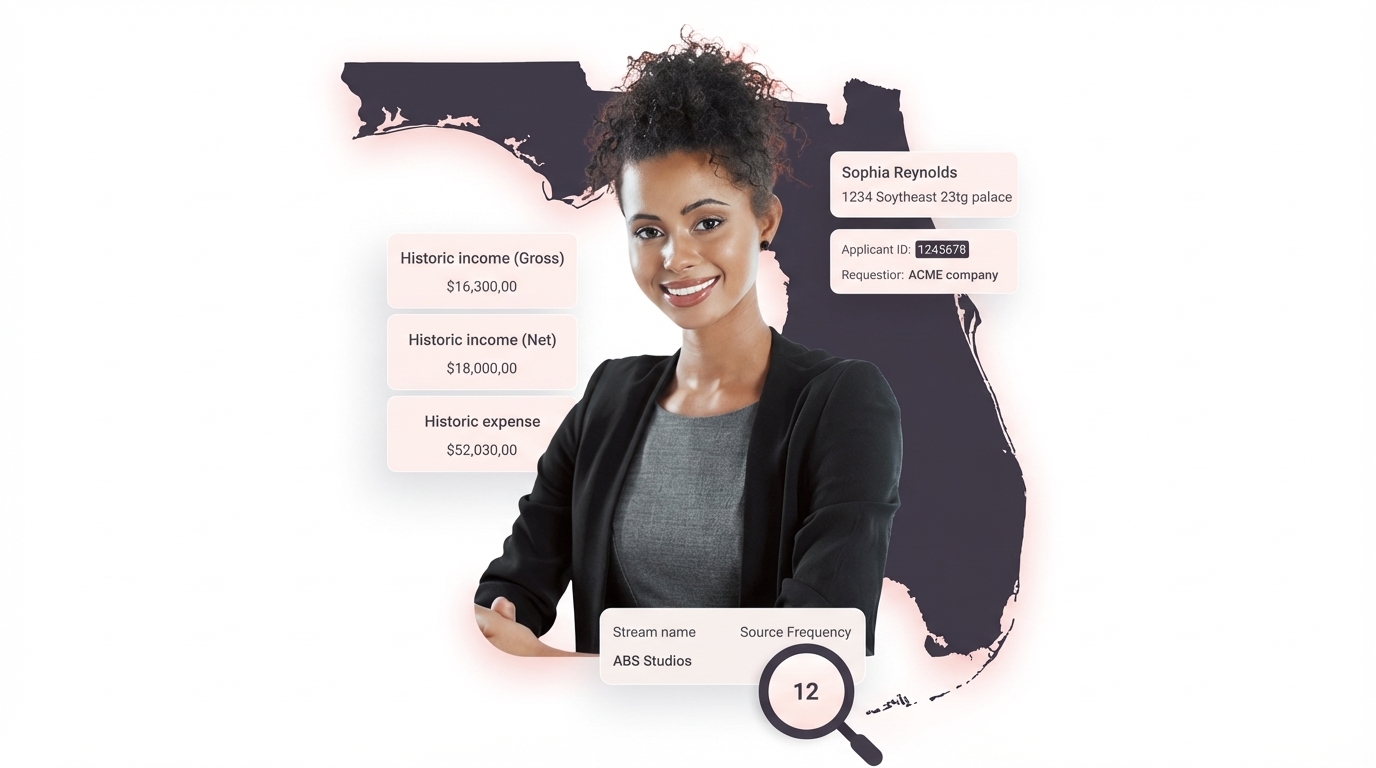
Step 4: Verify Income and Eviction History
Confirm employment and income with direct employer outreach and bank statement review instead of relying only on self-reported details. Add eviction searches and rental history checks to uncover chronic late payments or property damage that credit reports may not show. Florida rental applications now include more fake pay stubs and employment fraud, so communities need layered verification beyond simple uploads.
Step 5: Maintain Florida Compliance and Audit Trails
Use automated redaction for sensitive fields and keep full audit logs for every screening decision. Florida HOA and condo bylaws call for objective, documented criteria, and FCRA rules limit reporting of records older than seven years for roles under $75,000 annually. TenantEvaluation’s compliance engine applies these limits automatically while preserving complete files for board review.
Step 6: Centralize Board Review in One Dashboard
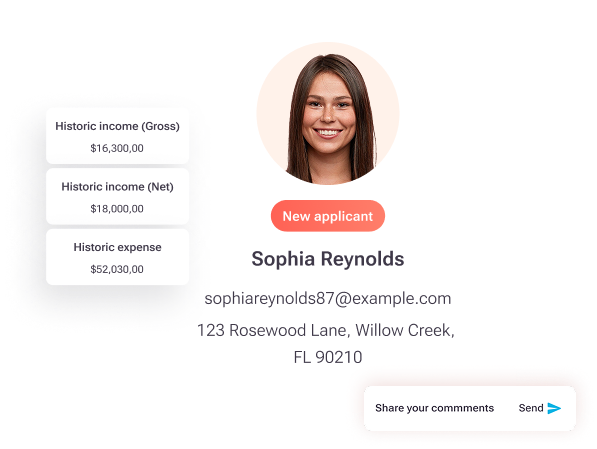
Give the Board of Directors a single place to review and approve applications through QuickApprove. The dashboard includes AI-generated summaries, voting panels, and live status updates. This setup replaces long email threads and supports transparent decisions that match HOA governance standards, while keeping sensitive applicant data away from personal inboxes.
Step 7: Final Approval, Analytics, and Revenue Tracking
Finish each file with automated approval notices and detailed analytics on demographics, approval rates, and screening revenue. TenantEvaluation’s revenue-sharing model takes its fee from application payments and returns the remaining amount to associations and management firms.
| Feature | TenantEvaluation IDVerify | ApplyCheck | Verify Screening Solutions | Snappt |
|---|---|---|---|---|
| Biometric KYC | Native liveness and facial matching | No | No | Partial |
| Processing Time | 5–10 minutes | 5–10 days | Days | Hours |
| FCRA Reseller Status | Yes (TransUnion and Equifax) | No | No | No |
| Revenue Model | Pay-per-application plus revenue share | Subscriptions | Subscriptions | Subscriptions |
Automate KYC from end to end with proven biometric tools. Schedule a demo today to remove manual screening risk.
Manual vs Automated KYC for Florida Communities
Manual KYC exposes Florida communities to document fraud, data leaks, and rising FCRA litigation that climbed 36% in 2025. Human reviewers struggle to spot advanced edits or synthetic identities that automated systems flag quickly with machine learning.
TenantEvaluation’s automated approach delivers processing up to 90% faster while keeping PCI Level 1 compliance and saving as much as 50 staff hours each day. Automated redaction removes the need for manual handling of sensitive data and keeps screening rules consistent across every file.
2026 Florida FCRA Compliance Checklist:
- Secure standalone written authorization before screening
- Apply seven-year reporting limits where they apply
- Send pre-adverse action notices with a copy of the report
- Send final adverse action notices with the FCRA rights summary
- Keep detailed audit trails for every screening decision
What is tenant identity verification? Tenant identity verification uses biometrics to confirm that applicants are real, present, and match their ID through facial recognition and liveness checks, which blocks impersonation and synthetic identity fraud.
How to prove rental verification in Florida? Communities combine HOA bylaw rules with IDVerify+ biometric checks, employment verification, and FCRA-compliant credit screening, which together create a full audit trail for boards and regulators.
Why Florida HOAs Choose TenantEvaluation for KYC
TenantEvaluation supports more than 5,000 Florida communities, including RealManage, FirstService Residential, and Castle Group. IDVerify+ runs inside the screening flow, avoids third-party redirects, and delivers instant fraud checks through government ID validation and AI liveness tests.
One Florida management company cut annual costs by $240,000 after moving to TenantEvaluation, freeing 50 staff hours per day and shortening processing cycles by 70%. The FCRA-first design and direct TransUnion and Equifax reseller status support compliance while the pay-per-application model removes subscription fees and adds shared revenue.
“It’s fast, it’s easy, it makes every transaction seamless. Love it. I wish all Condominiums would have it, makes my job and the application easier,” reports a Community Association Manager using TenantEvaluation’s end-to-end platform.
Next Steps for Florida KYC Tenant Screening
Using these seven KYC steps turns Florida tenant screening from a manual risk into an automated revenue channel. TenantEvaluation’s IDVerify+ biometric tools deliver strong identity proofing, FCRA compliance, and clear board workflows tailored to community associations.
Begin your move to automated KYC now. Schedule a demo today to see how TenantEvaluation reduces screening risk and creates new revenue for your community.
Frequently Asked Questions
Is biometric KYC verification required for Florida tenant screening?
Florida law does not require biometric checks, but a 30% jump in identity fraud makes them a practical safeguard for communities. IDVerify+ goes beyond standard HOA rules by combining government ID validation, liveness checks, and facial matching that manual reviews cannot match.
How does IDVerify+ support FCRA compliance in Florida?
IDVerify+ includes built-in permissible purpose checks, automated adverse action steps, and full audit trails that align with FCRA rules. As a direct TransUnion reseller, TenantEvaluation accesses credit data under strict bureau standards and regular audits, which helps protect associations from liability while keeping complete records.
What is the difference between KYC verification and background checks?
KYC verification confirms identity through document checks and biometrics, while background checks review credit, criminal records, and employment history. IDVerify+ combines both in one platform and confirms identity first, so fraudulent applications do not move deeper into the approval process.
What does TenantEvaluation KYC verification cost for Florida communities?
TenantEvaluation uses a pay-per-application model with revenue sharing, so communities avoid upfront fees and monthly subscriptions. Associations earn income from efficient processing and pay only for completed applications, which often results in a cost-neutral or revenue-positive program that scales with demand.
Can Florida HOAs run KYC verification fully online?
Yes, IDVerify delivers complete online KYC verification for Florida HOAs and condos. The platform runs on web and mobile, offers 24/7 access and multilingual support, and integrates natively with QuickApprove dashboards so boards can review and decide in real time while keeping data secure.
