Written by: Luis Teran, Co-founder, CEO, TenantEvaluation
Key Takeaways for Florida HOA Tenant Screening
- Florida HOAs must use written, non-discriminatory screening criteria aligned with statutes like §718.116(4) to avoid fair housing violations.
- FCRA-compliant consent, encrypted data collection, and biometric ID verification reduce fraud and synthetic identity risks.
- Thorough screening covers credit, criminal, eviction, and income verification using direct TransUnion and Equifax data.
- Board dashboards and automated adverse action workflows speed up approvals, support compliance, and preserve audit trails.
- Automated platforms can deliver 70% time savings and new fee revenue; schedule a demo with TenantEvaluation today for Florida HOA screening.
7 Steps to a Secure Tenant Screening Workflow for Florida HOAs
A secure tenant screening process for Florida HOAs follows seven clear steps that align with FCRA and state rules.
- Establish written screening criteria that match Florida statutes and your governing documents.
- Secure FCRA-compliant consent and use encrypted, online data collection.
- Integrate biometric identity verification to block fraud and synthetic identities.
- Run comprehensive resident screening that includes credit, criminal, eviction, and income checks.
- Use board approval dashboards to simplify and speed up decisions.
- Automate adverse action workflows and keep complete compliance audit trails.
- Track ROI metrics and follow record retention rules.
Each step supports FCRA-compliant tenant screening and addresses Florida regulations and HOA governance needs.
Step 1 – Create Clear Written Screening Rules for Your Florida HOA
Florida community associations protect themselves by setting objective, written screening criteria before they accept applications. Florida Statute §718.116(4) allows condominium associations to deny tenant approval if unit owners are delinquent in assessments, but every rule must remain lawful, consistent, and non-discriminatory.
Effective criteria spell out minimum credit scores, income thresholds such as three times monthly rent, employment stability, rental history standards, and required documents. Vague or shifting rules invite discrimination claims and selective enforcement challenges. Written tenant screening policies keep evaluations consistent for all applicants using the same criteria, which helps defend against discrimination claims.
TenantEvaluation’s platform builds community-specific screening profiles from your governing documents and Florida regulations. Smart logic rejects incomplete applications before any manual review, which reduces subjective decisions and supports fair housing compliance.
Schedule a demo today to configure custom screening criteria in minutes using TenantEvaluation’s Florida-focused compliance framework.
Step 2 – Collect Consent and Applicant Data Securely
FCRA compliance starts when you obtain written consent before any background check or credit pull. Landlords must secure written consent before running background checks under the FCRA and share clear tenant selection criteria at application.
Secure data collection relies on PCI Level 1 compliance, end-to-end encryption, and automatic redaction of sensitive details. Manual handling of Social Security numbers, bank data, and ID documents increases liability and data breach risk. Digital consent flows should clearly explain permissible purpose and applicant rights under FCRA rules.
TenantEvaluation’s fully online platform captures digital consent through multilingual interfaces and encrypts and redacts sensitive data automatically. The system offers 24/7 AI chat support in 11 languages and automated fee collection that generates revenue for associations. Every consent record includes an audit trail for easy compliance checks.
Step 3 – Use Biometric Identity Checks to Block Fraud
Florida communities face growing risks from identity fraud, synthetic identities, and impersonation that basic document review cannot catch. AI fraud detection that scans documents, verifies identities, and uses predictive scoring has become essential for reducing risks in modern screening.
Biometric identity verification adds extra security layers such as government ID validation, AI liveness detection, and facial landmark matching between a selfie and the ID. This process confirms that the applicant is present and that the identity is genuine before any approval decision.
TenantEvaluation’s IDVerify feature embeds biometric checks directly into the screening workflow without sending applicants to outside portals. The system validates ID authenticity, confirms liveness, and performs biometric matching while keeping the experience simple for applicants. Results appear inside the screening report for managers and board members.

Schedule a demo today to enable IDVerify and strengthen your HOA’s protection against fraud.
Step 4 – Run Full Credit, Criminal, Eviction, and Income Checks
Comprehensive HOA tenant screening includes credit reports, criminal background checks, eviction history, income verification, and reference checks from FCRA-compliant sources. Professional tenant screening services governed by the FCRA usually provide credit reports with scores, national criminal checks, and eviction history from bureaus like Equifax or TransUnion.
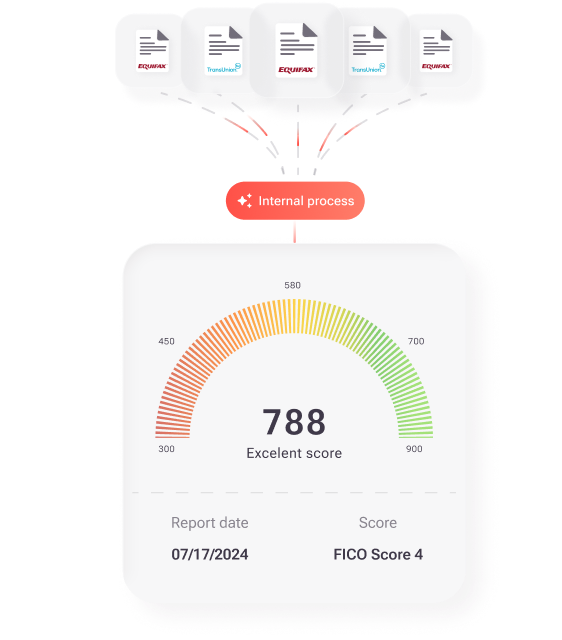
Income verification should go beyond self-reported numbers and include direct employer confirmation and bank-based verification. Digital verification platforms link to bank and payroll data to automate income calculations and reduce fraud and errors. Criminal checks should include nationwide databases, sex offender registries, and federal watch lists.
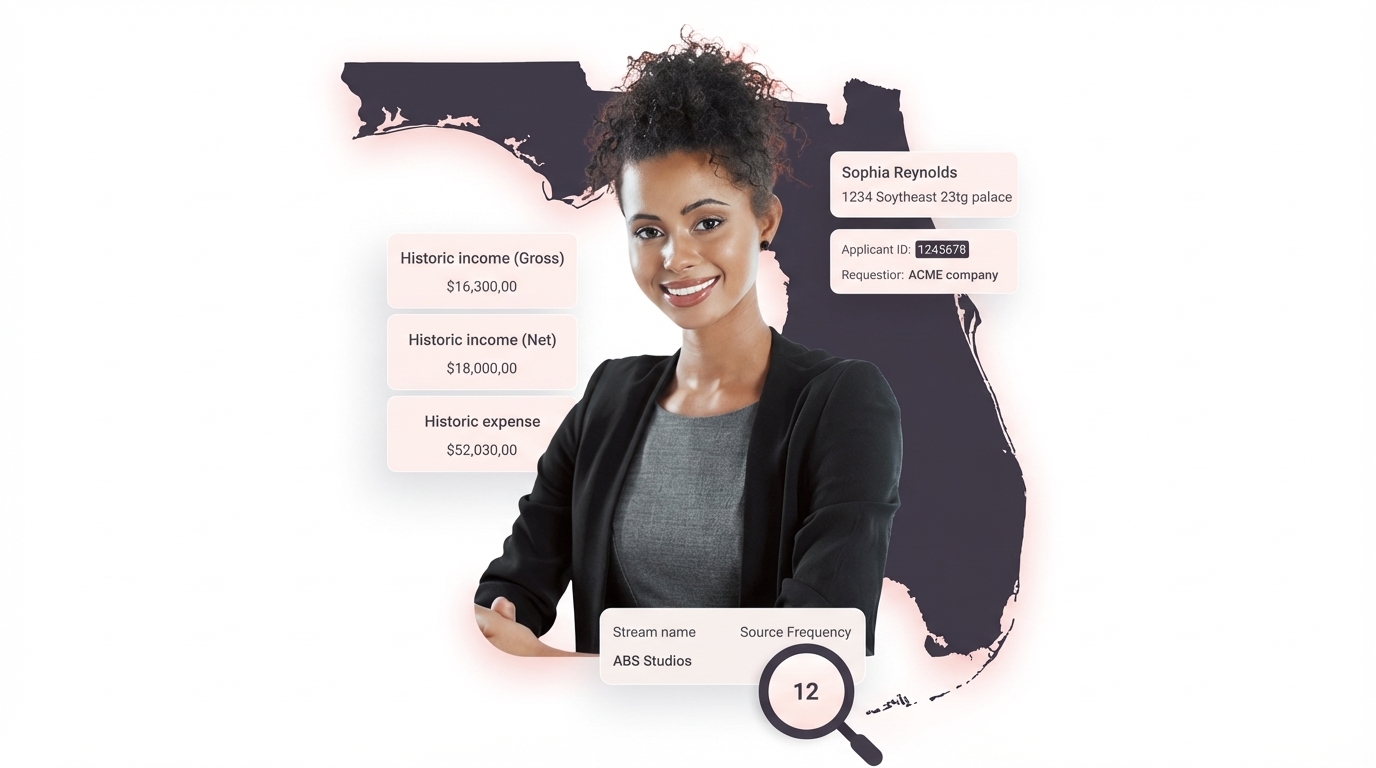
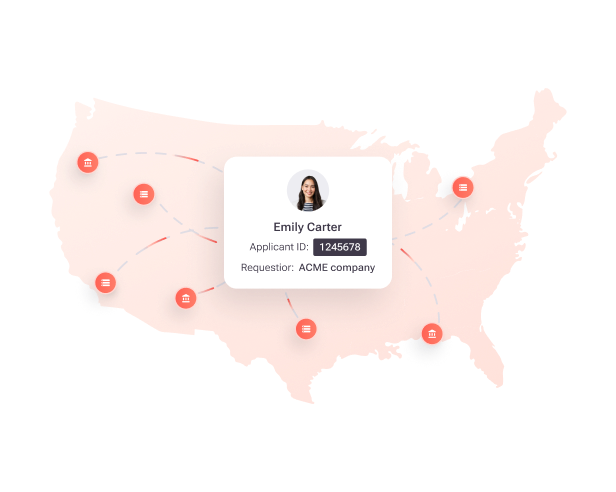
TenantEvaluation works as a direct TransUnion and Equifax reseller, which means access to legitimate bureau data under strict rules instead of gray-market sources. The platform’s SafeCheck+ and IncomeEv tools deliver employer-verified income data and full background screening with built-in adverse action workflows. Screening data stays separate from final approval decisions so boards keep control.
Step 5 – Speed Up Board Approvals with QuickApprove
Board approvals often slow down when communities rely on email threads, manual document review, and scattered communication. These habits can stretch approval timelines from hours into several days. Automated tools can cut screening time from 5 to 7 days down to 24 to 48 hours through integrated platforms that remove manual data entry.
Dedicated board dashboards give members real-time visibility into applications, AI summaries, and simple voting tools with full audit trails. Boards need direct access to screening results while still protecting applicant privacy and FCRA compliance.
TenantEvaluation’s QuickApprove dashboard offers a board-focused interface with timestamped votes, concise application summaries, and stored compliance documents. The system replaces email back-and-forth and delivers approval cycles that are up to 70 percent faster than manual methods. Every board action is logged for regulatory reviews.

Schedule a demo today to equip your board with QuickApprove and its streamlined decision tools.
Step 6 – Automate Adverse Action Notices and Compliance Tracking
FCRA adverse action rules require specific notices when an HOA denies an application based on screening results. Recent 2025 class actions highlight FCRA violations in tenant screening, including unauthorized credit pulls and inaccurate eviction data. Automated workflows help associations follow these rules consistently.
Strong compliance programs track permissible purpose, consent records, and adverse action steps with complete audit trails. Manual processes raise the risk of mistakes, inconsistent handling, and poor record-keeping. FCRA compliance also requires maximum possible accuracy of consumer information and proper consent for credit pulls.
TenantEvaluation’s automated adverse action tools generate compliant notices, enforce permissible purpose controls, and store detailed audit logs for each application. Built-in compliance monitoring supports regulatory adherence and reduces liability for associations.
Step 7 – Track ROI, Analytics, and Seven-Year Record Retention
Efficient tenant screening delivers measurable ROI through time savings, fewer vacancies, and new revenue from application fees. Poor tenant selection can cost $3,500 to $10,000 per eviction plus lost rent and damage, so thorough screening protects association finances.
Florida record retention rules require community associations to store official records for seven years. Florida Statute HB 1203 directs HOAs to retain official records for seven years and sets online posting rules for larger communities.
TenantEvaluation supplies analytics on community demographics, rental trends, and processing times that support better planning. Its revenue-sharing model creates income for associations while keeping record retention compliant. One Florida management company saved $240,000 per year by removing up to 50 hours of daily manual work through TenantEvaluation automation.
Why TenantEvaluation Fits Florida HOA Screening Needs
TenantEvaluation stands out from broad rental platforms by focusing on HOA workflows, Florida compliance, and deep automation. AppFolio and RentSpree serve general property management, while TenantEvaluation concentrates on community association screening with FCRA compliance at the core.
| Feature | TenantEvaluation | Others |
|---|---|---|
| FCRA Reseller Status | Direct TransUnion/Equifax | Third-party sources |
| Biometric Verification | Native IDVerify+ | None or external redirects |
| Board Dashboard | QuickApprove specialized | Email workflows |
| Time Savings | Up to 70% reduction | Days of processing |
TenantEvaluation partners with major management firms such as RealManage, FirstService Residential, and Castle Group, serving more than 5,000 communities. The revenue-sharing model aligns TenantEvaluation’s success with client outcomes while upholding strict compliance standards.
A secure tenant screening workflow shields Florida HOAs from fraud, supports FCRA compliance, and produces clear ROI through automation. TenantEvaluation’s platform covers every step of community association screening with tools that generic rental systems do not offer.
Schedule a demo today to upgrade your HOA’s screening process with automation that saves time, supports compliance, and grows revenue.
Frequently Asked Questions
What is FCRA compliant tenant screening?
FCRA compliant tenant screening means you obtain written consent before background checks, send proper adverse action notices when you deny applications, and use accurate data from legitimate credit bureaus. Compliance also includes keeping permissible purpose documentation, separating data providers from decision-makers, and maintaining full audit trails for each screening step. TenantEvaluation operates as a direct credit bureau reseller and uses automated adverse action workflows with built-in compliance monitoring to protect associations.
How does biometric verification prevent tenant screening fraud?
Biometric verification reduces fraud by confirming live presence with AI liveness checks, validating government ID authenticity, and comparing facial landmarks between a selfie and the ID. This layered approach blocks synthetic identities, impersonation, and altered documents that paper-based screening often misses. TenantEvaluation’s IDVerify+ feature embeds biometric checks into the workflow so boards receive verified identity confirmation before they approve applicants.
What is the best tenant screening platform for Florida HOAs?
The most effective tenant screening platform for Florida HOAs combines FCRA compliance, biometric identity checks, board dashboards, and automated workflows built for associations. TenantEvaluation focuses on HOA screening and offers QuickApprove board dashboards, IDVerify+ biometric verification, and Florida-specific compliance frameworks. Unlike general rental platforms, TenantEvaluation provides revenue sharing, direct bureau relationships, and up to 70 percent time savings through full automation.
How long should Florida HOAs retain tenant screening records?
Florida HOAs should retain tenant screening records for seven years under state statute, along with FCRA records for adverse action notices and consent forms. Digital storage supports compliance and gives boards searchable audit trails for reviews. TenantEvaluation maintains encrypted, organized records that satisfy Florida and federal FCRA requirements.
What ROI can Florida HOAs expect from automated tenant screening?
Florida HOAs often see up to 70 percent time savings, lower processing costs, and new revenue from automated screening platforms. One management company saved $240,000 per year by removing up to 50 hours of daily manual work while also earning application fee revenue. Additional gains include shorter vacancy periods, fewer costly evictions through stronger screening, and reduced liability from manual data handling. TenantEvaluation’s revenue-sharing model frequently makes the platform cost-neutral or revenue-positive for associations.
