Written by: Luis Teran, Co-founder, CEO, TenantEvaluation | Last updated: September 8, 2026
Key Takeaways
- HOA resident approval workflow automation replaces manual email-and-spreadsheet processes with a connected digital system that cuts processing time by up to 70% and frees up to 50 hours per day for Florida CAMs.
- The 7-step compliance-first workflow covers digital intake, automated document verification, FCRA-compliant background screening, board voting dashboards, real-time notifications, approval letters, and audit-ready record retention.
- Automated timestamped voting and adverse-action workflows satisfy Florida HOA statutes (§720.303(3)) and FCRA requirements, reducing board liability exposure and supporting 7-year record retention compliance.
- Specialized features such as biometric ID verification, 55+ community checks, and integrated lease tracking address Florida-specific needs that generic property-management platforms cannot handle.
- Community managers ready to replace manual chaos with a connected approval system can see the full workflow in action by scheduling a demo.
Why Florida CAMs Are Still Stuck In Manual Approval Hell
A Miami CAM managing 12 associations may spend 15 hours a week chasing incomplete applications and board votes. A Fort Lauderdale LCAM can miss a move-in deadline because an approval sat in a board member's inbox for six days. These situations are daily reality for Florida community managers who rely on manual processes.
The pain points are consistent. Applications sit in email inboxes. Board members review paper documents. Lease copies go missing. Payments lack confirmation. No one has a complete audit trail. The consequences compound quickly. Move-ins are delayed, applicants and realtors get frustrated, board liability increases, and associations lose revenue.
Manual document approvals that take eight days by email can often be completed in under 24 hours with a structured workflow, because nothing sits unread in an inbox. TenantEvaluation reports up to 70% time savings and frees up to 50 hours a day for management teams that automate their resident approval workflows. One Florida management company saved $240,000 annually after making the switch.
The solution is a connected, compliance-first digital workflow. The following seven steps show how each stage of the approval process, from intake through record retention, removes the bottlenecks that keep CAMs stuck in manual approval hell.
The 7-Step Automated Approval Workflow for Florida CAMs
This compliance-first workflow replaces fragmented email-and-spreadsheet processes with a connected digital system that keeps every step visible and documented.
Step 1: Digital Application Intake
The workflow starts with a 100% online application accessible via web and mobile, 24/7. Smart form logic collects all required data and documents based on applicant type, such as tenant versus purchaser, adult children, or co-applicants. The form requests the right information from the start and removes incomplete or irrelevant fields before submission.
Platforms like TenantEvaluation offer this intelligent intake natively. Applicants see a professional, guided experience. Managers receive complete, correctly structured submissions. Every manual handoff is a chance to introduce an error, and digital intake removes the first and most common failure point.
Step 2: Automated Document Collection And Verification
Once an application is submitted, the system automatically checks for required documents such as the executed lease, government-issued ID, and proof of income. Incomplete submissions are rejected before they reach the manager's queue. This single change removes hours of back-and-forth per application.
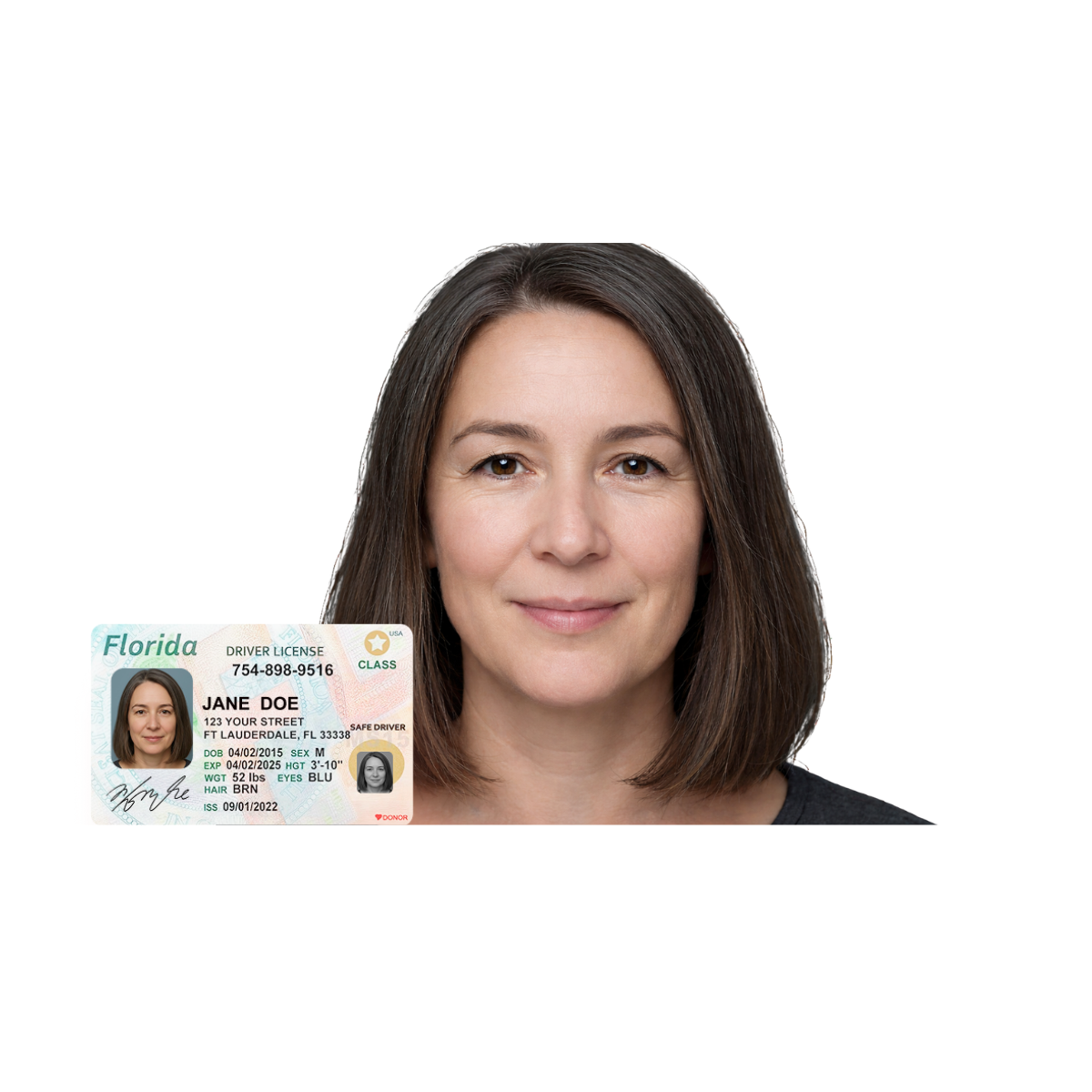
TenantEvaluation's IDVerify adds a biometric identity verification layer directly inside the screening workflow. It combines government ID validation, AI-powered liveness detection, and facial matching that confirms the applicant is real, present, and matches their ID. Communities move from document-only review to verified physical identity confirmation, which generic tenant screening tools do not provide.

Step 3: FCRA-Compliant Background Screening
Background screening in this workflow rests on a legally defensible foundation. TenantEvaluation is a legitimate reseller of TransUnion and Equifax data under strict bureau rules, which means credit, criminal, and eviction checks are accessed with permissible purpose controls and full data accuracy.
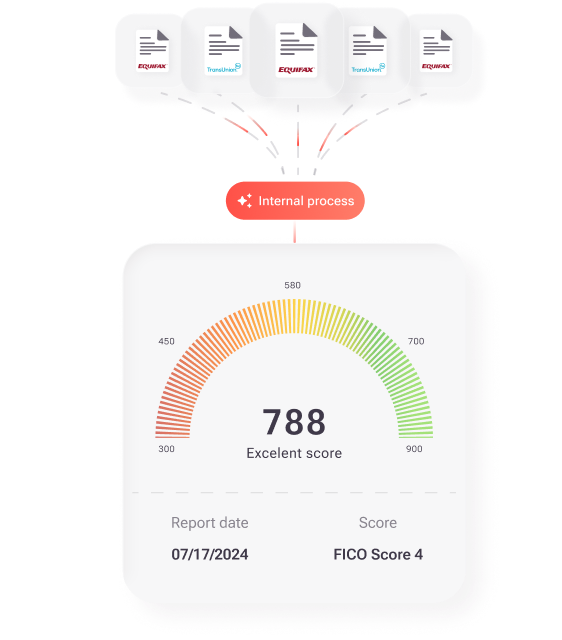
Any user of a consumer report must have a legally recognized permissible purpose before obtaining or using the report. For HOA resident screening, this means documenting permissible purpose, applicant authorization, and data-handling procedures as part of compliance controls. Automated adverse action workflows handle the FCRA-required pre-adverse notice, the five-business-day waiting period, and the final adverse action notice with credit score disclosure. This structure reduces liability exposure for the association.
TenantEvaluation is built specifically for community associations and management companies, with FCRA compliance built into the platform from the start.
Step 4: Board Review And Voting
QuickApprove accelerates resident approvals for CAMs, boards, and property management teams inside one connected platform. It provides real-time application tracking, reduces manual follow-ups, and delivers a board-ready approval process with automated communication support, customized approval letters, and a personalized welcome package.
Board members access a dedicated dashboard with AI-generated summaries of each applicant and a voting panel where every vote is timestamped. Approvals become faster, clearer, more consistent, and easier to manage, while control, compliance, and visibility stay with the board. Under Fla. Stat. §720.303(3), Florida HOA board minutes must include each director's vote or abstention on every matter voted upon. Automated timestamped voting makes this requirement effortless and audit-ready.

Step 5: Automated Communications And Notifications
Real-time status updates go to applicants, managers, and board members at every stage of the process. The constant “where is my application” phone calls stop. Managers no longer draft status emails manually or chase board members for responses.
Without clear routing and visibility, documents disappear into inboxes and no one knows if an approval is pending, stuck, or never happened. Automated notifications close that visibility gap, keep all parties informed, and reduce administrative work at every stage.
Step 6: Approval Letters And Welcome Packages
Once a board decision is recorded, the system automatically generates customized approval letters and personalized welcome packages. Managers avoid manual drafting, version confusion, and delays between the board vote and the applicant notification. Every application across every community follows the same consistent standard.
This capability is built directly into QuickApprove, so the final step of the approval process is as automated as the first.
Step 7: Audit Trail And Record Retention
Every action in the workflow, including who reviewed, who voted, when, and what decision was made, is timestamped and searchable. This audit trail functions as a core compliance feature rather than an incidental byproduct.
Florida HOA records must be maintained within Florida for at least 7 years unless governing documents require longer, and companies must retain the materials on which they based an adverse action decision for at least 60 days after delivering the adverse action notice. Automated record retention satisfies both requirements without manual filing.
Watch the full 7-step workflow in action for your Florida communities.
Why These Steps Satisfy Florida Compliance Requirements
These automated steps align directly with Florida statutes and FCRA rules that govern HOA approvals. Understanding the legal framework clarifies why a connected workflow protects both the association and the board.
Florida Compliance Essentials For Automated Workflows
What Is The 5-Year Rule For HOA In Florida? Florida's 5-year rule refers to the statute of limitations under F.S. 95.11(2)(b) for an HOA to file a lawsuit seeking a monetary judgment for unpaid assessments, which is typically five years from the date the assessment became due. A separate five-year limitation under §95.11(2)(c) applies to lien foreclosure actions, running from the recording of the lien.
What Is Rule 720 In Florida? Chapter 720 of the Florida Statutes governs homeowners' associations and establishes rules for board actions, notice, records, fines, and architectural controls. Chapter 718 governs condominiums separately. Both chapters shape the approval workflow requirements that Florida CAMs must follow.
What Are The Key Changes In Florida HOA Law In 2026? The 2026 Florida legislative session produced one substantive Chapter 720 change: under new Fla. Stat. §720.3035(1)(c), effective July 1, 2026, an HOA or its architectural committee may not require a governmental building permit as a prerequisite for reviewing construction or improvements on a parcel. High-profile bills like HB 657 (HOA termination) and HB 465 (management firm requirements) died in committee and are not in effect. Most 2026 HOA operations continue to rely on the existing Chapter 720 framework and the 2024 reforms.
Automated workflows support these compliance requirements directly. Audit trails satisfy record retention mandates. FCRA adverse action workflows handle pre-adverse notice and final notice requirements. Timestamped board votes satisfy §720.303(3) documentation requirements.
Board Review And Voting In The Digital Age
Florida HOA electronic voting is authorized under FS 720.317, which requires 14-day advance member notice and systems that authenticate the voter, transmit a confirmation receipt, and separate voter identity from the ballot. A board-ready dashboard like QuickApprove gives directors real-time access to application status and a dedicated voting panel, eliminating email chains and creating a clear, timestamped audit trail for every decision.
Automation keeps board oversight in place and strengthens it. Boards still make the final decision. Technology manages the workflow, routing, documentation, and notifications. The result is faster decisions with stronger governance.
Handling Special Cases: 55+ Communities, ARC Requests, And Lease Approvals
Florida's age-restricted communities face additional complexity in the approval process. TenantEvaluation's 55+ Communities Verification reduces manual work, standardizes application handling, and supports documentation consistency across communities. It is built for Florida condos and HOAs and designed for Community Association Managers. It improves operational efficiency and strengthens internal processes, while legal counsel continues to guide policy decisions.
For lease approvals, TenantEvaluation's Lease Tracking centralizes the entire lease lifecycle in one connected platform. It links resident onboarding, unit data, approvals, and lease documents, so CAMs and boards no longer chase spreadsheets or email chains. The system automatically collects lease documents during onboarding, tracks each unit's lease status in real time (active, pending, expired, or missing), and keeps a searchable digital history. The result is audit-ready lease records that improve operational efficiency, scalability, and compliance readiness.
How To Choose An Automation Platform: A Florida CAM's Checklist
Generic property management platforms like Buildium and AppFolio offer broad functionality but lack the Florida-specific compliance depth and community association specialization that CAMs require. Background-screening-only vendors like ApplyCheck and Verify Screening Solutions provide checks but do not offer end-to-end onboarding, board voting dashboards, or integrated lease tracking. To find a platform that fills both gaps, a Florida CAM should evaluate vendors against these criteria:
- FCRA Compliance As A Foundation: Direct credit bureau reseller relationship, permissible purpose controls, and automated adverse action workflows.
- Audit Trails: Every action timestamped and searchable, satisfying Florida's 7-year record retention requirement.
- Board Voting Dashboard: A dedicated panel with AI-generated summaries and a voting workflow that satisfies §720.303(3).
- Biometric Identity Verification: IDVerify for the same government ID validation, liveness detection, and facial matching described in Step 2.
- Florida-Specific Workflows: 55+ Communities Verification, Lease Tracking, and integrated payment collection via TEpayments by Zinc.
- Scale And Specialization: 5,000+ communities and 100,000+ applications annually, built specifically for community associations.
TenantEvaluation meets every criterion on this list through its purpose-built platform, serving enterprise-level management companies including RealManage, Castle Group, FirstService Residential, and Campbell Property Management.
Measuring Success: KPIs For Your Automated Workflow
Automation delivers immediate qualitative improvements such as fewer manual follow-ups, greater board visibility, higher applicant satisfaction, and a professional onboarding experience that reflects well on the association. TenantEvaluation tracks these gains with clear benchmarks, including the 70% time reduction, 50 daily hours freed, and $240,000 annual savings referenced earlier.
The metrics to track include application processing time from submission to decision, board decision turnaround, applicant satisfaction scores, and audit trail completeness. These KPIs give boards concrete evidence that automation delivers measurable value.
Frequently Asked Questions
Is Automation FCRA-Compliant?
Automation remains FCRA-compliant when the platform is built with FCRA requirements as its foundation. The key needs are a direct credit bureau reseller relationship, strict permissible purpose controls, and automated adverse action workflows that include pre-adverse notice, a five-business-day waiting period, and a final adverse action notice with credit score disclosure. TenantEvaluation is a legitimate reseller of TransUnion and Equifax data under strict bureau rules, with regular compliance reviews and audits. Community associations using TenantEvaluation stay protected from liability exposure because the platform handles the compliance workflow instead of relying on association staff to manage each step manually.
How Does Board Voting Work In An Automated Workflow?
Board members access a dedicated dashboard with summarized applicant reports and a voting panel. Each vote is timestamped and recorded in the audit trail, satisfying Fla. Stat. §720.303(3) requirements for documenting each director's vote or abstention on every matter voted upon. Automation enhances transparency and accountability while preserving board authority. Boards still make the final decision, and the platform handles routing, documentation, and notification. QuickApprove is designed specifically for this workflow and gives boards a faster, clearer, and more consistent decision process with full control and visibility.
Can Automation Handle 55+ Community Requirements?
Automation can support age-restricted community requirements when the platform includes dedicated tools. TenantEvaluation's 55+ Communities Verification standardizes how age-restricted requirements are handled across applications. It reduces manual work, supports documentation consistency, improves operational efficiency, and strengthens internal processes for Florida condos and HOAs. It is designed for Community Association Managers and built around the real workflows of Florida associations. Legal guidance still defines policy, while the platform enforces a structured, scalable process for handling age-restricted documentation.
What Happens If An Applicant Is Denied Based On A Background Check?
Under the FCRA, the association must follow a two-step adverse action process. First, a pre-adverse action notice goes to the applicant with a complete copy of the consumer report and a copy of the CFPB's Summary of Your Rights Under the Fair Credit Reporting Act. The association then waits a reasonable period, with five business days as the widely accepted industry standard, before sending the final adverse action notice. The final notice must confirm that adverse action was taken based in whole or in part on the consumer report, list the name, address, and phone number of the consumer reporting agency, state that the CRA did not make the decision, provide the numerical credit score used, and explain the applicant's right to obtain a free copy of the report within 60 days and dispute its accuracy. Automated platforms like TenantEvaluation handle this entire workflow and reduce the risk of procedural errors that can result in FCRA liability.
How Does Lease Tracking Connect To The Approval Workflow?
Lease Tracking inside TenantEvaluation connects resident onboarding, unit data, approvals, and lease documentation into one centralized, real-time workflow. Once an applicant is approved, the lease document is collected automatically during onboarding, linked to the unit record, and tracked with real-time status visibility such as active, pending, expired, or missing. CAMs, boards, and community operations teams can access searchable digital lease history and audit-ready records without searching across folders, inboxes, or spreadsheets. This visibility removes operational blind spots that create compliance risk and resident disputes in communities that rely on manual lease management.
Ready to move your resident approvals from days to hours? Book a walkthrough.
