Written by: Luis Teran, Co-founder, CEO, TenantEvaluation | Last updated: July 30, 2026
Key Takeaways
- Florida statutes §718.111(11) and §720.3033(5) require fidelity bonding or crime insurance for anyone who controls association funds, with limits matching the maximum funds in custody at any time.
- D&O premiums for Florida condominium associations are projected to rise 10–15% in 2026, while crime and fidelity coverage should stay relatively stable, so documented financial controls become a primary tool for premium mitigation.
- Commercial crime policies with social engineering and funds transfer endorsements provide broader protection than basic fidelity bonds, which only cover internal employee dishonesty and leave associations exposed to external fraud schemes.
- Specific financial controls such as segregation of duties, dual authorization for disbursements, biometric identity verification, and centralized lease tracking reduce fraud exposure and strengthen insurance submissions.
- TenantEvaluation’s integrated screening and onboarding platform helps Florida associations maintain compliant documentation and meet statutory requirements, and you can see how the platform supports your association here.
Florida Fidelity Requirements Under §718.111 and §720.3033
Definition: A fidelity bond or employee dishonesty policy is a two-party insurance contract that reimburses an association for direct financial losses caused by the dishonest or fraudulent acts of covered persons, including board members, property managers, and bookkeepers, up to the policy limit.
Florida law turns this general definition into specific obligations for associations. Under §718.111(11), every Florida condominium association must maintain fidelity bonding or employee dishonesty insurance covering all persons who control or disburse association funds. The required limit is not a fixed dollar figure. It must equal the maximum funds that will be in the custody of the association or its management agent at any one time, including both operating funds and reserves.
Under §720.3033(5), HOAs governed by Chapter 720 have the same obligation. The statute defines covered persons to include anyone authorized to sign checks and the president, secretary, and treasurer of the association. HOAs may waive or reduce the requirement by a majority vote of voting interests present at a properly noticed meeting.
2026 Premium Outlook for D&O, Crime, and Fidelity
Atesa Risk Advisors projects D&O liability premiums for Florida condominium associations to increase 10–15% annually in 2026, driven by rising legal costs, milestone inspection liability under SB 4-D, and nuclear verdicts in Florida courts. Associations should budget for an increase in this range.
Crime and fidelity coverage presents a different picture. Projections for crime and fidelity coverage are generally flat to modestly higher. The divergence between D&O and crime lines reflects the distinct loss drivers. D&O claims are fueled by litigation costs and statutory liability exposure, while crime claims are more directly tied to internal control quality.
This divergence creates different mitigation strategies for each coverage line. For D&O premium mitigation, associations must demonstrate governance quality and financial controls to underwriters, while crime and fidelity pricing remains more stable but still responds to claim history. Detailed insurance submission packages that include maintenance history, capital improvement plans, claims history with remediation steps, and reserve study results help Florida associations present as lower risk to underwriters.
Coverage Types, Limits, and Fraud Scenarios
The table below summarizes required fidelity or crime coverage limits by association fund size under Florida statutes, along with coverage distinctions relevant to Florida associations.
| Association Fund Size (Operating + Reserves) | Minimum Required Limit | Governing Statute | Recommended Coverage Type |
|---|---|---|---|
| Any amount | Maximum funds in custody at any one time | §718.111(11) (Condos); §720.3033(5) (HOAs) | Commercial crime policy with employee dishonesty insuring agreement |
| Under $100,000 annual revenue (HOA) | Fidelity bonding required if funds are controlled by covered persons | §720.3033(5) | Basic fidelity bond minimum, crime policy preferred |
| $100,000+ annual revenue (HOA) | Fidelity bonding required; limit equals maximum funds in custody | §720.3033(5) | Commercial crime policy with social engineering and funds transfer endorsements |
| Large reserves (any size) | Must reflect peak reserve balance per statute | §718.111(11); §720.3033(5) | Commercial crime policy; review sublimits on social engineering endorsements |
A basic fidelity bond covers only internal employee dishonesty and provides no protection against outside criminal actors such as hackers or impersonators. Commercial crime policies bundle fidelity coverage with additional insuring agreements including forgery, computer fraud, funds transfer fraud, and social engineering, but social engineering endorsements commonly carry sublimits that may be inadequate given that average business email compromise losses run well into six figures. Social engineering endorsements also frequently condition coverage on the policyholder having followed specified verification procedures such as callback verification or dual authorization before processing transfers, and failure to follow these procedures can lead to claim denial.
Six Core Financial Controls Insurers Want to See
Insurance carriers view documented financial controls as evidence of lower claim frequency. The following six-step checklist reflects practices cited by Florida-focused risk advisors and community association financial specialists as most effective at reducing fraud exposure and supporting premium mitigation.
- Segregate financial duties. The person receiving money must not record transactions, the person approving invoices must not issue payments, and the person reconciling bank accounts must lack unrestricted authority to move funds.
- Require dual authorization for disbursements. Require two authorized signatures on every check or electronic transfer above a defined threshold such as $5,000, with invoice approval separated from check signing. This dual-control structure is not theoretical, as a single two-person approval control would have prevented 15 of 23 fraud case studies examined by Community Financials.
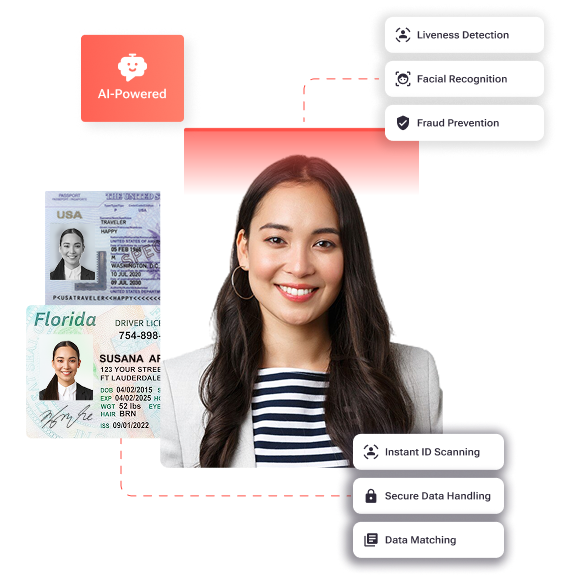
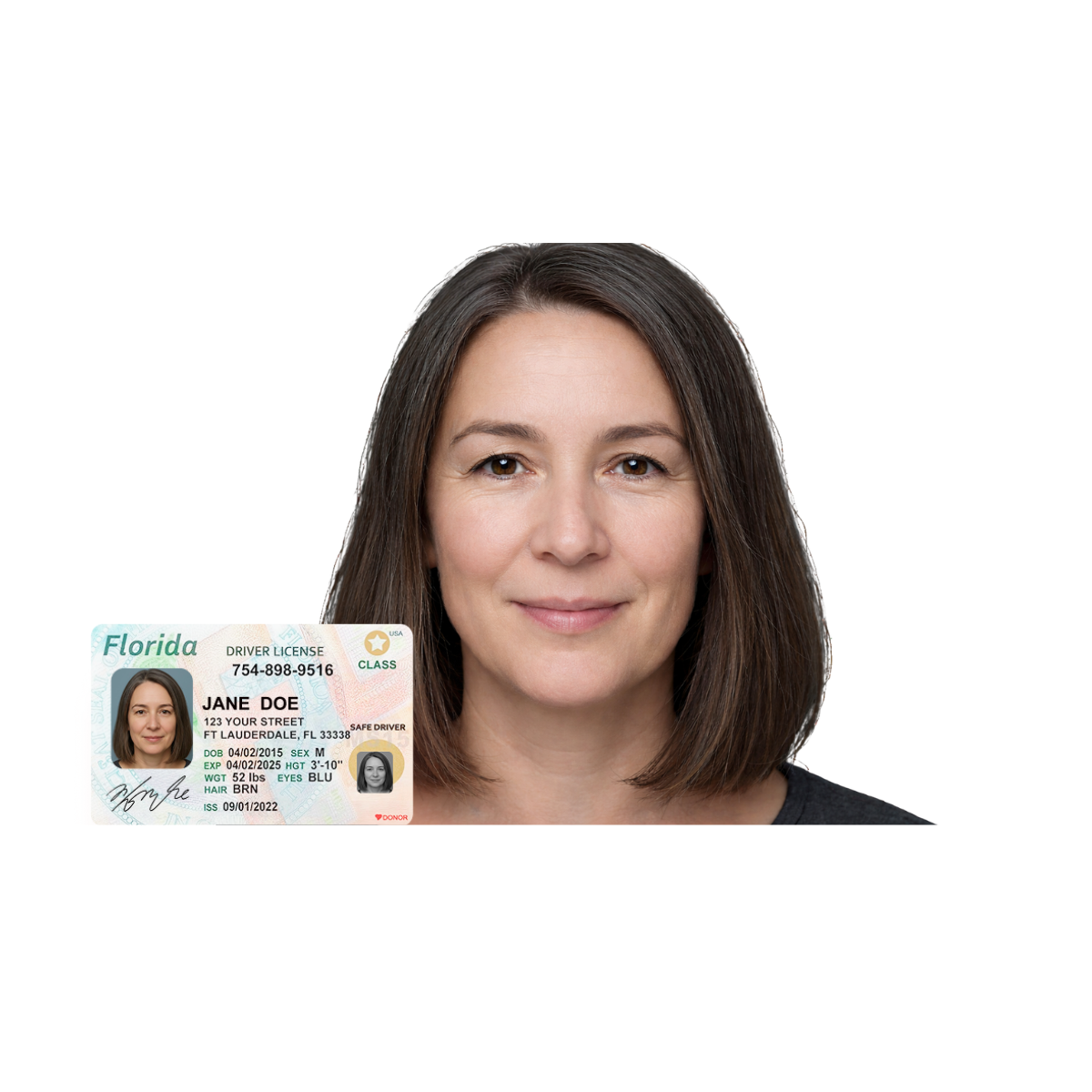
- Implement biometric identity verification at resident onboarding. IDVerify by TenantEvaluation embeds automated KYC verification, including government ID validation, AI-powered liveness detection, and biometric facial matching, directly into the screening workflow. This confirms applicant identity before approval and reduces the risk of fraudulent or impersonated occupants entering communities.
- Centralize lease tracking and occupancy records. Lease Tracking by TenantEvaluation connects resident onboarding, unit data, approvals, and lease documentation into one centralized, real-time workflow. This structure replaces spreadsheets and scattered email chains and closes operational blind spots tied to incomplete records.
- Connect payment collection to onboarding workflows. TEpayments by Zinc is a configurable payment workflow integrated into TenantEvaluation that collects application fees, deposits, and other required resident payments within the onboarding process. Payments go directly from the applicant to the association’s designated account, and TenantEvaluation never holds the funds, which reduces manual tracking and improves payment visibility for boards.
- Conduct monthly independent financial review. Monthly bank reconciliations prepared by someone independent of check issuance, combined with board members viewing statements directly from the bank rather than only through the manager or bookkeeper, help detect check tampering and unauthorized transfers early.
Board Personal-Liability Exposure in Fraud Cases
In November 2022, the Miami-Dade State Attorney’s Office charged five board members of the Hammocks Community Association with racketeering, money laundering, grand theft, and fabricating evidence in connection with an alleged $2 million embezzlement scheme. As the investigation progressed, the full scope of the fraud became clear, and the Hammocks case ultimately involved more than $11 million stolen, with early investigations finding fraud exceeding $3 million.
A $2 million settlement was reached on civil claims against non-criminally-charged former directors, but coverage for indicted parties was foreclosed by the fraud and dishonesty exclusion. This outcome illustrates the coverage gap that personal criminal conduct creates. D&O policies do not cover criminal defense and rescind upon final adjudication of fraud.
HB 1203 does not require immediate removal of Florida HOA or condo directors charged with theft, embezzlement, or similar crimes before conviction. Under §720.3033, a director or officer convicted of theft or embezzlement is barred from being appointed or elected to any association position and from accessing official records except by court order.
How TenantEvaluation Screening Reduces Claims
TenantEvaluation is Florida’s purpose-built resident screening and onboarding platform for community associations, serving more than 5,000 communities and processing approximately 100,000 applications annually. Its tools address the fraud vectors and operational gaps that generate insurance claims.
IDVerify moves communities from document-based review to biometric-confirmed identity verification. By validating government-issued IDs, running AI-powered liveness detection, and performing biometric selfie-to-ID comparison inside the TenantEvaluation workflow, IDVerify eliminates impersonation and synthetic identity risk that traditional screening cannot address. Stronger identity confirmation at the point of application reduces the likelihood of fraudulent occupants entering communities and directly lowers claim frequency.
QuickApprove accelerates resident approvals for CAMs, boards, and property management teams inside one connected platform, with real-time application tracking, automated communication support, customized approval letters, and a board-ready approval process. Faster, more consistent approvals reduce the manual handoffs where documentation gaps and errors accumulate, which supports cleaner records for insurers and auditors.

55+ Communities Verification standardizes how Florida condos and HOAs handle age-restricted application requirements across applications. This standardization reduces manual work, improves documentation consistency, and strengthens internal processes, which creates more structured records for operational control in communities where eligibility disputes carry legal and insurance exposure.
Lease Tracking delivers centralized, real-time lease visibility and lifecycle control from application to occupancy by connecting resident onboarding, unit data, approvals, and lease documentation into one structured workflow that replaces spreadsheets and scattered email chains. TEpayments by Zinc collects application fees and deposits within the onboarding process, with payments going directly to the association’s designated account, giving boards traceable records and operational clarity. Together, these capabilities create the documented financial and operational controls that underwriters evaluate when pricing crime and D&O coverage.
Frequently Asked Questions
What are the penalties for a Florida association that fails to maintain the required fidelity bond or crime insurance?
Florida statutes do not specify a standalone fine for failing to carry fidelity coverage, but the consequences are significant. For condominium associations under §718.111(11), the failure to maintain required insurance is a breach of the board’s statutory duty and can expose individual directors to fiduciary-duty claims brought by unit owners. For HOAs under §720.3033(5), the same breach-of-duty exposure applies. In both cases, if a covered loss occurs and no policy is in place, the association bears the full financial loss, and board members who failed to procure coverage may face personal liability for the resulting damage. Florida courts may order disgorgement, surcharge individual board members, and award prevailing-party attorney fees in enforcement actions under Chapters 718 or 720.
What recent statutory changes most affect Florida association fraud and insurance compliance in 2026?
HB 1203, effective July 1, 2024, made kickbacks by association directors a third-degree felony carrying up to five years in prison and requires immediate removal from the board upon discovery, even before conviction. The same law prohibits HOAs from using debit cards for any transaction not pre-approved in meeting minutes or the budget, with violations classified as theft. HB 1021 (2024) imposed criminal penalties for severe financial violations including embezzlement, fraudulent activities, and intentional failure to maintain required accounting records. On the insurance side, SB 4-D’s milestone inspection and structural integrity reserve study requirements have become a material underwriting factor for D&O carriers, with associations that have completed SIRS and demonstrate funded reserves receiving better rates. Boards should treat these legislative changes as both compliance obligations and underwriting signals.
Does a basic fidelity bond satisfy Florida’s statutory requirements, or is a commercial crime policy necessary?
A basic fidelity bond satisfies the literal statutory requirement under §718.111(11) and §720.3033(5) because both statutes require coverage for employee dishonesty, which is the core insuring agreement in a fidelity bond. However, a basic fidelity bond covers only internal dishonesty by covered persons and provides no protection against outside criminal acts such as business email compromise, funds transfer fraud, or social engineering schemes. Given that the FBI reported BEC losses of approximately $2.8 billion in 2024 and that social engineering endorsements on commercial crime policies commonly carry sublimits far below average loss amounts, associations relying solely on a basic fidelity bond carry meaningful uninsured exposure. Risk advisors consistently recommend a commercial crime policy with social engineering and funds transfer fraud endorsements as the more complete solution, with sublimits reviewed against the association’s actual fund levels.
How do financial controls and screening tools affect insurance premiums for Florida associations?
Insurance carriers evaluate the quality of an association’s internal controls as part of the underwriting process for both crime and D&O coverage. Documented controls such as segregation of duties, dual authorization, independent bank reconciliation, and well-organized records reduce the likelihood of a covered loss and signal governance quality to underwriters. Modern screening tools contribute to this picture by addressing fraud at the point of entry. Biometric identity verification confirms that approved occupants are who they claim to be, centralized lease tracking eliminates the documentation gaps that create compliance risk, and connected payment workflows provide the traceable records that boards and auditors require. Associations that can present a detailed submission package demonstrating these controls, alongside claims history and reserve study results, are better positioned to negotiate favorable terms on both crime and D&O renewals.
What actions should a CAM or board treasurer take immediately to address 2026 premium increases?
The most actionable steps fall into three categories. First, review current fidelity and crime coverage limits against actual peak fund balances, including operating and reserve accounts, and confirm the policy limit equals or exceeds the statutory maximum-funds-in-custody requirement. Second, document existing financial controls in writing, including dual authorization thresholds, segregation of duties assignments, monthly reconciliation procedures, and vendor approval workflows. Insurers reward documented controls with better terms. Third, evaluate whether the association’s resident onboarding and screening process creates or closes fraud exposure. Associations using manual, paper-based processes or generic screening tools carry higher identity fraud risk than those using purpose-built platforms with biometric verification, centralized lease tracking, and connected payment workflows. Addressing all three areas before the next renewal cycle gives brokers the strongest possible submission package.
Conclusion
Florida associations face dual compliance and financial pressure in 2026. Statutory fidelity requirements under §718.111(11) and §720.3033(5) set non-negotiable coverage floors, while D&O premiums rising 10–15% annually demand demonstrable governance quality to support mitigation. Associations that treat fraud prevention as an operational discipline, rather than just an insurance line item, are best positioned to manage both pressures.
TenantEvaluation provides the Florida-specific resident screening and onboarding infrastructure that connects these obligations. The platform capabilities detailed above, from biometric verification to centralized lease tracking and connected payments, create the documented controls underwriters evaluate when pricing coverage. Built specifically for community associations with FCRA compliance as the foundation, TenantEvaluation serves more than 5,000 communities and processes approximately 100,000 applications annually across Florida.
