Written by: Luis Teran, Co-founder, CEO, TenantEvaluation
Key Takeaways
- HOA fraud losses in Florida have surged in 2026, with social engineering and identity fraud doubling since 2023, so communities now need combined financial and biometric defenses.
- Clark Simson Miller’s core financial controls include dual signatures for expenditures over $500, monthly bank reconciliations by non-treasurers, independent audits, no cash transactions, and vendor background checks.
- Additional anti-fraud measures include transparent reporting, management oversight, fraud response plans, board training, and technology-based monitoring to reduce vendor and internal embezzlement.
- Biometric ID verification through TenantEvaluation’s IDVerify+ uses AI liveness detection and facial matching to counter synthetic identities and deepfakes that bypass traditional document checks.
- Communities can implement these practices with TenantEvaluation’s demo for integrated HOA fraud protection and streamlined onboarding.
Clark Simson Miller Financial Controls That Block HOA Fraud
Strong financial controls give your HOA clear checkpoints and accountability at every step. These Clark Simson Miller endorsed practices create a reliable foundation for fraud prevention.
1. Dual Signatures for All Expenditures Over $500
Step 1: Designate two authorized signers from different board positions.
Step 2: Require both signatures on checks, electronic transfers, and vendor payments.
Step 3: Rotate signatory responsibilities every month to avoid routine abuse.
Step 4: Record all dual signature requirements in your association bylaws.
2. Monthly Bank Reconciliation Best Practices
• Assign reconciliation duties to someone other than the treasurer.
• Compare bank statements against accounting records within 10 days.
• Review all cleared checks for proper authorization.
• Investigate any discrepancies immediately and document findings.
• Keep reconciliation records organized for future audits.
3. Independent Annual Audits
• Hire certified public accountants with proven HOA experience.
• Schedule audits for completion at fiscal year end.
• Review how the management company handles association funds.
• Examine internal controls and request written recommendations.
• Present audit results to the full board and the community.
4. Eliminate Cash Reimbursements and Use Lockbox Systems
• Prohibit all cash transactions and reimbursements.
• Route all payments through designated lockbox services.
• Require receipts and pre-approval for every expenditure.
• Use corporate credit cards with spending limits and active oversight.
5. Comprehensive Vendor Background Checks
• Verify business licenses and current insurance coverage.
• Check references from other community associations.
• Review Better Business Bureau ratings and complaint history.
• Require bonding for contractors who handle association funds.
HOAs can simplify this oversight with TenantEvaluation’s analytics and reporting tools. Schedule a demo today to see how automated compliance tracking supports your fraud prevention plan.
Targeted Anti-Fraud Measures for Vendor and Internal Embezzlement
HOAs also need broader anti-fraud practices that address daily operational risks. These measures focus on the most common weak points in vendor management and internal handling of funds.
1. Transparent Financial Reporting Systems
Provide monthly financial statements to all board members. Include detailed expense categories and variance analysis that compares actual spending with the approved budget.
2. Professional Management Company Oversight
Set written protocols for how the management company handles association money. Include regular performance reviews, clear segregation of duties, and mandatory fidelity bonding coverage.
3. Comprehensive Fraud Response Plans
Create written procedures for investigating suspected fraud. Include immediate account freezing steps, law enforcement notification requirements, and communication plans for residents.
4. Board Member Financial Training
Offer annual training on fiduciary duties, fraud warning signs, and oversight procedures. This training helps board members make informed decisions and recognize risk early.
5. Technology-Enhanced Monitoring
Use automated expense tracking, electronic approval workflows, and real-time financial dashboards. These tools give instant visibility into spending patterns and highlight unusual activity.
Communities can protect vendors and residents with integrated screening and monitoring. Schedule a demo today to review TenantEvaluation’s fraud prevention platform.
HOA Identity Fraud During Resident Onboarding in 2026
Financial controls reduce embezzlement, but identity fraud now targets the resident onboarding process. Generative AI has enabled sophisticated fraud campaigns that bypass traditional knowledge-based verification, and synthetic identities have become far more convincing.
Florida HOAs report that identity fraud attempts have doubled since 2023. Criminals now exploit document-based screening systems that rely on static uploads and database checks.
Traditional screening depends on uploaded documents and database queries. These methods cannot reliably stop impersonation or synthetic identity fraud that uses stolen data, deepfakes, or fabricated profiles.
Communities now need a shift from document-only review to biometric-backed identity confirmation. Boards must confirm that applicants are real, present, and matched to their identification before granting approval.
Learn how IDVerify delivers biometric protection against identity fraud. Schedule a demo today to see how this verification strengthens your community’s security.

How IDVerify+ Adds a Biometric Layer to HOA Fraud Prevention
TenantEvaluation’s IDVerify+ brings automated KYC verification directly into HOA screening workflows. It uses government ID validation, AI liveness detection, facial landmark recognition, and biometric selfie to ID matching.
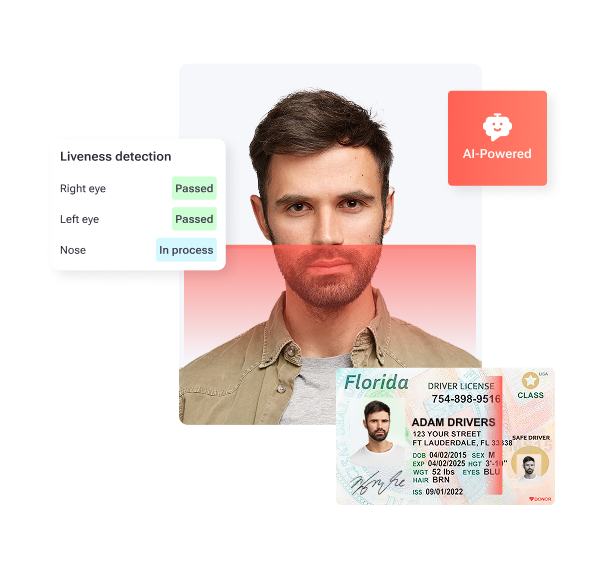
Many tools redirect applicants to outside portals, which creates friction and confusion. IDVerify+ runs natively inside the TenantEvaluation platform, with no extra logins and no broken workflows, so applicants stay in a single trusted experience.
This biometric verification process adds multiple layers of fraud protection tailored to community association risk.
| Verification Aspect | Before IDVerify+ | After IDVerify+ |
|---|---|---|
| Identity Confirmation | Document upload only | Biometric facial matching |
| Liveness Detection | None | AI-powered presence validation |
| Integration | Multiple third-party redirects | Native platform workflow |
| HOA-Specific Features | Generic rental tools | Community-focused risk controls |
TenantEvaluation has generated $150M for communities through faster, more reliable onboarding and processes more than 100,000 applications each year. The QuickApprove dashboard gives board members real-time visibility into verification results, including ID authenticity and biometric match status.

Communities can adopt TenantEvaluation’s platform to combine financial oversight with biometric verification. Schedule a demo today to protect your community with end to end fraud prevention.
Bringing Financial Controls and Biometrics Together for HOAs
Effective HOA fraud prevention now blends traditional financial controls with modern identity verification. Clark Simson Miller’s practices help prevent embezzlement, while biometric tools address fast evolving identity fraud.
TenantEvaluation unites these approaches in a single platform that protects communities, supports revenue generation, and reduces administrative work for boards and managers.
HOAs can implement these practices through TenantEvaluation’s integrated fraud prevention tools. Schedule a demo today to start protecting your HOA with proven financial controls and advanced biometric verification.
FAQ
What are the best anti-fraud measures for HOAs?
The strongest anti-fraud programs combine Clark Simson Miller’s financial controls with biometric verification. Key steps include dual signatures for expenditures over $500, monthly bank reconciliations by non-treasurers, independent annual audits, elimination of cash transactions, and thorough vendor background checks.
Adding IDVerify+ biometric verification during resident onboarding then blocks synthetic identity fraud and impersonation attempts that document-only screening often misses.
How can HOAs prevent scamming and fraudulent activities?
HOAs reduce scams by using layered protections. These include transparent financial reporting, professional management oversight with fidelity bonding, written fraud response plans, and regular board training on fiduciary duties.
Technology-based monitoring with automated expense tracking further strengthens controls. Vendor verification should confirm business licenses, insurance coverage, references from other associations, and Better Business Bureau ratings.
Is biometric screening necessary for HOAs in 2026?
Biometric screening has become essential for HOAs because synthetic identity fraud and advanced impersonation attempts have sharply increased. Traditional document-based checks cannot reliably detect deepfakes, stolen identities, or AI generated synthetic profiles.
IDVerify+ delivers government ID validation, AI liveness detection, and facial biometric matching so boards can confirm applicants are real, present, and matched to their identification before approval.
What are Clark Simson Miller’s top HOA fraud prevention best practices?
Clark Simson Miller recommends several core practices. These include dual signatures for all expenditures over $500, monthly bank reconciliations by someone other than the treasurer, and independent annual audits by certified public accountants.
They also advise eliminating cash reimbursements, using lockbox systems, and conducting comprehensive vendor background checks with license verification and reference reviews. These steps create multiple checkpoints and reduce opportunities for embezzlement.
How does biometric ID verification reduce HOA liability?
Biometric ID verification reduces HOA liability by creating clear, documented proof of identity checks during onboarding. This record shows due diligence in resident screening and helps keep fraudulent occupants out of the community.
The technology produces defensible audit trails that confirm proper identity verification. This support can lower legal exposure from weak screening practices and help communities maintain insurance coverage and compliance with new verification standards.
