Written by: Luis Teran, Co-founder, CEO, TenantEvaluation | Last updated: September 12, 2026
Key Takeaways
- Most Florida landlords use private tenant screening reports that bundle credit, criminal, eviction, income, and identity checks into one FCRA-governed consumer report.
- Screening reports usually combine an FDLE statewide criminal search with national multi-jurisdictional databases, yet gaps remain for applicants with multi-state histories.
- Eviction filings can appear even when dismissed or resolved in the tenant’s favor, and many reports include rental-specific credit scores that focus on housing payment history.
- Applicants have FCRA rights to written consent before screening, an adverse action notice if denied, and access to their own reports to spot and dispute errors.
- Applicants who review their own consumer reports before applying can catch mistakes early, which reduces surprises during the landlord’s screening process.
What Shows Up On A Florida Tenant Screening Report?
Credit Report
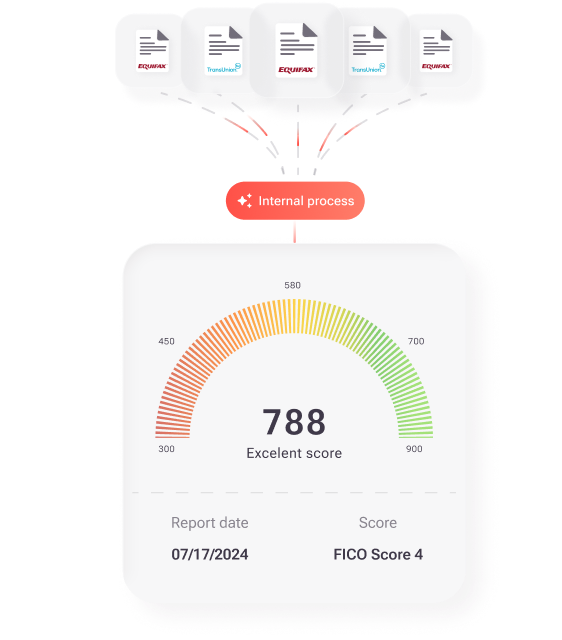
The credit report is pulled directly from TransUnion and/or Equifax credit files. It shows payment history, open and closed tradelines, collections, past-due accounts, and recent inquiries. Many screening platforms use a rental-specific score, such as TransUnion’s ResidentScore, which weighs housing-related payment behavior more heavily than a standard FICO score.
Criminal Record Search
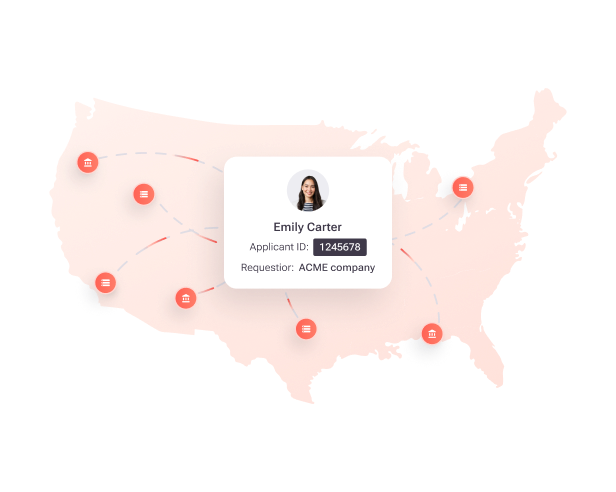
A Florida Department of Law Enforcement (FDLE) statewide name-based search pulls from Florida’s computerized criminal history files. Screening companies add national multi-jurisdictional criminal databases that include sex offender registries, FBI Most Wanted lists, and OFAC watchlists. A Florida record can be missed by a national database search, and an out-of-state record can be missed by the FDLE statewide name search alone. Applicants with records in multiple states should expect a broader combined search.
Eviction History
Eviction history comes from county clerk civil court records, such as Duval County’s CORE ePortal for Jacksonville filings. An eviction filing becomes part of the public court record the moment a landlord files the complaint, even if the case is later dismissed or resolved in the tenant’s favor.
Income And Employment Verification
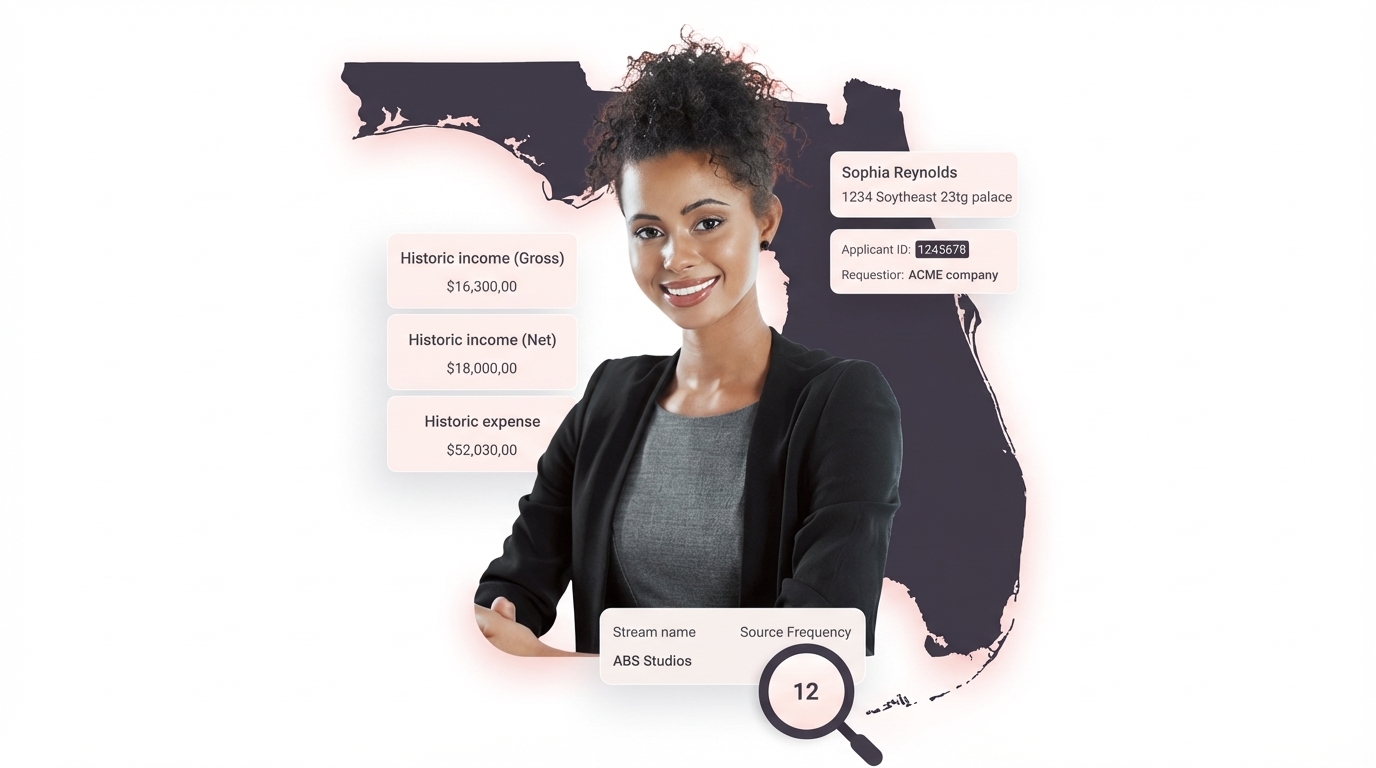
Screening companies often go beyond self-reported data by contacting employers directly or using bank-verified income tools that pull deposit history from the applicant’s financial institution. A National Multifamily Housing Council survey found that 84% of rental housing providers reported applicants falsifying income documentation. Independent verification has become standard practice because of this high falsification rate.
Identity And SSN Verification
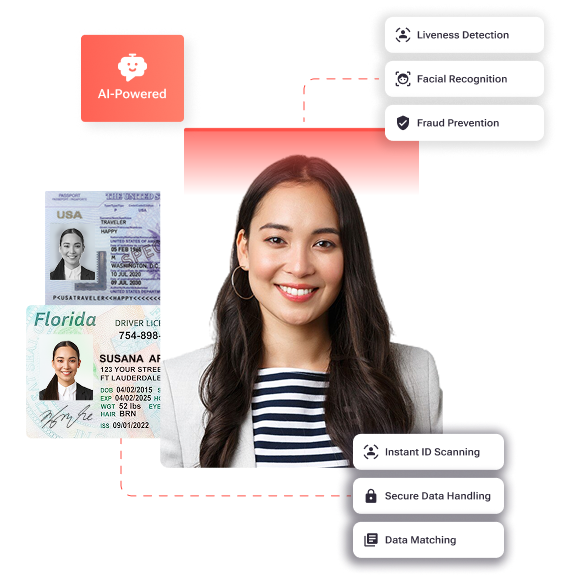
SSN verification confirms that the name, Social Security number, and date of birth provided match SSA records (returning a “yes” or “no” result), but it does not confirm that the person presenting the SSN is its true owner. This step catches mismatches that can signal fraud, synthetic identities, or data entry errors.
The combined result is a consumer report governed by the FCRA, not a government background check. The screening company supplies data, and the landlord or Community Association Manager makes the decision.
See how TenantEvaluation handles FCRA-compliant screening for Florida communities.
What Disqualifies You From Passing A Background Check In Florida?
Florida Statutes § 83.425 preempts local government regulation of the residential tenancy screening process to the state. No single Florida statute defines a universal disqualifying record for tenant screening. Screening instead follows a mix of state provisions, such as F.S. 83.515 for apartment employee screening, and federal fair housing and FCRA rules. Each community sets its own written screening criteria. Because no statewide rule defines a disqualifying record, each community’s criteria determine which of the following report items will actually trigger a denial:
- Recent Felony Or Violent Convictions, flagged by both the FDLE statewide search and national criminal databases
- Pending Criminal Charges, which may appear as open cases in court records, even though charges are not convictions
- Prior Eviction Filings, including cases that were dismissed or settled, because the filing itself is a public court record
- Collections Or Unpaid Balances, visible on the credit report, especially housing-related debts
- Insufficient Income Relative To Rent, where many Florida landlords require gross income of at least three times the monthly rent, a common screening standard rather than a statutory requirement
- Recent Bankruptcy, which appears on the credit report and affects the credit score
- Identity Or SSN Mismatches, flagged during the identity verification step and sometimes halting an application entirely
Arrest records that did not result in a conviction should not serve as a basis for denial, because an arrest documents only an allegation. In addition, sealed criminal records cannot legally be used as a reason to deny a rental application in Florida.
How Far Back Do Florida Background Checks Go?
Lookback periods come from the screening company and the community’s written criteria, not from a single Florida statute. Credit-related items such as eviction judgments are typically limited to the past seven years under standard FCRA reporting timelines. Criminal record lookback periods vary more widely based on the screening vendor and the community’s policy.
The database coverage gap still matters. Earlier sections explained that the FDLE statewide name-based search covers only Florida criminal history files, while national multi-jurisdictional databases miss records from courts that do not provide electronic data. Applicants with records in multiple states should expect the screening company to run both searches so more records surface than either search alone would return.
Do Florida Landlords Use Fingerprint Or Level 2 Checks?
Under Florida Statutes Section 435.04, Level 2 fingerprint-based background screening is a condition of employment or affiliation with a qualified entity, not a standard requirement for ordinary residential tenants. Fingerprint-based state and FBI checks apply to specific licensed or employment contexts, such as certain childcare, healthcare, or government-adjacent roles. For routine residential screening, the standard criminal check is the name-based FDLE statewide search combined with national multi-jurisdictional databases.
What Does Florida Law Actually Require For Tenant Screening?
Florida Statutes Chapter 83 includes screening-related provision §83.515, which applies to employees of certain apartment or public lodging establishments, not to ordinary tenants. Chapter 83 does not create a general tenant-screening mandate for rental applicants.
The main rules for tenant screening come from the FCRA and fair housing law. The FTC’s “Using Consumer Reports: What Landlords Need to Know” (July 2023) is the primary FTC guidance document for landlords ordering consumer reports, explaining their obligations under the Fair Credit Reporting Act (FCRA), which the FTC enforces. Florida Statute §83.425 prevents local governments from creating their own rules for application screening, application fees, and tenant selection. The statewide framework therefore applies whether the rental is in Miami, Tampa, Orlando, or any other Florida city.
What Are Your Rights If A Florida Landlord Denies Your Application?
Florida applicants share three key protections under state landlord background rules and federal FCRA requirements:
- Written Consent Comes First. Under the FCRA, landlords must obtain written permission from applicants before running a credit or background check. A landlord who pulls a consumer report without written authorization violates federal law.
- Adverse Action Notice Explains The Decision. When an application is denied, a co-signer is required, or less favorable terms are offered because of information in the screening report, the landlord must provide an adverse action notice identifying the screening company, stating that the company did not make the decision, and explaining the applicant’s right to request a free copy of the report and dispute inaccurate information.
- Criminal History Policies Must Consider Fair Housing. The federal Fair Housing Act’s disparate impact standard remains fully enforceable, and broad bans on renting to anyone with a criminal record can violate the Fair Housing Act when they disproportionately affect protected classes and lack a documented business necessity.
Can You Run A Background Check On Yourself Before Applying In Florida?
Under the Fair Credit Reporting Act, applicants can request their own consumer report (file disclosure) from consumer reporting agencies, including the three nationwide credit bureaus, Equifax, Experian, and TransUnion, but the free annual reports must be ordered through the centralized source at AnnualCreditReport.com rather than by contacting the bureaus individually. Reviewing the report in advance gives time to identify errors and dispute inaccuracies through the CFPB or FTC dispute process under the FCRA. A self-requested report uses a soft inquiry and does not impact the applicant’s credit score. Checking the report before applying offers the most direct way to avoid surprises during the screening process.
What Changed For Florida Renters In 2026?
Several Florida landlord-tenant changes took effect in 2026, yet the core mechanics of tenant screening still follow the FCRA and each community’s written criteria.
- Florida signed HB 1293, making certain rental application fraud, including forged pay stubs and counterfeit bank statements, a third-degree felony beginning October 1, 2026.
- Proposed bills that would have required landlords to accept portable or reusable tenant screening reports (HB 43 and SB 362) did not become law as of mid-2026.
- HUD withdrew several specific criminal-record guidance documents in 2025, but the Fair Housing Act and its disparate impact standard remain fully enforceable.
- Florida Statute §83.425 preempted more than 40 local landlord-tenant ordinances statewide as of July 1, 2026, reinforcing a uniform statewide screening framework.
Written consent, adverse action notices, and individualized criminal record assessments remain the core requirements for any Florida landlord ordering a consumer report.
How TenantEvaluation Fits Into Florida Screening
Meeting those legal requirements consistently depends on the screening partner a community chooses. TenantEvaluation is built specifically for community associations and management companies, and FCRA compliance forms the foundation of its workflow. It is a legitimate reseller of TransUnion and Equifax data and operates under strict bureau rules, without gray-market or offshore data sources. Every application runs through permissible purpose controls and automated adverse action workflows, and each step is recorded in an audit trail.
TenantEvaluation combines ID verification, income verification, and background checks through IDVerify+, IncomeEV, and SafeCheck+. IDVerify+ adds biometric identity verification, including government ID validation, AI-powered liveness detection, and facial biometric matching, inside the same workflow. This approach moves communities from document-based review to verified physical identity confirmation. TenantEvaluation serves 5,000+ communities and processes approximately 100,000 applications annually, making it a compliant, Florida-specific alternative to generic screening vendors.
See TenantEvaluation in action with a quick demo.
