Written by: Luis Teran, Co-founder, CEO, TenantEvaluation
Key Takeaways for Florida CAMs
- Florida rental housing faces a 93.3% fraud rate, and manual verification misses AI-generated documents and synthetic identities, which increases CAM workload and liability.
- These 12 critical red flags cover document inconsistencies, unverifiable employment, behavioral evasiveness, and new tech fraud such as liveness failures and AI-forged documents.
- Biometric tools like IDVerify provide government ID validation, liveness detection, and facial matching that catch sophisticated fraud manual reviews overlook.
- Use multi-layer verification that includes employer checks, credit-to-income analysis, and full history review to confirm legitimate tenants.
- TenantEvaluation delivers FCRA-compliant screening with proven results, so get started today to protect your Florida community.
Document Red Flags Florida CAMs See Most
1. Inconsistent ID Details
Font and formatting mismatches are the most common document fraud indicator. Fraudulent documentation occurs at 10.9% in high-risk markets, often coming from template farms that copy official designs but use incorrect fonts, spacing, or security features.
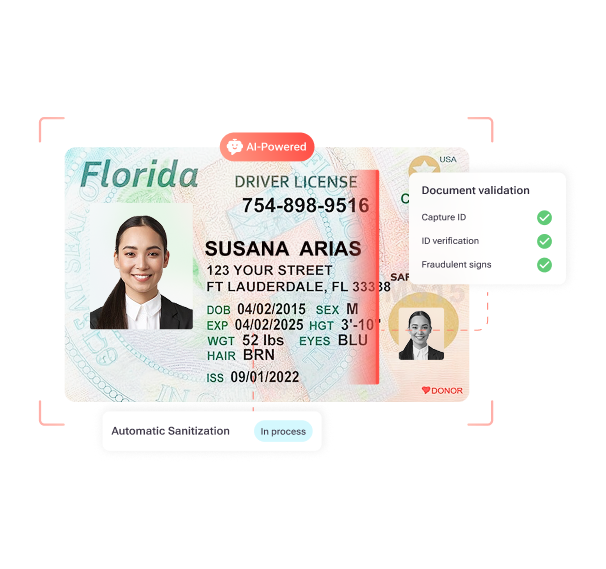
How to Verify: IDVerify automatically scans government-issued IDs for holographic security features, barcode formatting, and authentic design elements. During manual checks, review font consistency, state seal placement, and matching information across every field.

2. Blurry or Edited Documents
Tampered PDFs and low-resolution uploads often hide document manipulation. Digital editing leaves artifacts in file metadata and compression patterns that signal falsification attempts.
How to Verify: Require high-resolution uploads and review file properties for traces of editing software. Biometric verification through IDVerify reduces reliance on potentially manipulated uploads by validating identity through live facial recognition.
3. Mismatched Selfies
Photo substitution fraud occurs when applicants submit identification documents that belong to other people while providing their own selfie for comparison.
How to Verify: Use facial landmark recognition technology that maps biometric features between government ID photos and live selfies. Advanced systems flag subtle differences in bone structure, eye spacing, and facial geometry that manual comparison often misses.
Employment and Income Red Flags to Watch
4. Unverifiable Job or Income
Fake employment verification often involves companies with disconnected phone numbers, generic email addresses, or employers who cannot confirm basic employment details. Income verification issues represent 28% of application red flags.
How to Verify: Call employers using publicly listed phone numbers, not the contact information applicants provide. Confirm company legitimacy through state business registrations and compare employment claims with tax documentation.
5. Reference Gaps
Evasive previous landlord references who avoid specific questions about payment history, lease compliance, or property condition often signal fabricated rental history.
How to Verify: Ask detailed questions about lease terms, monthly rent amounts, and specific incidents. Legitimate landlords share concrete details, while fake references usually give vague or inconsistent answers.
6. Income-Credit Mismatch
High reported income paired with poor credit scores or heavy debt-to-income ratios suggests income falsification or undisclosed financial obligations.
How to Verify: Calculate debt-to-income ratios using verified income sources and full credit reports. Treat income claims that exceed credit-supported spending patterns by more than 40% as a trigger for deeper review.
Behavioral Red Flags During Screening
7. Urgency and Evasiveness
Pressure tactics include demands for immediate approval, reluctance to provide standard documentation, or aggressive reactions to routine verification questions. Evasive communication patterns often signal fraud attempts.
How to Verify: Keep consistent screening timelines regardless of applicant pressure. Log all communication attempts and responses so you can review behavior patterns later.
8. Multiple Applications
Simultaneous applications to many properties that use identical documentation packages can indicate systematic fraud attempts across several communities.
How to Verify: Compare application timestamps and document creation dates. Genuine applicants usually tailor applications to specific properties instead of sending the same package everywhere.
9. Vague History
Incomplete rental history, unexplained employment gaps, or reluctance to share previous addresses often hide problematic tenancy records or identity inconsistencies.
How to Verify: Require full address history for the past five years and verify each residence through public records, utility connections, or landlord confirmation.
Emerging Tech Fraud CAMs Need to Flag
10. Liveness Detection Failures
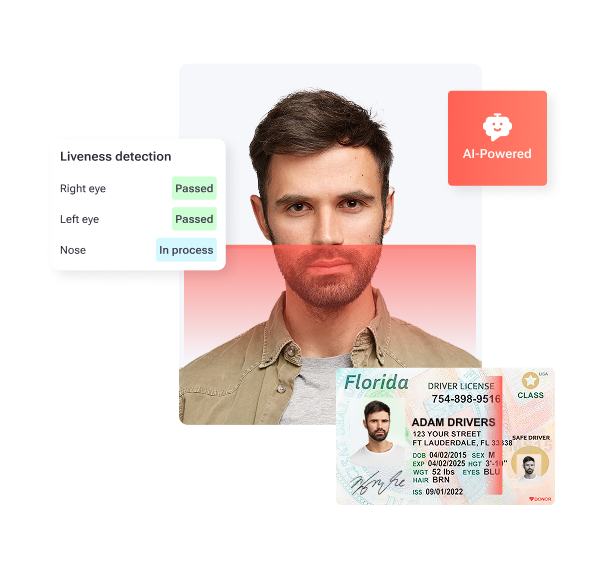
Static photo submissions, unnatural eye movements, or robotic facial expressions during video verification often indicate attempts to bypass biometric security.
How to Verify: IDVerify uses micro-expression analysis and 3D face mapping to confirm live human presence instead of photos, screens, or masks. Challenge-response prompts confirm real-time user interaction.
11. Synthetic ID Traits
Artificially created identities blend real and fabricated information to build credit profiles that appear legitimate and pass basic checks.
How to Verify: Review credit file thickness, account opening patterns, and address history consistency. Synthetic IDs often show recent credit activity without matching life history depth.
12. AI-Forged Document Anomalies
Advanced document forgery now uses artificial intelligence to generate realistic pay stubs, bank statements, and employment letters. Greystar reported that up to 50% of luxury apartment applications contained falsified information in some Atlanta properties.
How to Verify: AI-generated documents often show subtle issues in formatting, math, or institutional branding. Biometric verification avoids document-based fraud by confirming physical identity. Schedule a demo today to see how IDVerify flags sophisticated forgeries.
|
Red Flag |
Manual Risk |
IDVerify Solution |
Benefit |
|
Fake ID Documents |
Visual inspection misses sophisticated fakes |
Government ID validation and holographic scanning |
Accurate authentic document verification |
|
Photo Substitution |
Manual comparison prone to error |
Biometric facial matching and liveness detection |
Prevents identity impersonation |
|
Synthetic Identities |
Database checks miss artificial profiles |
Multi-layer KYC validation |
Identifies fabricated identity combinations |
|
AI-Generated Documents |
Visual review cannot detect AI forgeries |
Bypasses documents through biometric confirmation |
70% faster processing and stronger fraud protection |
2026 Verification Playbook for Florida CAMs
Florida CAMs can strengthen screening by using IDVerify for comprehensive KYC validation that combines government ID authentication, liveness detection, and biometric facial matching. You can connect it with the QuickApprove dashboard to streamline board review and approval workflows.

TenantEvaluation’s biometric approach closes document-based fraud gaps that manual verification and basic tools like ApplyCheck and Verify Screening Solutions leave open. Case studies show $240K in annual savings, processing times up to 70% faster, and as much as 50 hours per day returned from manual verification work.
Florida HOA Compliance and FCRA Requirements
FCRA compliance requires consistent screening criteria, proper adverse action notices, and documented permissible purpose for every background check. TenantEvaluation operates as a direct TransUnion and Equifax reseller, which supports legitimate data access and complete audit trails for Florida community associations.
Frequently Asked Questions
What are the most common red flags on tenant applications?
The 12 key red flags cover inconsistent ID details, blurry documents, mismatched selfies, unverifiable employment, reference gaps, income-credit mismatches, urgency tactics, multiple applications, vague history, liveness detection failures, synthetic ID traits, and AI-forged documents. Document inconsistencies account for about 40% of fraud attempts, and employment verification issues represent 28% of red flags in tenant applications.
How does biometric screening catch fake IDs that manual review misses?
Biometric verification combines government ID validation that scans holographic security features and barcode formatting, AI-powered liveness detection that confirms real human presence, and facial landmark recognition that matches selfies with ID photos. This multi-layer approach detects sophisticated forgeries, photo substitution fraud, and synthetic identities that visual inspection often misses, which supports accurate identity confirmation.
Is TenantEvaluation FCRA compliant for Florida HOAs and condominiums?
Yes. TenantEvaluation maintains FCRA compliance as a core standard with direct credit bureau reseller relationships to TransUnion and Equifax, automated adverse action workflows, strict permissible purpose controls, and built-in audit trails for every application. The platform keeps decision-making authority with the community association and provides data separately, while still supporting proper documentation and regulatory adherence for Florida communities.
What factors can disqualify applicants during identity verification?
Disqualifying factors include failed identity verification from mismatched biometric data, fraudulent documentation flagged through government ID validation, synthetic identity indicators in credit profiles, unverifiable employment or income, evasive behavior during screening, and liveness detection failures during biometric checks. Applying these criteria consistently supports fair, compliant tenant selection and protects community security.
How does IDVerify+ compare to traditional document-based screening?
Traditional screening depends on visual document inspection, which often misses AI-generated forgeries and complex fraud attempts. IDVerify+ removes many document-based weaknesses by confirming physical identity through biometrics and providing multi-layer fraud prevention. The system delivers real-time identity validation, automated fraud detection, and smooth integration with existing screening workflows, which improves security and efficiency compared with manual methods.
Conclusion: Move Beyond Manual Review
Florida CAMs now need to move beyond manual document review to counter sophisticated identity fraud that threatens community security. These 12 red flags give you practical early detection, and biometric verification through IDVerify adds broad fraud protection that manual processes cannot match. Protect your community with automated, FCRA-compliant identity verification that saves time, reduces liability, and supports new revenue. Schedule a demo today to roll out fraud-resistant tenant onboarding.
