Written by: Luis Teran, Co-founder, CEO, TenantEvaluation | Last updated: December 29, 2025
Key Takeaways
- Digital HOA application platforms replace paper-heavy processes with online workflows that cut approval times and reduce administrative workload.
- Configurable rules and automated checklists help Florida HOAs keep pace with changing statutes while maintaining clear, auditable records.
- Secure digital handling of applications, payments, and background checks lowers the risk of data exposure and legal disputes.
- Real-time dashboards, communication tools, and analytics support faster board decisions and more informed long-term planning.
- Florida communities can use Tenant Evaluation to manage applications, improve compliance, and increase revenue; schedule a demo today to see the platform in action.
Why a Digital HOA Application Platform Is Essential for Florida HOAs
Manual, paper-based application processes create delays, higher costs, and compliance gaps for Florida HOAs. Staff spend hours chasing signatures, verifying documents, and responding to status requests instead of focusing on the community. With strict new laws post-Surfside and frequent changes to Florida HOA statutes, manual systems no longer keep pace. A digital platform centralizes applications, automates key steps, and gives managers and boards a single, accurate source of truth.
The Core Benefits of Digital HOA Application Platforms for Community Success
1. Streamlined Application and Onboarding Workflows
Digital platforms turn a complex, paper-heavy process into a single online workflow. Applicants complete forms, upload IDs, and submit fees through a 24/7 portal from any device. Automated checks flag missing information before submission, which reduces back-and-forth communication.
Community managers gain routing rules, status tracking, and automated notifications. Many management companies report reclaiming dozens of staff hours per week, which they can redirect to owner communication, maintenance coordination, and financial planning instead of data entry.
2. Enhanced Compliance With Florida’s Evolving Regulations
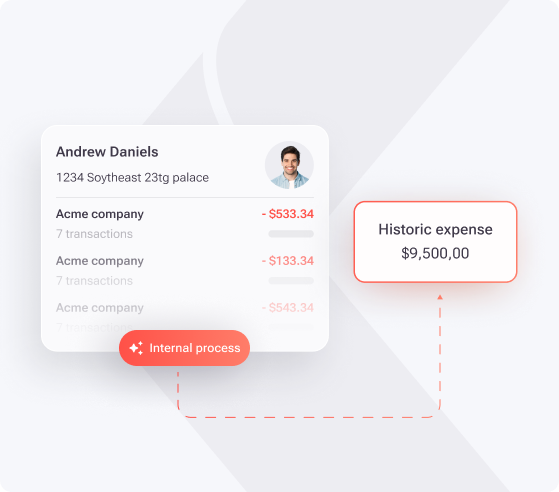
Florida HOA and condo rules change often, and missing an update can lead to fines, lawsuits, or insurance challenges. Non-compliance can damage finances and property values. Digital platforms support compliance by embedding requirements directly into the application workflow.
Rules-based logic can enforce community documents and Florida statutes, prevent incomplete submissions, and maintain an audit trail of every action. With a significant share of HOAs facing legal challenges each year, platforms that standardize and document each step of the process reduce risk and help boards demonstrate due diligence.
3. Robust Data Security and Risk Mitigation
Paper applications, email attachments, and shared spreadsheets expose sensitive data such as Social Security numbers and bank details. A modern digital platform replaces these practices with secure intake and storage, including end-to-end encryption, PCI Level 1 compliance, and automated redaction of sensitive identifiers.
Security features typically include role-based access controls, detailed logs of who viewed or changed information, and FCRA-compliant background check integrations. These controls reduce the likelihood of data breaches, inconsistent handling of personal information, and disputes about how screening decisions were made.
4. Accelerated Decision-Making for Board Members
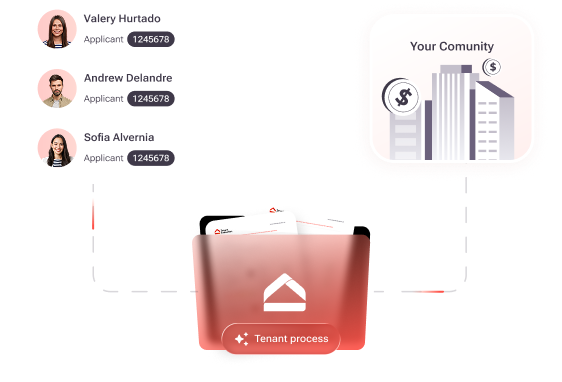
Board members often wait for packages of documents, emails, or printed files before reviewing applications. This delay slows move-ins and frustrates buyers, sellers, and tenants. Digital platforms present each application in a structured dashboard that includes summaries, supporting documents, and screening results.
Boards can review, comment, and vote inside the system, even when members are offsite. Many associations cut approval times by more than half once they move from scattered emails to organized digital review, which supports smoother closings and fewer last-minute issues.
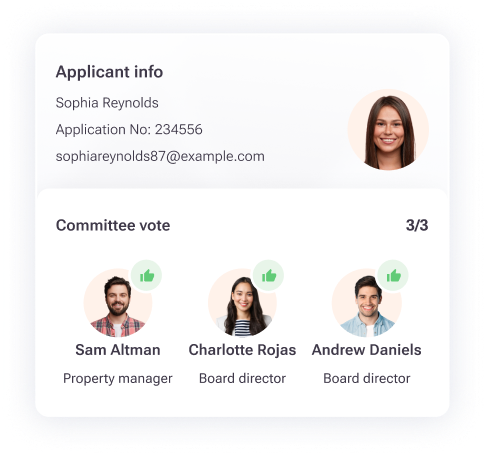
Schedule a demo today to see how Tenant Evaluation’s QuickApprove tools support faster, more consistent board decisions.
5. Improved Transparency and Communication Across All Stakeholders
Clear communication improves satisfaction for applicants, owners, and real estate professionals. A digital platform centralizes messages and automatically updates each stakeholder when the application moves to a new step, needs more information, or receives a decision.
Applicants can check status online instead of calling the office. Managers handle fewer status requests and can rely on system logs when questions arise. Features such as multilingual chat support, templated messages, and shared timelines keep everyone informed and reduce misunderstandings.
6. Enhanced Revenue Generation and Cost Savings
Application processing costs money when handled manually. Digital platforms automate fee collection, reduce errors, and support revenue-sharing agreements that can offset or exceed the cost of the system itself.
Labor savings add to the financial impact. Some Florida management companies report six-figure annual savings after adopting automated workflows, driven by reduced staff hours, lower printing and mailing costs, and fewer legal issues related to inconsistent processing. Associations can redirect those funds toward reserves, maintenance projects, or relief from assessments.
7. Valuable Community Analytics for Strategic Planning
Application data can reveal trends in rentals, owner-occupancy, demographics, and amenities usage. Traditional paper files make that information difficult to access, but digital platforms convert it into dashboards and reports.
Boards and managers can see how many residents own pets, how many use EVs, or how long approvals typically take. These insights support decisions about policy updates, investments such as EV chargers, and staffing levels. Data-driven planning helps align community resources with actual resident needs.
|
Feature |
Manual Process |
Digital Platform |
|
Approval Time |
Weeks to months |
Days to weeks |
|
Compliance Risk |
High, based on human error and missed updates |
Lower, with automated and configurable rules |
|
Data Security |
Low, with paper records and insecure transfers |
High, with encryption, redaction, and strict access controls |
|
Admin Burden |
Very high, with paperwork and follow-ups |
Much lower, with automation and self-service tools |
Frequently Asked Questions About Digital HOA Platforms
How digital HOA platforms ensure compliance with Florida’s changing laws
Digital HOA platforms configured for Florida communities support compliance by embedding statutes and community rules into everyday workflows. Managers can set required documents, disclosures, and screening steps that align with regulations on structural inspections, website content, and reporting. When laws change, administrators update the settings instead of rewriting every form and checklist. The platform then applies the new requirements consistently and records a timestamped trail of each action for future review.
How digital platforms support, rather than replace, board review
Digital HOA platforms reduce manual work for board members without removing their authority. Tools such as Tenant Evaluation’s QuickApprove provide summaries, supporting documents, and background reports in one view so board members can focus on judgment rather than paperwork. Voting panels, comments, and standardized criteria keep decisions organized and transparent, which improves consistency across applications and protects the association if decisions are challenged.
Main risks for Florida HOAs that stay with manual application processes
Florida HOAs that continue using paper and email for applications face higher administrative workloads, slower approvals, and greater exposure to compliance issues. Manual handling of sensitive data increases the chance of misplaced documents or insecure sharing. In a state with rapid legislative change and enhanced oversight after Surfside, delays in adapting forms and procedures can result in penalties, legal disputes, and reputational damage.
Typical cost savings from implementing a digital HOA application platform
Cost savings usually appear in several areas. HOAs reduce staff time spent on data entry and follow-ups, lower expenses for printing and mailing, and speed up fee collection. Some Florida management companies have documented hundreds of thousands of dollars in annual savings after moving to automated systems, especially when combined with revenue-sharing on application fees. These savings can help cover increased insurance costs, fund reserve contributions, or reduce the need for special assessments.
Key security features Florida HOAs should require
Florida HOAs should look for platforms that provide PCI Level 1 compliance for payments, strong encryption for data in transit and at rest, and automatic redaction of highly sensitive information. Role-based access controls ensure that only authorized staff or board members can view specific data, and detailed audit logs track every login and change. Secure cloud storage with regular backups further protects records from loss due to hardware failures or local disasters.
Conclusion: Modernizing Your Florida HOA With a Digital Platform
Florida HOAs operate in a demanding environment shaped by evolving regulations, rising costs, and higher expectations from owners and residents. Recent legislative changes highlight the need for reliable, documented processes that boards and managers can manage at scale.
A digital HOA application platform helps meet these demands through streamlined workflows, consistent compliance, stronger data security, and clearer communication. Boards gain faster, better-organized information, while applicants benefit from a more predictable and transparent experience.
Schedule a demo today to learn how Tenant Evaluation can support your Florida condominium or HOA with digital applications, screening, and board decision tools.
