Written by: Luis Teran, Co-founder, CEO, TenantEvaluation | Last updated: December 29, 2025
Key Takeaways
- Florida condo associations face rising compliance and security risk, and 30% of condo inspections uncover significant issues that affect financing and property values.
- Secure resident verification connects data protection, community safety, and legal compliance, especially as condominium associations must protect sensitive digital information from cybercriminals.
- Moving from manual paperwork to digital resident verification reduces errors, speeds approvals, and gives boards and managers real-time visibility into each application.
- The seven strategies in this guide offer clear steps for strengthening authentication, automation, Florida-specific compliance, screening quality, and staff training.
- Condo associations can use Tenant Evaluation to centralize applications, automate screening, and improve compliance, and can get started through this quick demo request form.
Why Secure Resident Verification is Essential for Florida Condo Associations in 2026
Florida condo associations now manage resident verification in an environment of tighter lending standards, higher insurance scrutiny, and increased legal exposure. Manual, paper-based processes no longer match the pace or complexity of these demands.
Condominium associations must protect sensitive information like payment card and bank details from cybercriminals, which requires more than basic passwords or unsecured email. At the same time, negligent security issues such as non-working cameras or weak access control expose boards to lawsuits and reputational damage.
Inefficient verification also slows move-ins, frustrates applicants, and consumes staff time that could support higher-value work. Clear, digital workflows that show who has reviewed what, and when, help maintain strong relationships with residents, realtors, and board members while keeping pace with Florida’s legal environment.
7 Critical Strategies for Robust Condo Association Resident Verification
Fortify Digital Assets with Multi-Factor Authentication and Strong Password Policies
Multi-factor authentication and disciplined password policies form a basic defense for resident data. Using two-factor authentication is a recommended control for reducing cyber fraud, and multifactor authentication across association systems helps safeguard stored data. Require unique, complex passwords, schedule periodic updates, and turn on MFA for every portal that stores applications, screening results, or payment information.
Use Secure Digital Platforms for Automated Data Handling and Encryption
Secure digital resident-verification platforms automate how your association receives, stores, and shares sensitive documents. Advanced tools apply automatic redaction to details such as full account numbers, then protect remaining data with end-to-end encryption that meets PCI Level 1 standards. Encrypted platforms and structured workflows reduce cyber fraud risk while cutting manual handling time, which helps protect residents and the association.
Build Florida-Specific Compliance Workflows and Dynamic Screening Criteria
Florida-specific workflows keep your association aligned with state law and with your governing documents. Configure rules for minimum credit scores, income multiples, occupancy categories, and required documents so each application type follows the correct path. Florida community-association laws can change frequently, so dynamic criteria and simple rule updates are essential for staying compliant without rebuilding your process each time.
Integrate Comprehensive Background, Identity, and Financial Screening
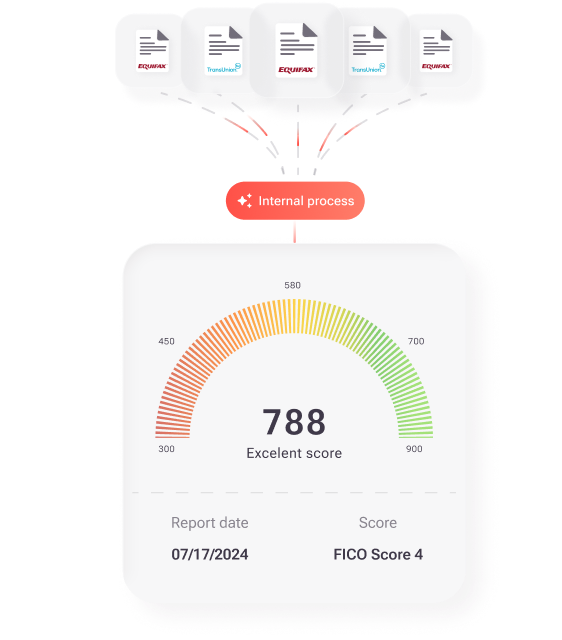
Comprehensive background and financial screening gives boards a complete and consistent view of each applicant. Effective screening combines nationwide criminal and eviction searches, income and employment verification, prior residency checks, and credit analysis to highlight payment patterns and potential risk. Thorough screening also helps address negligent security issues that can lead to liability.
Tenant Evaluation consolidates ID verification, income analysis, and background data into a single report, which reduces manual follow-ups and inconsistent documentation.

Streamline Board Review and Approval with Transparent Dashboards
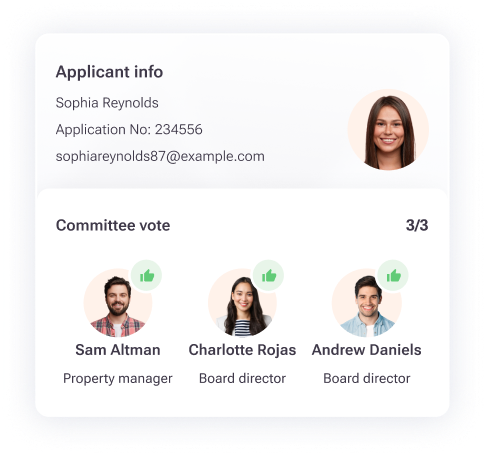
Clear dashboards and structured voting tools shorten board review cycles and document every decision. Board members can view concise applicant summaries, supporting reports, and notes in one place instead of searching email threads. Audit trails that log approvals, denials, and comments support fiduciary duties and help manage disputes or questions from residents.
Improve Application Quality with Intelligent Form Logic and Automated Checks
Intelligent online forms reduce incomplete or inaccurate applications before they reach the office. Rules can adjust questions based on whether the applicant is an owner, tenant, adult child, or roommate, so the system collects only relevant information. Automated checks for signed leases, valid IDs, and required documents stop submissions that are missing key items and save staff follow-up time.
Prioritize Resident Data Security Awareness and Ongoing Training
Board and staff training ties the security program together. Role-based access management limits who can view screening details, and short refreshers help volunteers recognize phishing, social-engineering attempts, and unsafe document-sharing practices. Regular cyber-hygiene training and careful vendor vetting lower digital-risk exposure for condominium associations and reduce the chance of human errors that lead to breaches.
Manual vs. Digital Condo Resident Verification: A Key Comparison
Comparing manual methods to a dedicated digital platform makes it easier to see where technology can strengthen resident verification.
|
Feature |
Manual Process |
Digital Platform |
|
Administrative Burden |
High, time-consuming follow-ups and paper forms |
Low, automated workflows and digital documents |
|
Data Security |
Higher risk of breaches, limited encryption and PII exposure |
Stronger protection with auto-redaction, encryption, and PCI Level 1 controls |
|
Compliance Management |
Complex, manual tracking and frequent errors |
Streamlined, custom Florida rules with audit trails |
|
Approval Time |
Slow, with board delays and manual processing |
Faster, with real-time access, dashboards, and smart logic |
|
Board Transparency |
Limited visibility through email chains and scattered files |
High transparency through a dedicated dashboard and summarized reports |
|
Applicant Experience |
Frustrating paper forms and unclear status updates |
Fully online experience with automated notifications and clear timelines |
Frequently Asked Questions About Condo Resident Verification
Recommended cadence for reviewing resident verification processes
Most condo associations benefit from a formal review of their resident-verification program at least once a year. Additional reviews make sense after major Florida statutory changes, technology upgrades, or notable security incidents. Regular evaluations keep workflows aligned with legal requirements and reveal gaps in data security or applicant communication.
Common security vulnerabilities in condo resident verification
The largest vulnerabilities usually appear where staff handle sensitive information manually or where systems lack modern controls. Common issues include storing unencrypted documents, skipping multi-factor authentication, using outdated background-check vendors, and providing limited cybersecurity training. Phishing attacks and weak passwords remain frequent entry points for data breaches.
Ways a streamlined resident verification process can generate revenue
A streamlined digital process can lower expenses and create new revenue. Automation reduces staff hours spent on follow-ups, printing, and data entry. Some platforms share a portion of application-fee revenue with associations, and faster approvals can shorten vacancy periods and support stable property values.
Impact of Florida regulations on condo resident verification
Florida statutes dictate timelines for processing applications, standards for record-keeping, and obligations around community security. These rules require configurable workflows that track dates, approvals, denials, and notices in a consistent way. Ignoring them can expose boards to compliance findings, insurance challenges, and, in serious cases, personal liability.
Role of technology in condo association security beyond verification
Technology now supports wider association security through access-control systems, surveillance tools, and visitor-management platforms. Smart credentials, such as fobs or mobile passes, help limit property access to authorized residents and guests. To remain effective and defensible, these systems need regular maintenance, policy oversight, and alignment with privacy expectations.
Conclusion: Secure Your Community’s Future with Smart Resident Verification
The seven strategies in this guide give Florida condo associations a practical roadmap for resident verification in 2026. Focusing on authentication, digital platforms, Florida-specific rules, screening quality, and staff training helps protect residents, support property values, and ease administrative workload.
Tenant Evaluation offers a centralized platform that incorporates these elements, from secure online applications to ID checks, income analysis, and board-ready reports. Using proven digital tools alongside clear policies helps protect community data and digital assets while improving the experience for applicants, managers, and boards.
Associations that want to modernize their resident verification can request a demo of Tenant Evaluation through this quick start form and explore how the platform fits their community’s needs.
